Salerno Cruise Port to Train Station: Walk, Shuttle or Taxi
Salerno's cruise terminal sits on the western waterfront, with Salerno Centrale a flat 10-15 minute walk inland. Compare walking, taxi and the port shuttle.
On this page
Salerno suits passengers who want to reach Pompeii or the Amalfi Coast by public transport without committing to a coach tour. The ship berths on the western waterfront at Molo Manfredi, and Salerno Centrale railway station sits inland within a flat walk or a short cab ride, so the train is a realistic option even on a modest call.
The decision is not whether the station is reachable but which combination of berth shuttle, seafront walk and departure time leaves the biggest margin for the return leg. Pompeii trains run several times an hour and take roughly half an hour, but the walk between Pompeii Scavi station and the ruins adds time at the far end that many passengers forget.
Where ships dock in Salerno
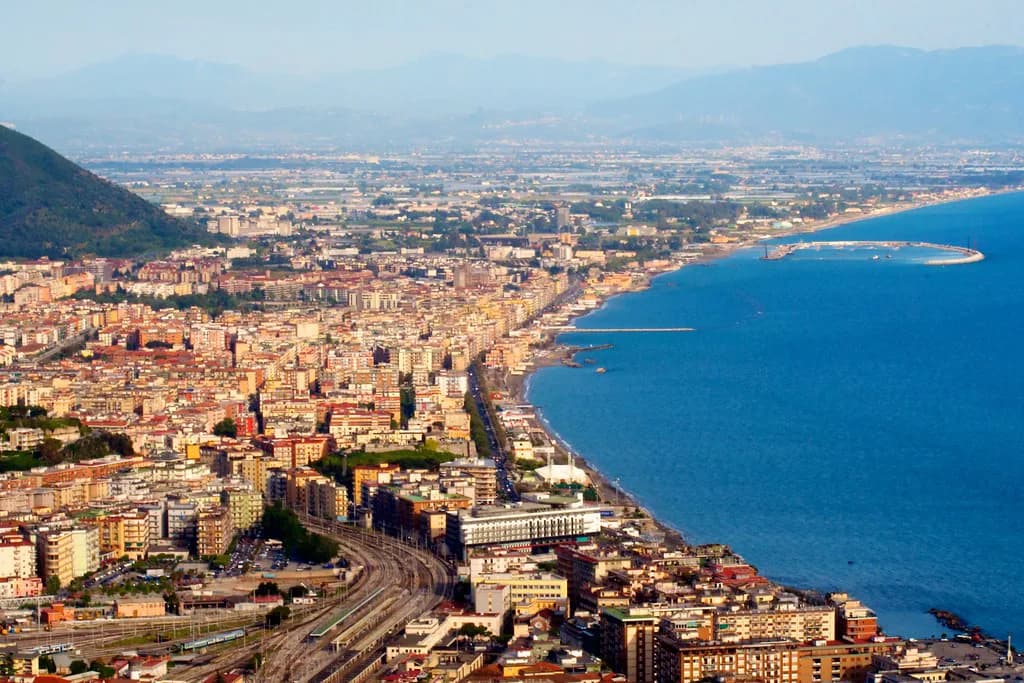
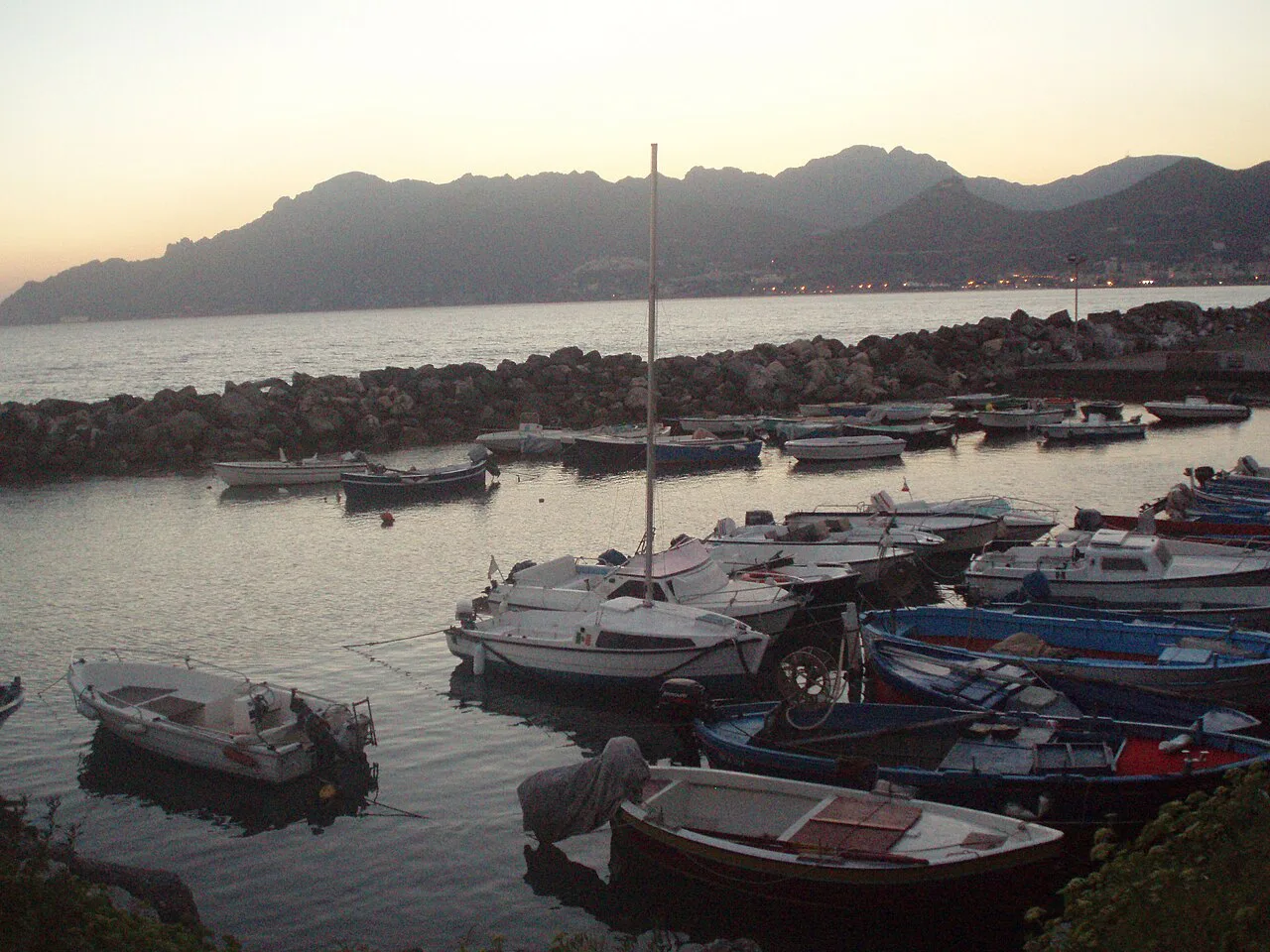
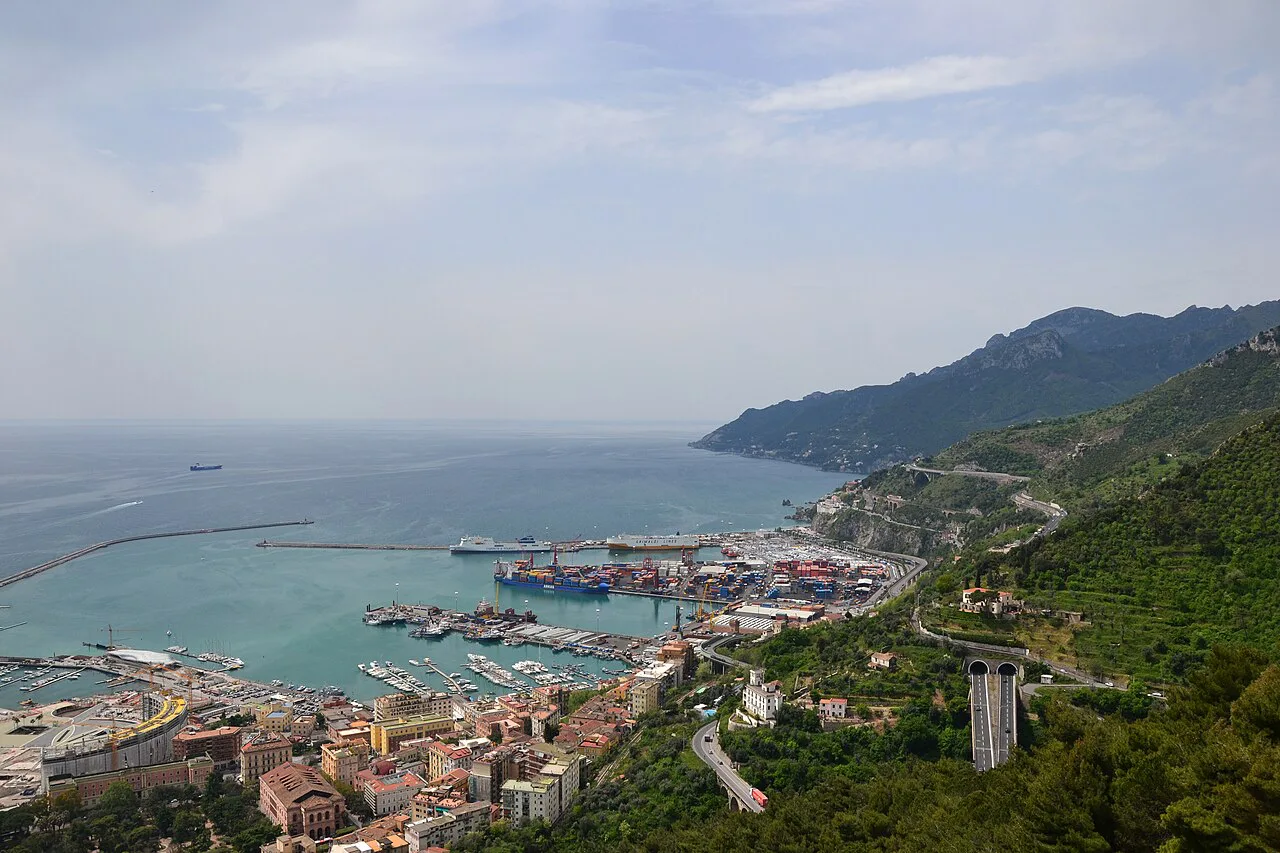
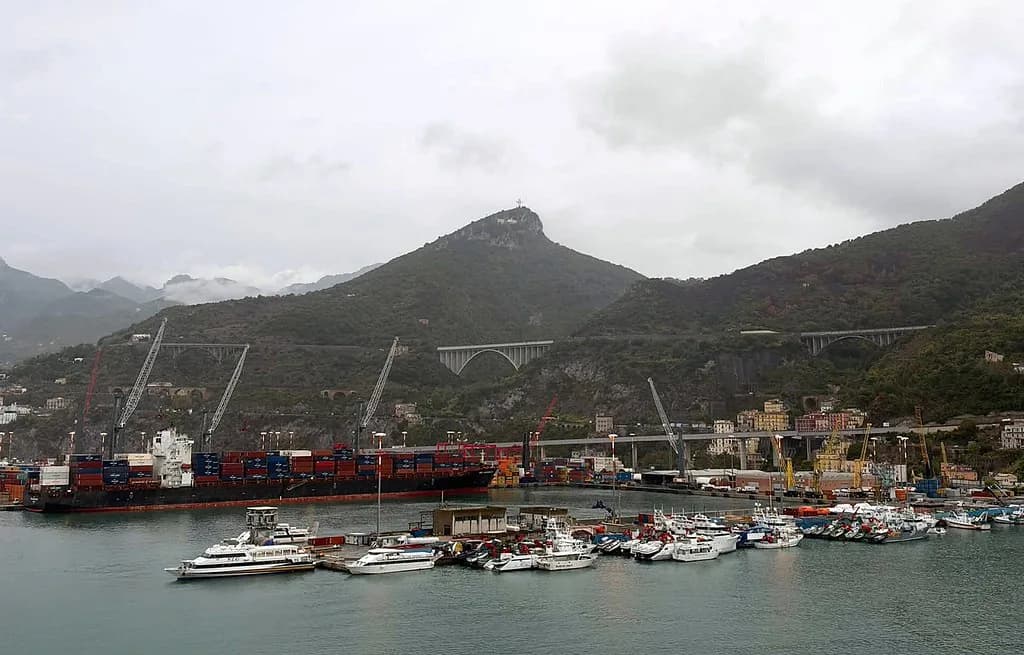
Cruise ships tie up at the Stazione Marittima on Molo Manfredi, on the western edge of Salerno's waterfront next to the commercial harbour. The terminal building is the arrival and departure point for the port area, and the historic centre, Lungomare Trieste promenade and Salerno Centrale station all lie to the east and inland from there. This layout is set out in the wider Salerno Cruise Port Guide, which plots the terminal, the seafront and the station in relation to each other.
Because the berth sits inside the city rather than in an industrial zone miles out, there is no long transfer into town. Most passengers step off and walk straight onto the seafront, which makes Salerno unusually simple to navigate when the ship has a tight all-aboard time.
Port shuttle from ship to terminal
A free port shuttle runs from the ship's berth to the cruise terminal building, a short hop that saves walking along the quay with luggage or in the heat. The shuttle timetable and frequency are set by the port and can vary by call, so ask at the gangway or the Stazione Marittima terminal desk on the day to check current operating times.
If the ship is berthed close enough for walking, the shuttle may not run at all, and the quayside route is flat and paved. Either way, the leg from berth to terminal is short; the longer walk to the station begins once you leave the terminal building.
Walking to Salerno Centrale station
From the cruise terminal, Salerno Centrale is roughly a 10-15 minute walk inland, and the route stays flat and easy to follow. Head east along the seafront toward Lungomare Trieste, then turn inland through the streets toward the station; signage points toward the centro storico, Duomo and railway station.
The historic centre and main shopping street, Via Roma, are about 0.5 to 1.2 miles from the terminal, a walk of 10-20 minutes along the flat waterfront, so the station adds only a little more distance. The seafront is clearly signed and lined with cafes, which makes the route easy to retrace when you are heading back to the ship.
Taxi from the terminal to the station
Taxis queue directly outside the cruise terminal and are metered, though it is worth agreeing on a fare for longer runs. Short trips within Salerno, such as the terminal to the train station, typically cost around €8-15, and drivers generally expect cash even if some accept cards.
A cab makes sense when you are carrying bags, travelling with someone who cannot manage the walk comfortably, or catching a train in the next twenty minutes. For a group of three or four, splitting the fare makes the time saving cheap compared with the stress of hurrying along the seafront.
Trains from Salerno Centrale to Pompeii Scavi
Regional trains run from Salerno Centrale to Pompeii Scavi, the stop for the archaeological site, with journey times of roughly 30-40 minutes and multiple departures per hour. Tickets cost about €3-5 each way and can be bought from station machines with English options or from the ticket window. The full port-to-ruins route is broken down in the guide to the cruise port to Pompeii.
Salerno Centrale also serves Naples in about 40-50 minutes, which matters for passengers considering a city visit instead of the ruins. The station is a major hub, so departure boards and platform numbers can change at short notice; arrive with enough time to find the right platform rather than sprinting for a departing train.
Passengers weighing the train against a ferry for the coastal run often ask which is better for Pompeii and how long the walk to the station really takes. The short answer is that the rail route is the only direct one to the ruins; boats serve the coast, not the archaeological site.
Buying and validating train tickets
Buy your ticket before boarding, either at the station machines or the ticket window, and validate it in the yellow machines on the platform; travelling without a validated ticket risks a fine. If you buy a return ticket, keep it safe, since inspectors do check on the regional lines.
Pompeii tickets are a separate purchase from the train fare, and buying them online in advance avoids the entrance queues at Porta Marina. The walk from Pompeii Scavi station to the main entrance takes about ten minutes, so build that into your timetable both ways.
Returning to the ship with a safe buffer
The return leg is where Salerno's compact layout pays off: from the station it is a flat walk back to the terminal, or a short taxi ride if time is tight. Aim to be back at the terminal at least 60 minutes before your all-aboard time, longer if you are relying on a train that has already run late once that day.
No cruise line guarantees that the ship will wait for independent travellers, and the gangway closes at the published time. If the inbound train is delayed, a taxi from Salerno Centrale to the terminal is a cheap insurance policy rather than a disaster.
Hitting the old town and Duomo on the way back
The route between the station and the port passes the edge of the historic centre, so a detour to the Duomo di Salerno or Via Roma costs little extra time. The 11th-century cathedral, with its mosaic atrium and crypt, is about 15-20 minutes' walk from the port and free to enter, though donations are appreciated.
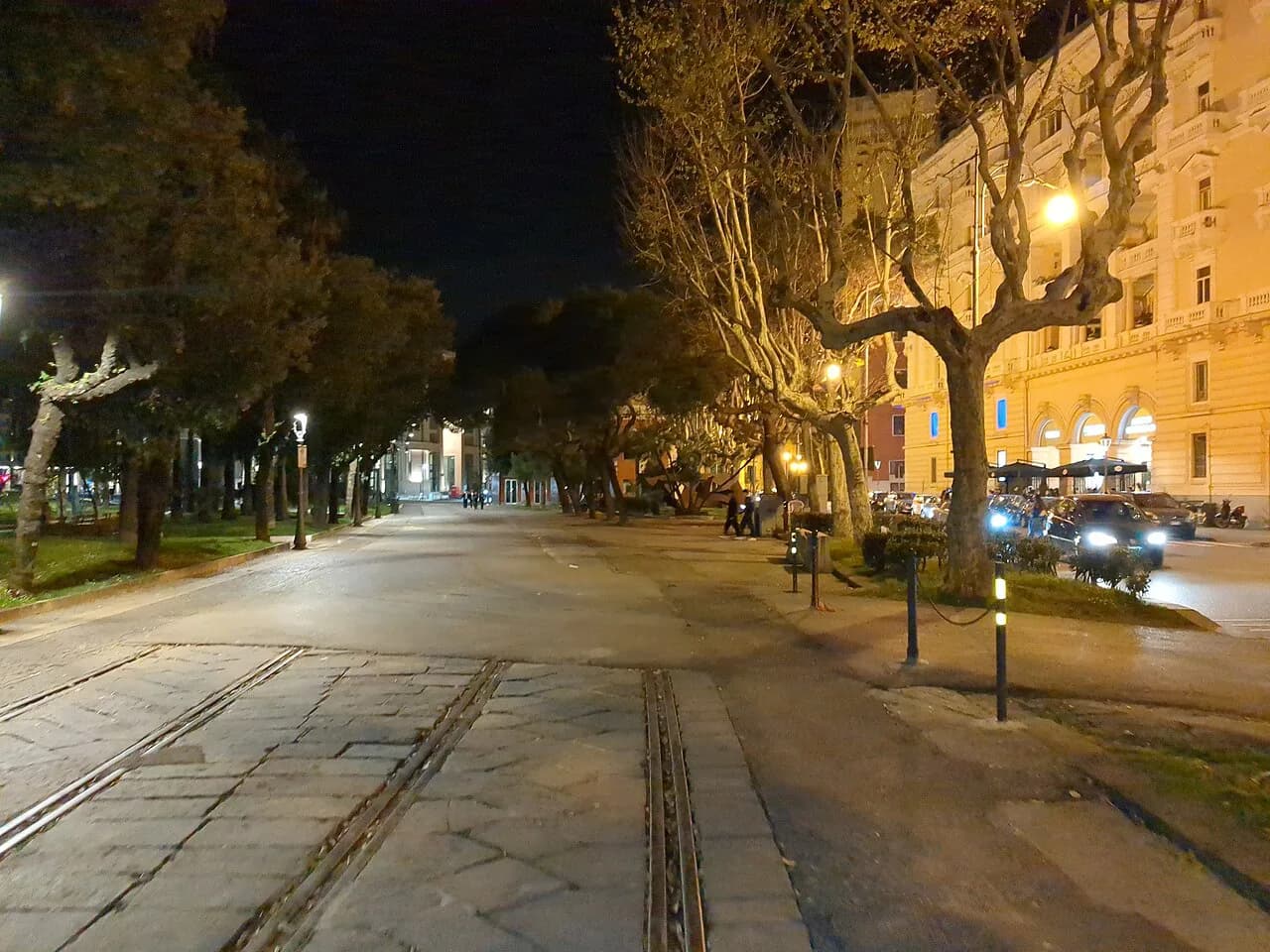
If your train gets back early enough, the Lungomare Trieste promenade runs between the station turn-off and the terminal, lined with cafes and gelato stops. This is the sensible way to use a spare hour rather than squeezing in a second excursion.
Using the station for Paestum and Naples
Pompeii is the obvious rail day trip, but Salerno Centrale also reaches Paestum, whose Greek temples and museum are quieter than the Roman ruins. Trains and buses run from the station to Paestum in roughly 40-50 minutes each way, and the archaeological site is a short walk from the Paestum stop.
Naples is another option if you have already seen Pompeii, but the 40-50 minute journey each way eats into sightseeing time. For a short call, Pompeii or the local old town gives better value per hour ashore.
How long the transfer fits into your call
On a six-hour call, the station is a realistic target only if you stay local or take a very short rail hop; a Pompeii round trip with site time typically needs four to five hours port to port. On eight hours you can manage Pompeii with a guided visit or a fast independent walk through the Forum and amphitheatre.
With ten hours, a combined day of Pompeii in the morning and a late-afternoon ferry or stroll in Salerno becomes feasible, though ferry services to Amalfi and Positano are seasonal and can sell out in summer. The train station transfer is quick enough that the limiting factor is how much time you spend at the far end, not the walk to the platform.
Ship tour versus independent train travel
A ship's excursion to Pompeii removes the planning burden and usually includes a guide and coach transport, but it also fixes your departure time and pace. Independent rail travel is cheaper and more flexible, with the trade-off that a missed train means a missed ship, and the responsibility sits with you. Comparing shore excursions against the timetable is the quickest way to decide which trade-off suits your group.
A private driver for the day is the middle option for groups, offering door-to-terminal pickup and the ability to combine Pompeii with a coastal village, though the cost is significantly higher than the train. Drivers quote for the day rather than per head, so the maths only works if you fill the vehicle.
Luggage and shopping on the return
Leave large bags on the ship and carry only a secure daypack, since the seafront walk and station platforms are not places to be managing a suitcase. If you buy ceramics or limoncello in the old town, the flat route back to the terminal makes carrying it manageable, and the port shuttle takes you from terminal to gangway.
Plan your purchases for the return leg rather than the outbound one, so you are not hauling breakables onto a train to Pompeii. The station area and Via Roma have shops and cafes where you can fill the last hour before all-aboard.
Plan Your Visit
For most passengers, the simplest plan is to walk or take the shuttle from the berth to the terminal, walk the flat 10-15 minutes to Salerno Centrale, and ride the regional train to Pompeii Scavi or Paestum. If you want to compare the same transfer at another Italian port, this guide to the Civitavecchia cruise terminal to train station walks through it step by step. The whole transfer is short enough that the real planning question is how much time you spend at the destination, not how you get to the platform.
Build a 60-minute buffer before all-aboard, keep euros for taxis and tickets, and validate your train ticket before boarding. If the numbers do not work for a return rail trip on your call length, Salerno's old town, cathedral and seafront make a satisfying day without leaving the city, and what to do in Salerno from a cruise ship covers the walking options in detail.
Frequently Asked Questions
How far is Salerno cruise port from the train station?
Salerno Centrale is roughly a 10-15 minute walk inland from the cruise terminal, along flat, signed streets. The historic centre and Via Roma sit between the two, so the station walk shares the same route as the sightseeing stroll.
Can you walk from the cruise ship to Salerno Centrale?
Yes, the walk is flat and paved, and most passengers can manage it with hand luggage or a daypack. The main consideration is time: allow 10-15 minutes from terminal to station, plus any shuttle time from the berth.
Is there a shuttle bus from the ship to the cruise terminal?
A free port shuttle runs from the berth to the terminal building, though whether it operates on a given call depends on where the ship is berthed. Ask at the gangway or terminal desk for the current arrangement.
How much is a taxi from the cruise port to the train station?
Short trips within Salerno sit in a modest metered band, and drivers usually expect cash even when cards are accepted. Ask the driver for the metered fare before setting off, and for longer runs to the coast agree a fixed price in advance.
How do I get from Salerno cruise port to Pompeii by train?
Walk or take the shuttle to the terminal, then walk 10-15 minutes to Salerno Centrale and board a regional train toward Pompeii Scavi. From Pompeii Scavi station, the Porta Marina entrance is about a ten-minute walk.
How long does the train take from Salerno to Pompeii?
The regional train journey takes roughly 30-40 minutes each way, with multiple departures per hour. Allow another ten minutes at the Pompeii end to walk from the station to the ruins.
How do I get from Salerno Concordia to Salerno train station?
Concordia Pier is on the same western waterfront stretch as the cruise terminal, so the route to Salerno Centrale follows the seafront and then turns inland. The walk takes about 10-15 minutes, or a short taxi ride from the pier.
Sources
Port-day notes for your next cruise
Optional updates to our port guides.
You might also like
Continue reading
More guides you'll find useful