Things to Do in Vigo from a Cruise Ship: Port-Day Guide
Ships dock at Vigo's Muelle de Trasatlánticos in the city centre. Plan a walkable day around the old town, Castro fortress and free escalators.
On this page
Vigo rewards passengers who want a low-logistics day ashore. The ship ties up beside the marina, the old town is minutes away on foot, and the main decisions are how far up the hill you want to climb and whether you spend the afternoon eating seafood or riding to a wine estate.
It suits walkers with comfortable shoes and a tolerance for cobbles and inclines more than it suits anyone chasing headline monuments. Almost everything worth seeing sits within the city, so you can leave the ship without a plan and still fill the hours.
Where ships dock at Muelle de Trasatlánticos
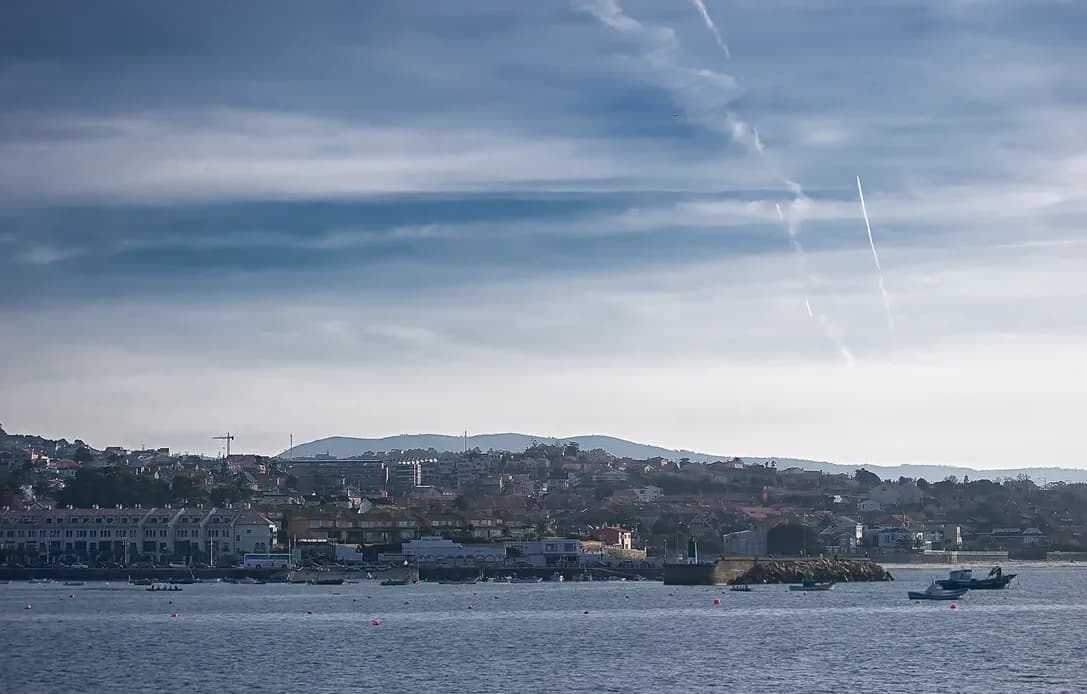
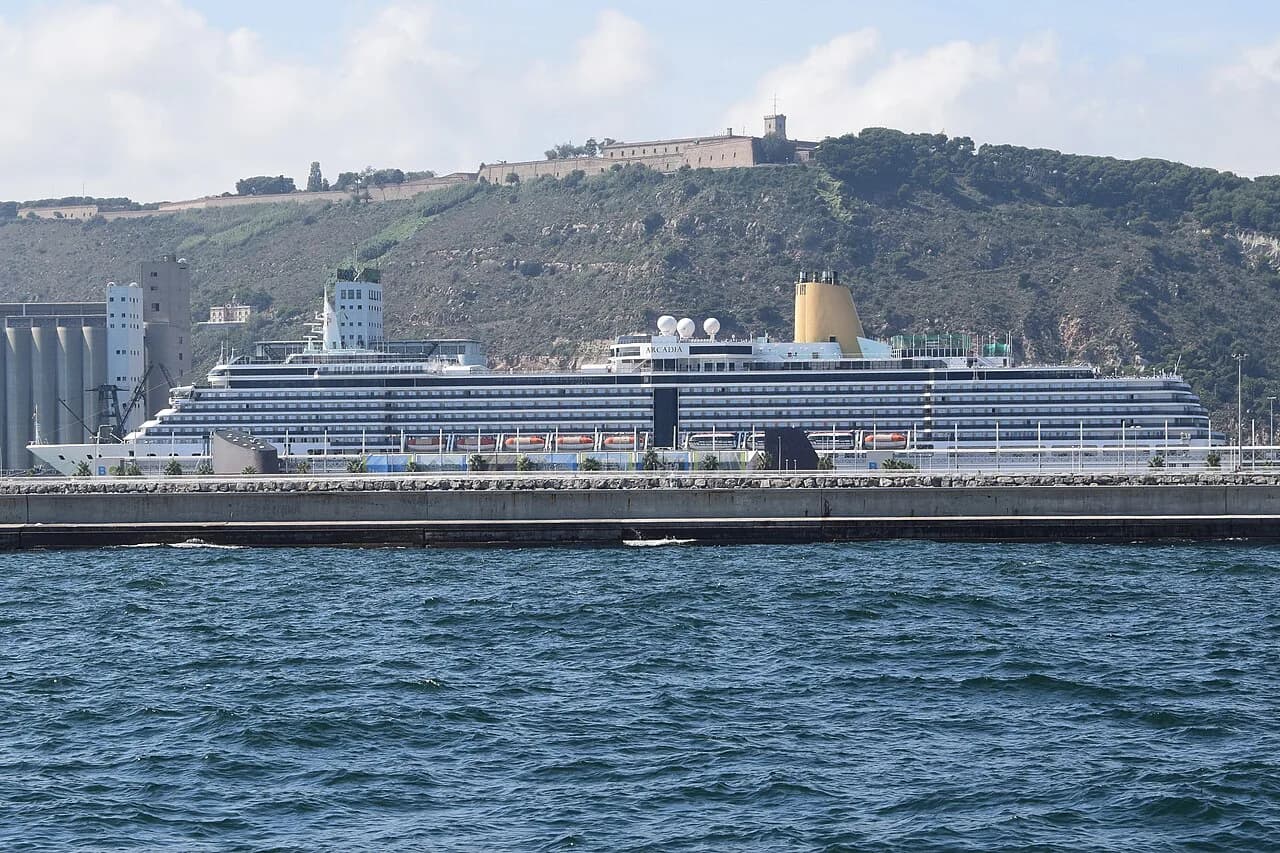
Cruise ships berth at the Muelle de Trasatlánticos, the transatlantic quay in the center of Vigo, and there is no tender step to plan around. The terminal is modern but simple, with toilets, security screening and a small souvenir area, and a tourist information office sits near the exit. You are on the waterfront promenade the moment you walk out.
Expect the marina directly ahead, with small boats and yachts moored along a flat, paved edge. The A Laxe shopping center is a short walk away if you want coffee, free Wi-Fi or a supermarket stop before heading uphill. Vendors sometimes work the immediate marina area, and a polite refusal is enough.
Walking into Vigo: flat waterfront, uphill old town
The first stretch of any port day is level. You can follow the promenade, cross toward the marina and reach the edge of the historic quarter in roughly 5 to 10 minutes from the terminal, but the final section climbs as you move away from the water; the route is set out step by step in this guide to the vigo cruise port to city centre.
If the incline is a problem, the A Laxe shopping center offers a step-free route: go through it and take the elevator to the upper level, which brings you out closer to the historic area. The terminal itself has step-free access, so wheelchair users can reach the city without stairs, though the old town's cobbles and slopes still demand care.
Vigo Vertical: the free escalators up the hill
Vigo is built on a steep hillside, and the city's answer is a chain of outdoor covered escalators and travelators known as Vigo Vertical. They run uphill through colorful glass shelters with plantings, sculptures and water features, and they are free to use for residents and visitors alike.
The catch shapes your route: the escalators only go up, so the return is on foot down the winding streets. Use them to gain height early, get your bearings from the top, then walk back through the old town rather than retracing the same line.
Casco Vello on foot
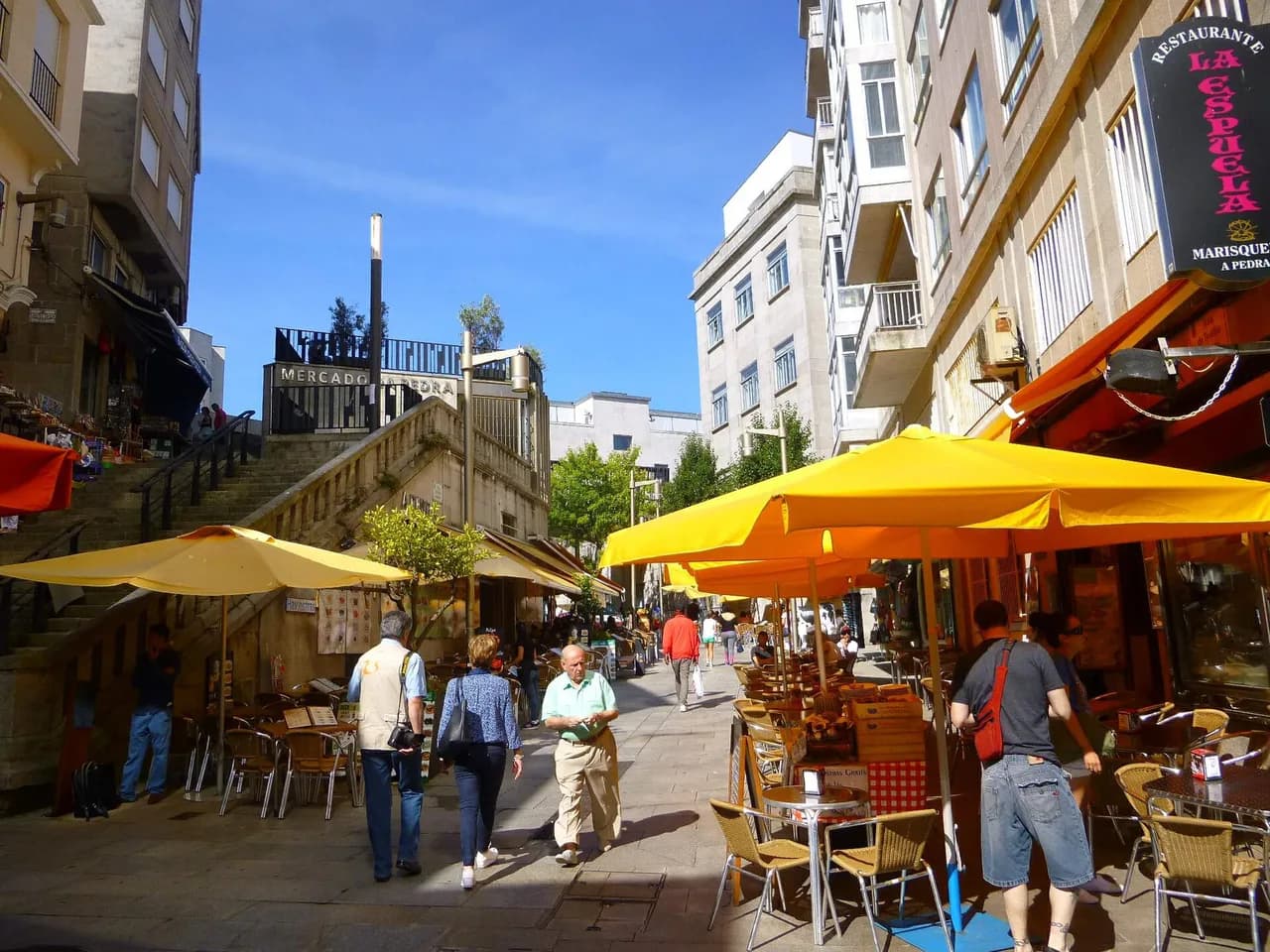
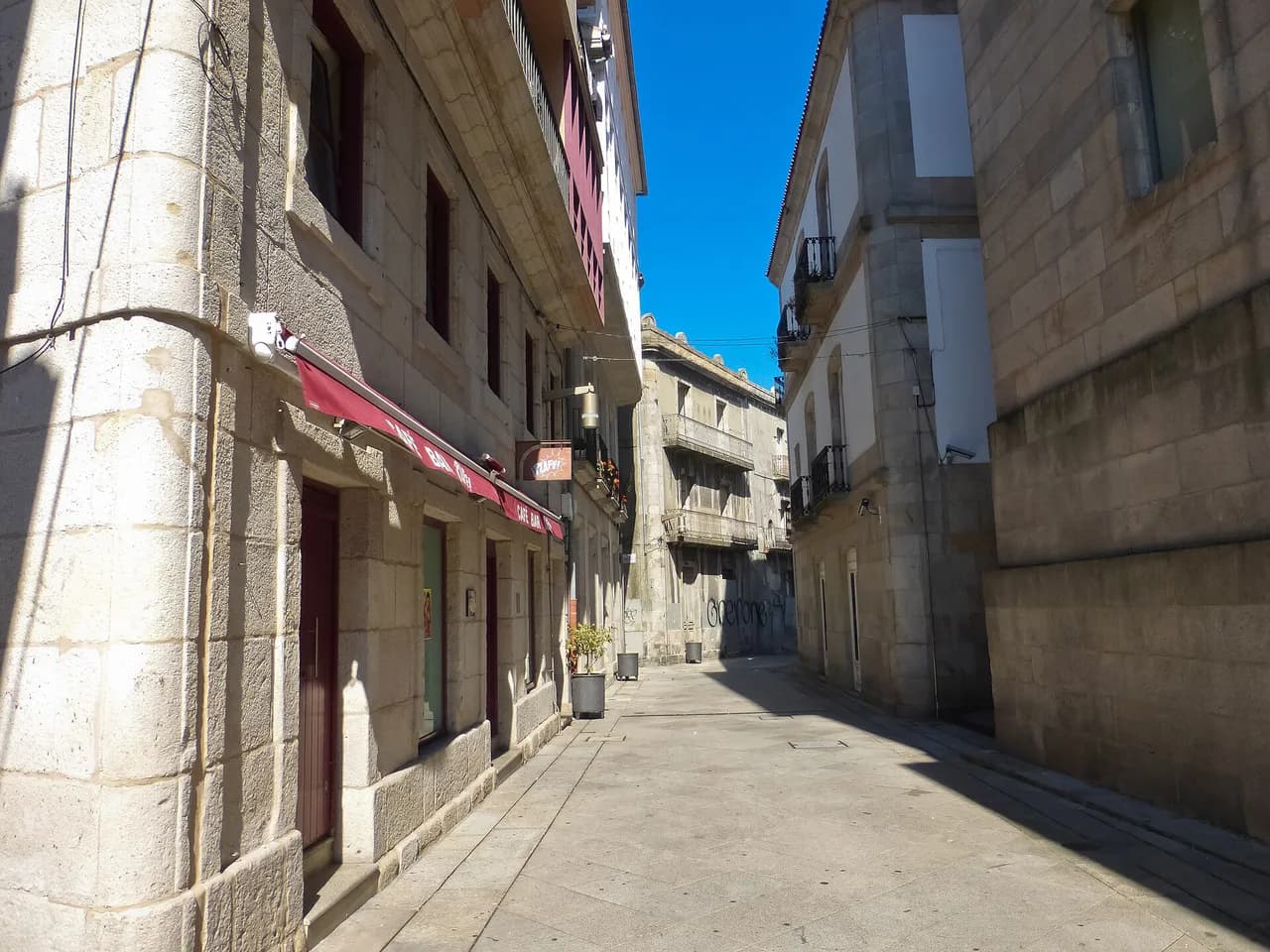
The old town, Casco Vello, grew around the fishing port and remains a compact knot of stone streets, small squares and local shops. The Concatedral de Santa María, a 19th-century church, stands near the waterfront, and the Plaza de la Constitución is the main square. Allow about 1.5 to 2 hours at a relaxed pace.
Seafood is the reason many passengers linger. The Mercado da Pedra is known for oysters and small local stalls, and in the old town the Calle de las Ostras is lined with sellers shucking locally harvested oysters to eat with lemon and a glass of Albariño.
Castelo do Castro: climb or ride to the top
Castelo do Castro sits on the hilltop above the city, and the reward is the best panorama in Vigo, including a straight-down view of your own ship in the bay. The fort gardens and battlements are free to enter, and information plaques with QR codes translate the site's history into English.
On foot it is a genuinely strenuous climb of roughly 40 minutes up steep, winding paths and stair flights, so treat it as the day's main activity rather than a quick detour. If that sounds like too much, taxis and local bus tours wait outside the cruise terminal and will run you up to the fortress gates.
Rúa do Príncipe and the promenade
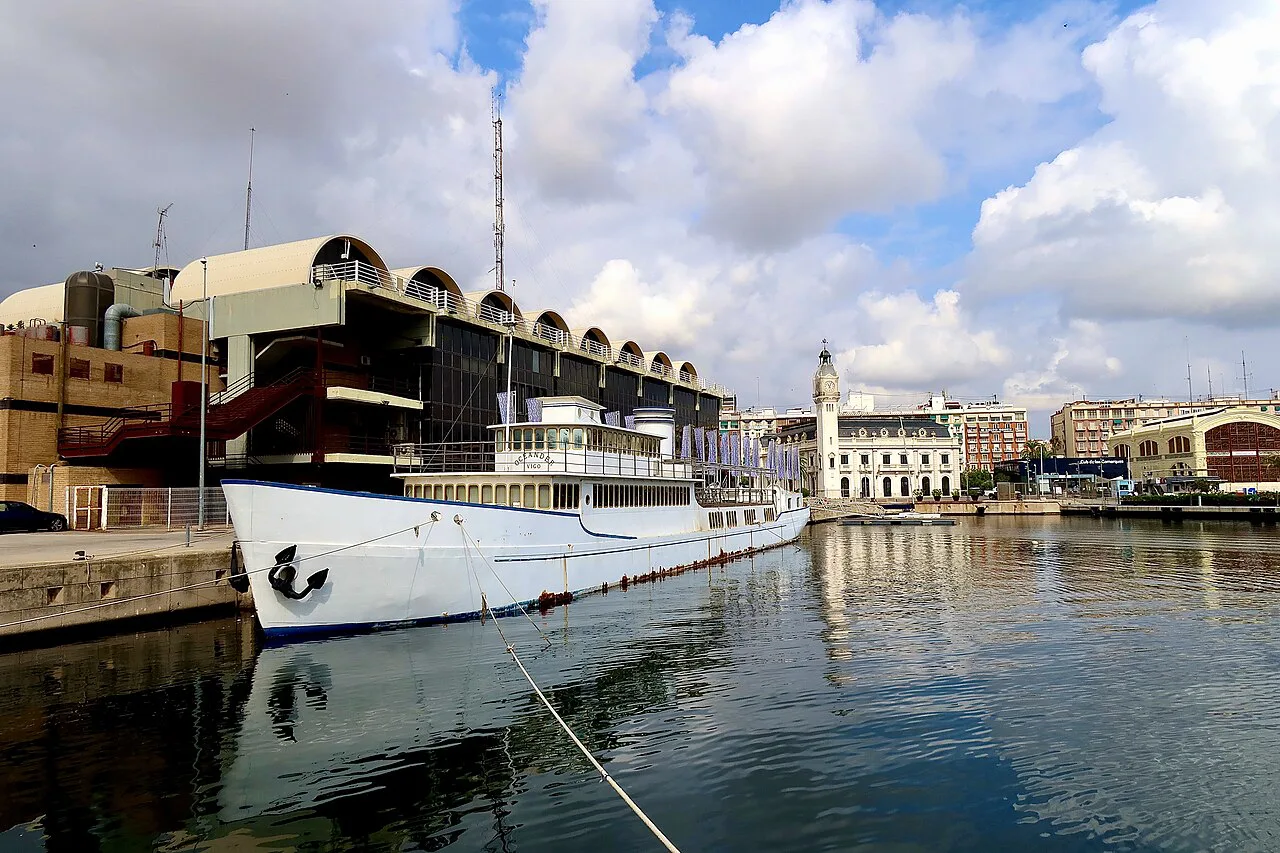
For flat, low-effort hours, the waterfront and the city center do the job. The promenade runs beside the marina, and Rúa do Príncipe is Vigo's main pedestrian shopping street, lined with high-street brands, Spanish boutiques and cafés. Budget 1 to 2 hours at a comfortable pace.
This is the plan for a short call, mixed weather or anyone traveling with a stroller or tired legs: everything is level, close to the gangway and easy to abandon if the rain sets in. Cards are widely accepted across the city, with euros useful for small market purchases.
Free things to do in Vigo
The fortress battlements, the harbor views and the Vigo Vertical escalators all cost nothing, which makes a genuinely full day possible without spending on admissions. The other free pleasure is local custom: in Galicia many traditional bars still serve a complimentary tapa with each drink, so a drink stop doubles as a snack.
Pair that with a wander through the old town's plazas and a walk along the marina, and the day's only real expense is lunch. Keep some small change handy for market stalls and street sellers.
Beyond the city: wineries and Santiago de Compostela
Two out-of-town options make sense when your call is long. Half-day tours into the Rías Baixas run roughly 3 to 5 hours including transport and a guided tasting of Albariño, the crisp white grown along this Atlantic coast; a tour removes the logistics of reaching scattered estates. If your itinerary also calls at A Coruña, the things to do in A Coruña from a cruise ship cover a similar port-day decision.
Santiago de Compostela is the bigger commitment at about an hour by road, which turns it into a full-day excursion rather than a morning outing. Cruise line coaches and independent guided tours both cover it, and Vigo Urzáiz has high-speed rail connections if you prefer to build the trip yourself.
Ferries to Cangas and the Cíes Islands
The ferry terminal is about a 2-minute walk from the cruise berth, which makes a boat trip unusually easy to slot in. Services run across the ría to Cangas and out to the Cíes Islands, part of the Atlantic Islands National Park, though departures and capacity vary by season and tickets are limited.
Cíes visitors must register for a visitor permit in advance, so this is not a spur-of-the-moment choice. Check sailing times and permit rules with the ferry operator before you commit, and leave a wide margin before all aboard on the return crossing.
Getting around Vigo
Taxis wait outside the terminal and are the simplest fix for the hill or for reaching Samil Beach, about 15 minutes away. Vigo has two rail stations: Guixar for regional services and Urzáiz for high-speed trains, both a short taxi ride from the berth, and timetables are on Renfe's site.
Within the center, walking beats everything else. The distances are short, the marina and shopping streets are level, and the only transport decision that matters is whether you take a taxi up to the castle or use the escalators.

Matching the day to your call length
On a short call of 4 to 5 hours, stay in the city: the waterfront, Rúa do Príncipe and the lower old town fill the time without rushing, and you keep a comfortable buffer before all aboard. A typical 6- to 8-hour call leaves room for the old town plus either the castle climb or a half-day winery tour.
With 8 hours or more, Santiago or a relaxed combination of castle, old town and a long seafood lunch becomes realistic. Whatever you plan, work backward from the published all-aboard time and keep the last hour free for the walk back to the ship.
Ship tour versus going independently
Inside Vigo, independent exploring carries little risk because the ship is minutes from everything you are likely to visit. For Santiago or the wineries, the trade-off changes: a ship tour or a guided coach removes the transport planning, while a self-built train or bus trip puts the return timing in your hands with no guarantee the vessel will wait.
A practical middle path is a local tour company for the wine country, where tastings and transfers are bundled, and independent walking for the city itself. Either way, confirm the meeting point and return time before you set off.
Two short walks or one longer day out
If you want an easy day, choose two short walks: the marina promenade in the morning and the old town around lunch, using the escalators to gain height without committing to the fortress. If you want the day's single memorable moment, make it Castelo do Castro and let the climb set the rhythm of everything else.
Longer calls can support one bigger outing, so pick Santiago for architecture and pilgrimage atmosphere or the Rías Baixas for wine and coastal scenery rather than trying to squeeze both. Vigo is an easy, rewarding port precisely because the city plan and the excursion plan do not compete for the same hours.
Plan Your Port Day
Decide before you disembark whether the day is about the city or the region. City days run on foot from the Muelle de Trasatlánticos with the escalators and the old town doing most of the work; regional days need a booked tour and a hard look at the clock.
Wear shoes for cobbles, carry a light layer for Atlantic weather that changes quickly, and build in time for one unhurried drink with a free tapa. That, more than any single sight, is what a Vigo port day does best.
Frequently Asked Questions
Can you walk into Vigo from the cruise port?
Yes. Ships dock at the Muelle de Trasatlánticos in the city center, and the marina, waterfront promenade and shopping streets are immediately outside the terminal. The old town is roughly a 5- to 10-minute walk, with the final stretch uphill.
How far is the old town from the cruise terminal?
Casco Vello is about 5 to 10 minutes on foot from the berth. The route is straightforward, but the last section climbs; the A Laxe shopping center elevator offers a step-free way to reach the upper level.
How do you get to Castelo do Castro from the cruise port?
The independent route is a steep, strenuous walk of roughly 40 minutes up paths and stairs, which can be shortened by using the free Vigo Vertical escalators. Taxis and local bus tours outside the terminal will also take you to the fortress gates.
Are the Vigo Vertical escalators free?
Yes, they are free for locals and visitors. They are covered and run only uphill, so you walk back down through the old town rather than riding down.
How much time do you need in Vigo?
About 3 to 5 hours covers the waterfront, the shopping street and the lower old town at a relaxed pace. Add two or more hours for the castle climb, and treat Santiago de Compostela or the wineries as full- or half-day plans.
Is a Santiago de Compostela day trip realistic from Vigo?
It is realistic on a long call, since the journey takes roughly 1.5 hours each way by road. Guided coach tours are the simplest option; high-speed trains from Vigo Urzáiz serve independent travelers.
Should you book a shore excursion in Vigo or explore independently?
Exploring the city independently is easy because everything is close to the ship. A tour makes more sense for Santiago or the Rías Baixas wineries, where transport logistics and return timing matter more.
What can you do in Vigo for free?
Entry to the Castelo do Castro gardens and battlements costs nothing, the Vigo Vertical escalators are free, and the waterfront promenade and old town streets are open to all. Many bars still serve a complimentary tapa with a drink.
Sources
Port-day notes for your next cruise
Optional updates to our port guides.
You might also like

Continue reading
More guides you'll find useful