Venice Cruise Port Parking: Where to Leave the Car
Venice cruise parking comes down to Piazzale Roma, Tronchetto, Mestre or Porto Marghera, then a bus, train or people mover leg to the ship.
On this page
A Venice cruise day or turnaround starts with a decision most passengers do not expect: the car cannot go all the way to the historic centre, so parking and the last leg to the ship are two separate choices. Piazzale Roma, Tronchetto, Mestre and Porto Marghera each sit at a different point on the road network, and the berth your ship uses decides which of them saves you the most effort. This guide treats those as four distinct decisions so you can match a car park to your ship, your luggage and your schedule.
Venice rewards passengers who keep the final transfer simple. If you drop the car at the lagoon edge you trade a higher premium for the shortest luggage leg; if you leave it in Mestre or Marghera you trade a bus or train ride for the convenience of arriving by road from the mainland. Cruise passengers should know the ship's boarding arrangements and the terminal named on their documents before booking anything, because the berth, not the city, is what shapes the day.
Where Venice cruise ships dock and why it shapes your parking
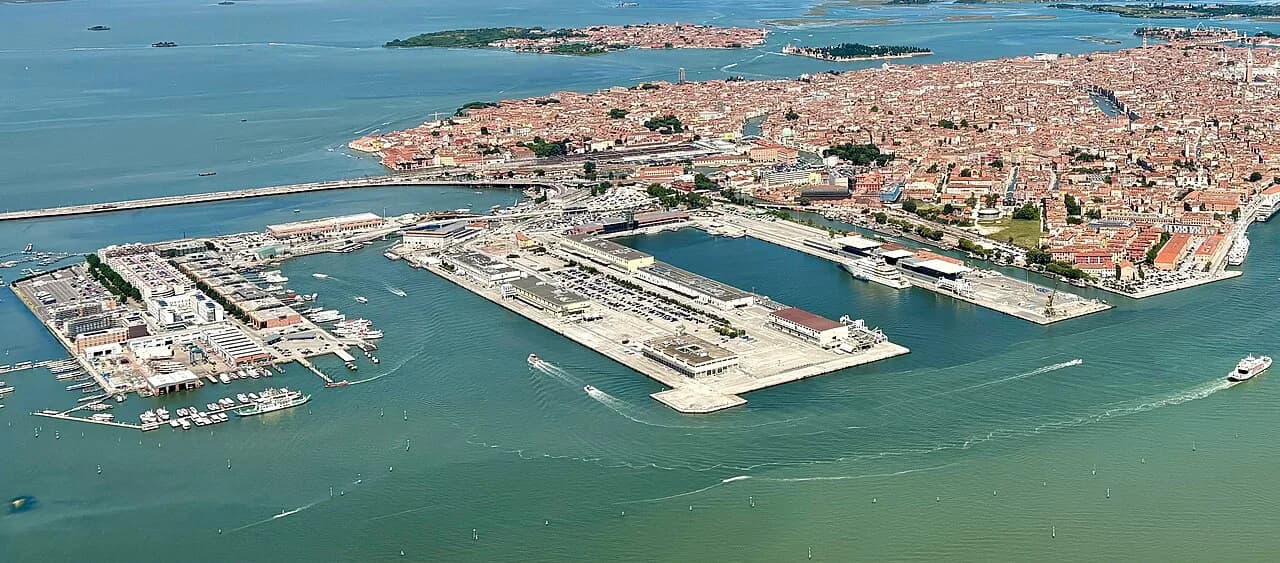
Cruise ships calling at Venice use the port's passenger facilities, and the terminal your ship is assigned to determines which side of the lagoon you should park on. Check the embarking terminal on your cruise line's travel documents before booking, because a berth on one side of the water makes a Piazzale Roma garage sensible while another pushes you toward the mainland. The broader cruise port layout is worth reading before you decide.
Because the historic city has no roads for private cars, every Venice parking decision ends with a transfer leg — on foot, by people mover, by bus, by train or by water. Passengers with heavy cases should count that leg as part of the parking cost, not as an afterthought. A garage closer to the water usually wins for a family with four suitcases and a pushchair, even before any fee comparison.
The parking zones in plain terms
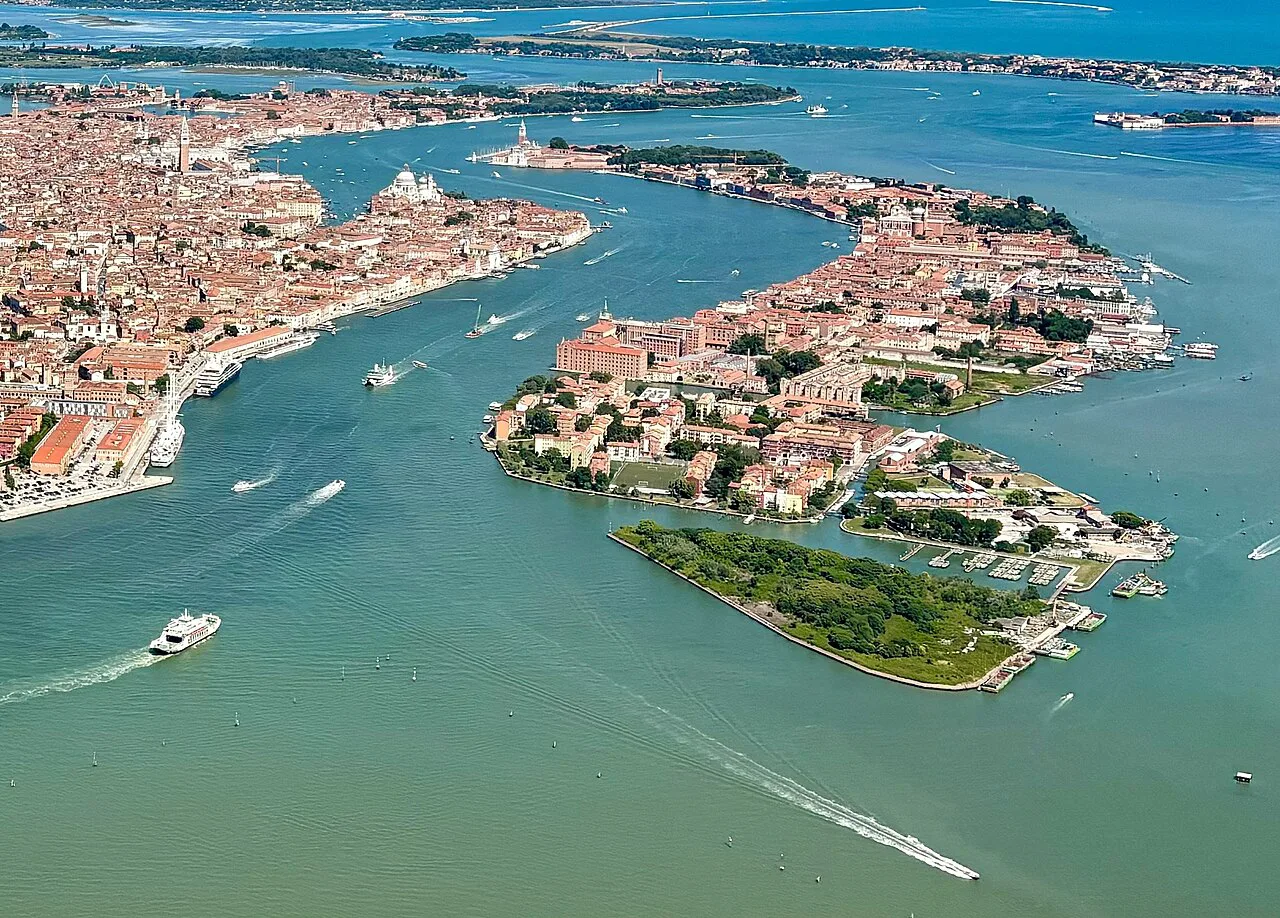
Think of four bases. Piazzale Roma is the road gateway at the edge of the historic city, with garages a few steps from the pedestrian zone. Tronchetto is the artificial island just beyond it, linked to Piazzale Roma and the city by the people mover. Mestre sits on the mainland across the Ponte della Libertà causeway, and Porto Marghera is the industrial and commercial port area a little south of Mestre.
Each base trades distance against convenience. Piazzale Roma puts you closest to the historic centre and its garages, with the centre itself closed to vehicles. Mestre and Marghera are reachable by car from Mestre and from Marco Polo Airport, which makes them natural stops for drivers arriving from the mainland. The choice is really about how much luggage handling you want to do versus how far you are willing to drive before you stop.
Piazzale Roma: the closest garage to the lagoon and the city centre
Piazzale Roma is the square where the road network meets the historic city, and it is the base that removes the longest transfer from your day. Vehicles cannot enter the centre, so you park here and continue on foot or by water. That makes it the natural choice for passengers who want the shortest possible leg with cases, and for anyone planning to spend pre-cruise time in the city itself.
The square is connected to Mestre by the Ponte della Libertà, so drivers coming from the mainland reach it directly without navigating the city's water crossings. If your ship's terminal is on the lagoon side, the people mover and water links take you onward from here. Compare the terminal layout before committing, since the final leg differs by berth.
Tronchetto and the people mover link
Tronchetto is the island car and coach park just beyond Piazzale Roma, and the people mover connects it to the Piazzale Roma area and onward toward the port zone. Parking there keeps you out of the tightest city streets while still leaving a short transfer to the water. For a passenger who wants a single, simple car-to-terminal leg, this is the layout to weigh against a Piazzale Roma garage.
The practical trade-off is that you still handle your luggage on and off the people mover, so pack so that each person can manage their own case. Arrive with time to spare rather than cutting it fine, and use the terminal guide to see how the walk to your berth works once you are at the port.
Mestre and Porto Marghera: mainland bases with a rail or bus leg
Mestre is the mainland city on the far side of the causeway, and its car parks suit drivers arriving by motorway or from Marco Polo Airport who prefer to stop before the lagoon. From Mestre, connections into Venice run by road and rail, including the Venezia Mestre and Venezia Santa Lucia stations. The cost is a bus or train leg with your luggage instead of a short walk.
Porto Marghera is the part of the Port of Venice mainly given over to commercial traffic, sitting just south of Mestre. Public transport in Marghera is run by ACTV, connecting the port area to the Venetian lagoon, and the area has Venezia Porto Marghera station linking the industrial and residential zones with Venezia Mestre and Venezia Santa Lucia. That rail link is what makes a mainland base workable for a cruise departure.
Treat Porto Marghera as a road-and-rail base rather than a place to walk to a cruise berth from. Its nearest stations and bus routes put you onto the lagoon network, and from there you reach the terminal. Drivers who want the simplest arrival should compare this with a lagoon-edge garage before deciding.
Getting from your car park to the terminal with luggage
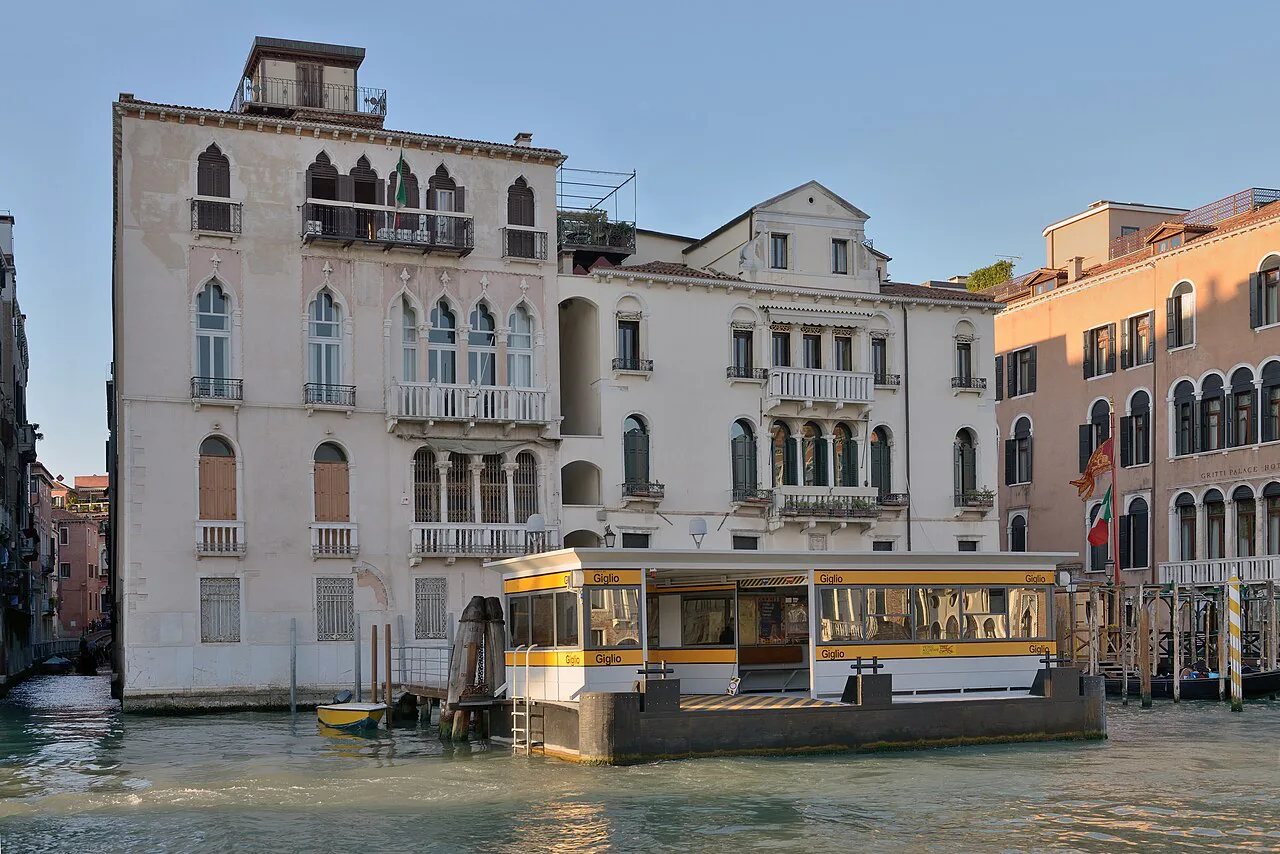
Plan the luggage leg before you book. From Piazzale Roma or Tronchetto you continue by foot, people mover or water; from Mestre you add a bus or train ride; from Porto Marghera you use the station and ACTV connections to reach the lagoon. A traveller with two large cases and a child should favour the shortest transfer, while a couple with backpacks can comfortably use the mainland rail link.
If you are arriving by air, drive or ride from Marco Polo Airport to the mainland or the lagoon edge first, then park, rather than attempting an airport-to-berth run with all your bags. The transfer options and where to meet them are covered in the airport transfer guide. Book the parking leg and the airport leg as one sequence so you are not improvising on the morning of embarkation.
Garage versus open-air lot versus valet
Covered garages protect the car from sun and rain and usually sit closer to the pedestrian zone, which shortens your walk but generally costs more than an open-air lot further out. Open-air mainland lots are the budget option and suit drivers who do not mind a bus or train leg. Valet services exist in the Venice parking market, and the trade-off is handing over the keys in exchange for a drop-off nearer your onward transport.
For a two-week cruise, covered parking is the safer bet against weather and bird droppings, and it keeps the car out of sight. Weigh that against the extra transfer if the covered garage is at the lagoon edge and your budget lot is in Mestre. The right answer depends on how much you value the car coming back clean versus how much luggage hauling you can face.
Covered parking when you are leaving the car for a long cruise
A multi-week cruise changes the calculation. Covered parking protects paint and interiors over a long sit, and a garage at Piazzale Roma or Tronchetto also gives you a short walk to the water on return day when you are tired. Reserve ahead for long stays, since the most convenient covered spaces are the ones most in demand.
Check what the garage includes before booking, such as whether the space is reserved and how you access the car on return. If your cruise ends at a different terminal from where it started, plan the return leg too. Compare the port layout so you know which side of the lagoon you need to reach on disembarkation day.
Driving in from Marco Polo Airport and where to stop first
Marco Polo Airport sits on the mainland, and the road route from it reaches both Mestre and the lagoon edge. If you are collecting a hire car at the airport, stop at a mainland car park or drive on to Piazzale Roma rather than circling the city. Book the airport-to-parking leg before you fly so you know which exit to take.
A common sequence is airport pickup, a short mainland stop, then parking at the lagoon edge and a transfer to the ship. That keeps the final morning simple. If you would rather sleep near the terminal the night before, look at hotels near the cruise port before fixing your parking base.
Drop-off, luggage handling and what to do with the car before check-in
On embarkation day, drive to your chosen base, unload the cases, then park. A lagoon-edge base puts you closest to the pedestrian zone, which shortens the walk with bags; a mainland base means loading the cases onto a bus or train. Do the luggage first so you are not hauling it back and forth across the water.
Once parked, follow the terminal signage and your cruise line's boarding instructions rather than improvising a route across the water. Keep the parking ticket or booking confirmation with your travel documents so you can retrieve the car quickly on return. If you are unsure where the ship is berthed, the terminal guide shows the layout you are heading into.
Parking for a port call rather than an embarkation
If you are visiting Venice by ship for the day, you are not parking a car at all, so skip the garage question entirely. The port day is about the transfer from the berth into the city and back before all-aboard. Use the cruise port guide to understand the terminal and onward links, then plan the day around the ship's schedule.
A day call rewards a tight, simple plan. Choose one or two sights, keep the return leg short, and build in a generous buffer before all-aboard, since the ship will not wait for late passengers. If you are travelling with a group, agree a meeting point and a return time before you split up.
How much time to build in before all-aboard or embarkation
Allow a substantial buffer on embarkation day: time to park, unload, transfer and check in, plus a margin for a delayed bus or a crowded people mover. Do not schedule the parking step for the last hour before boarding. Passengers who arrive early can absorb a hiccup; those who cut it fine cannot.
On a port call, work backwards from all-aboard rather than from the ship's advertised departure. Add the transfer time from the city to the berth and a cushion for queues, then decide how far to wander. The terminal guide helps you judge the onward leg.
Common mistakes with Venice car parking
The classic error is assuming you can drive to the gangway. The historic city is closed to vehicles, so parking is always followed by a transfer leg. Another is booking nothing and arriving on embarkation morning hoping for a space at the closest garage; reserving ahead is the safer habit for peak season.
A third mistake is underestimating luggage handling on the mainland rail link: Venezia Porto Marghera station connects to Mestre and Santa Lucia, but you still move the cases on and off. Finally, do not confuse a port-call day with a turnaround day — one needs no parking, the other is a logistics exercise. Plan the base, the transfer and the buffer in that order.
Plan Your Visit
Choose your parking base by matching it to the berth on your cruise documents, then count every leg with luggage: car to space, space to transfer, transfer to terminal. Piazzale Roma and Tronchetto shorten the final walk, while Mestre and Porto Marghera trade a bus or rail ride for mainland road access. Book ahead for long cruises and covered spaces.
Whatever you choose, arrive early on embarkation day and treat the transfer as part of the journey, not a surprise. If you are comparing this port with others on your itinerary, the Civitavecchia guide shows a similar decision with a different geometry. Drivers weighing lagoon-edge garages against mainland lots with a longer transfer will find the same trade-off laid out in this guide to genoa cruise port parking.
Frequently Asked Questions
Where do cruise ships port in Venice, Italy?
Cruise ships use the port's passenger facilities, and your cruise line's travel documents name the terminal you are assigned to. Check that document before booking parking, because the berth decides whether a lagoon-edge garage or a mainland base makes more sense.
Is there parking at the Venice cruise terminal?
Cars cannot reach the historic centre, so parking sits at the road edge and on the mainland, followed by a transfer leg. Piazzale Roma and Tronchetto are the closest bases to the water, while Mestre and Porto Marghera sit across or near the causeway.
Should I park at Piazzale Roma or in Mestre for a Venice cruise?
Piazzale Roma shortens the walk and luggage handling but sits at the lagoon edge. Mestre and Porto Marghera are mainland bases reached easily by road from the airport and motorway, with a bus or rail leg added afterward. Choose based on how much luggage you will carry.
How do I get from Piazzale Roma to the cruise ship with luggage?
Continue on foot or by people mover from the square, then follow the terminal signage for your berth. Keep each case manageable because you will handle it during the transfer. Allow extra time and arrive early rather than at the last minute.
Can I park at Tronchetto and walk to the ship?
Tronchetto is the island park beyond Piazzale Roma, and the people mover links it to the Piazzale Roma area and onward toward the port zone. You still have a transfer leg with your luggage, so plan the final walk using the terminal layout.
How early should I arrive at parking before embarkation in Venice?
Build in time to park, unload, transfer and check in, plus a cushion for delays on the bus, train or people mover. Do not leave parking for the last hour before boarding. On a port call, work backwards from all-aboard and add a buffer for the return leg.
Sources
Port-day notes for your next cruise
Optional updates to our port guides.
You might also like
Continue reading
More guides you'll find useful