Venice Shore Excursions: Planning a Port Day in Venice
Plan Venice shore excursions around the berth you actually use, comparing ship tours with independent time at St Mark's, on the lagoon islands and beyond.
On this page
A Venice port day can mean stepping off the gangway a short walk from the Zattere, or starting with a boat or bus transfer from the mainland before you have seen a single canal. The difference is the berth, not the brochure, and it shapes how much of St Mark's Square, the Doge's Palace or the lagoon islands you can realistically fit in. This guide is for passengers on a fixed all-aboard time who want to choose between the ship's excursion, a local operator and a do-it-yourself day on evidence rather than guesswork.
Where ships dock in Venice
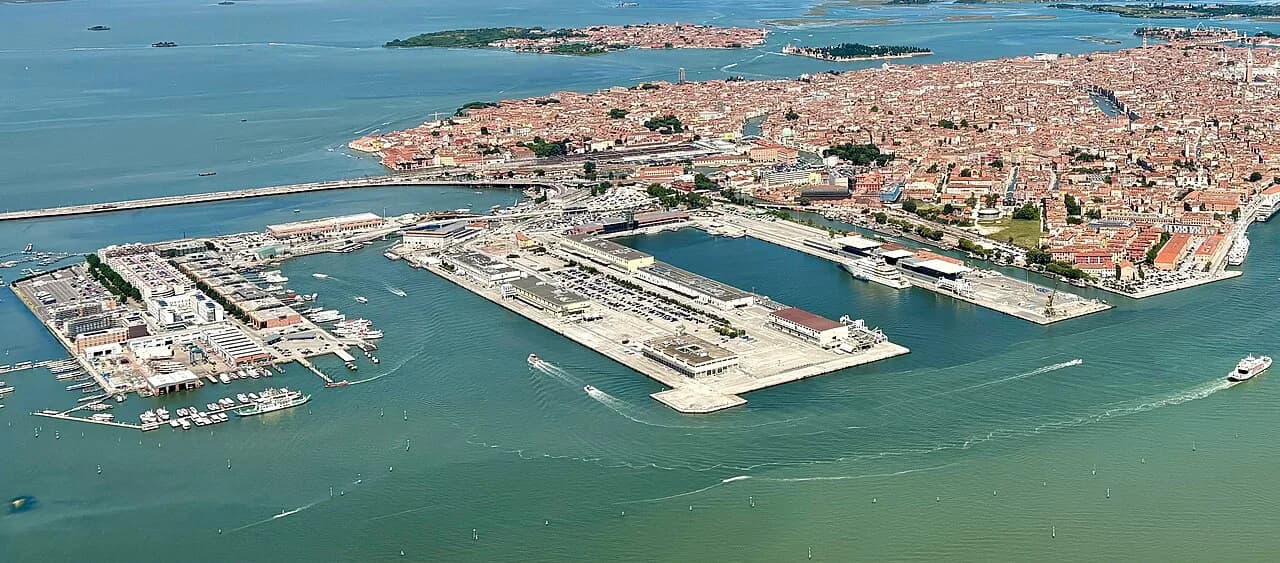
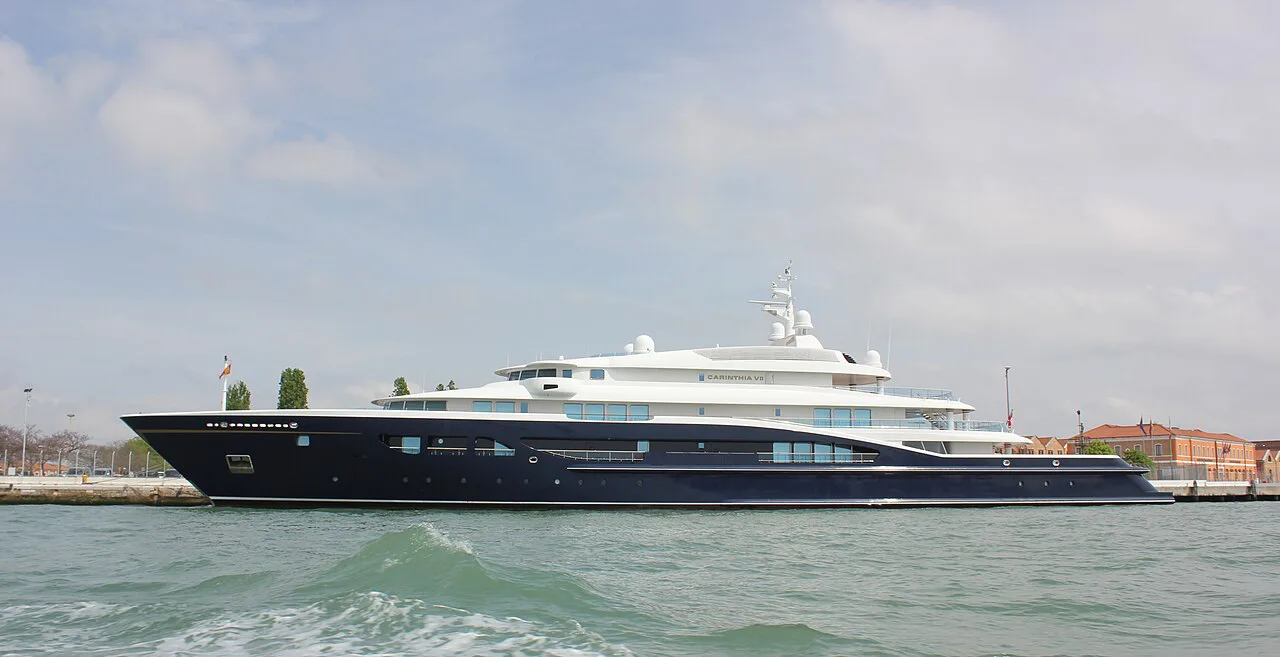
The port of Venice spreads across several distinct areas. The city-side cruise complex at Marittima holds the main passenger terminals and the largest quays, with smaller berths at Santa Marta and San Basilio, while the mainland terminals at Marghera and Fusina handle ships that do not come into the historic city. Venezia Terminal Passeggeri S.p.A. (V.T.P.), which runs the city terminals, describes ten multifunctional terminals and six dedicated cruise quays across Marittima, Santa Marta and St. Basilio, set within a short walk, boat ride or drive of central Venice.
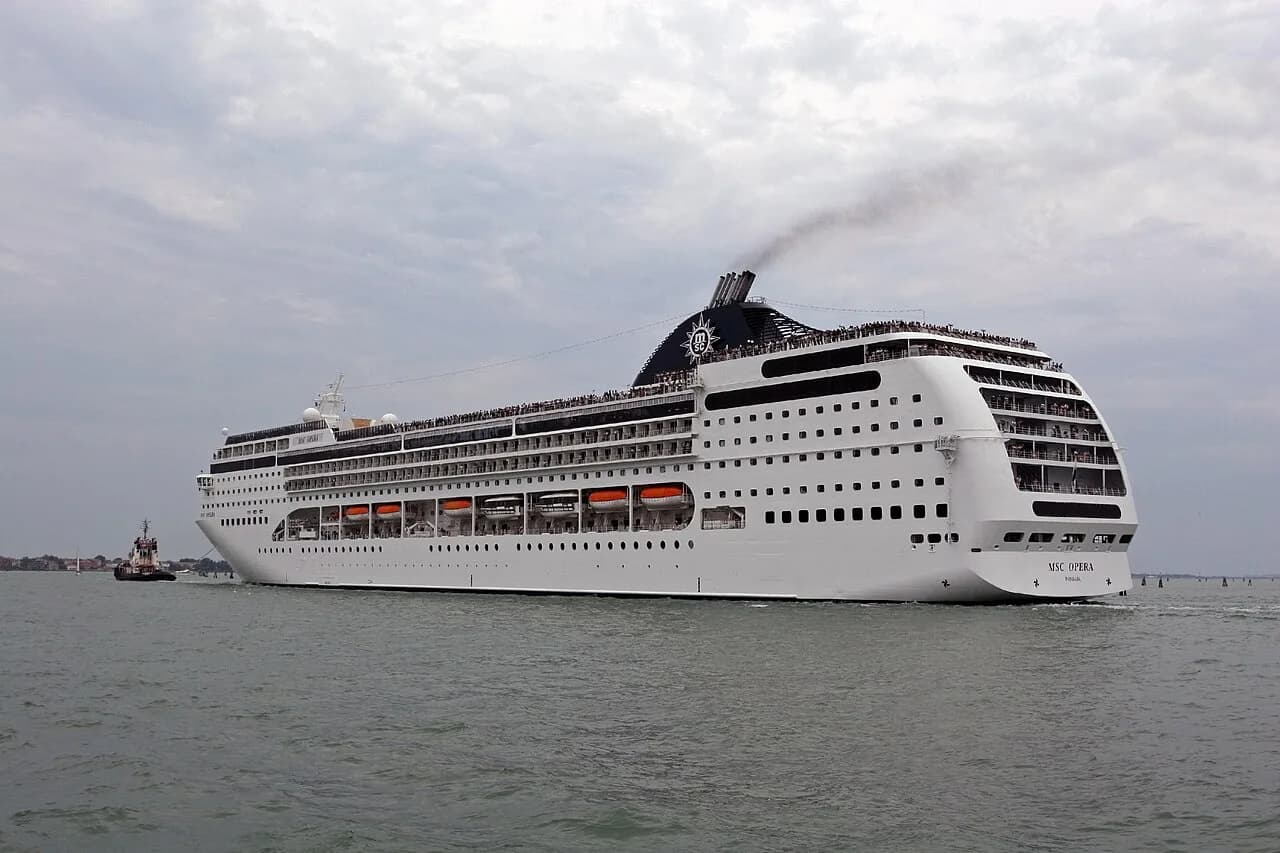
Do not assume your ship will be at Marittima. Since July 2021 Italy has banned vessels over 25,000 GT from entering the lagoon, so big ships are handled on the mainland, and Marghera's provisional cruise berth was inaugurated in April 2022 for liners that cannot use the city terminals. Fusina, roughly 9 km southeast of Marghera on the mainland, is used by some ships as an alternative to downtown, with passengers transferring to Venice by shuttle, boat or organized excursion.
Your cruise line's port information is the only reliable source for your own berth, so treat the terminal name on your daily programme as the starting point for planning. A city-terminal call and a Marghera or Fusina call produce very different days, and the transfer time in each direction should be subtracted from your hours ashore before you commit to a tour or a timed ticket. The full venice cruise port guide sets out each terminal in more detail.
Santa Marta and San Basilio: the walk-in berths
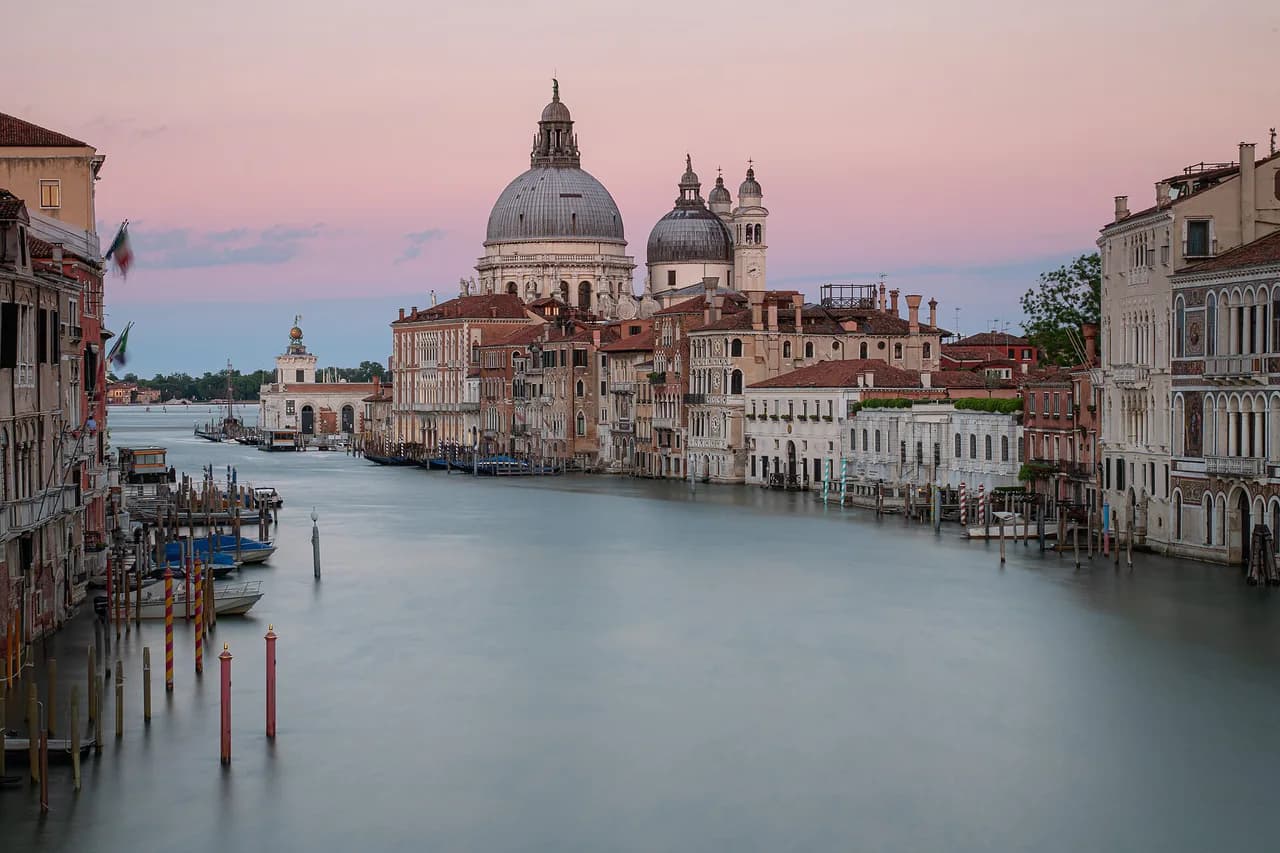
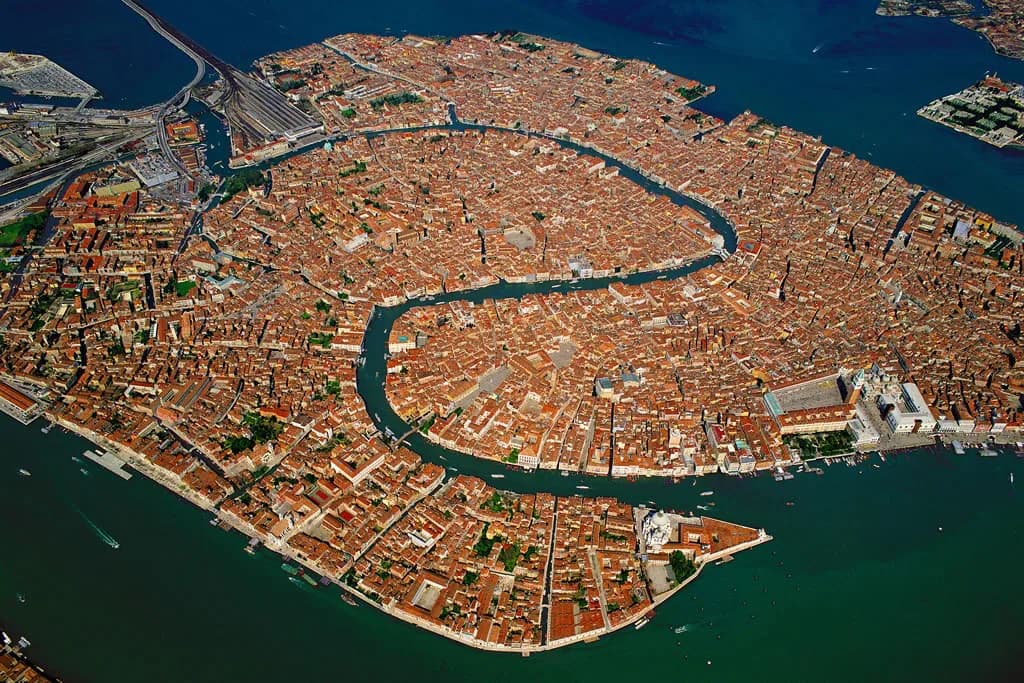
If your ship ties up at Santa Marta or San Basilio, you are on the western edge of the historic city, close to the Zattere waterfront and the Dorsoduro district. These are the smaller-ship berths, with San Basilio using berths 29 to 31 and Santa Marta using berths 24 to 28, all along the Giudecca Canal. From here you can walk into Dorsoduro without any transfer, which makes a short call far more productive.
Dorsoduro rewards an early start: the Accademia galleries, the Peggy Guggenheim Collection and the broad Zattere promenade are all within walking distance of these berths, and the Accademia Bridge crosses into San Marco. A sensible plan is to walk east along the Zattere, cross at the Accademia and reach St Mark's Square on foot before the day-trip crowds build. Save the vaporetto for the return leg or for an island trip.
The trade-off is that these berths suit smaller vessels, so anyone on a large ship should expect a different starting point. Confirm the berth with your cruise line and use the Venice Cruise Terminal Guide to see how each quay connects to the city.
Marittima: exits, people movers and boats
Marittima is the big city-side complex, and its size is the main practical issue. V.T.P. places central Venice about 500 m away and the airport about 13 km away, with parking, taxi and coach areas and luggage drop-off inside the port. That 500 m figure is measured to the edge of the historic city, not to St Mark's Square, so budget a further walk or a boat ride once you are through the terminal.
From Marittima, the realistic choices are walking via Piazzale Roma, taking a land taxi or people mover toward the road gateway, or using a water taxi or shuttle boat from the port area. Water transport is faster to St Mark's but costs more; walking via Piazzale Roma is cheapest but adds distance through ordinary streets before the scenery begins. Decide based on your first fixed time, such as a pre-booked Doge's Palace slot.
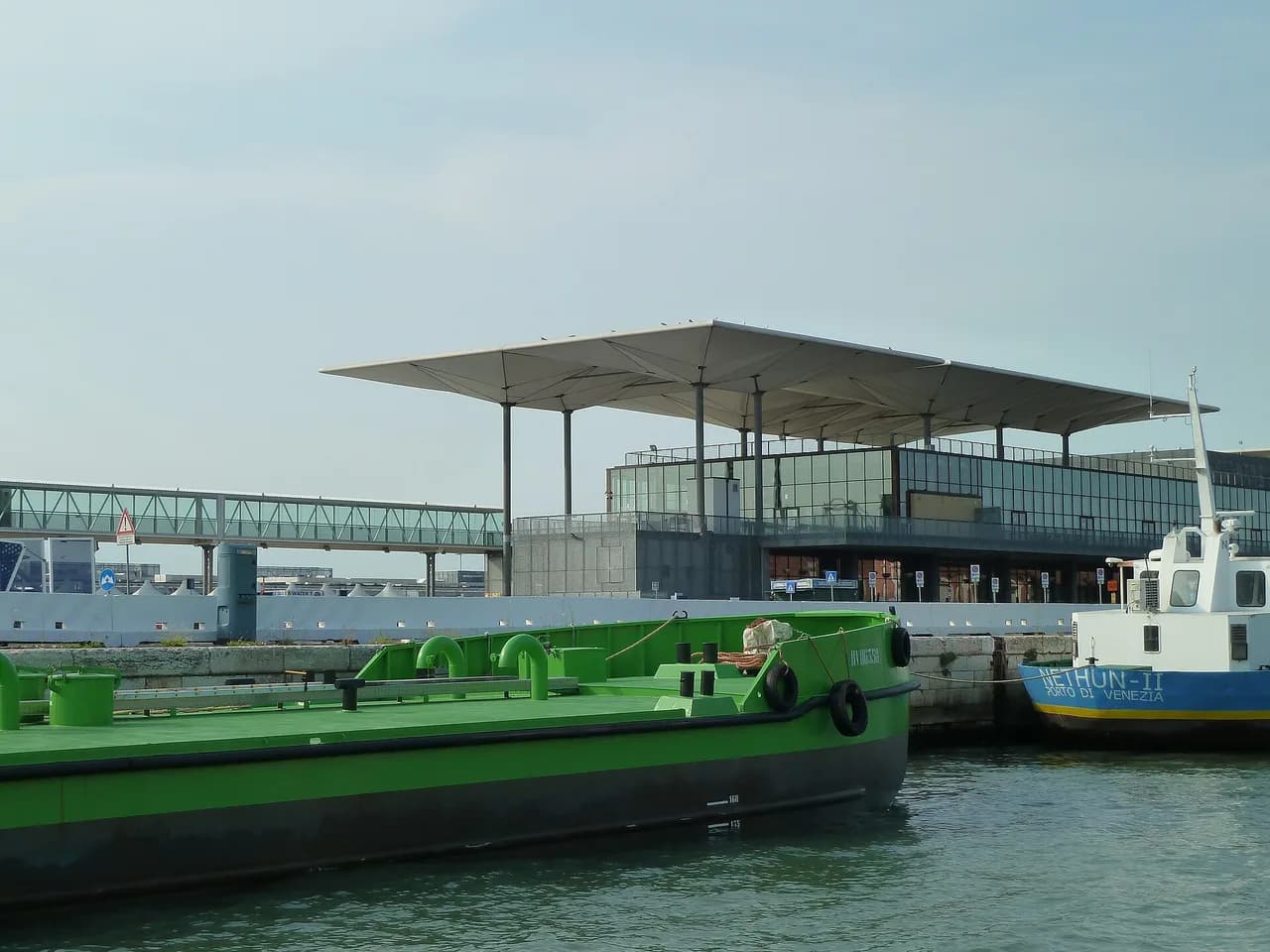
The terminal area also handles river cruise ships and seasonal catamarans and hydrofoils to the Istrian Peninsula, so the quayside can be busy with several groups at once. Allow ten to fifteen minutes simply to get from the ship to the terminal exit before you count transfer time. The venice cruise terminal page covers the layout in more detail.
Marghera and Fusina: the transfer changes the day
A call at Marghera or Fusina puts you on the mainland, and the transfer into Venice becomes the fixed cost of the day. Fusina sits about 9 km southeast of Marghera, and passengers reach Venice by shuttle, boat or organized excursion from the terminal. That means every hour in the city is bracketed by a transfer out and a transfer back, which you cannot compress by walking faster.
On a mainland call, the ship's own excursion earns its premium more clearly than it does at Marittima. The cruise line's transfer, timed to the ship, removes the risk of a delayed boat or bus, whereas independent travelers must build a generous buffer into both legs. If you go independently, pick one area rather than trying to see St Mark's, the Rialto and the islands in the same day.
It helps to think of a Marghera or Fusina call as a Venice day with a commute. Choose between a concentrated city visit and a lagoon-islands visit, and accept that the mainland transfer uses a meaningful slice of a short call. For ships that still use the city terminals, the venice cruise port guide explains why the arithmetic is so different.
St Mark's Square and the Doge's Palace on your own
St Mark's Square and the Doge's Palace are the headline sights, and they work well as an independent day if you start early and keep the plan tight. The palace, the basilica and the square sit together, so once you arrive you can cover them without further transport, but the crowds and security queues are the real constraint. A pre-booked timed entry for the palace is the single most useful thing you can arrange before the port day.
The walk from the Zattere and Accademia through Dorsoduro and over the Accademia Bridge is one of the most rewarding approaches, and it delivers you to the square without a vaporetto ticket. From Marittima, the same walk is longer and less scenic, so a water transfer to the San Marco area is often the better use of a short call. Either way, aim to be in the square early and leave the Rialto Bridge and shopping streets for the middle of the day.
A common mistake is adding the basilica, the palace and a gondola ride to a call of six or seven hours. Choose two of the three, and treat the third as a bonus only if the queues are short. The walk back to the berth or the boat landing must be counted separately, especially if you are returning to a mainland terminal.
Vaporetto and water taxi basics
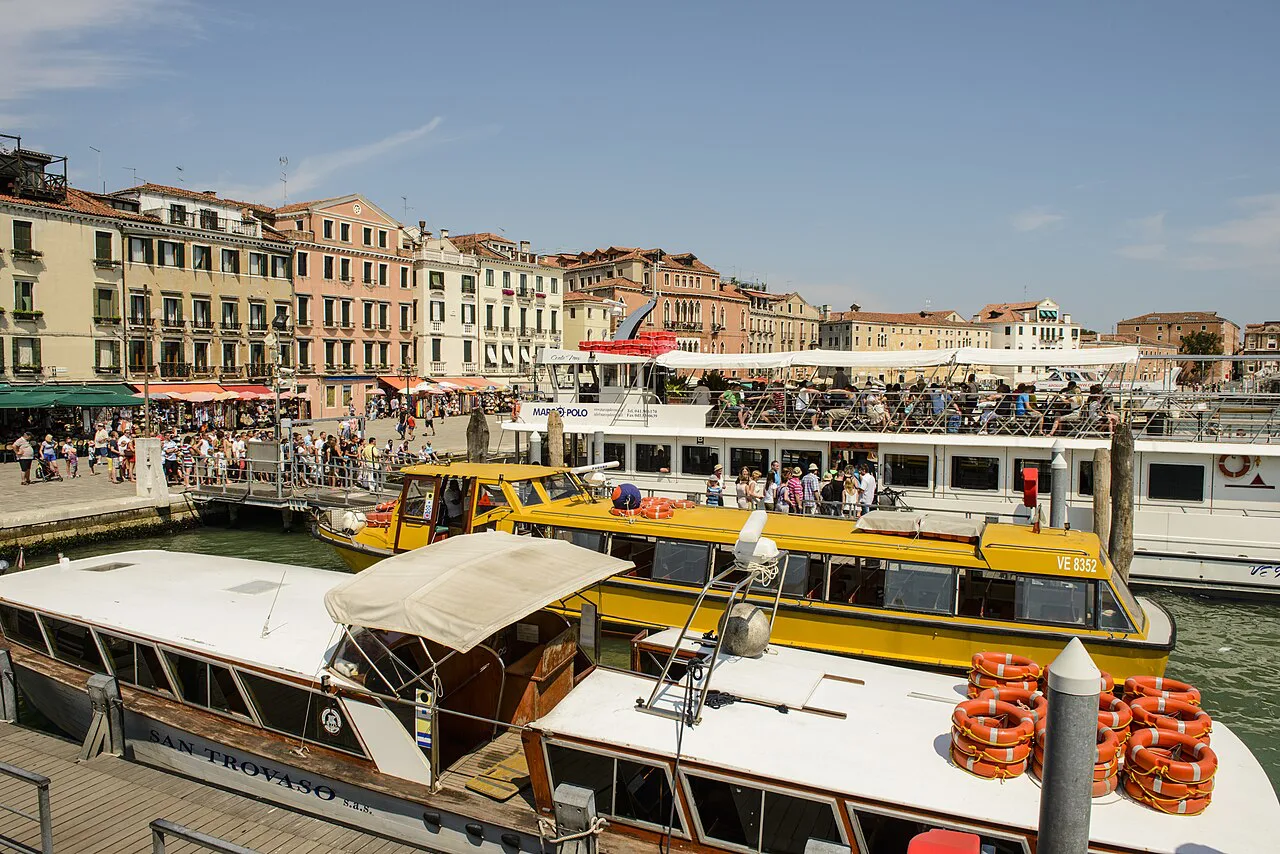
Venice's public waterbuses, the vaporetti, are the workhorse for independent sightseeing and for reaching Murano and Burano. They run on fixed routes along the Grand Canal and out to the lagoon islands, with stops at key points including Fondamente Nove, which Royal Caribbean names as the departure pier for the Burano and Murano run. Buy tickets before boarding at the ticket machines or counters, and validate them at the landing.
Water taxis are the fast, private alternative, useful when time matters more than money, for example a direct run from the port area to St Mark's on a short call. They are also the sensible choice for a group splitting the cost. The trade-off is cost against time, and on a busy day finding an available taxi at a small landing can take longer than expected.
For the islands, think in terms of a half-day rather than an add-on. Murano and Burano sit on separate routes beyond the city, and the vaporetto ride from Fondamente Nove is the standard approach. Trying to combine them with St Mark's and the Doge's Palace in one port call usually means short-changing all three.
Murano, Burano and Torcello: a lagoon-islands day
The lagoon islands make the best alternative to a city day, especially on a repeat visit or a call of eight hours or more. Burano is known for its colored houses and lace tradition, Murano for its glass workshops, and Torcello for its basilica and quieter atmosphere. The classic route is a short vaporetto ride from Fondamente Nove to Burano, with a stop at Murano on the way back, and Royal Caribbean describes this as an easy day trip before boarding.
Glass workshops on Murano often ship purchases worldwide, which solves the packing problem but adds a stop to arrange. Allow time for a demonstration rather than just a shop visit, and keep an eye on the clock because the return vaporetto can be crowded in the afternoon. On a mainland call, an islands day may not fit at all once the transfer to and from the city is included.
If you only have a short call at a city terminal, pick one island rather than two. Murano alone is the closest and quickest, while Burano and Torcello reward a longer half-day. Check the vaporetto line and journey times when you buy your ticket, since they set your return time.
Verona, the Dolomites and Slovenia: long-call options only
Verona is about 90 minutes from Venice by train, making it the most practical inland option for a long port call. The Arena, the historic center and the Romeo and Juliet sights are all walkable from the station, but the rail legs in each direction and the walk to and from the station consume a large part of the day. This is a plan for a call of ten hours or more, and ideally as a ship excursion so the transport is handled.
The Dolomites, with Cortina d'Ampezzo and the Tre Cime di Lavaredo, are a road trip rather than a port-day outing, and Royal Caribbean recommends at least one overnight for a full experience. Slovenia, including Ljubljana, Lake Bled and Piran, is described as a few hours from Venice and works best as a pre- or post-cruise extension. The same road-time arithmetic governs excursions from Livorno port to Florence and Pisa, so the trade-off between distance and hours ashore is not unique to Venice. For a single port call, none of these replaces a day in Venice itself.
The same logic applies to other long excursions elsewhere: for example, excursions from Messina port to Mount Etna depend on road time in the same way, and the arithmetic is unavoidable. Treat any long inland option as a whole-day commitment and check the return leg carefully before booking. A ship excursion is the safer container for that kind of distance.
Ship excursions vs. local operators vs. going independent
The three approaches differ mainly in who absorbs the risk of a delay. A ship excursion is timed to the vessel and is the default choice for long-distance days such as Verona or the Dolomites, where a missed return would be serious. Local operators offer smaller groups and more flexibility, and they work well for Venice itself and the lagoon islands, where the distances are short and the transport is frequent.
Going independent is best when you are docked at a city terminal and plan to stay within walking or vaporetto distance. It is cheapest and most flexible, but the entire return buffer is yours to manage. No operator and no cruise line can guarantee the ship will wait for independent travelers, so build the buffer into your own plan.
A hybrid plan often works best: book the ship's transfer or excursion for the outbound leg on a mainland call, then explore independently within the city before returning on the organized transport. That way the fixed risk is handled and you keep the freedom to choose your route.
Fitting a plan to a 6-, 8- or 10-hour call
The published time alongside is not the time you have ashore, because disembarkation and the return queue consume part of it. At a city terminal, a six-hour call realistically gives about four hours in Venice, enough for St Mark's Square and the Doge's Palace or a half-day on Murano. An eight-hour call allows the square, the palace and a walk to the Rialto, or a fuller lagoon-islands day.
A ten-hour call at a city terminal opens up either the islands plus the city or a long day on foot across Dorsoduro, San Marco and Cannaregio. At Marghera or Fusina, subtract the transfer in both directions, which turns a ten-hour call into something closer to a seven- or eight-hour city day. Plan around the city-terminal or mainland distinction first, and the sights second.
For a short call, staying in the historic city is almost always the better use of time, because the transport overhead is lowest. For a long call, the islands or a Verona day become realistic, but only one of them. Write down your all-aboard time before you leave the ship and work backwards from it.
Return buffer: when to head back
The return buffer should match the transport you are using and whether you are heading to a city terminal or the mainland. From a city terminal, leaving the San Marco area about an hour before all-aboard usually covers the walk or vaporetto back plus the terminal walk. From Marghera or Fusina, add the transfer time and leave earlier, because the shuttle or boat run plus the terminal walk cannot be shortened.
Vaporetti and water taxis are weather- and traffic-dependent, so on a windy or rainy day add time rather than cutting it. The same applies during high-water periods, when raised walkways slow pedestrians in low-lying parts of the city. On a ship excursion the crew manages the timing, but check current all-aboard times with your cruise line before heading off on your own.
If you are combining a Venice port day with a hotel stay, the hotels near venice cruise port page covers practical pre- and post-cruise bases. The venice airport to cruise port page is useful if you are flying in or out around the cruise.
Who each style of Venice shore excursion suits
First-time visitors to Venice should prioritise St Mark's Square, the Doge's Palace and a walk through Dorsoduro, ideally from a city terminal. Repeat visitors can use the port day for Murano and Burano, or for a slow walk through Cannaregio and the Rialto market. Families often prefer the lagoon islands, where the pace is slower and the sights are more visual.
Travelers on a mainland call, or those who dislike managing transfers, should lean toward a ship excursion for the outbound leg and keep the city portion independent. Independent travelers confident with vaporetti can handle a city-terminal day entirely on their own. Anyone wanting Verona or the Dolomites should book the ship excursion unless the call is unusually long.
The common thread is to match the plan to the berth and the hours, not to the headline sights. A well-chosen short day in Venice beats a rushed attempt to see everything. from the Venice Cruise Port to the Train Station page helps if you plan to continue by rail after the cruise.
Plan Your Venice Port Day
The most useful thing you can do before a Venice port call is find out which terminal your ship uses, because that single fact decides whether you walk into the city or spend part of the day on a transfer. From there, pick one anchor sight or one island group, build the return buffer around your transport, and leave the rest for another visit. Venice rewards a focused plan far more than a packed one.
Frequently Asked Questions
Can you walk from the Venice cruise terminal into the city?
From the city-side berths at Santa Marta and San Basilio, the walk into Dorsoduro and toward the Zattere is short and straightforward. From Marittima, the historic city edge is close, but St Mark's Square is a longer walk or a boat ride away. From Marghera or Fusina, you need a shuttle, boat or organized transfer because you are on the mainland.
Are large cruise ships still docking in central Venice?
Large ships are handled outside the historic city following the 2021 lagoon ban, with mainland terminals such as Marghera and Fusina used instead. Smaller vessels can still use the city-side quays at Marittima, Santa Marta and San Basilio. Your cruise line's port information confirms your own berth.
How do cruise passengers get from Marghera or Fusina into Venice?
Passengers transfer by shuttle, boat or organized excursion from the mainland terminal into the city. The cruise line runs the transfer, and the journey time in each direction should be subtracted from your available hours ashore. Independent travelers should build a buffer into both legs.
What can you see in a few hours in Venice?
On a short call at a city terminal, St Mark's Square and the Doge's Palace are realistic, with a walk through Dorsoduro if you start early. Murano alone is possible if you skip the palace. Trying to add the Rialto, the basilica and the islands usually means rushing all of them.
Should you book a ship excursion or explore Venice independently?
A ship excursion is the safer choice for long-distance days such as Verona or the Dolomites, where a delay would be serious. Independent days work well from city terminals, where distances are short and vaporetti are frequent. On a mainland call, many passengers use the ship's transfer for the outbound leg and explore independently in the city.
How long does it take to reach Murano and Burano from the cruise port?
The vaporetto to Murano and Burano departs from Fondamente Nove, which you reach by walking or by waterbus from the city terminals. The crossing to Burano is longer than to Murano, and the return can be crowded in the afternoon, so give yourself a generous buffer. On a mainland call, add the transfer into the city first.
What is a realistic day trip from Venice on a long port call?
Verona, about 90 minutes away by train, is the most practical inland day trip, but it needs a long call and preferably a ship excursion. The Dolomites and Slovenia are better as pre- or post-cruise extensions than as port-day outings. On a ten-hour call, the lagoon islands are a safer and more rewarding choice.
Sources
Port-day notes for your next cruise
Optional updates to our port guides.
You might also like
Continue reading
More guides you'll find useful