Hotels Near Venice Cruise Port: Best Areas to Stay
Pick your Venice pre-cruise hotel by area: Piazzale Roma for easy luggage, Mestre for rail links, or the historic center for atmosphere and boats.
On this page
A night in Venice before or after a cruise is really a logistics decision dressed up as a hotel decision. The city's bridges, boats and one-way traffic rules mean that the area you book shapes how your embarkation morning feels far more than the room itself. Choose the neighborhood first, then the hotel inside it.
This guide works through the realistic bases for a cruise passenger: Piazzale Roma for the shortest luggage haul, Santa Lucia for rail arrivals, Mestre for an easier mainland base, and the historic center for atmosphere at the cost of stairs and bridges. Each comes with the transfer it suits and the time it costs you on turnaround day.
Why the right Venice hotel depends on how you reach the ship
Start with three questions: how you arrive in Venice, how many bags you are moving, and how early you must be at the ship. A traveler arriving by train with two suitcases has a very different best area than a couple flying into Marco Polo with a single carry-on each. Answer those first and most of the hotel map narrows itself.
Venice adds a constraint most cruise ports do not: vehicles cannot reach much of the city, so the last stretch to many hotels is on foot over bridges or by boat. That final leg, not the hotel's quality, is what turns a relaxed morning into a rushed one. Weight your choice toward whichever base minimizes that leg.
Where the cruise terminals sit relative to the city
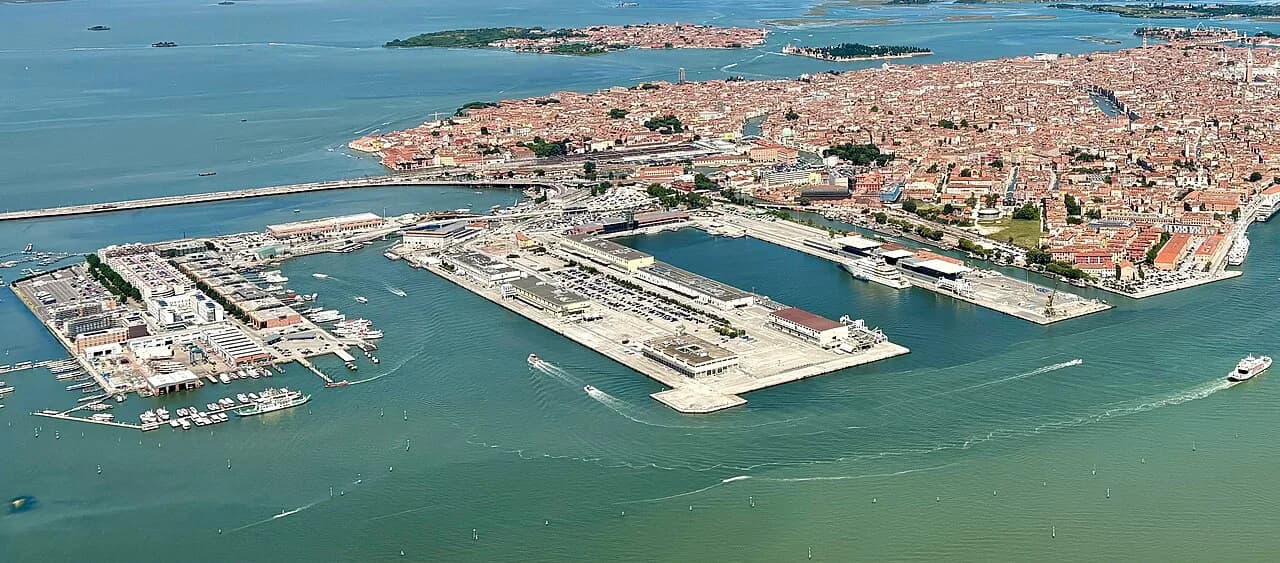
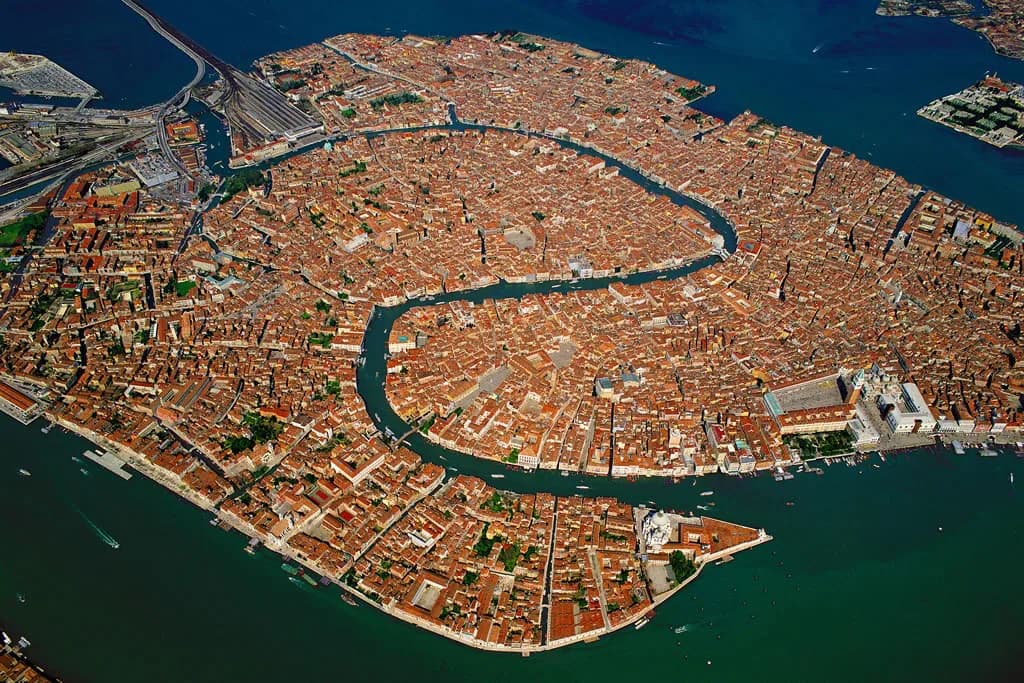
Cruise operations in Venice sit on the western edge of the historic city, around the Marittima and San Basilio areas, rather than beside the tourist core. That western position is why Piazzale Roma and the Santa Lucia station, both on the same side of the city, are the natural hotel zones for a cruise night. The fuller picture of berths and access is set out in the venice cruise port overview, and the terminal-by-terminal detail sits in the Venice Cruise Terminal Guide.
In practice this means you should not book a hotel near St Mark's Square assuming a short walk to the gangway. From the historic center you are looking at a boat or a combination of walking and the People Mover. Understanding that geography early saves a lot of second-guessing when you compare room rates.
Piazzale Roma and Santa Lucia: the easiest areas with luggage
Piazzale Roma is the road gateway to Venice: buses, land taxis and the garage district all converge here, and it is the one part of the historic city where a car can drop you more or less at the door. For cruise passengers this is the single most practical base, because the final piece of the journey to the terminal is short and mostly flat. The trade-off is a functional, traffic-heavy setting with little of the Venice people picture.
Santa Lucia station, a short walk from Piazzale Roma across the Scalzi bridge, suits anyone arriving by rail and offers a wide spread of hotels on both sides of the Grand Canal. Staying on the station side keeps bags off bridges; staying across the canal means one bridge crossing with luggage, which is manageable with wheels and miserable with heavy cases. Travelers on the Rick Steves forum thread about booking a Venice hotel before a cruise repeatedly steer toward this station and Piazzale Roma zone for exactly that convenience.
Hotels on and around Piazzale Roma for a one-night stay
The hotels clustered on and immediately behind Piazzale Roma are chosen for access, not for romance, and for a single pre-cruise night that is the correct calculation. A Cruise Critic discussion of Venice hotels notes a run of properties right on Piazzale Roma and many more within a short walk, with the caveat that some sit beyond a small bridge. If your cases have wheels, that bridge is a minor annoyance; if you are carrying duffels and a child's stroller, study the approach before booking.
Book this zone when your priority is a calm transfer morning and you plan to see the sights by day rather than from your window. You can walk to the terminal area or pick up a land taxi at the square, which keeps your options open regardless of what the weather does. It also puts you next to the People Mover stop that links this edge of the city toward Tronchetto.
Santa Lucia station area: rail arrivals and early departures
If you are arriving on a late train or leaving on an early one after disembarking, the station quarter is hard to beat. You step off the platform and into your hotel rather than hauling bags across the city, and on turnaround morning you are already on the right side of the canal for the terminal. The trade-off is a busy, unglamorous streetscape and hotel rooms that vary widely in quality for similar rates, so read recent reviews rather than trusting star ratings alone.
This area also works for a post-cruise night before a train to another Italian city, since you can drop bags and explore without repeating the trip back. The connection between ship and station is covered in the guide to the venice cruise port to train station route, which is worth reading before you fix your train time.
Mestre and the mainland: lower-cost bases with a fast link into Venice
Venezia Mestre, across the causeway, is the pragmatic mainland alternative: modern hotels, easier vehicle access, and frequent trains and buses into the historic city. It suits passengers who arrive by car, who want to park without entering the lagoon, or who simply prefer a standard hotel room to a Venetian conversion. You trade atmosphere and a short walk to the ship for lower rates and simpler logistics.
The cost of that trade is a commute on embarkation morning: you must allow for the train or bus into Venice plus the onward leg to the terminal. On a mid-morning boarding this is comfortable; on a very early reporting time it becomes a reason to stay closer. Mestre rewards travelers who treat the hotel as a bed and the city as the destination.
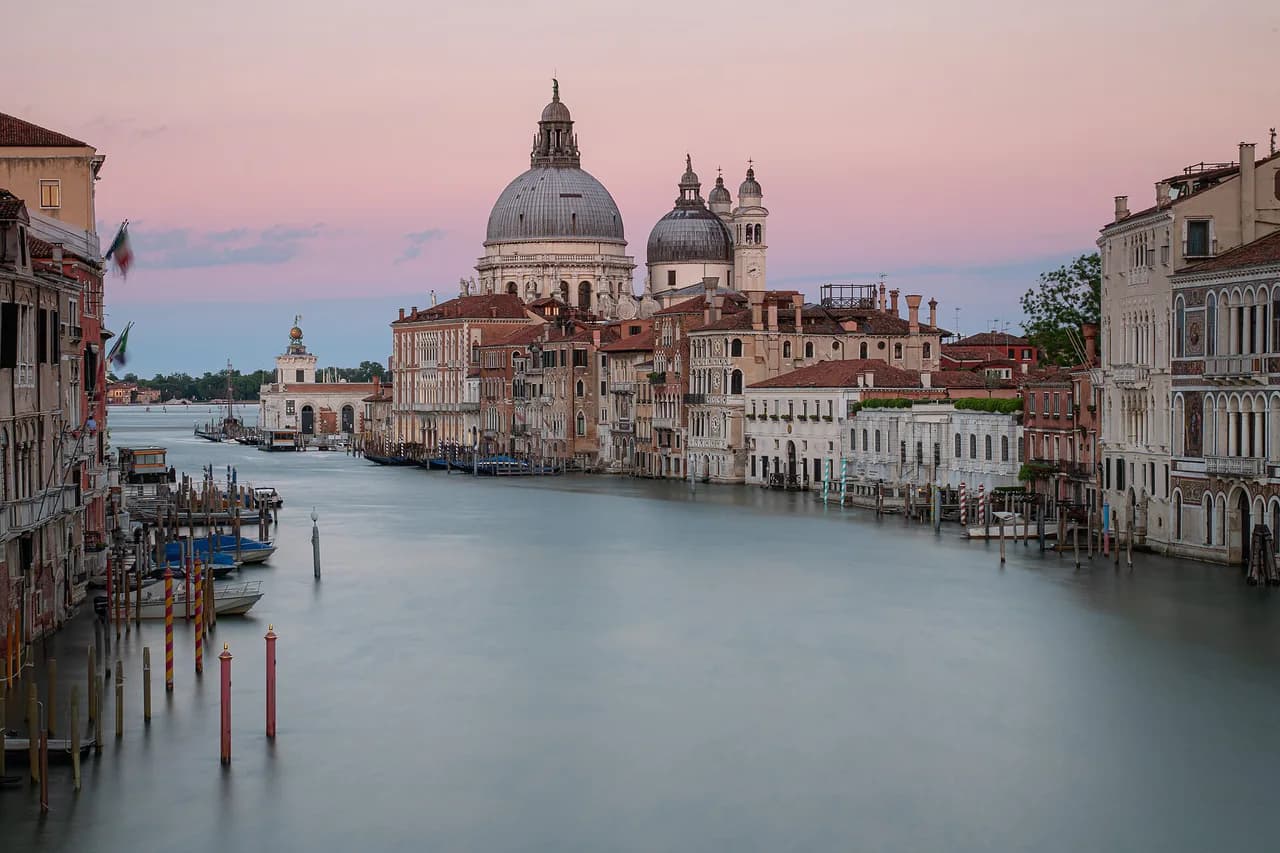
The historic center: atmosphere versus bridges, boats and bags
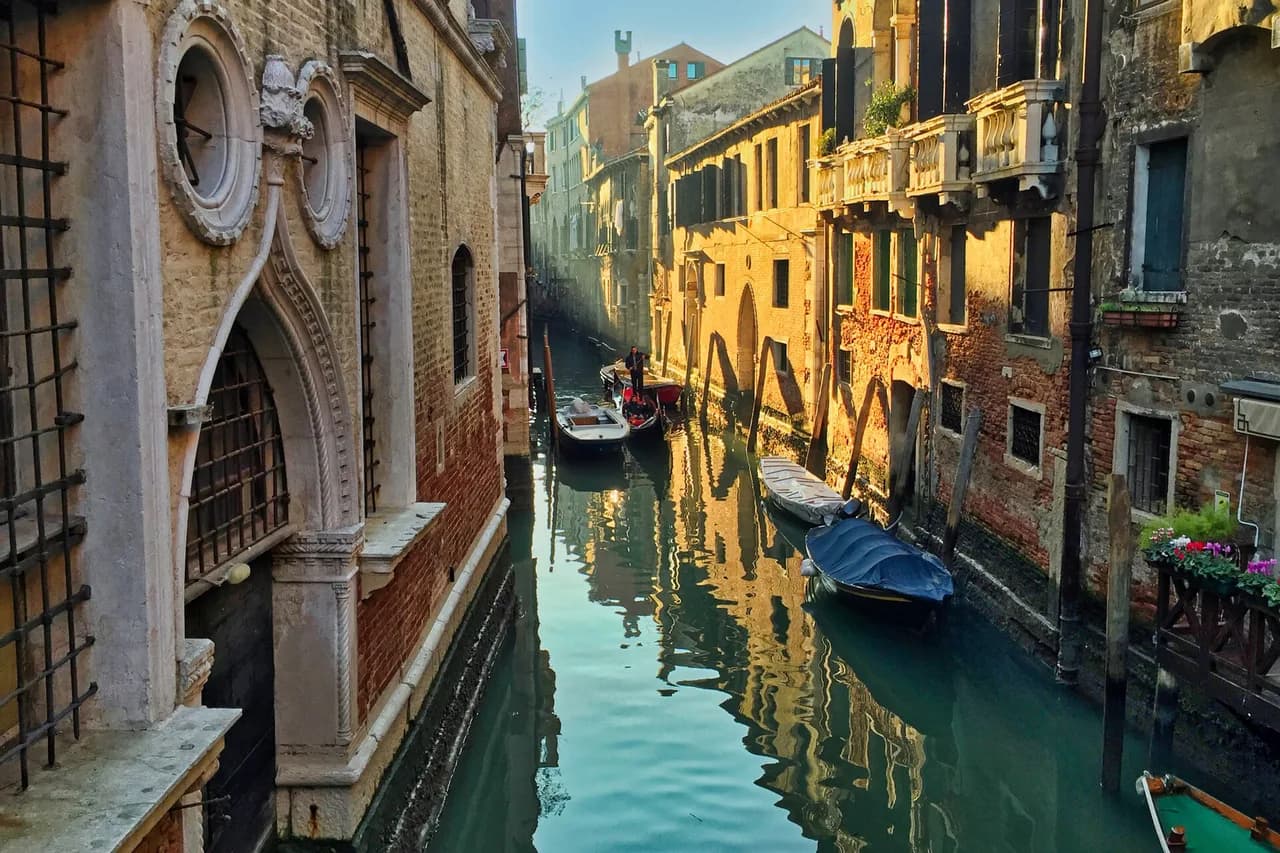
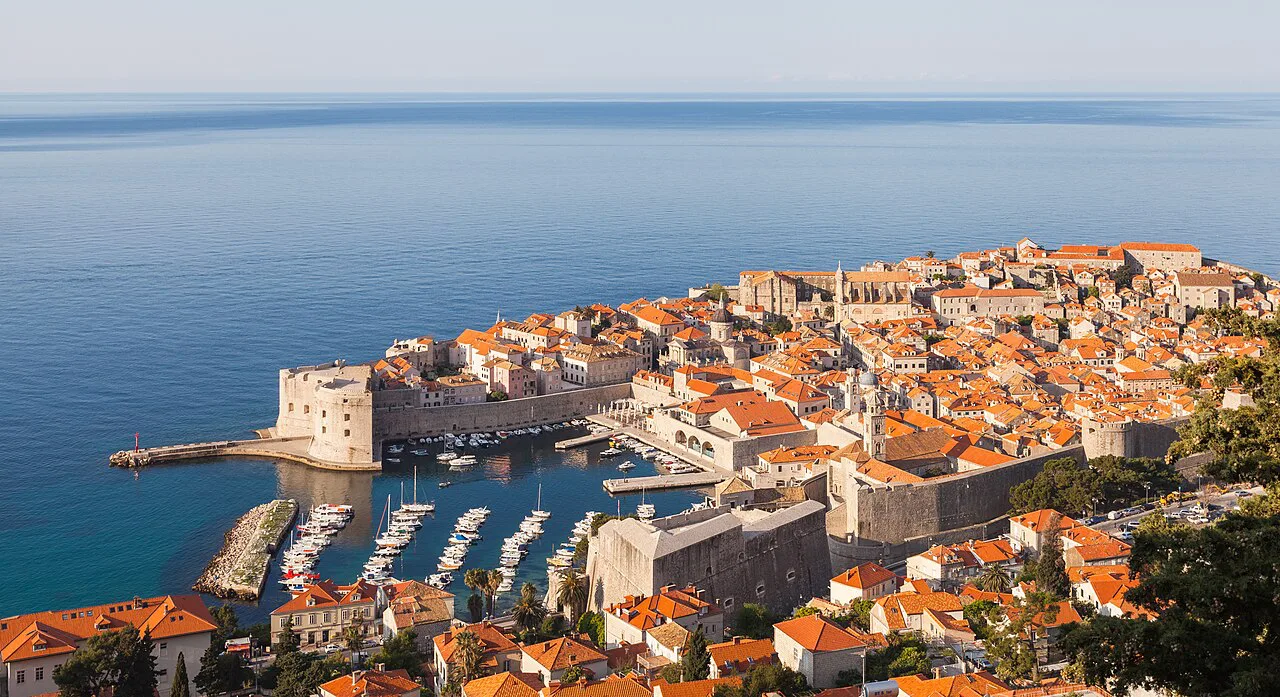
Staying among the canals, squares and calli is the reason many people add a night in Venice at all, and for a two-night stay it is easily worth the friction. The friction is real: door-to-door luggage means bridges with steps, narrow passages and, for some addresses, a water taxi to a nearby landing. If you choose this option, pack so you can carry everything yourself for ten minutes at a time.
Treat the historic center as a stay for passengers with light bags, a generous time buffer, or a willingness to pay for a water taxi. Ask your hotel directly which landing or bridge is nearest and whether they offer porter help, since this varies by property and street. Then plan your departure for the terminal around a boat or a walk back to Piazzale Roma, because a taxi cannot reach most canal-side doors.
Venice Lido and the lagoon edge: quieter nights near the water
The Lido and the lagoon-facing edges of the city appeal to passengers who want a quieter evening, a sense of space and a waterfront setting rather than dense tourist streets. Boats connect these areas to the historic city and onward toward the terminal side, so the day works, but you are adding a water leg to every movement. That is a fair exchange for calm if your schedule is relaxed.
Choose this option for a leisurely pre-cruise day with an afternoon arrival, not for a tight turnaround. Check the boat connections you would actually use and how late they run, since an evening return from the sights is part of the plan. Passengers with an early all-aboard should look at Piazzale Roma or the station area instead.
Matching the area to your transfer: people mover, land taxi, water taxi, train
The People Mover is the automated shuttle linking Piazzale Roma with Tronchetto, and it is the piece of infrastructure that makes the western hotel zones so useful for cruise passengers. Land taxis pick up around Piazzale Roma, while water taxis serve landings across the city and can be arranged to specific docks. Trains serve Santa Lucia and Mestre, with the station-side hotels avoiding any bridge crossing.
Which of these you rely on should decide your hotel, not the other way round. If you want a taxi to the terminal, stay where taxis circulate. If you plan to walk to the ship, stay at Piazzale Roma. If you want a boat arrival for the romance of it, book a hotel with a nearby landing and budget accordingly, since water taxi rates are set by the individual water taxi companies and are best checked on the day.
How much time to allow from hotel to terminal on embarkation morning
Build your morning backwards from your cruise line's reporting time rather than from the ship's departure. From Piazzale Roma the transfer leg is short, so a modest buffer covers queues and traffic; from Mestre or the Lido you are adding a train or boat plus a connection, which calls for a substantially earlier start. Add time for checking out with luggage and for any bridge or landing walk.
Aim to reach the terminal well ahead of your slot, especially on a busy turnaround day when several ships may be working the same area. Keep your bags with you rather than planning to collect them later, and confirm the reporting time on your cruise line's own documents. The venice cruise terminal page covers the arrival-side layout so you know what to expect when you get there.
One night versus two: what a short pre-cruise stay can realistically cover
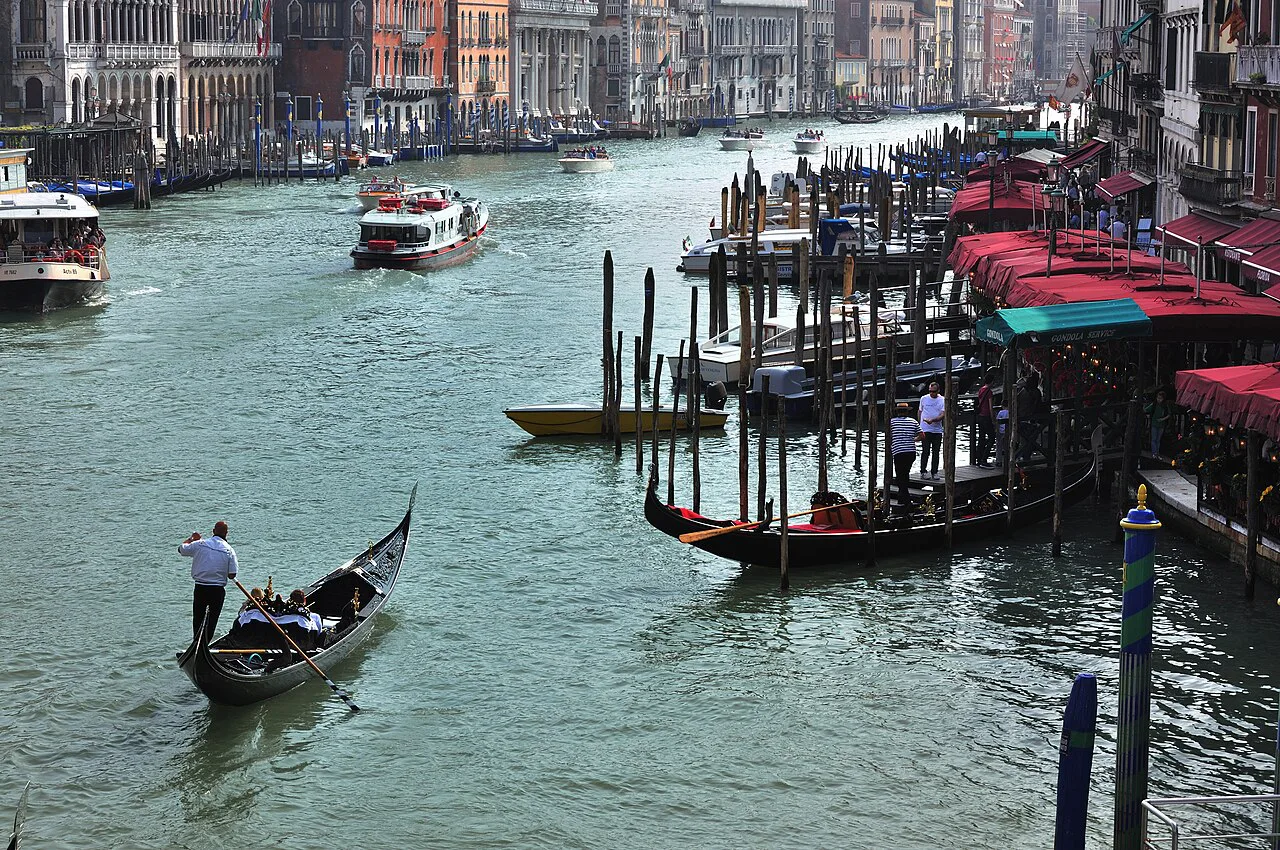
A single night before the cruise is a transfer night, not a sightseeing night: you arrive, settle in, eat, sleep and leave. Book that night in the easiest area you can afford and save the atmosphere for a return trip. Trying to squeeze St Mark's, a gondola and a museum into an arrival evening usually produces a stressful start to the cruise.
Two nights change the calculation. You can stay in the historic center, absorb an evening and a morning of the city at walking pace, and still leave a comfortable margin for the terminal. If your second day ends with a late-afternoon boarding, keep the morning simple and stay on the western side of the city rather than criss-crossing the lagoon.
Post-cruise stays: where to go when you disembark with luggage
Disembarking with bags and a hotel booking is easier in the Piazzale Roma and station zone, where you can drop luggage quickly and then travel light. If your onward flight is the same day, head for the airport transfer rather than into the city; the venice airport to cruise port guide explains the airport link in the reverse direction. If you have a night to spare, book near the station and use it as a base for a final afternoon.
For a same-day flight, allow generous time for the road journey and check in early, since turnaround traffic around the western edge can be heavy. Passengers continuing to another port city can compare options in the hotels near ravenna cruise port guide, where Porto Corsini serves the Ravenna cruise trade. Keep your bags with you until you reach your onward transport.
Family rooms and accessible rooms: what to ask before booking
Venetian buildings are conversions, so room layouts, lifts and step-free access vary enormously between properties that look similar online. Ask specifically whether there is a lift from the street entrance, how many steps precede it, and whether the room itself is on one level. Families should confirm bed configuration and whether a cot or extra bed is genuinely available rather than assumed.
For accessible needs, ask about the route from the nearest landing or taxi drop-off to the door, not just the building's interior. A hotel that is step-free inside can still sit behind a bridge. Put these questions in writing before you book so you have the answer on record, and keep the replies with your travel documents.
Booking mistakes that cost cruise passengers time on turnaround day
The most common error is booking for atmosphere without checking the final approach: a charming address behind two bridges can add a stressful half hour with suitcases. The second is assuming a vehicle can reach the door; in much of Venice it cannot. The third is booking in Mestre for a very early boarding without accounting for the commute into the city.
Book refundable or flexible rates when your dates depend on flight arrivals, and put your hotel address on your transfer booking so the driver or boat operator knows the exact landing. Keep a printed copy of the address and the nearest landmark, because screen-based directions fail at the worst moments. Sorting these details at booking time is what keeps embarkation morning calm.
Plan Your Visit
Match the area to your bags and your transfer, then choose the hotel. Piazzale Roma for the shortest haul to the ship, Santa Lucia for rail arrivals, Mestre for a simpler mainland base, and the historic center or Lido for atmosphere when you have time and light luggage. Confirm reporting times and boat or taxi arrangements with your cruise line and operator before you travel.
Frequently Asked Questions
Where should I stay before a cruise from Venice?
Most cruise passengers do best around Piazzale Roma or the Santa Lucia station area, because both sit on the western side of the city near the terminal area and avoid long luggage hauls over bridges. Mestre suits travelers arriving by car or wanting a mainland hotel, while the historic center rewards a longer stay with light bags.
Are there hotels within walking distance of the Venice cruise terminal?
The closest practical base is Piazzale Roma and the streets around it, on the same western edge of the city as the cruise terminal area. From there the transfer is short and mostly flat. Hotels deeper in the historic center require a boat or a longer walk with luggage.
Is it better to stay in Mestre or Venice before a cruise?
Mestre offers simpler vehicle access and a fast rail or bus link into Venice, which helps if you arrive by car or want a standard hotel room. Staying in Venice itself removes the commute on boarding morning. Choose Mestre for cost and convenience, Venice for atmosphere and a shorter final leg.
How do I get from my Venice hotel to the cruise terminal with luggage?
From Piazzale Roma you can walk or take a land taxi; the People Mover links that edge of the city toward Tronchetto. From the historic center, plan a water taxi to a landing or walk back to Piazzale Roma. Check the exact drop-off point with your cruise line.
How many nights should I spend in Venice before a cruise?
One night is a transfer night: arrive, eat and sleep close to the terminal. Two nights let you stay in the historic center and see the city at walking pace without risking a rushed boarding morning. Add nights only if you can keep the final departure simple.
Where should I stay after disembarking in Venice?
With bags, the station and Piazzale Roma zone is easiest because you can drop luggage immediately. For a same-day flight, go straight to the airport transfer rather than into the city. If you have a night to spare, a station-area hotel gives you a final afternoon without hauling cases over bridges.
Sources
Port-day notes for your next cruise
Optional updates to our port guides.
You might also like
Continue reading
More guides you'll find useful