Venice Cruise Terminal Guide: Marittima vs San Basilio
Venice cruise terminals explained: which piers your ship uses, how the berth shapes your day ashore, and the water and walking routes into the historic city.
On this page
A Venice port day depends less on the sights than on the berth. Ships use different terminals around the lagoon, and where you tie up decides whether Piazza San Marco is a short stroll away or a boat ride and a train journey away. Work out your terminal first, then build the day around it.
This guide treats Marittima, the San Basilio and Santa Marta piers, Marghera and the mainland alternatives as separate answers, because they produce very different port days. It also covers the practical business of passenger boats, walking routes and the time each option eats from a fixed call.
Why the Venice cruise terminal question has no single answer
You will see "Venice cruise terminal" used as if it were one address, but arrivals by sea in Venice have long been split across several locations. Ships have traditionally come in at the Marittima terminal or at the smaller San Basilio and Santa Marta piers, which mostly handle smaller cruise ships and river vessels. Your itinerary port name tells you the city, not the berth, so the terminal is the detail worth pinning down before you plan a shore day.
The second complication is regulation. Since 2021, larger cruise ships have been barred from central Venice under Italian government rules, so some calls now use an industrial pier at Marghera on the mainland or a different city entirely, such as Ravenna or Trieste. That changes the arithmetic of a port day completely: a berth outside the historic city adds a transfer before you even reach the canals.
The terminals named: Marittima, San Basilio, Santa Marta and the mainland
The addresses worth keeping in your notes are Marittima, on the Isola Nova del Tronchetto side of the port, and San Basilio, on the Fondamenta Zattere al Ponte Lungo across the water. Santa Marta sits alongside San Basilio and shares its role as a secondary pier. Beyond central Venice, add Marghera, Fusina, Ravenna and Trieste as possible places your ship may actually be.
The cruise port has grown into one of the Mediterranean's most significant turnaround ports, which is why so many ships pass through and why berth arrangements shift with ship size and regulation. Treat the terminal name on your cruise line's port information as the starting point, and use the port authority's passenger pages to match it to a real quay. For the wider picture of how the port is organised, see the venice cruise port guide.
Which ships dock where: the size dividing line
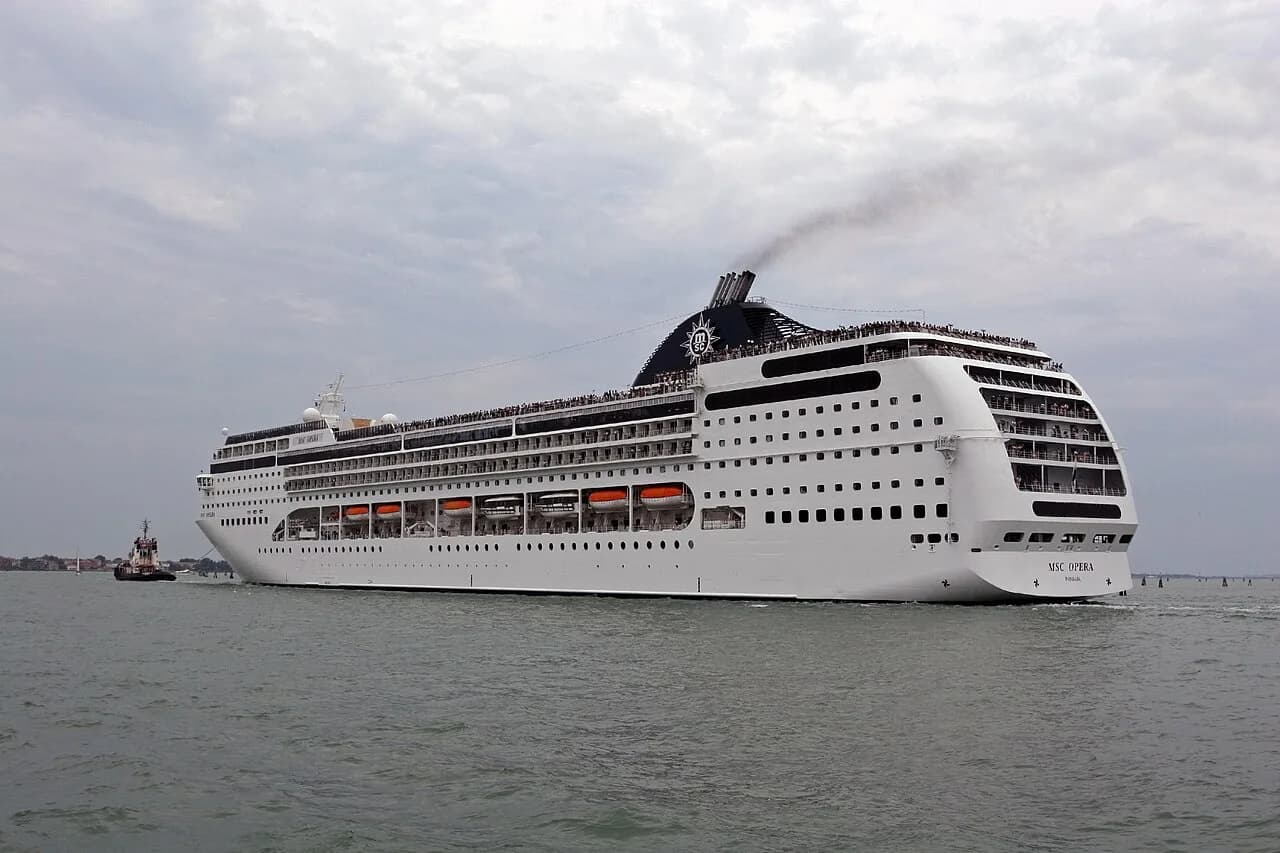
Ship size is the best single predictor of your terminal. According to Venice for Visitors, most vessels under 25,000 gross registered tons, including river vessels and hotel barges, continue to use Marittima or the San Basilio and Santa Marta piers, while the larger ships affected by the central-Venice restrictions berth elsewhere. If you know your ship's tonnage, you can make a reasonable guess before the cruise line publishes its berth.
Knowing the tonnage helps you plan, but it does not override the cruise line's own port information. Use the size threshold to decide whether to expect a city-centre berth or a mainland transfer, then build the day so that either answer still works: a flexible morning in the historic city and an afternoon you can shorten if the berth turns out to be distant.
Marittima: the cruise basin and what sits between berth and city
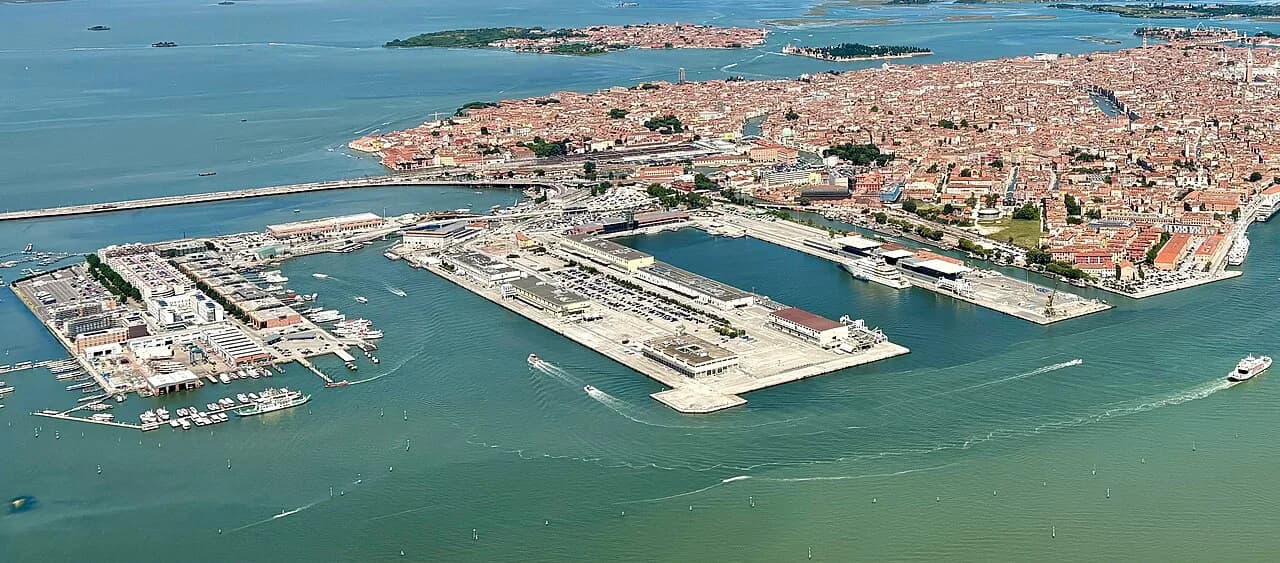
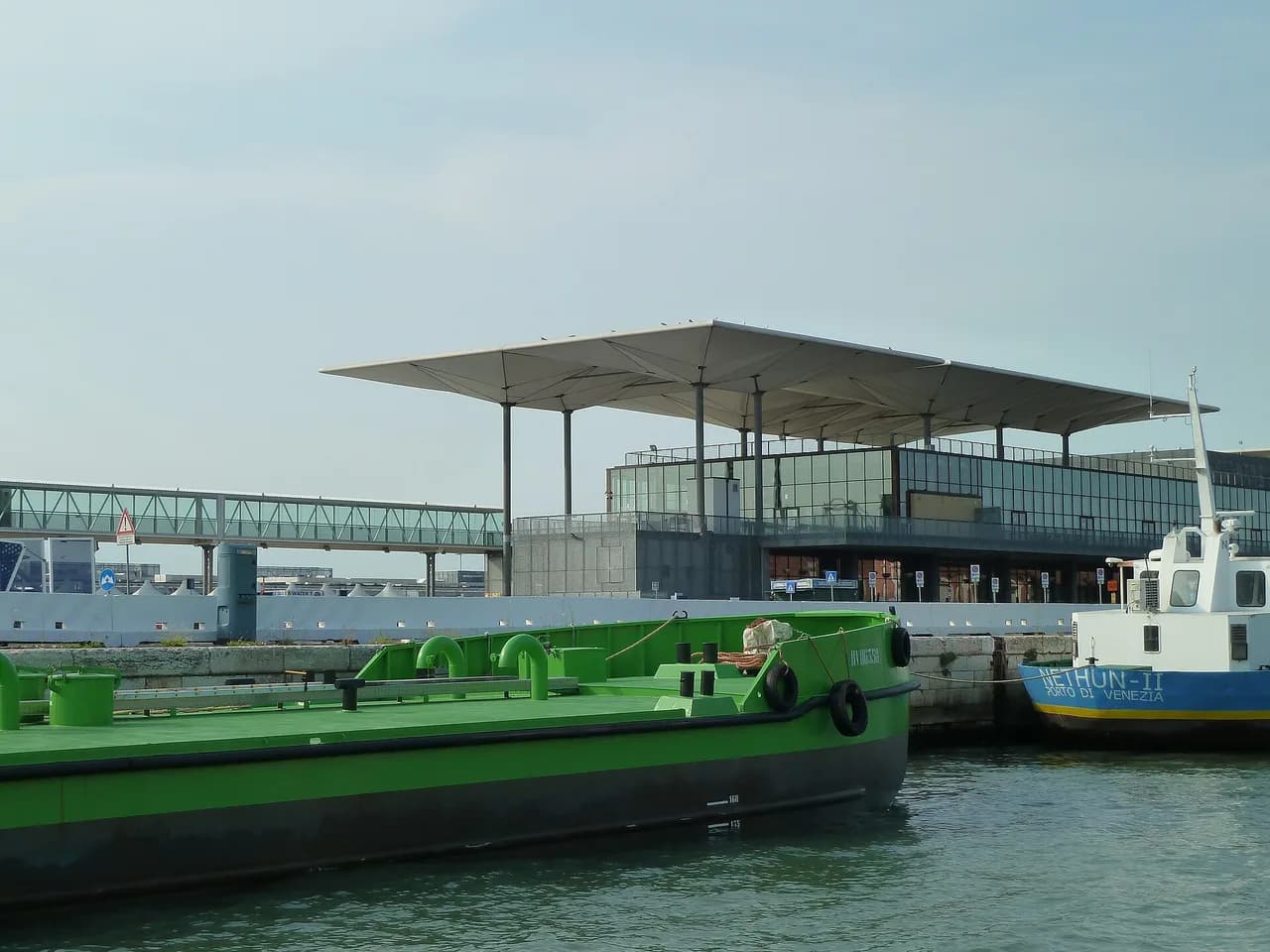
Marittima is the port's main cruise basin, a working dock area with terminal buildings rather than a waterfront promenade. Your ship ties up alongside in a basin full of port infrastructure, so your first move is getting out of the port zone and onto the city's own transport network. Expect to cover the distance to the historic city by water bus or water taxi rather than on foot.
Because Marittima sits on the Tronchetto side rather than on the Zattere, the fastest way into the canals is the water network. Plan which of the two you need before you leave the ship: a public water bus for the economical route, or a water taxi for a direct run to a specific landing stage. Neither is a guided tour, and the time from ship to St Mark's depends on the boat and the stop.
San Basilio and Santa Marta: small-ship piers near the Zattere
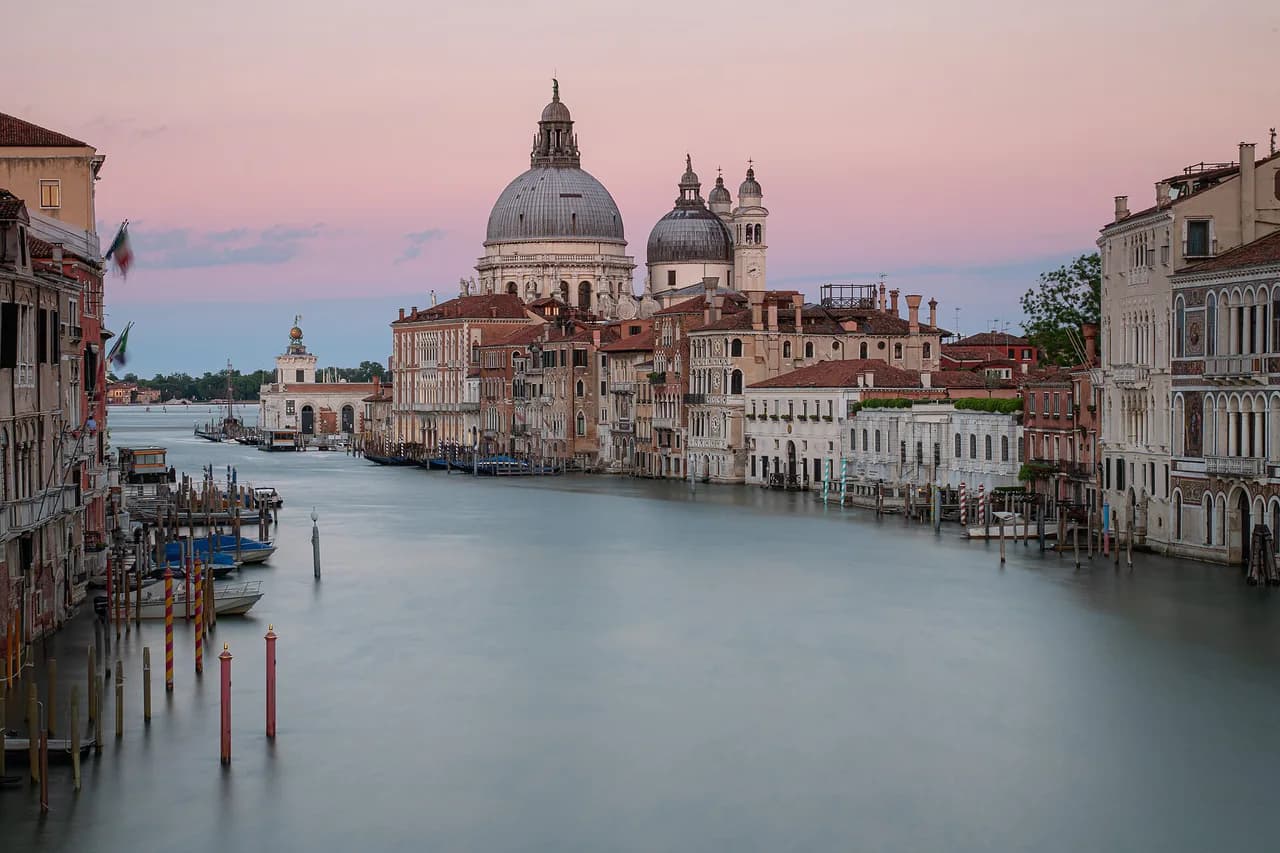
These two piers are the pleasant surprise of Venice cruising. San Basilio and Santa Marta sit close to the Zattere waterfront, which puts you on the historic city's own doorstep rather than across an industrial basin. Smaller ships and river vessels use them, so a call here feels less like a transfer and more like stepping straight into Venice.
From the Zattere side, the walking route follows the waterfront towards the Riva degli Schiavoni and Piazza San Marco, with plenty of pleasure in the walk itself. Venice for Visitors notes that boats moored along the promenade by the public gardens put you about 15 minutes on foot from Piazza San Marco. Use that as a yardstick: when your pier is on the city side, you can treat the morning as walking time rather than transfer time.
Ships diverted to Marghera, Ravenna or Trieste
A berth outside central Venice changes your day more than any other factor. Marghera is an industrial mainland pier, so you face a transfer into Venice or a day spent on the mainland depending on how the port day is structured. Ravenna and Trieste are different cities altogether, each with its own attractions and a journey to Venice before you see a canal, which makes them sensible options only on longer calls or when you choose to enjoy the nearer city. The same berth-first logic applies to other Italian turnaround ports; the civitavecchia cruise ship port guide shows how terminals, shuttles and Rome transfers reshape a day there.
On such a call, resist the urge to force Venice into the schedule. Treat Ravenna or Trieste as a city day in its own right if the ship berths there, and use the time you would have spent on the transfer to see the nearer sights properly. If you do want Venice from a distant berth, a ship-organised excursion removes the worry about the water transport and the return timing, which is exactly what you want if the transfer is long.
Getting from the terminal into the historic centre
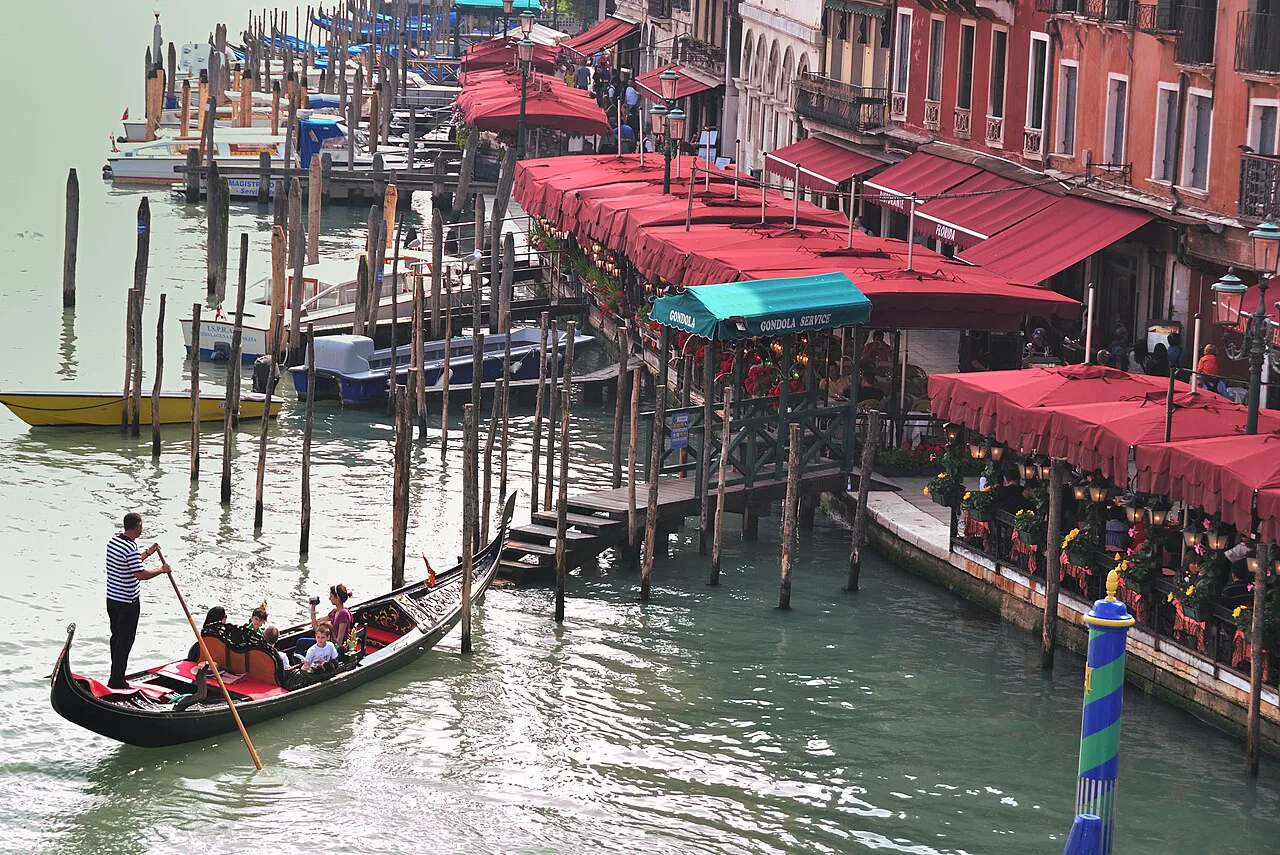
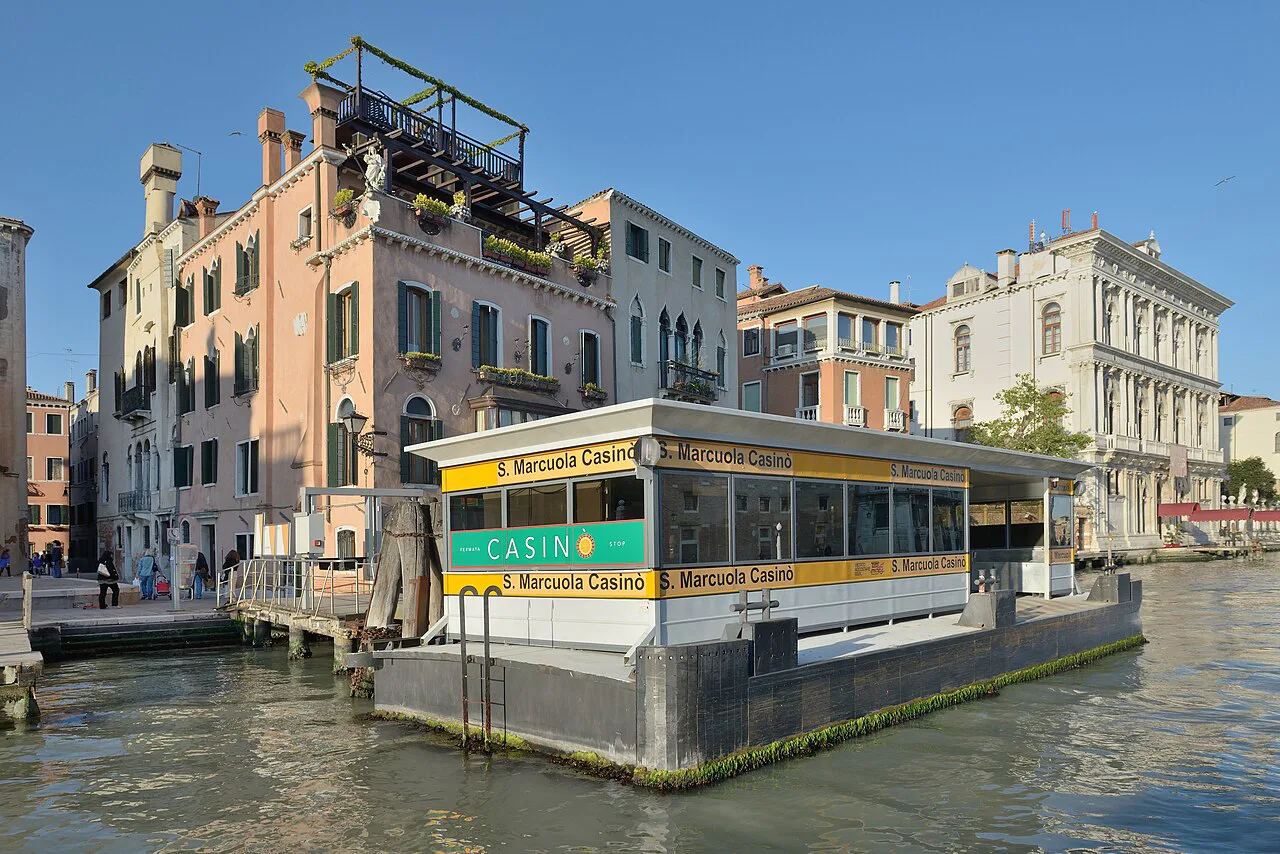
From Marittima, the practical options are passenger boats and water taxis. Public water buses are the economical choice; water taxis are the fast, direct choice for a group or for anyone who wants to step off at a specific landing stage without en route changes. Both leave the port area behind quickly, which matters when your call is short and each transfer has to earn its place in the day.
From San Basilio and Santa Marta, the water is not even needed for the main sights. Walk off the pier towards the Zattere and follow the waterfront towards the Riva degli Schiavoni, where the promenade leads past the public gardens towards Piazza San Marco. For the train station and Piazzale Roma end of town, the transfer is a separate run, covered in detail in the guide from the venice cruise port to train station.
Arriving by sea from Greece or Croatia: Fusina and San Basilio
Not every arrival by sea is a cruise. Anek Lines ferries from Greece use Terminal Fusina on the Italian mainland, from where you can reach Mestre or Venice by road or take a passenger boat to the city centre. Venezia Lines runs high-speed catamarans between Croatia and Venice, and these normally arrive and depart at the San Basilio Cruise Terminal in the city centre. These landings are a useful reference point even for cruise passengers, because they show where the passenger-carrying part of the port actually sits.
For a cruise passenger on a small ship, San Basilio arriving right in the city is a real advantage: you disembark into the Venice that the postcard promised. On a larger ship heading for a mainland pier, expect a transfer before the canals, and budget it as a fixed cost of the day rather than a delay.
Parking and landside access at Marittima
If you are starting or ending a cruise at Marittima rather than visiting for the day, the question shifts from water transport to landside logistics. Long-term parking is available at the Venice cruise port, according to cruise port directions, which makes Marittima practical for passengers who combine a cruise with driving to the city. Sort out your parking before you arrive, so you are not hunting for a space with a boarding time running down.
Arriving from the airport or a railway station follows a different route, and for most travellers it is a water or road transfer to the terminal rather than a stroll. Plan the leg from your arrival point before the day of departure, and leave enough slack for the last stretch. The guide from the venice airport to cruise port sets out the airport-side transfer.
How long you need: half-day, full-day and short-call plans
On a call of six hours or so, choose one terminal-appropriate plan. If your ship berths near the Zattere, walk the waterfront to Piazza San Marco and back with a stop for coffee, which is a full half day without any water transport. From Marittima, pick a single water bus or taxi run into the city, spend the time there and return by the same water mode. Do not attempt both sides of the lagoon on a short call.
For an eight- or ten-hour call, add one more layer: a second water crossing to a different part of the city, or a leisurely walk that includes the Riva degli Schiavoni and a different neighbourhood. The extra hours buy you an unhurried return, not another destination. That is where the terminal matters most: from Marittima every layer adds a transfer, while from San Basilio you simply walk.
Ship tours vs going independently
Independent travel through Venice is straightforward because the city is dense and its transport is public. The risk is not the distance; it is the number of connections between ship, boat and return. From Marittima you have more of them, so build in more buffer. From the Zattere side you have fewer, so a walk-based plan is manageable on your own.
A ship tour makes sense when your berth is outside the historic city, when the water network is new to you, or when you want a guided route through the major sights in a single pass. The trade is less freedom and a set pace. Neither choice comes with a promise that the ship will wait, so the decision comes down to how much time the connection structure consumes.
Return buffer and all-aboard planning
The size of your buffer should be set by berth location, not by how long Piazza San Marco took to reach. From the Zattere side, add enough time for a walk back and the last stretch to the ship. From Marittima, add the water ride plus the port-area walk. From Marghera or a different city, add the full transfer back, since a single missed connection there is much harder to recover from.
Have a fallback return in mind: an alternative water bus route or a landing stage nearer the ship, so a late start does not turn into a late arrival. Do not schedule the last activity of the day at the far end of the city. Aim to be back in the terminal area well before all-aboard, not at it.
Practical geography: which exit leads towards Piazza San Marco
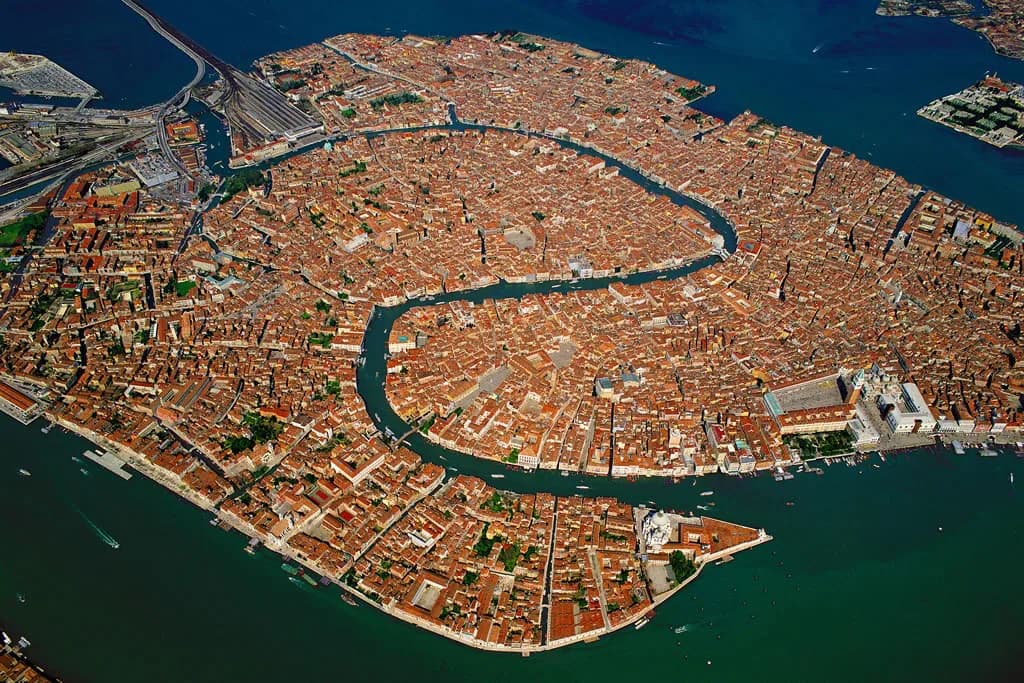
The city-side geography is simple once you understand one line: the Zattere and the Riva degli Schiavoni form a waterfront edge, and Piazza San Marco anchors the eastern end. From a San Basilio or Santa Marta berth, head for the Zattere and follow the waterfront east, passing the public gardens near the Riva. That route puts the main square at the end of a walk rather than behind a series of turns.
From Marittima, the water is the equivalent exit: get to a landing stage and ride to the part of the city you want, then navigate on foot from there. Know the name of your return landing stage before you start, and use the same one. A short, clear route beats thorough coverage of the city when the boat back has to be caught.
Where to stay before or after a Venice cruise
Where to stay depends on which terminal your cruise uses. The train station and Piazzale Roma end of the city is convenient for travellers arriving by rail or road and for the Marittima side of the port; the Zattere and San Basilio side suits anyone sailing from the small-ship piers. Prioritise the transfer to and from the ship over a romantic view.
Book a hotel with a clear plan for the final leg to the terminal, and for a Venice cruise that often means water transport rather than a taxi. Take an extra look at the hotels near cruise port options if a pre-cruise night needs to be simple, and keep the actual departure day light. Do not spend the night before the cruise at the far side of the city from your terminal.
Plan Your Port Day
Work out your berth before you plan the day: Marittima means water transport and port-area walking, San Basilio and Santa Marta mean a genuine walking route from the Zattere, and a mainland or other-city berth means a transfer that needs a real buffer. Build the itinerary from the berth outwards, not the other way round.
Then fit the plan to your call length. On a short call, pick one terminal-appropriate option; on a long one, add one layer and keep the return simple. That approach survives whatever answer the berth turns out to be. A well-planned return buffer is what saves a good day from turning difficult in port.
Frequently Asked Questions
Where do cruise ships dock in Venice?
Ships use several locations rather than one terminal. Marittima is the main cruise basin, San Basilio and Santa Marta are the smaller piers near the Zattere, and larger ships affected by the central-Venice restrictions may berth at Marghera on the mainland or at another city such as Ravenna or Trieste. Your cruise line's port information gives the berth for your sailing.
Is the Venice cruise terminal in the city centre?
San Basilio and Santa Marta sit close to the Zattere waterfront and are the most convenient for walking into the historic city. Marittima is a working dock basin and requires a water bus or water taxi to reach the main sights. A mainland or other-city berth means an additional transfer before you see the canals.
Do large cruise ships still sail into central Venice?
Since 2021, central Venice has been closed to larger ships under Italian government rules. Smaller vessels, including most under 25,000 GRT and the river boats, have continued to use Marittima and the San Basilio and Santa Marta piers. Your ship's size and your cruise line's port information are the reliable guide to your berth.
How do I get from the Venice cruise terminal to St Mark's Square?
From the Zattere side, follow the waterfront east towards the Riva degli Schiavoni; the walk from the public gardens area to Piazza San Marco takes about 15 minutes. From Marittima, take a public water bus or a water taxi towards a landing stage near the city, then walk. Choose your return landing stage before you set out.
How long does it take to get from the ship into Venice?
It depends on the berth. A Zattere-side berth puts the historic city within a short walk, while Marittima requires a water ride and a walk out of the port area. A mainland or other-city berth adds a road or rail transfer before you even reach the water. Plan the shortest plan that covers what you most want to see.
Is there parking at the Venice cruise terminal?
Long-term parking is available at the Venice cruise port for passengers starting or ending a cruise at Marittima. Reserve before you travel and allow time for the final stretch from parking to the terminal building. Passengers arriving by train or plane need water or road transport to the terminal instead.
What is the difference between Marittima and San Basilio?
Marittima is the port's main cruise basin, with terminal buildings and berths served by water transport. San Basilio is a smaller pier near the Zattere, in the historic city and close to the walk towards the Riva degli Schiavoni. Which one you use depends on your ship's size and the cruise line's berth assignment.
Sources
Port-day notes for your next cruise
Optional updates to our port guides.
You might also like
Continue reading
More guides you'll find useful