Venice Cruise Port to Train Station: Santa Lucia vs Mestre
Large ships now berth away from central Venice, so reaching Santa Lucia or Mestre station takes planning. Here are the routes, times and buffer to allow.
On this page
A Venice port day can still deliver St Mark's Square, the Rialto and a lagoon island, but the journey between ship and station is no longer a single short walk. Since large cruise ships were barred from the Giudecca Canal and central Venice, many vessels use mainland terminals, which changes both the route and the time you need. Small ships and river vessels keep closer access through the central quays.
Plan the transfer around two questions: which station you actually need, and which berth your ship uses. Santa Lucia sits on the island at the head of the Grand Canal, while Mestre is on the mainland and suits trains toward Milan, Verona and the rest of Italy. Getting the pairing right saves a wasted water crossing or a needless road loop. The same berth-to-station decision shapes the civitavecchia cruise terminal to train station transfer, where the walk into town also depends on which berth you use.
Why the berth decides your route
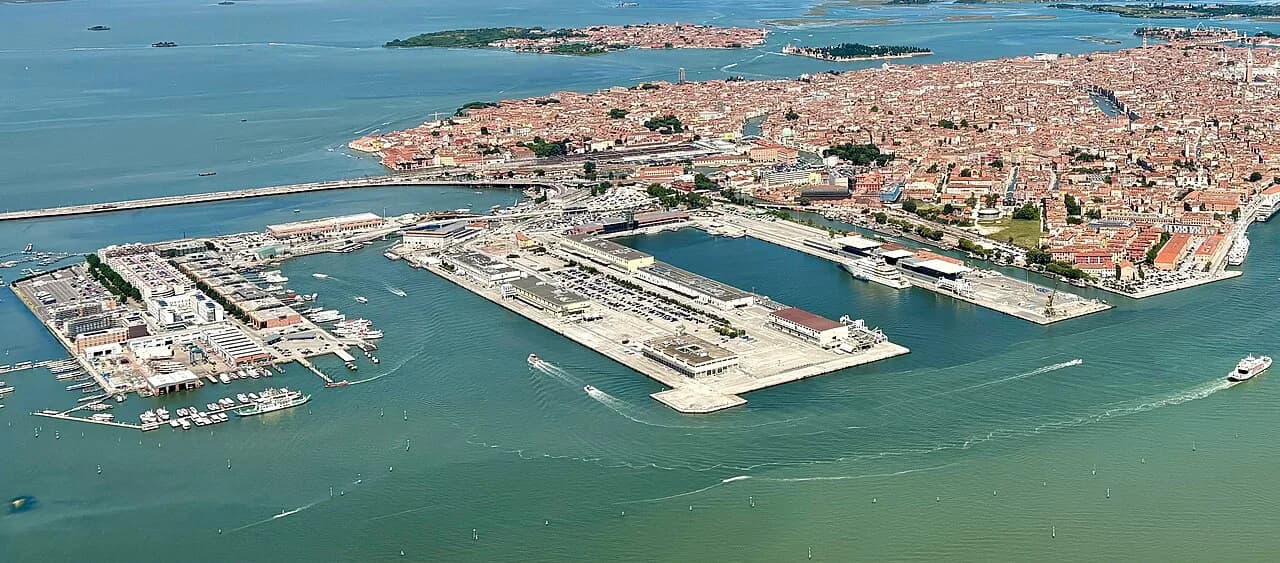
Venice's cruise facilities split into two worlds. The central quays around Marittima, Santa Marta and San Basilio sit on the island edge, within walking distance of Piazzale Roma and the Santa Lucia station. The mainland terminals at Porto Marghera and Fusina serve larger ships and require a road or boat leg before you reach either station.
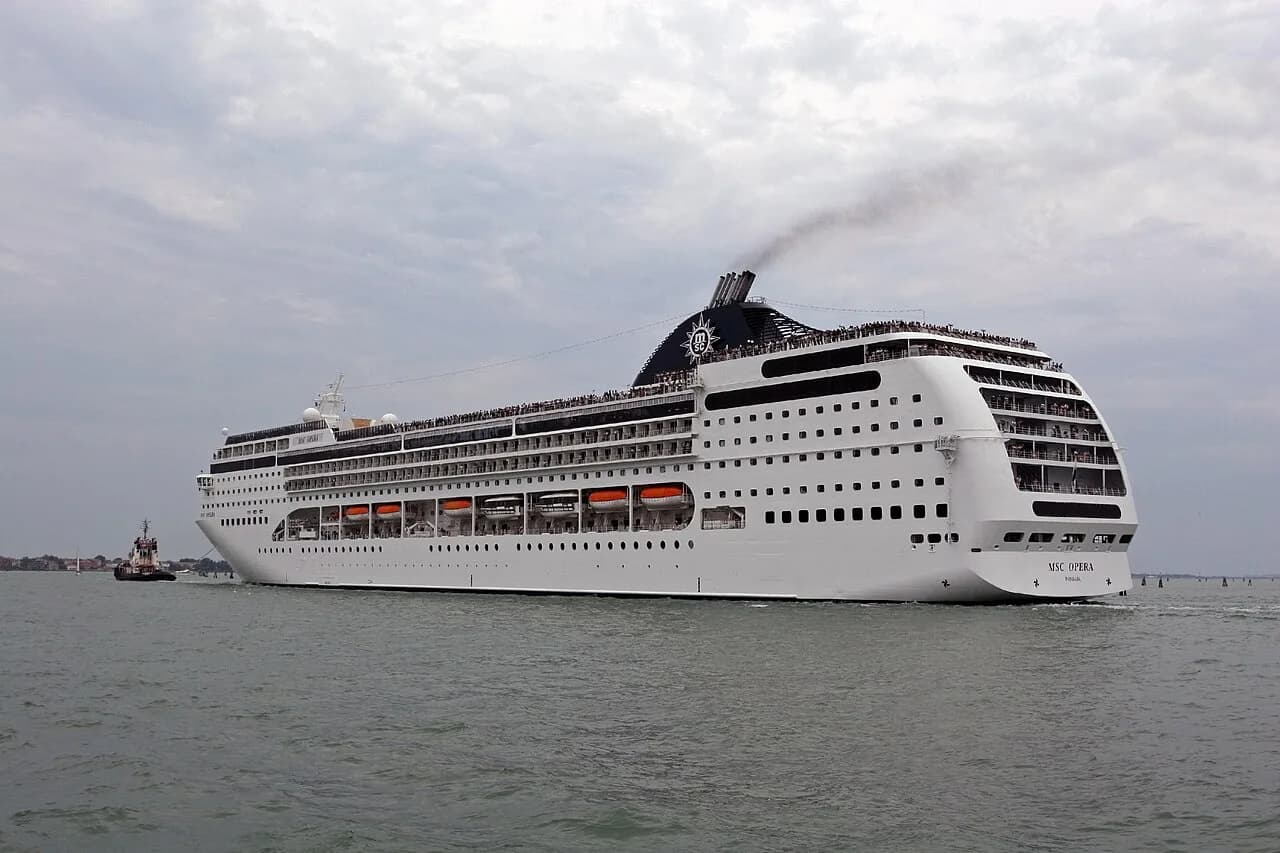
Italy permanently banned ships of 25,000 GT and above from entering the lagoon via the Giudecca Canal, effective from August 2021. That rule moved large liners to Marghera, and some lines moved their whole Venice program to Ravenna or Trieste. If your ticket says Venice but your ship is large, check the actual port on your booking before planning a station transfer.
Where ships dock in Venice
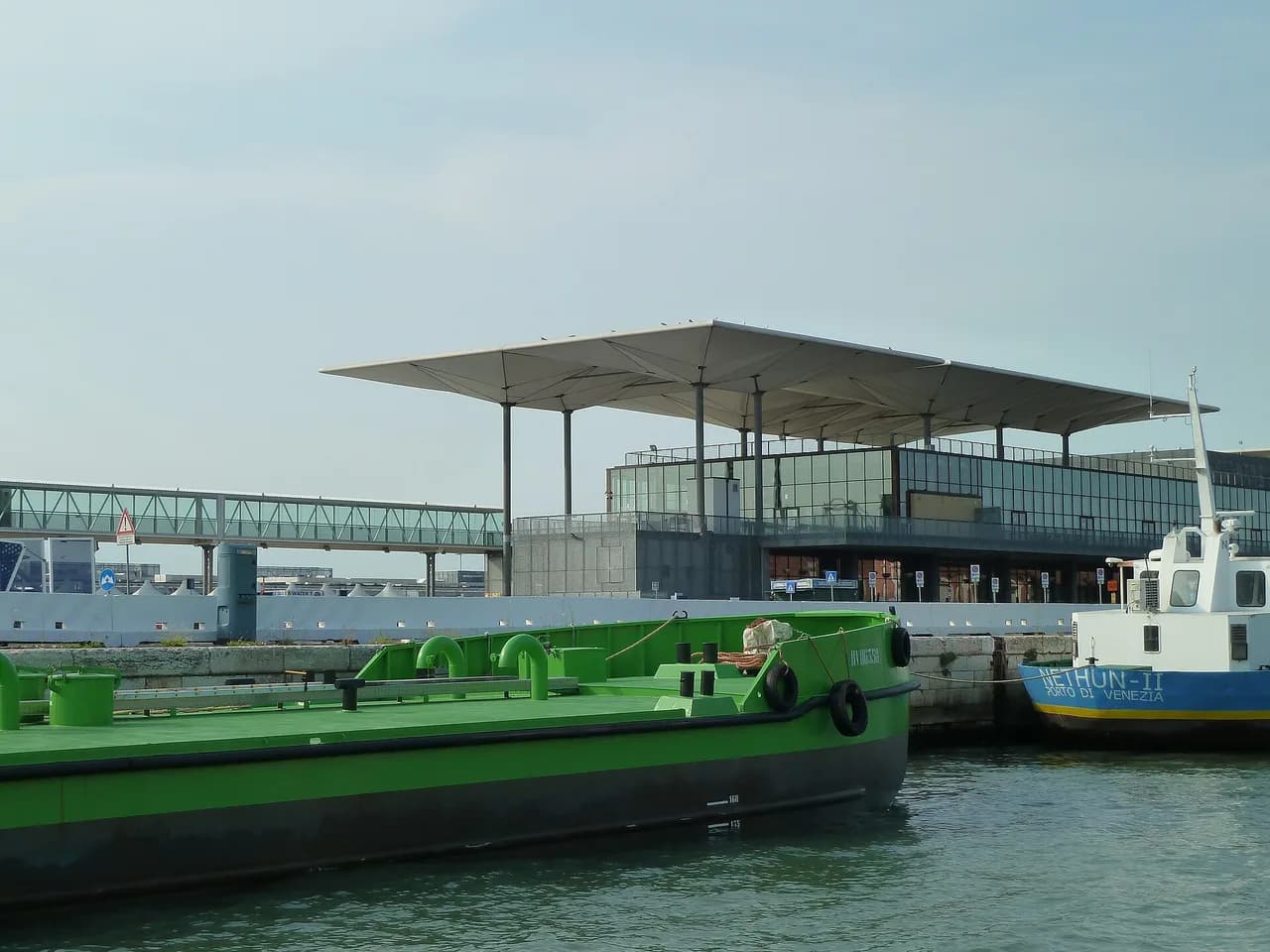
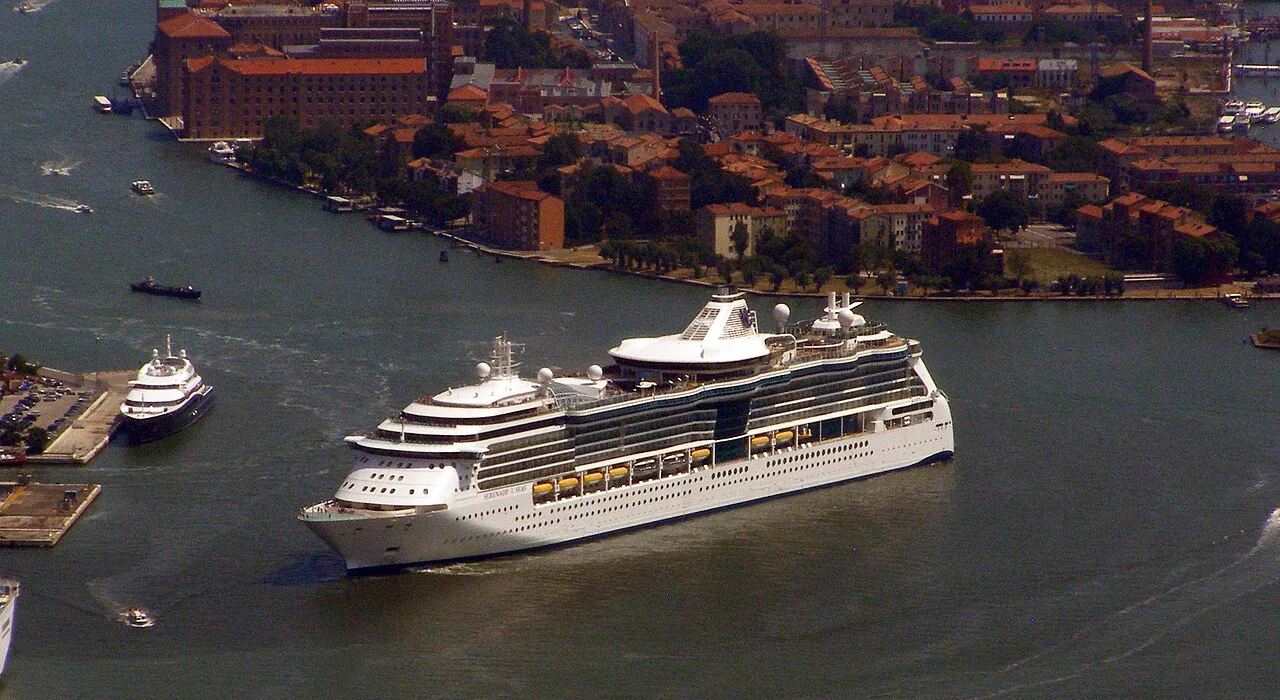
Venezia Terminal Passeggeri operates ten multifunctional terminals and six dedicated quays across Marittima, Santa Marta and San Basilio. The complex covers 290,000 square meters and sits about 500 meters from the city center, with wide spaces for coaches and taxis, luggage drop-off and over 2,000 parking spaces. That layout makes the central quays the easiest starting point for a station run.
The central port has three main quay groups. Marittima is the biggest, with three passenger terminals handling large liners, while San Basilio (berths 29 to 31) and Santa Marta (berths 24 to 28) serve smaller ships. The named quays include Piave, Tagliamento and Isonzo, so your boarding pass or cruise line app may name a berth rather than a terminal.
Porto Marghera is the mainland industrial port about 9 kilometers southeast of Fusina, and it opened a temporary cruise berth at Liguria Quay in April 2022. Fusina is a separate mainland terminal used by some vessels as an alternative to the central quays, with passengers transferring to Venice by shuttle, boat or organized excursion. Both are outside the historic city, so neither puts you within a walk of Santa Lucia.
Santa Lucia versus Mestre: which station you want
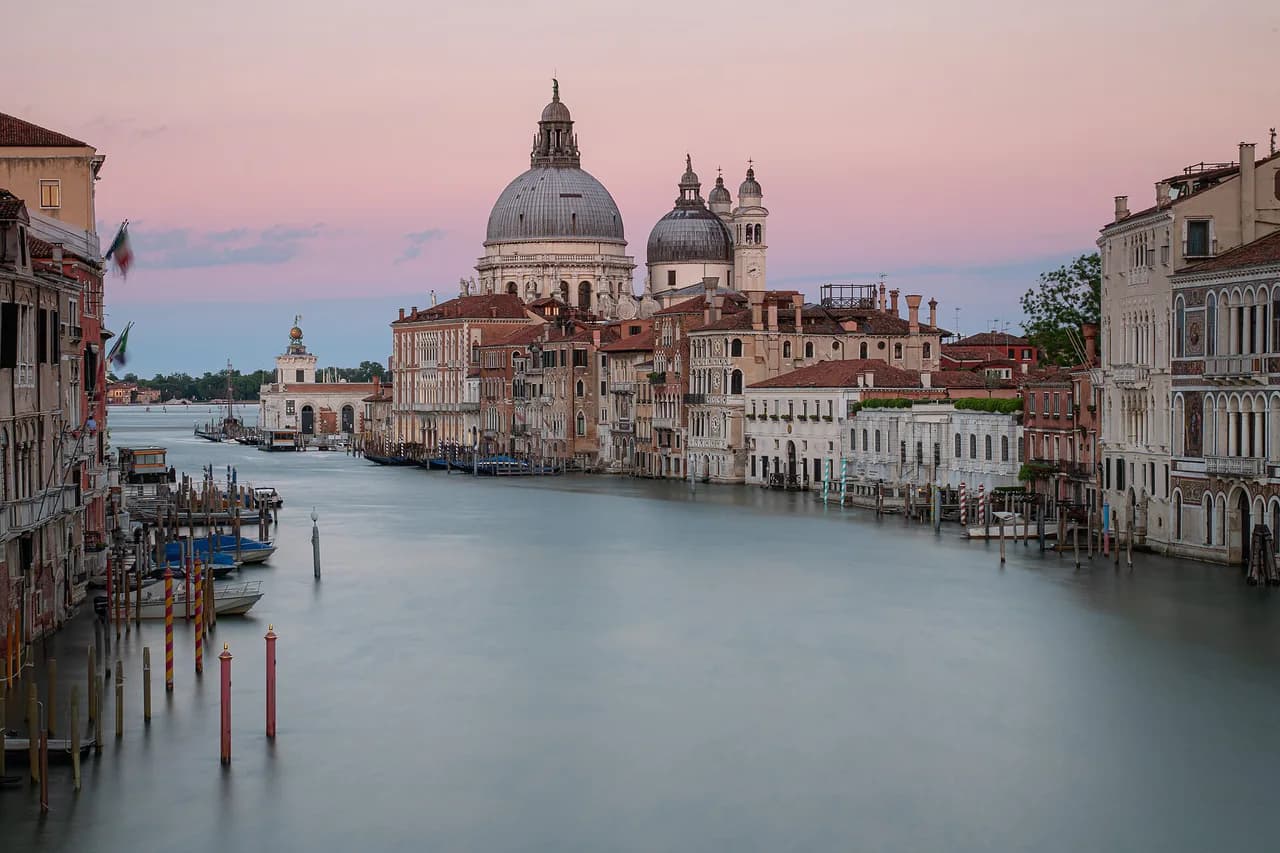
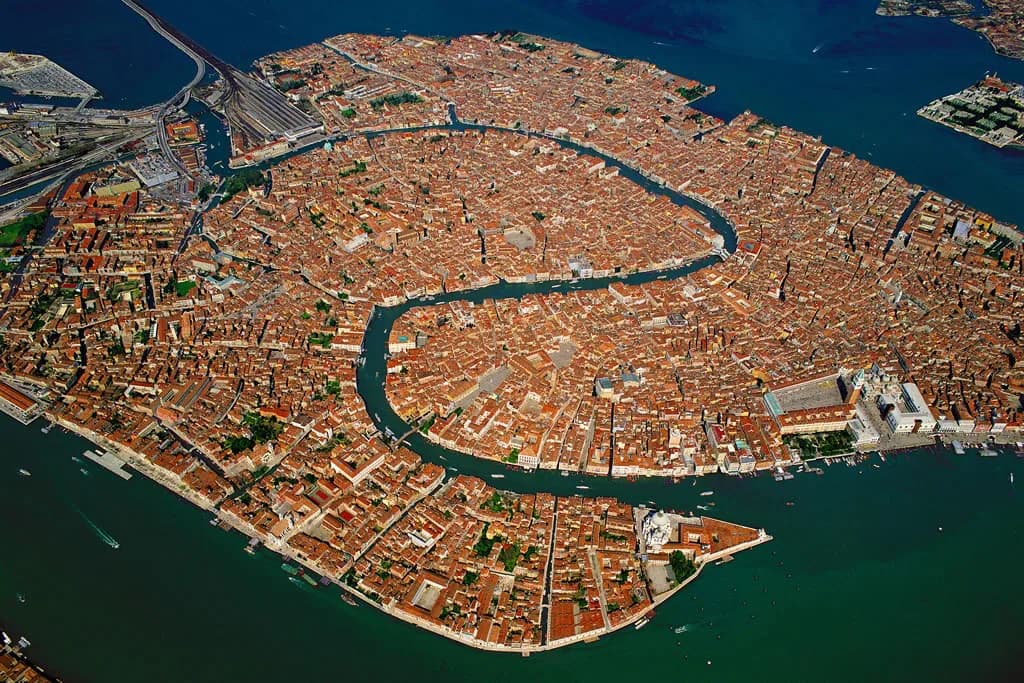
Venezia Santa Lucia is the island station, set right at the edge of the historic city and the head of the Grand Canal. It is the natural choice if your train continues along the Italian network from the island or if you simply want to step out into Venice. The last stretch from Piazzale Roma involves crossing the Calatrava bridge over the Grand Canal, which means steps or a ramp depending on your route.
Venezia Mestre is the mainland station and the main junction for trains toward Milan, Verona, Padua and the rest of Italy. If you are connecting to a long-distance train rather than sightseeing, Mestre can be the faster target because it avoids the final island crossing. The trade-off is that Mestre sits in a mainland residential district, not in Venice, so you need a road transfer from the port.
Getting from Marittima to Santa Lucia
From the central quays, the simplest route to Santa Lucia is on foot through Piazzale Roma. The terminal complex connects to the road network at the edge of the island, and Piazzale Roma is the transport hub where buses, taxis and the people mover converge. Once there, follow signs for the station and the Calatrava bridge, which leads directly to the Santa Lucia platforms.
Allow extra time if you are hauling luggage. The bridge and the station forecourt are busy in the middle of the day, and the walk from the Marittima terminal buildings to the platforms is longer than the map suggests because of port fencing and one-way vehicle routes. If mobility is limited, a taxi or the people mover to Piazzale Roma removes most of the walk.
Getting from Marittima to Mestre
Reaching Mestre from the central quays means crossing the bridge to the mainland by road or rail. Taxis run from the port forecourt to Mestre station, and the drive depends heavily on traffic on the causeway. One traveler report puts a taxi to Mestre at over 50 euros and the journey at 15 minutes to half an hour depending on conditions, so treat that as a benchmark rather than a fixed fare.
The people mover links the port area with Piazzale Roma, from where you can continue to Mestre by train or bus. This is the cheaper option in principle, but it adds a change and a wait, which matters on an embarkation day with bags. A direct taxi is the better choice when you have a specific train to catch.
Taxis and road transfers from the port
Taxis wait at the central terminal forecourt, and the port complex is designed with wide spaces for coaches and taxis. For Mestre, confirm the destination clearly because drivers may assume you mean Santa Lucia if you simply say "station." For Santa Lucia, a taxi can drop you at Piazzale Roma, but it cannot drive onto the island station itself, so the final approach is still on foot.
If your ship uses Marghera or Fusina, road transfers are the main link to both stations. The mainland terminals sit outside the historic city, and the journey to Santa Lucia or Mestre involves the causeway and mainland roads. Build in extra time for traffic and for the possibility that your ship's shuttle drops you at a fixed point rather than at the station door.
People mover and vaporetto options into the city
The people mover is the automated shuttle linking the port area with Piazzale Roma, and it is the most direct public link from the central quays to the transport hub. From Piazzale Roma you can walk to Santa Lucia station or continue by train or bus to Mestre. Vaporetto services also connect the Grand Canal and lagoon islands, but they are slow for a station transfer because of stops and boarding time.
Porto Marghera is the mainland port outside the historic city, and it opened a temporary cruise berth at Liguria Quay in April 2022. Fusina is a separate mainland terminal about 9 kilometers southeast of Marghera, used by some vessels as an alternative to the central quays, with passengers transferring to Venice by shuttle, boat or organized excursion. Both are outside the historic city, so neither puts you within a walk of Santa Lucia.
Boats and shuttles from Marghera and Fusina
From Fusina, passengers transfer to Venice by shuttle, boat or organized excursion, and the terminal markets itself as a base for lagoon excursions. From Marghera, the mainland location means a road transfer or a boat link before you reach the island. Neither terminal is a walk to Santa Lucia, so plan the connection before you leave the ship.
Cruise lines that market "Venice" cruises often actually use Ravenna, Marghera or Trieste. Royal Caribbean, for example, describes Ravenna as about 2.5 hours from Venice by train and taxi, and Trieste as roughly two hours by train. If your booking says one of those ports, the station transfer plan is completely different, so confirm the port name before booking train tickets.
How much time the transfer takes and the buffer to build in
Treat the transfer as a variable, not a fixed number. From the central quays, the walk to Santa Lucia is short in distance but slow with bags, crowds and bridge steps. From Marghera or Fusina, add a road or boat leg plus the causeway traffic. A safe planning rule is to work backward from all-aboard and leave at least an hour of slack beyond your best-case estimate.
If you are catching a train rather than returning to the ship, the risk is reversed: a missed train costs you a rebooking, not the ship. Choose a train with enough margin to absorb a delayed taxi or a slow people mover, and keep your ticket flexible if the fare allows. For a port call, the all-aboard time is the hard deadline, and no independent traveler should assume the ship will wait.
Doing it on a port call versus an embarkation day
On a port call, you are optimizing for sightseeing time and a reliable return. Use the central quays for a walk into Venice, and keep the station run only if you have a specific reason to leave the city. On an embarkation day, luggage changes everything: you are moving bags, you may have a train to catch, and you cannot leave your cases at a cafe while you sightsee.
For embarkation, decide between Santa Lucia and Mestre before booking the train. Santa Lucia puts you in Venice but requires a bridge crossing with luggage; Mestre is less scenic but avoids the island crossing. If you are staying overnight, the hotels near venice cruise port are a practical base for an early departure the next morning.
Luggage, bridges and the last stretch on foot
The last stretch between Piazzale Roma and Santa Lucia station crosses the Calatrava bridge, which has steps and a ramp. With a rolling suitcase this is manageable but slow, and in rain or at peak times it becomes a bottleneck. If you have heavy bags, a taxi to Piazzale Roma followed by a short walk is easier than a full walk from the terminal.
Inside Santa Lucia station, platforms are on one level but the concourse is busy. Allow time to find your platform and to validate any paper ticket if required. For Mestre, the station layout is simpler, but the surrounding area is a mainland district rather than a tourist quarter, so do not plan to kill time with a scenic stroll.
Airport connections for embarkation day
Marco Polo Airport sits about 13 kilometers from the central port complex, according to the terminal operator's figures. That makes a direct road transfer the simplest link if you are arriving by air and heading straight to the ship. If you are connecting from the airport to a train station instead, Mestre is the more natural rail gateway because it sits on the mainland side.
Plan Your Visit
Start with your berth, not your train. If your ship uses Marittima, Santa Marta or San Basilio, the station run is a short walk or taxi to Piazzale Roma and then Santa Lucia. If your ship uses Marghera or Fusina, plan a road or boat leg and choose your station before you leave the ship.
Work backward from all-aboard, add an hour of slack, and keep your train ticket flexible if you can. No independent traveler should count on the ship waiting, and a missed connection on the causeway is the most common way a Venice station transfer goes wrong.
Frequently Asked Questions
Can you walk into Venice from a cruise ship?
From the central quays at Marittima, Santa Marta and San Basilio, yes: the terminal complex sits about 500 meters from the city center and connects to Piazzale Roma on foot. From Marghera or Fusina, no: those mainland terminals require a shuttle, boat or road transfer before you reach the historic city.
Are there two train stations in Venice, Italy?
Yes. Venezia Santa Lucia is on the island at the head of the Grand Canal, and Venezia Mestre is on the mainland and serves long-distance trains toward Milan, Verona and the rest of Italy. Choose Santa Lucia for sightseeing in Venice and Mestre for mainland rail connections.
Is Venice walkable from the train station?
Santa Lucia station opens directly onto the island, so you can walk into the historic city from the platforms. The first stretch involves the Calatrava bridge over the Grand Canal, which has steps and a ramp, so allow extra time with luggage.
How do I get to Venice from a cruise port?
From the central quays, walk or take a taxi to Piazzale Roma, then continue on foot to Santa Lucia or by train or taxi to Mestre. From Marghera or Fusina, use the ship's shuttle, a boat link or a road transfer to reach the island before continuing to either station.
How long does it take to get from the Venice cruise port to Santa Lucia station?
From the central quays, the walk to Santa Lucia is short in distance but slower with luggage and crowds, so allow more time than the map suggests. From Marghera or Fusina, add a road or boat leg plus causeway traffic, and build in at least an hour of slack before all-aboard.
Sources
Port-day notes for your next cruise
Optional updates to our port guides.
You might also like
Continue reading
More guides you'll find useful