Vigo Cruise Port to City Centre: Walk, Bus or Taxi?
Ships dock at Vigo's Muelle de Transatlánticos, a flat five-minute walk from the old town. Here is how to cover that last stretch on foot, by bus or by taxi.
On this page
Vigo rewards a port day with very little transfer time. Ships tie up at the Muelle de Transatlánticos on the waterfront, the old town begins across the promenade, and you can be eating Galician seafood within minutes of leaving the terminal. That makes the stop suit passengers who want a low-effort city day as much as those chasing Atlantic views.
The main decision is not how to reach the centre but what to do with the hours once you are there. This guide sorts the walking route, the terminal-side shopping mall and lifts, taxis and local buses, then matches El Castro, Samil beach and a Santiago day trip against realistic call lengths.
What the port day looks like
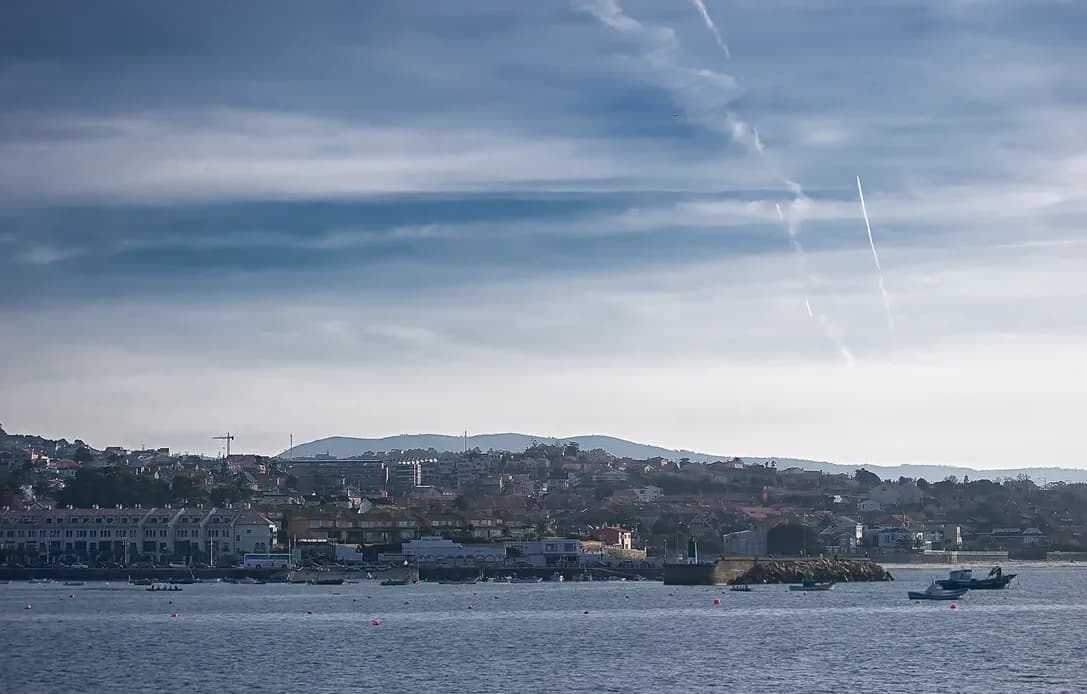
Vigo is one of Spain's busiest fishing ports, set on a deep natural harbour on the Atlantic coast of Galicia. Cruise ships have called here for decades, and the redeveloped waterfront now feels welcoming rather than industrial. The old town, the seafood streets and the hilltop fortress of El Castro sit close together, so a short call still delivers a proper city day.
This stop suits passengers who like cities you can walk into rather than transfer through. It also works well for anyone who wants a long lunch of oysters and Albariño within sight of the ship. If your ideal day is a beach swim or a full-day pilgrimage city, plan the logistics carefully before you commit.
Where ships dock: Muelle de Transatlánticos
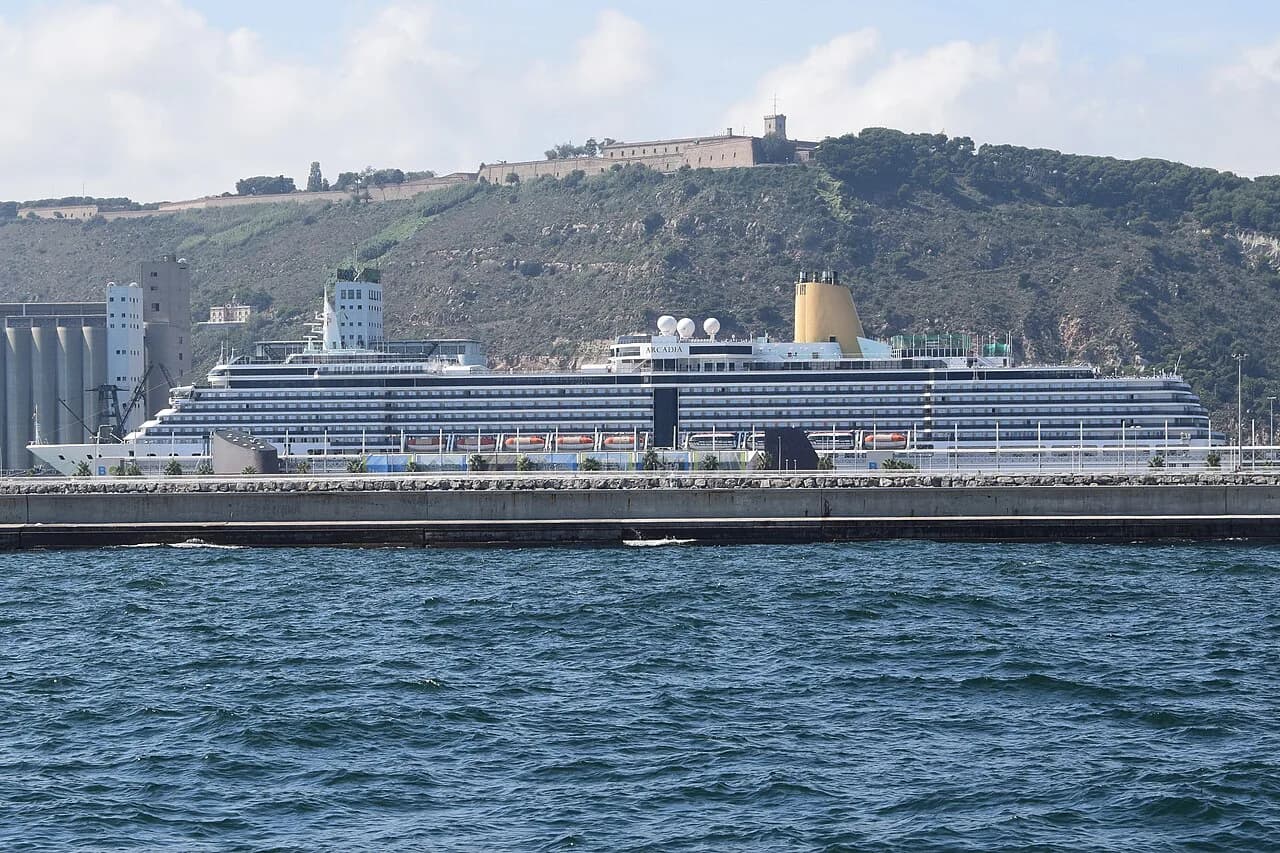
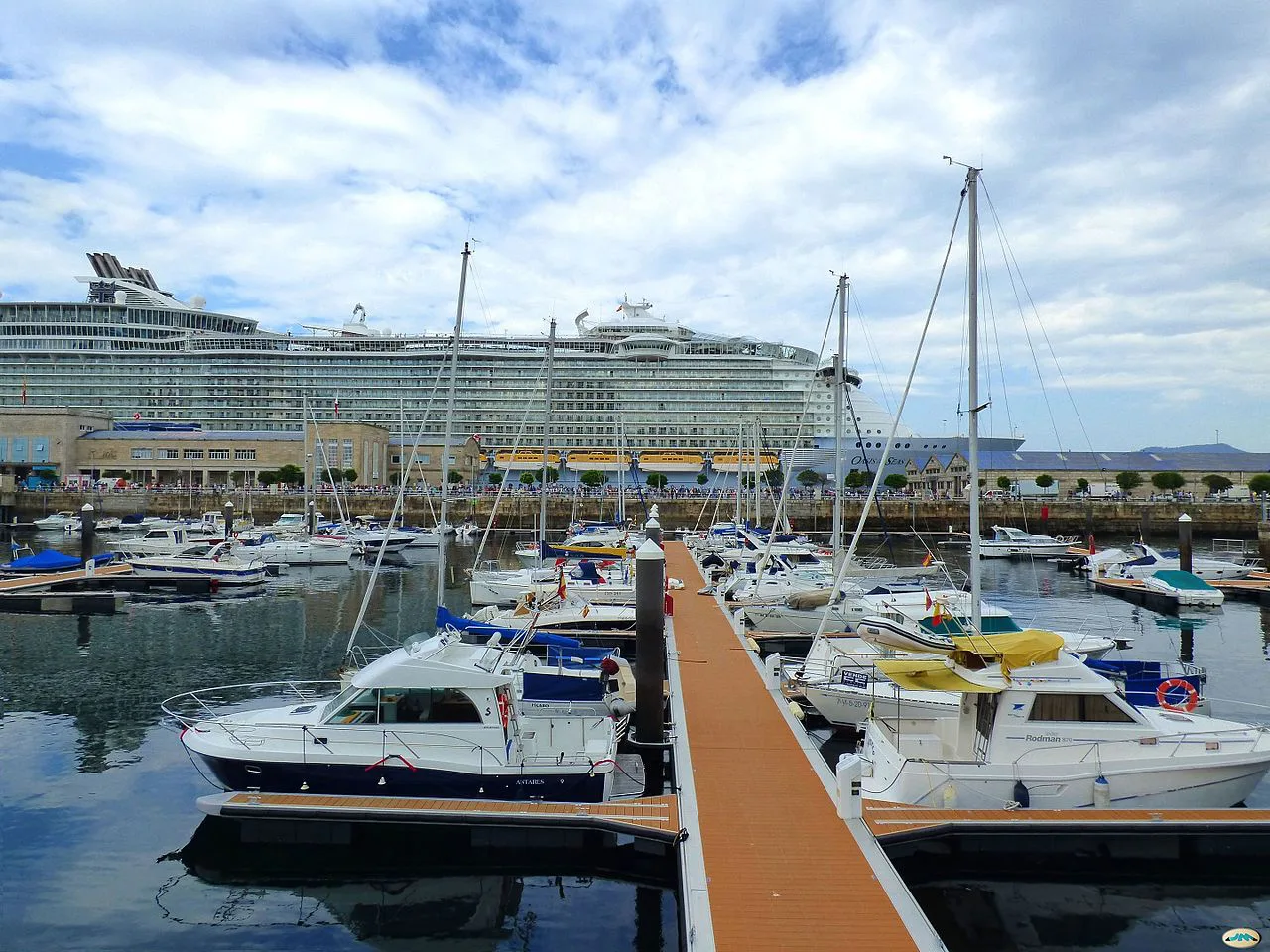
Cruise ships berth at the Muelle de Transatlánticos, part of the redeveloped port area right on the waterfront. The Estación Marítima terminal is modern and compact, with a few shops, a Wi-Fi cafe and the local tourist office just across from it. Printed city maps are available at the tourist office if you prefer paper to a phone screen.
Disembarkation is straightforward: you walk off into the terminal, pass through and come out facing the palm-lined Avenida del Castillo. There is no long industrial crossing and no need for a port bus to reach the city. Ships that berth elsewhere in the harbour will usually run a shuttle, so read your daily programme for the exact berth and meeting point.
How far the berth is from the centre
The city centre is less than 500 metres from the terminal, a walk of five to ten minutes on flat ground. Passenger reports put the walk from the Estación Marítima into the old town at around 10 to 15 minutes at an easy pace. Either way, you are inside the old town before you have broken a sweat.
Treat the waterfront promenade as your reference line. The terminal faces it, the old town rises just behind it, and the streets leading inland from Avenida del Castillo take you toward the seafood quarter and the shopping core. If you only have a couple of hours, staying within this band is entirely sensible.
The walking route into the old town
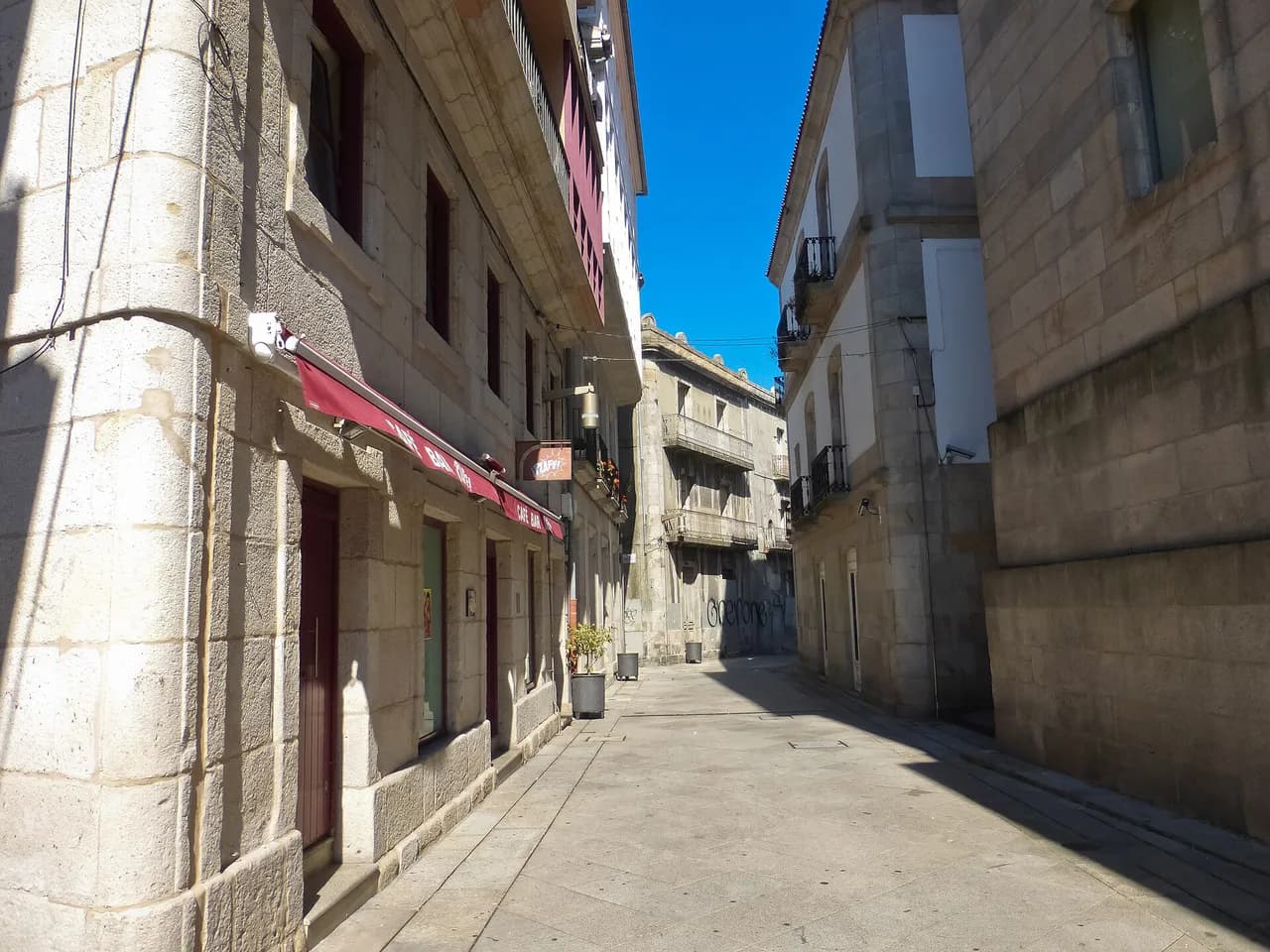
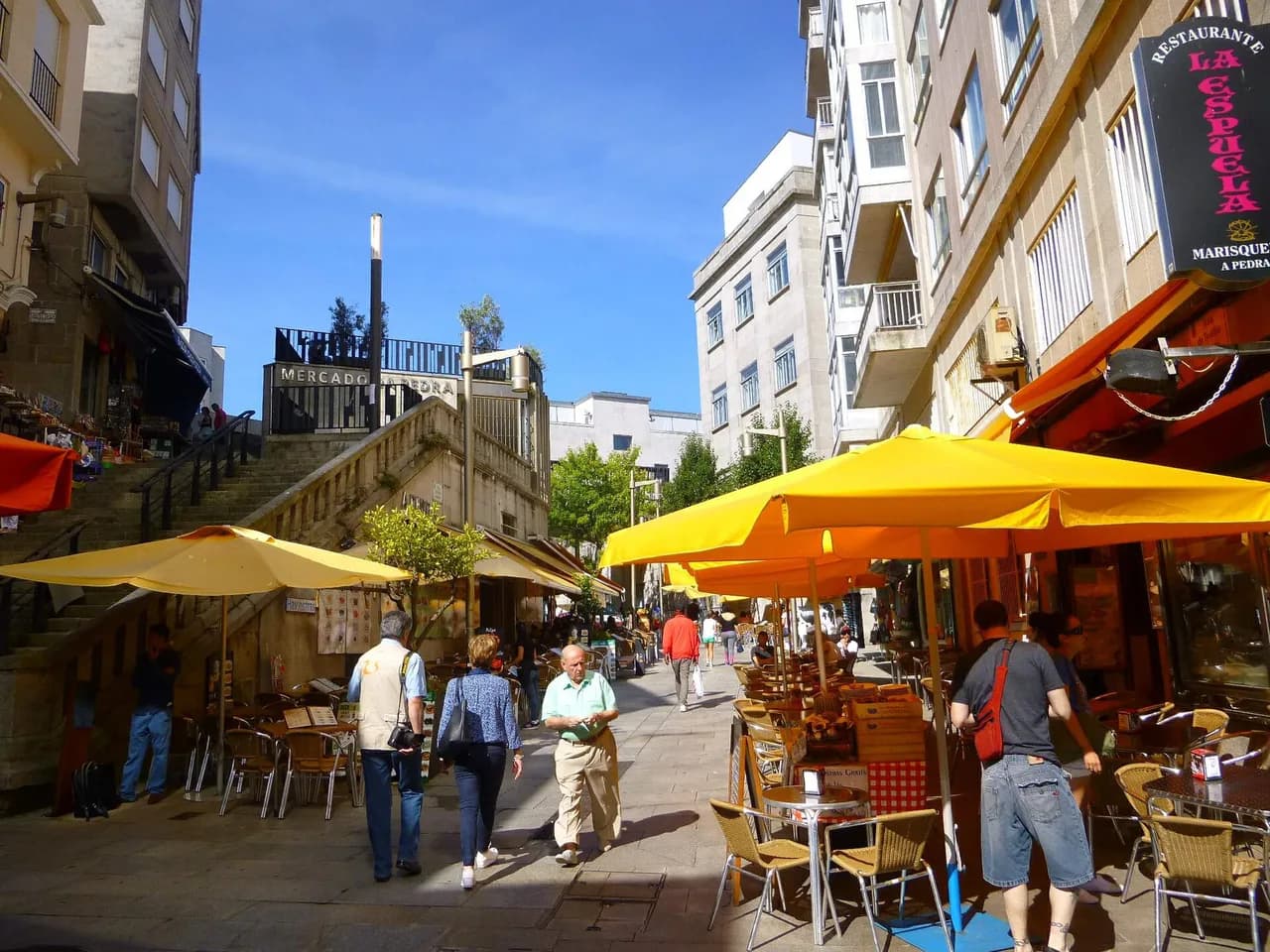
Cross Avenida del Castillo from the terminal, keep the water behind you and head inland along any of the parallel streets. Within a few blocks you reach the old town's granite lanes, where bars and restaurants crowd together. This is the zone to aim for if you want Oyster Alley and its shellfish counters.
The route is flat and pedestrian-friendly, with pavements wide enough for a relaxed pace. Pickpocket risk is low to moderate, so keep bags zipped in the crowded market and restaurant streets. Wear shoes with grip, because Galician granite gets slippery in Atlantic drizzle.
The shopping mall and lifts beside the terminal
A shopping mall with elevators sits next to the terminal, which matters if steps or steep streets are a problem. Use it as a step-free way to move between the waterfront level and the streets inland. The ground-floor exits put you back on the promenade within sight of the ship.
For slower walkers, this is a better plan than attempting the old town's slopes without a break. Build in a cafe stop on the way back, since the return leg is uphill toward the promenade in places. Ten extra minutes of buffer covers it comfortably.
Port shuttle buses: when they run
When a ship berths at the Muelle de Transatlánticos, there is no need for a shuttle: the walk is short enough that most passengers simply stroll in. Some calls involve a different berth or a distant quay, and in those cases the cruise line typically runs a paid or complimentary shuttle. Check your daily programme on the morning of arrival to see which applies, and where the bus picks up.
If a shuttle is running, treat it as a convenience rather than a necessity. It saves maybe ten minutes each way on a normal berth day and costs you waiting time when the bus fills. Walking is the better bet unless mobility or weather argues otherwise.
Taxis from the terminal rank
Buses and taxis are readily available beside the terminal, so a taxi rank is within a short walk of the gangway. Galician taxis are worth the fare for El Castro with its hilltop views, or for Samil beach when you want to save your legs for the sand. Ask the driver for an approximate fare before setting off, since rates vary by time of day and luggage.
Cards are widely accepted in Vigo, but keep some cash for taxis and smaller establishments. The emergency number in Spain is 112. Write down the berth name and the terminal so you can direct a driver back at the end of the day.
Public buses into town and along the waterfront
Local buses serve the city from stops close to the port, and the tourist office across from the terminal can point you to the right line. For most port days, the bus is unnecessary: the centre is a walk away, and waiting at a stop eats into shore time. Use the network if you plan to reach a further district without paying taxi fares.
Pay attention to the direction of travel, since routes run both along the waterfront and inland. Ask the driver to confirm your stop before you board. Keep small notes for the fare, or use a contactless card if the vehicle accepts one.
Hop-on hop-off sightseeing options
Passengers often ask whether a hop-on hop-off bus operates from the port. The straightforward answer is that the old town, the seafood quarter and the waterfront are all walkable on foot, so a sightseeing bus adds little for a normal call. If a city tour bus is running during your visit, the terminal tourist office is the place to ask about routes and tickets.
For a guided overview with commentary, a local walking tour or a ship excursion does the job without the hop-on hop-off format. Compare departure points before booking, since tours that start in the old town save you a walk, while those leaving from the terminal suit slower walkers.
Getting to El Castro fortress
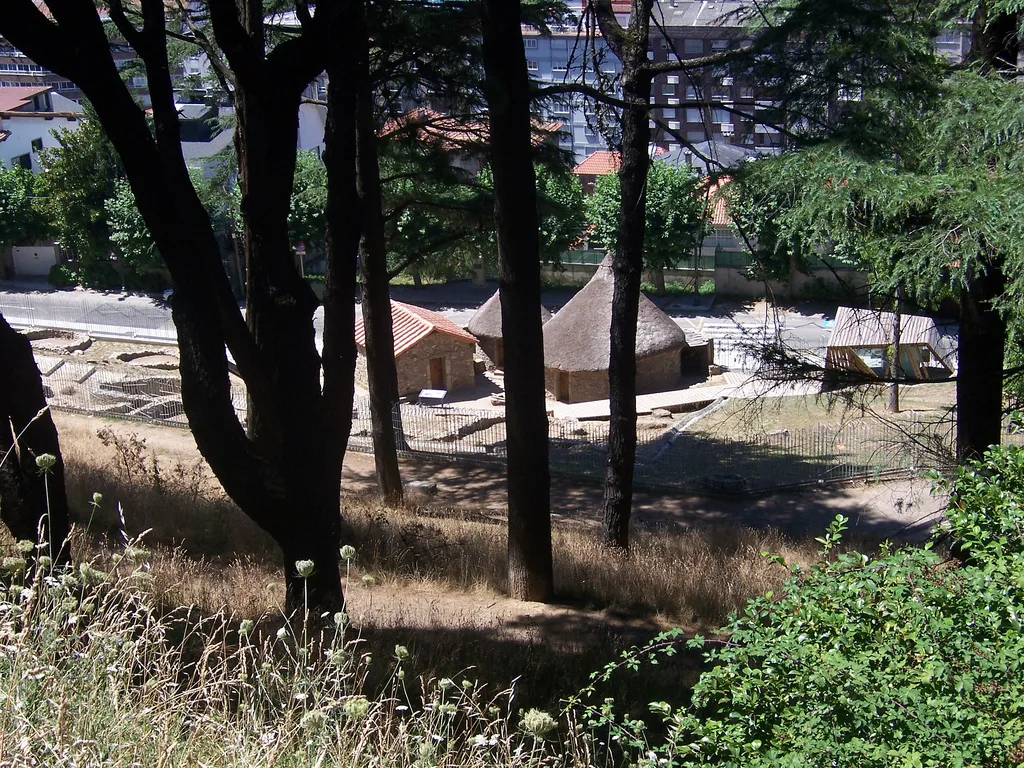
El Castro fortress gives you the best views over the harbour and the Atlantic beyond the city. It sits on a hill above the old town, so the climb is the price of the panorama. Walkers can head up through the old town streets from the centre; allow more time than the flat waterfront stroll and take the ascent steadily.
A taxi handles the hill in minutes and drops you near the top, which suits anyone with limited mobility or a tight schedule. Combine the fortress with a wander back down through the old town so the return is downhill. Sunset and morning light are the best times for photographs of the estuary.
Samil beach and the Cíes Islands
Samil beach is the city's Atlantic beach, a taxi or bus ride from the terminal rather than a stroll. The Atlantic here is bracing, so swimming is for the brave even in summer, and the sand is better suited to a walk than a full beach day on a short call. Pack a layer for the sea breeze.
The Cíes Islands are the showpiece of the estuary, reached by boat rather than by road. Those crossings run on a seasonal timetable, so a short call is not the moment to attempt them independently. Treat an island trip as a full excursion and book it through your ship or a local operator who returns well before all-aboard.
Santiago de Compostela day trip from Vigo
Santiago de Compostela is the big inland draw, a cathedral city of stone arcades and pilgrimage history. It sits well outside Vigo, so the day depends on road time in both directions. A long call can fit it, especially with a ship excursion that manages the coach schedule for you.
Going independently by bus or train gives you more time in the city but puts the return in your own hands. Allow generous margin over the scheduled travel time, and know where the station is relative to the cathedral. Anyone with a short call is better served staying in Vigo and enjoying the old town.
What fits a 6-, 8- and 10-hour call
With six hours ashore, stay in the city: walk to the old town, visit Oyster Alley, climb to El Castro if the legs allow, and leave time for a seafood lunch. Eight hours lets you add Samil beach by taxi or a longer wander through the market streets. Ten hours is the window to consider Santiago, or to combine the fortress with a relaxed waterfront afternoon. If you are weighing a similar low-effort city call elsewhere in the region, compare the walk-in options at the A Coruña Cruise Port to City Centre.
Build every plan around the all-aboard time rather than the published departure. Aim to be back at the terminal at least 30 to 45 minutes before all-aboard on a city day, and allow much more for a return from Santiago. The ship will not wait for an independent traveller, so be strict with yourself at the point of departure.
Return-to-ship timing and the buffer
The short walk from the old town to the terminal is the great advantage of a Vigo call. Even so, add buffer for crowds, drizzle and the queue at security. Fifteen minutes covers the walk itself on a normal pace; the rest of your buffer is insurance.
If you take a taxi back, ask the driver to drop you at the terminal rather than the shopping mall. For bus users, get off near the waterfront promenade and follow the ship's funnel or superstructure. Print or screenshot the port information so you are not relying on signal at the quayside.
Practical points for the day ashore
Spain uses the euro, and cards are widely accepted in shops, cafes and restaurants. Keep some cash for taxis and smaller establishments. Wi-Fi is available at the terminal and in most cafes in the old town, which is useful for checking your ship's app.
Atlantic weather can be cool and damp even in summer, so pack layers and a light rain jacket. Pickpocket risk is low to moderate, rising in crowded streets and markets. Keep your cruise card, cash and phone in zipped pockets and leave spare valuables on the ship.
Plan Your Visit
Vigo gives you one of the easiest port-to-centre transfers in Europe: a flat walk from the Muelle de Transatlánticos into the old town, with taxis and lifts available if you need them. Decide between a city day, an Atlantic beach stop or a Santiago run, then protect the all-aboard time.
Before leaving the ship, confirm your berth and any shuttle arrangements on the daily programme, and pick up a map from the tourist office opposite the terminal. If you want a structured day, compare ship tours with local operators using the Vigo Cruise Port Guide and shore excursions pages, and always know how you are getting back.
Frequently Asked Questions
Can you walk from the Vigo cruise terminal to the old town?
Yes. Ships dock at the Muelle de Transatlánticos on the waterfront, and the old town is less than 500 metres away across Avenida del Castillo. Expect a flat walk of about five to ten minutes at an easy pace.
How far is the city centre from the cruise port in Vigo?
The centre is under 500 metres from the terminal, and you are into the old town within minutes of leaving the ship. The route is flat and passes along the palm-lined waterfront promenade, making it one of the easiest city connections on a cruise itinerary.
Is there a hop-on hop-off bus from the Vigo cruise port?
The old town, the seafood quarter and the waterfront are all walkable from the terminal, so most passengers do not need a sightseeing bus. For a guided overview, ask at the terminal tourist office about walking tours and any city buses operating during your visit.
How do you get to El Castro fortress from the cruise ship?
El Castro sits on a hill above the old town. You can walk up from the centre, but the climb takes time; a taxi from the terminal handles it in minutes and suits anyone with limited mobility. Combine the visit with a downhill walk back through the old town.
How much time do you need for a Santiago de Compostela day trip from Vigo?
Santiago is well outside Vigo, so it needs a long call and careful planning around travel time in both directions. A ship excursion is often the safer choice, since the return timing is managed for you. For a short call, stay in Vigo instead.
How early should you return to the ship in Vigo?
Aim to be back at the terminal at least 30 to 45 minutes before all-aboard on a city day, since the walk from the old town takes only about ten to fifteen minutes. Allow much more time if you are returning from a longer trip like Santiago.
Sources
Port-day notes for your next cruise
Optional updates to our port guides.
You might also like


Continue reading
More guides you'll find useful