Vigo Cruise Port to Santiago de Compostela: Port Day Plan
Ships dock at Muelle de Transatlánticos in central Vigo, about 85 km from Santiago de Compostela. Compare the high-speed train, a taxi and a ship tour.
On this page
A call at Vigo puts one of Spain's great pilgrimage cities within reach: Santiago de Compostela sits roughly 85 kilometres north, about an hour by road. The trip only makes sense if your ship gives you a long day ashore, because you spend two hours of it travelling. On a short call, the old town, oyster bars and hilltop fortress in Vigo itself are the better use of your hours.
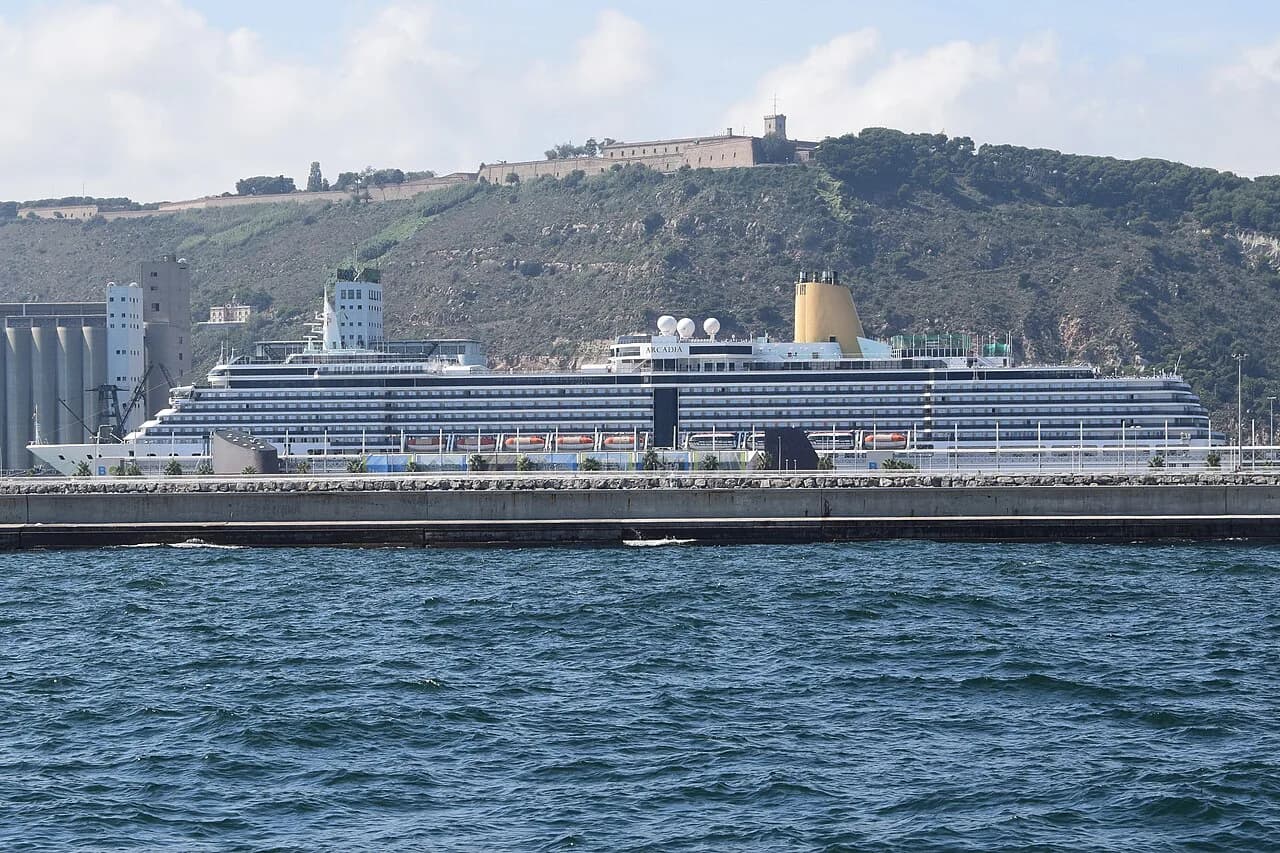
What makes Santiago realistic from Vigo, and not from every Iberian port, is the berth. Ships tie up at Muelle de Transatlánticos in the heart of the city, so you step off the gangway into town rather than onto a remote quay. The rail station is a short taxi ride away.
Where your ship docks in Vigo
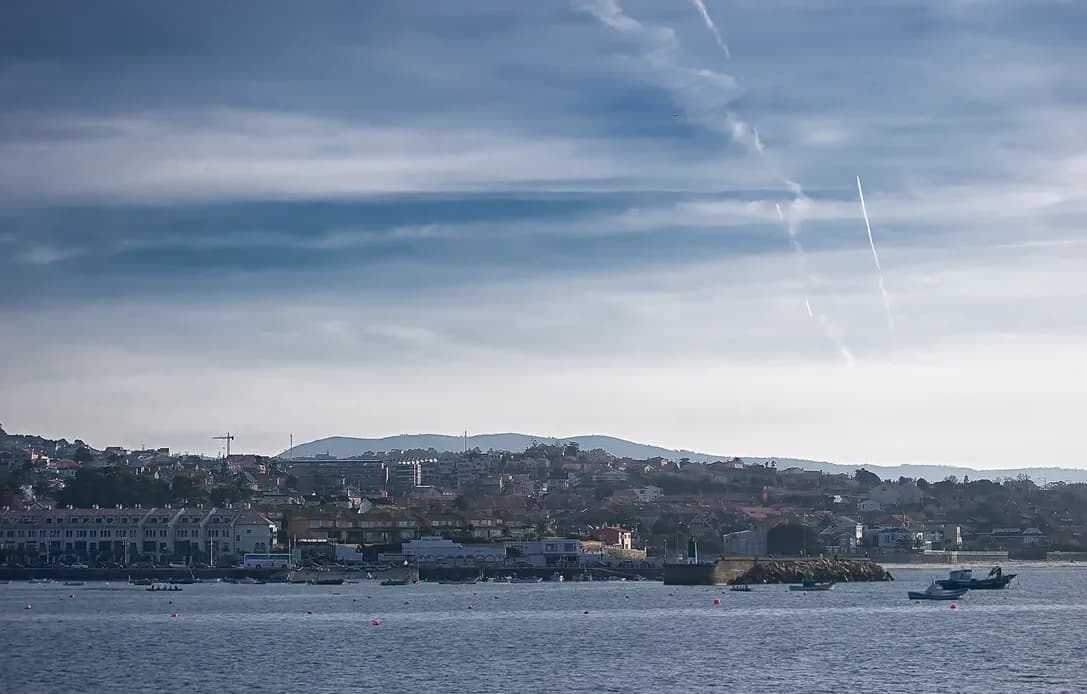
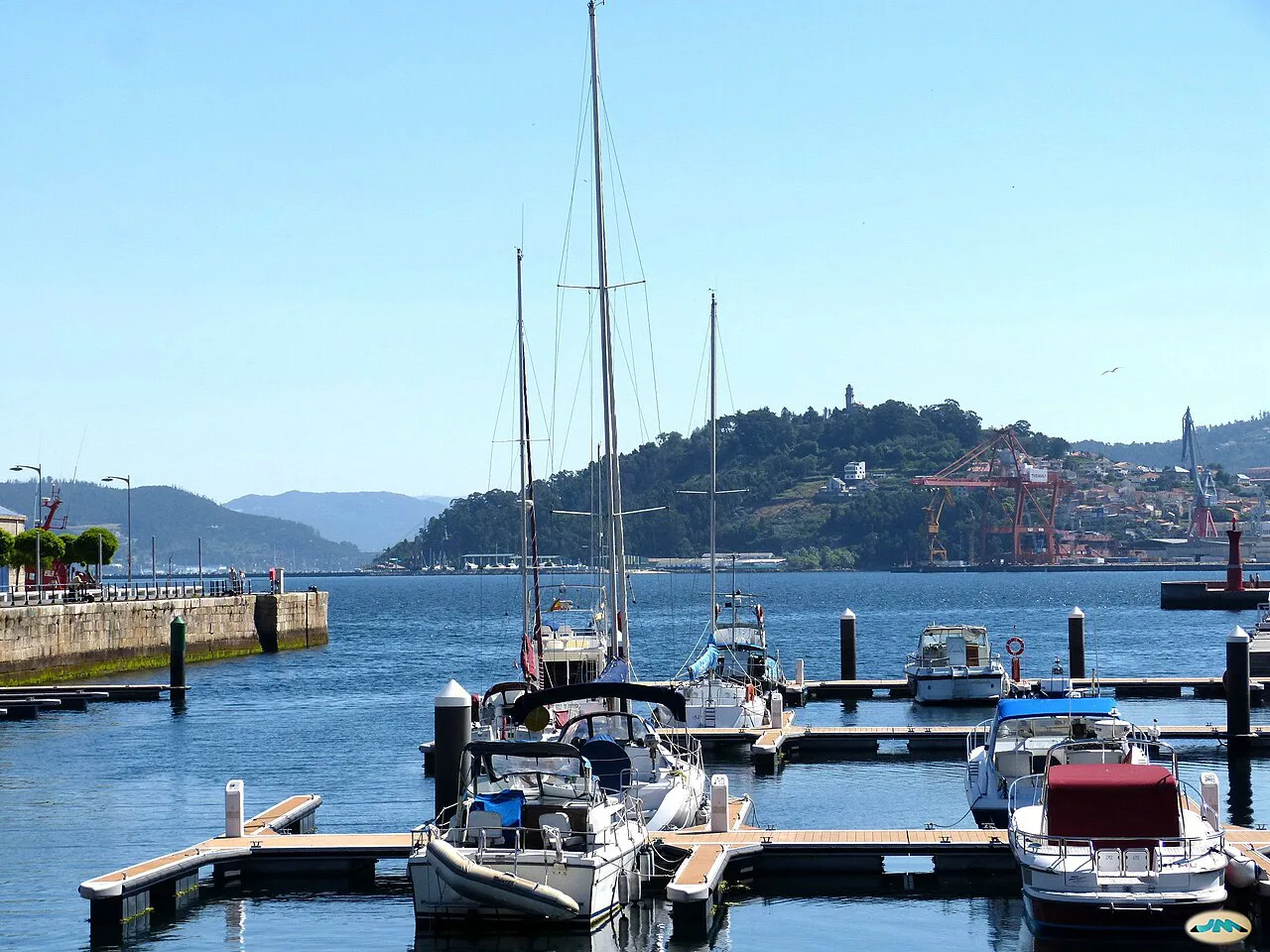
Cruise traffic uses the central area of the port, and ships dock at Muelle de Transatlánticos on the waterfront. There is no tendering. The terminal is compact, with toilets, security screening and a small souvenir area, and a tourist information office sits near the exit.
From the terminal exit you are on the waterfront promenade beside the marina, with the A Laxe shopping centre close by. For a Santiago day, this matters less for sightseeing than for logistics: you can reach a taxi rank, the ferry terminal and the city's shops within minutes of leaving the ship. The full layout of the berth, terminal and exits is set out in the Vigo Cruise Port Guide.
Distance and travel time to Santiago de Compostela
Santiago de Compostela lies approximately 85 kilometres north of Vigo, about an hour by road. Road-distance calculators give slightly different figures depending on the route, so treat any single number as an approximation and plan on the journey eating into your port hours either way.
In practice, a road transfer or coach tour takes around an hour each way in normal traffic, so budget two hours of driving before you count a single minute in the city. The rail option covers the same corridor, but the timetable and the time spent getting to and from the stations change the arithmetic. That is why the mode you choose matters more than the distance itself.
Option 1: High-speed train from Vigo-Urzáiz
Vigo has two railway stations: Vigo-Guixar, which handles regional trains and is the closer of the two, and Vigo-Urzáiz, which has the high-speed connections. For Santiago, head for Urzáiz. Both are a short taxi ride from the cruise terminal, so the first step of the day is a quick cab from the quay to the station.
Check the Renfe timetable for your date before you commit to the train. Departure times, frequency and the journey length on the high-speed service vary by service, and the rail operator publishes the current schedule and fare types. Book a return train with a comfortable margin, because a missed connection at the end of the day is your problem, not the ship's.
The train works best for travellers who are comfortable managing their own transfers and who have a long call. It gives you an independent day in Santiago at a fraction of the logistics of a coach tour, but it adds two taxi hops and two station waits to your day. If your all-aboard time is tight, a direct transfer from the quay removes those moving parts.
Option 2: Ship's shore excursion with port pickup
The ship's own Santiago excursion is the lowest-risk version of the day. Coaches collect passengers at the cruise port in Vigo and drive to Santiago de Compostela, where a guided walking tour covers the cathedral and the old town. Everything is organised around the ship's schedule, and the cruise line knows your all-aboard time.
You pay for that convenience in flexibility and usually in price. A ship tour moves at group pace, keeps to a fixed itinerary and rarely leaves room for a long lunch or an unhurried wander through the squares. Read the duration and the meeting point on the excursion listing carefully, and compare the total time in Santiago with the time you would get by train.
Option 3: Independent coach or private tour booked ahead
Independent operators run full-day excursions to Santiago aimed specifically at cruise passengers, with transfer from the port of Vigo and a guide working in English. These tours typically combine the drive north with a guided walk in the city and return you to the quay.
The trade-off against the ship's tour is accountability. A local operator has every incentive to return you on time, but if a coach is delayed the ship is not obliged to wait. Book through a platform with a clear cancellation policy, confirm the pickup point at the terminal and keep the tour company's phone number with you. If the excursion is one of several Vigo shore excursions you are weighing, compare the time in Santiago against the time you would spend in the city.
Option 4: Taxi or private transfer for small groups
Taxis are available right outside the port and are the simplest way to skip the uphill walk into Vigo's old town, but for Santiago you want a pre-booked private transfer rather than a metered cab. A private car takes your group straight from the quay to the cathedral area in about an hour, with no station waits and no group pace.
This option pays off for small groups: split the cost of a vehicle and the per-person figure can compete with coach tours while giving you control over when you leave Santiago. Agree the return time in writing with the driver and build in the walk back to the ship. For anything beyond the city centre, the same logic makes a booked car the more reliable choice than finding a taxi on the day.
Option 5: Renting a car on a short call
Renting a car for this trip rarely pays. You add a pickup and drop-off at a city office, paperwork, parking in Santiago's historic centre and the risk of traffic on the return. The drive is only about an hour, but the faff around it eats the time you came for. On a short call, skip it entirely.
Matching the trip to a 6-, 8- or 10-hour call
On a six-hour call, stay in Vigo. Two hours of the day in transit to Santiago leaves too little time in the city to justify the journey. A few hours on foot covers the old town, the waterfront and the A Laxe shopping centre without rushing, and you keep a comfortable buffer. The cruise port to city centre walk is a few minutes over the promenade, so no transport is needed at all.
An eight-hour call is the threshold where Santiago starts to work. With roughly six usable hours on the ground after the drive each way, a ship tour or pre-booked transfer gives you a guided walk, the cathedral and time in the squares. Doing it by train on the same call is tighter, because the station hops and timetable dependence reduce your margin.
A ten-hour call is the comfortable version. You can take the high-speed train independently, spend a relaxed half-day in Santiago and still be back with time to spare. It is also the call length that lets you combine Santiago with a short walk through Vigo's waterfront before all-aboard, rather than choosing one or the other.
Building the return buffer around all-aboard time
Work backwards from the all-aboard time, not the published departure time, and deduct the journey back plus a real margin. For a road transfer from Santiago, allow an hour for the drive and aim to be at the quay well before the deadline. For the train, add the taxi hop from Urzáiz to the port and a wait for a cab, which can be longer than you expect on a busy afternoon.
The buffer should reflect consequence as well as probability. Missing the ship in Vigo means a long, expensive overland run to the next port, possibly in another country. That is the argument for a ship's excursion on a first visit: it removes the connection risk you cannot control. No one can promise the ship will wait, so treat the all-aboard time as absolute whatever option you choose.
What you get in Santiago: cathedral, old town and the Camino
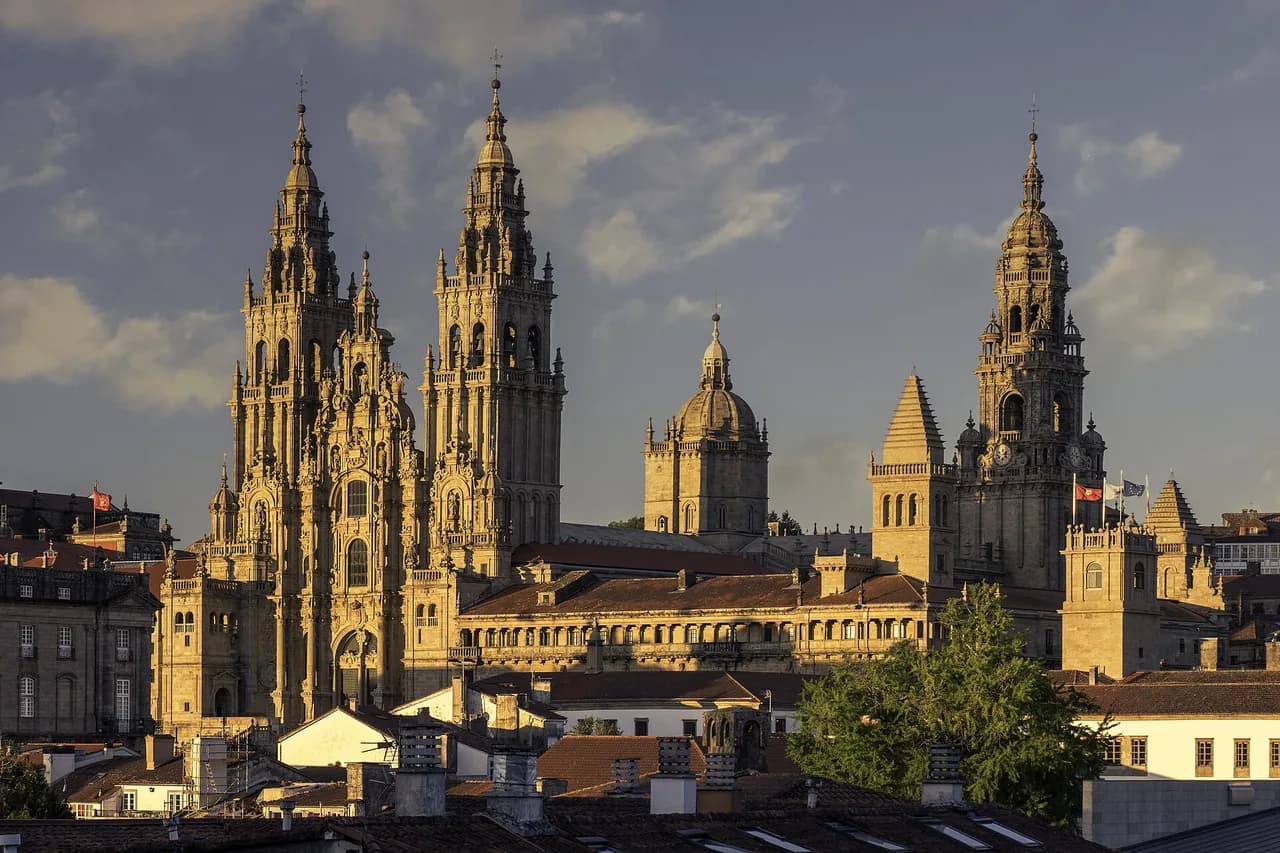
Santiago de Compostela is the final stop of the Camino de Santiago, and pilgrims have arrived here for more than a thousand years to honour St James. The cathedral anchors the UNESCO-listed old town, a compact maze of stone streets and historic squares. Plan for about an hour and a half of walking time if you want to see the main squares and the cathedral exterior at a reasonable pace.
The city rewards an unhurried hour: a coffee in a square, a look at the pilgrim traffic and a wander off the main approach. That is also why the day works better with a private transfer or an organised tour than with a tight train schedule. You are paying travel time for atmosphere, so leave room to absorb it.
What you give up: Vigo's old town, oysters and El Castro
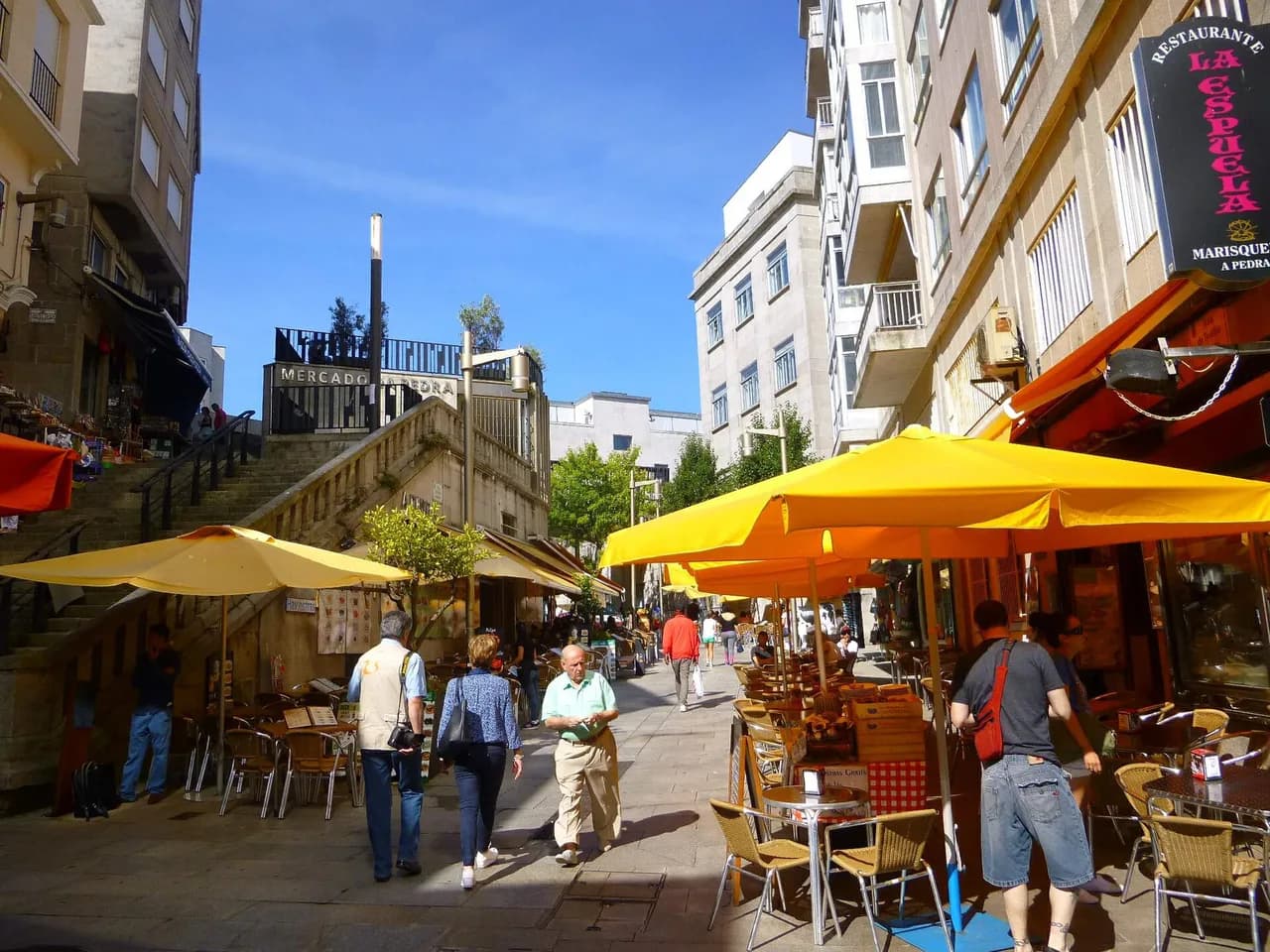
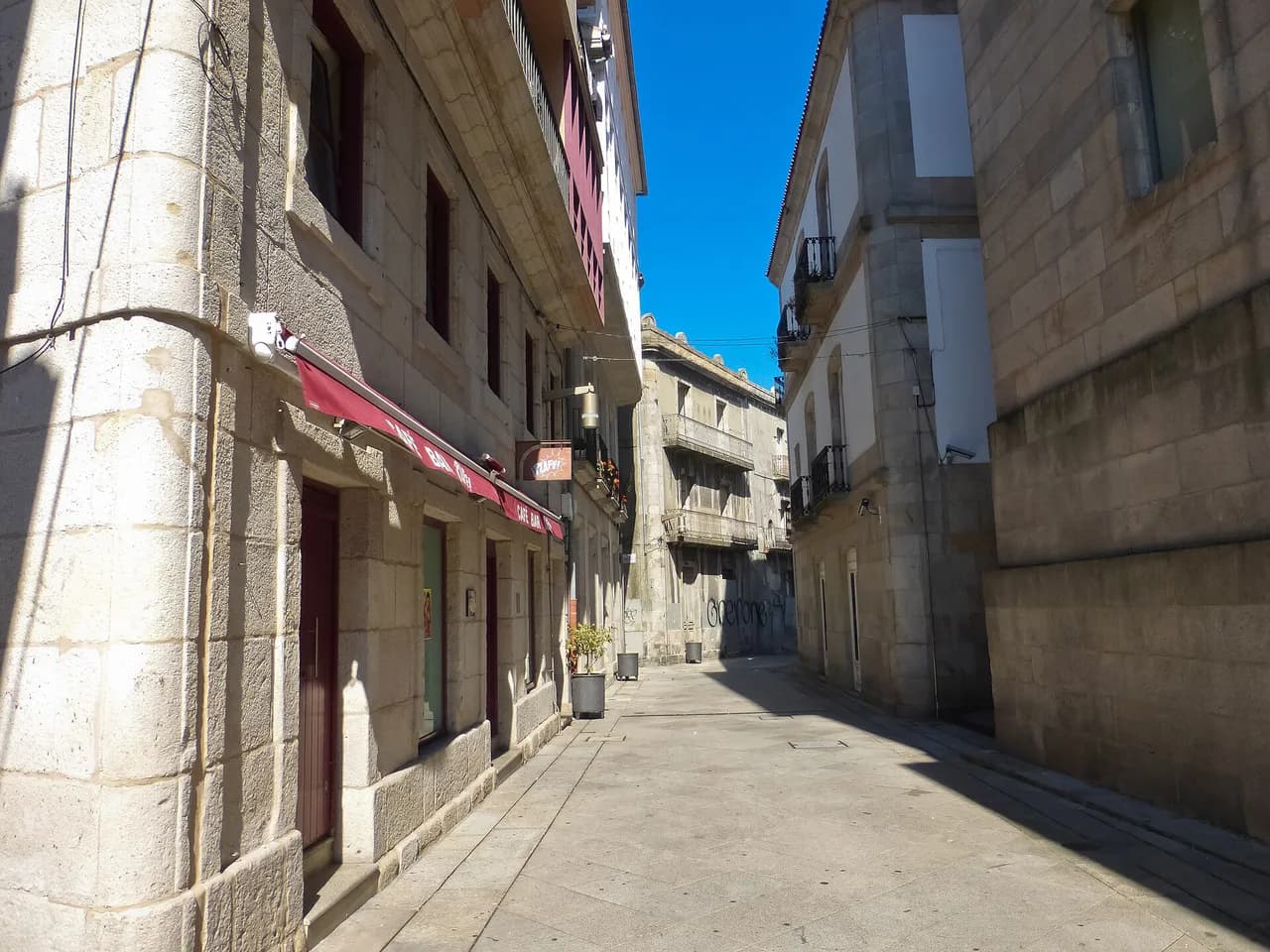
Choosing Santiago means giving up Vigo's own strong cards. The old town is a five- to ten-minute walk from the terminal, though the final stretch climbs away from the waterfront. Casco Vello packs in the Mercado da Pedra oyster stalls, the Concatedral de Santa María and the Plaza de la Constitución. Allow about an hour and a half to two hours for a relaxed loop.
Above the city, Castelo do Castro offers the best panoramic views in Vigo, including a look down at your own ship in the bay. The fort is free to enter and the climb on foot is genuinely strenuous, so many passengers take a taxi or bus to the gates instead. Vigo Vertical, the city's covered outdoor escalators, gives you a free boost up the steepest streets, but they only go up.
If seafood, tapas and a hilltop fortress sound like a better port day than a coach, plan Vigo instead. The things to do in vigo cruise port include the waterfront, the shopping streets and the fort, all within a short walk or taxi ride of the berth.
Combining Santiago with a short walk in Vigo before all-aboard
On a ten-hour call, the best plan blends both. Leave early for Santiago, spend the morning and early afternoon there, and return with enough time for a flat walk along Vigo's waterfront promenade and a quick stop at the A Laxe shopping centre next to the terminal. That gives you the pilgrimage city and a taste of the port without the hill climb.
Keep the return leg simple: come back to the quay area first, confirm you are comfortable with the time, then walk. A last-hour dash to a viewpoint is how port days go wrong. If the weather turns Atlantic-grey, the covered escalators and the shopping centre keep you dry without straying far from the ship.
Practical notes: tickets, meeting points and walking in Santiago
Buy train tickets through Renfe before you sail, and book any independent tour or private transfer in advance during peak season. Wineries and Santiago tours use the same short cruise-season window, and popular departures fill. Take the tour company's contact details and your cruise line's port agent number with you.
In Santiago, expect cobbled streets and a compact but hilly old town, so wear shoes that cope with stone. In Vigo, the port area is flat while the historic centre sits uphill, and step-free access from the terminal is available. If you are tempted by the islands instead of the city, the Cíes Islands ferries leave from the marina next to the cruise berth, but visitor permits are required in advance.
Plan Your Visit
The decision comes down to call length and appetite for logistics. Six hours means Vigo on foot. Eight hours makes a ship tour or private transfer to Santiago workable. Ten hours lets you take the high-speed train and still walk the waterfront before all-aboard. Decide which of those you have, and check current prices and dates, before booking anything. If you are weighing a different Galician port for the same pilgrimage day, the A Coruña Cruise Port to Santiago de Compostela guide covers the alternative.
Whichever you choose, treat the return time as fixed and build your day around it. The train, transfer and independent tour options all work, provided you leave Santiago with margin to spare.
Frequently Asked Questions
How far is Santiago de Compostela from the Vigo cruise port?
Santiago de Compostela is approximately 85 kilometres north of Vigo, about an hour by road. The distance is measured from the city, and the cruise terminal sits in the centre, so the transfer adds only a few minutes from the quay.
Is there a train from Vigo to Santiago de Compostela?
Yes. High-speed services run from Vigo-Urzáiz, while Vigo-Guixar handles regional trains. Both stations are a short taxi ride from the terminal. Check the Renfe timetable for departure times, journey length and fares for your date.
Can you visit Santiago de Compostela independently from a cruise ship in Vigo?
Yes. You can take a taxi to Vigo-Urzáiz and a high-speed train to Santiago, or pre-book a private transfer. Independent travel works best on a long call, because you carry the risk of delays on the return and no transport operator is obliged to hold the ship.
Is a Santiago day trip worth it on a six-hour call in Vigo?
No. Two hours of travel leaves too little time in Santiago to justify the trip. On a six-hour call, explore Vigo's old town, waterfront and hilltop fortress instead and keep a comfortable buffer before all-aboard.
Which Vigo train station has high-speed trains to Santiago?
Vigo-Urzáiz is the station with high-speed connections. Vigo-Guixar, the closer of the two to the port, serves regional trains, so head to Urzáiz for the fastest option.
Do cruise ships tender in Vigo?
No. Ships dock at Muelle de Transatlánticos in the city centre, so you walk off the gangway onto the waterfront. From there, taxis, the marina and the shopping centre are all within a few minutes.
Sources
- Vigo port. Tourist ports in Spain | spain.info
- Vigo Cruise Port Guide: What to Do on a Cruise Stop
- The Ultimate Guide to Vigo Cruise Port: How to Conquer the Hills, Castle, and Tapas of Galicia
- Full-Day Excursion to Santiago from Vigo for Cruisers Only
- Puerto de Vigo to Santiago de Compostela
- Vigo Santiago de Compostela Shore Excursion with Guide
Port-day notes for your next cruise
Optional updates to our port guides.
You might also like

Continue reading
More guides you'll find useful