Cruise Ports in Croatia: Where Ships Dock and What Fits a Port Day
Compare Croatian cruise ports: where ships dock in Split, Dubrovnik, Zadar, Hvar and Korčula, how far berths sit from town, and what fits each call length.
On this page
Croatia's cruise map is split between two large gateways and a string of harbors where the ship is often steps from the old town. Split and Dubrovnik carry the airports, the ferry networks and the big-ship berths, while Hvar, Korčula, Vis and Makarska reward passengers with short walks and small-ship piers. The result is that a Croatian port day tends to be a walking day, with the exceptions being Dubrovnik's harbor transfer and the long excursions out of Šibenik and Vis.
Cruise lines build Adriatic itineraries around these ports, and Croatia also appears on wider Mediterranean Sea and Adriatic Sea routings out of Italy and Greece. If you are comparing a Croatian call with a neighboring country's berths, the wider set in our european cruise ports guide makes a useful benchmark for distances and shuttle arrangements.
Where ships dock in Split
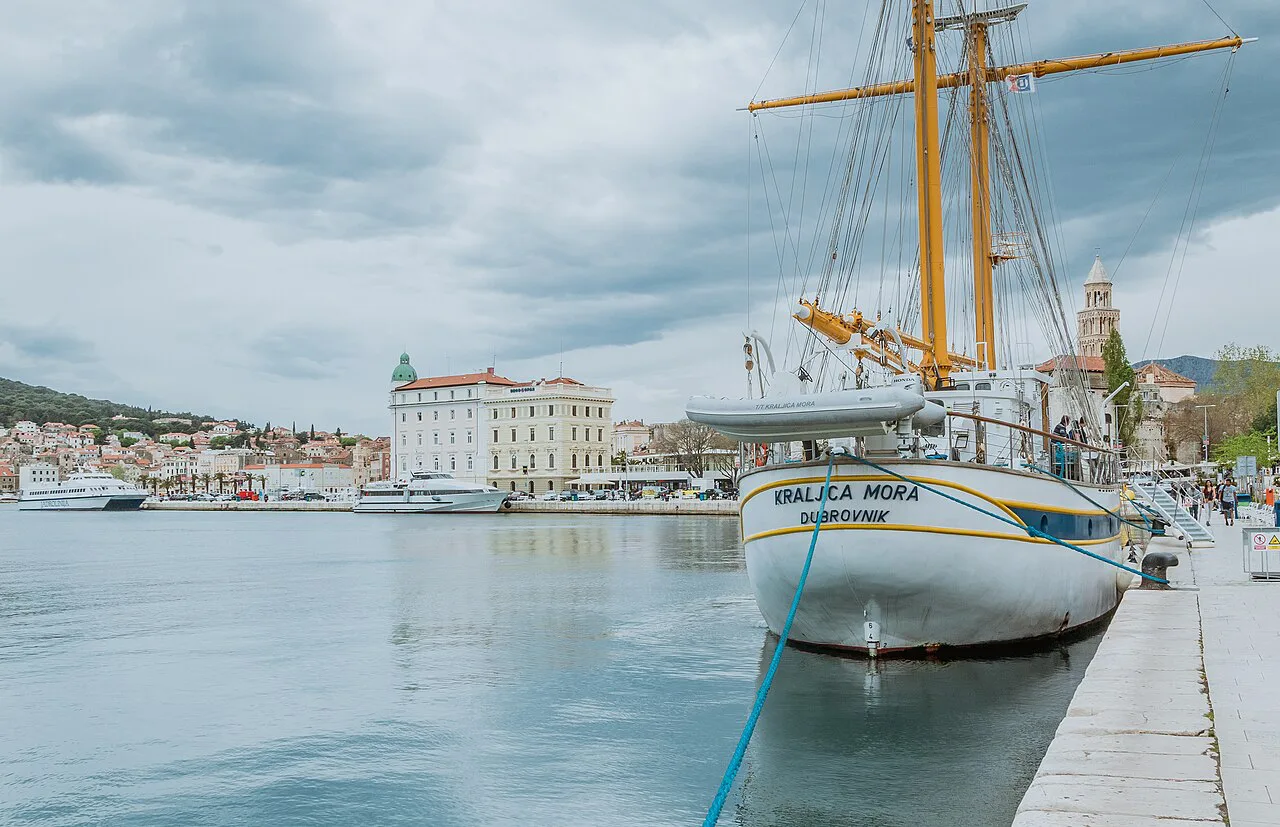
Split is Croatia's largest ferry and cruise port, and the harbor sits directly beside the Old Town and the Riva waterfront promenade. Most small-ship cruises dock along the Split Riva, the West Coast area or the nearby passenger terminals, all within walking distance of the city center. The West Coast quarter is lined with waterfront bars and restaurants and looks across the harbor, so even a berth there leaves you a flat ten- to fifteen-minute walk to Diocletian's Palace.
Larger cruise ships use the passenger terminal side of the harbor, which adds a few minutes compared with the Riva berths but keeps the Old Town inside a single walk. There is no need to plan a bus or taxi for the town itself; save those for the airport. Split Airport (SPU) sits roughly 25 km from Split Old Town, with transfers typically taking 30 to 40 minutes depending on traffic.
Split in 6, 8 or 10 hours
Diocletian's Palace and the Riva fill a six-hour call comfortably on foot, with time for the palace cellars, the peristyle and a coffee on the promenade. Eight hours adds Marjan Hill, the wooded park above town with panoramic views over the Adriatic, or one of the city beaches close to the center. Ten hours is the point where an island day trip becomes plausible, but ferry and catamaran schedules to Brač, Hvar or Vis consume most of the day and leave no slack for a late return.
Where ships dock in Dubrovnik
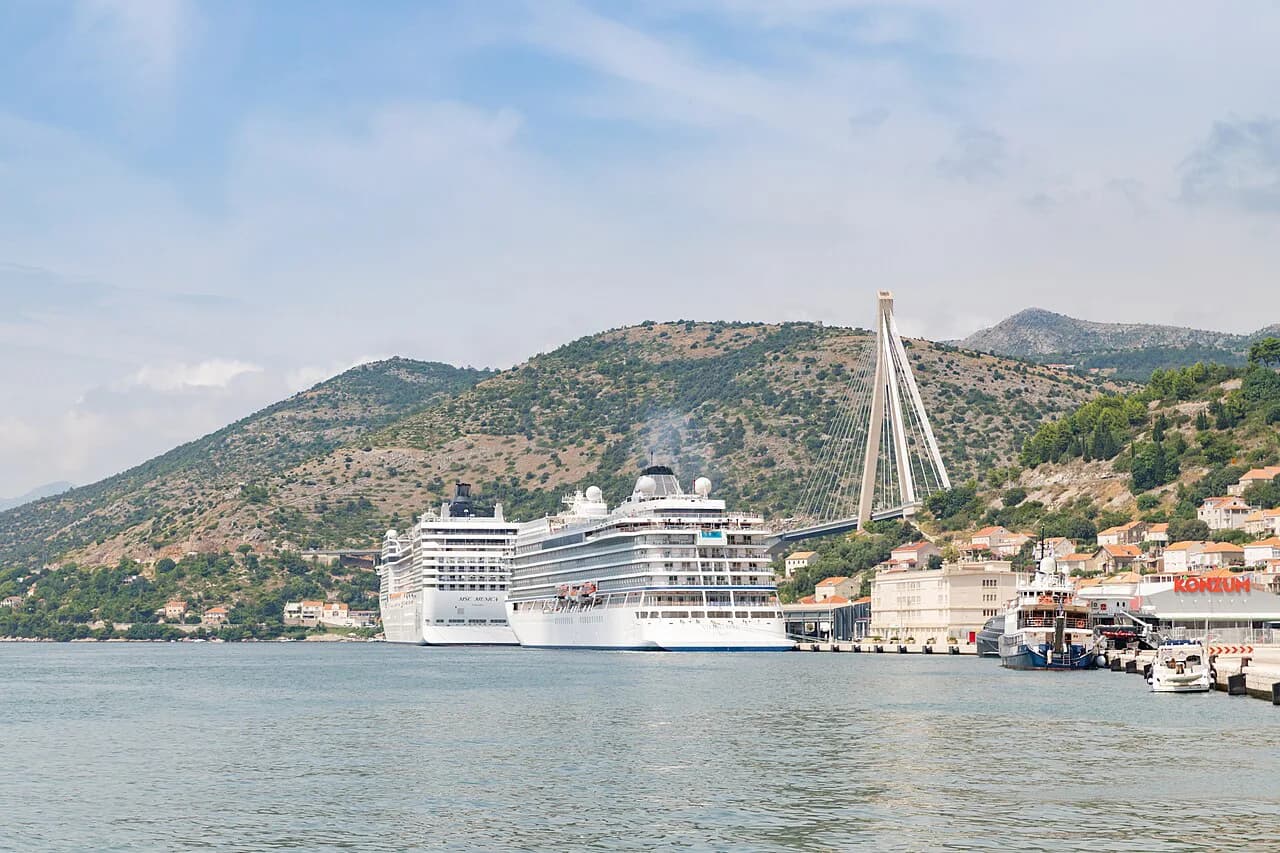
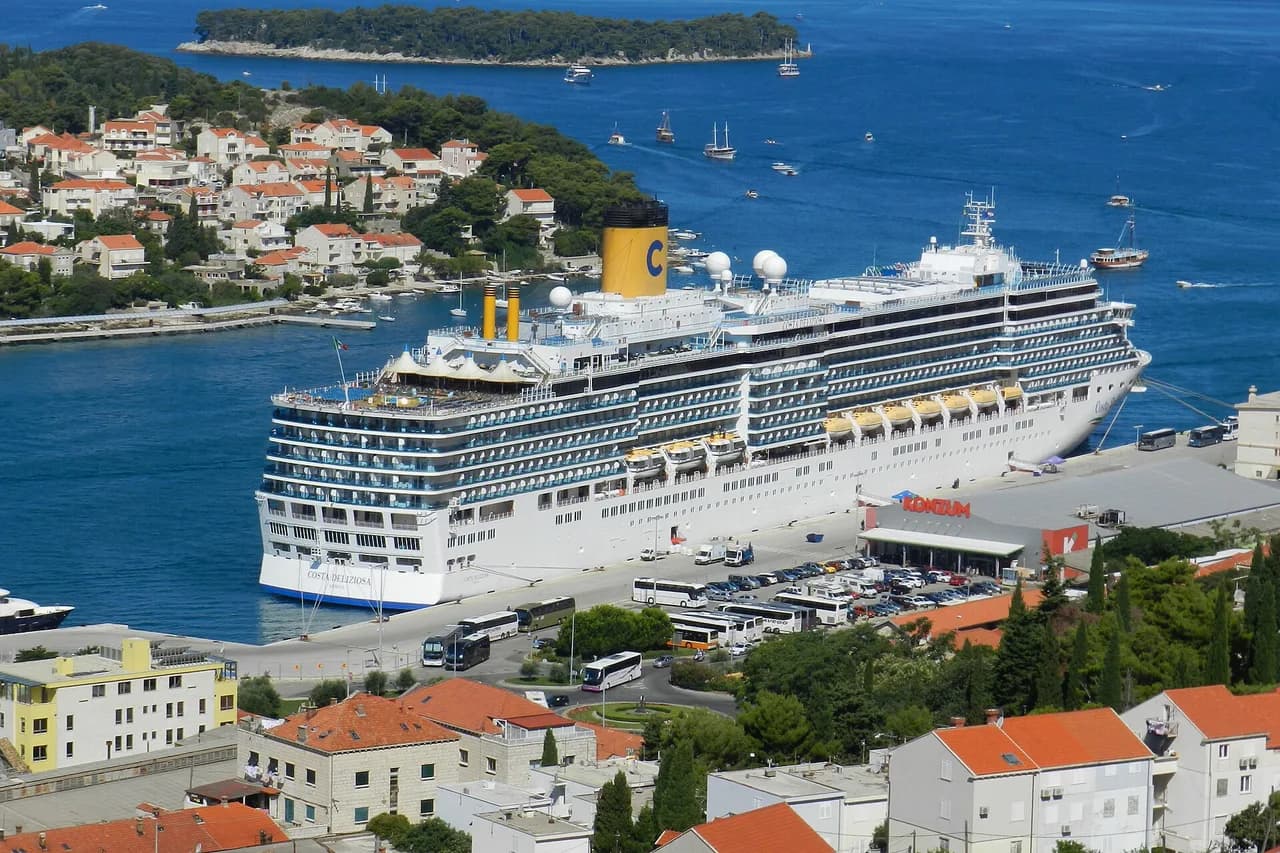
Dubrovnik's cruise and small ships dock in Gruž Harbour, which sits around 10 to 15 minutes from the Old Town by car or bus. That gap matters more here than anywhere else on the Croatian coast, because the walled city is where every headline sight sits. Local buses and taxis run between Gruž and the Old Town, and the cruise lines that use Dubrovnik as a turnaround port also run transfers for passengers heading to the airport.
If Dubrovnik is your embarkation or disembarkation port rather than a call, plan the airport leg in advance. Dubrovnik Airport (DBV) is approximately 20 km from the port, with transfers between the airport and the Old Town usually taking around 30 minutes. Taxis, private transfers, shuttle buses and rideshare services are the common options.
Dubrovnik in 6, 8 or 10 hours
A six-hour call covers the city walls and the Old Town lanes, but the wall walk itself takes time and heat slows it further in summer. Eight hours lets you add the cable car above the city or an afternoon at a beach club overlooking the Adriatic. Ten hours is generous enough to split the day between the walls in the morning and a slower lunch and harbor walk in the afternoon, while still leaving the bus ride back to Gruž unpressured.
Zadar: a walking day from the berth
Ferries, yachts and small cruise ships regularly dock near the city center in Zadar, putting the Old Town and the marina area within easy reach on foot. The waterfront sights are the reason to stay local: the Sea Organ and the Sun Salutation installation sit on the promenade, and the Roman-era street grid of the peninsula rewards a slow wander. Because the berths are central, Zadar is one of the easiest Croatian ports to treat as a pure walking day.
Zadar also works as an airport-linked turnaround. Zadar Airport (ZAD) is around 20 minutes from the port, which makes it one of the easiest coastal cities in Croatia to reach by air. Sail Croatia counts the Sea Organ, the Sun Salutation and the historic waterfront among the reasons visitors extend their stay.
Šibenik and Krka National Park
Šibenik sits on a sheltered bay and river entrance on the central Dalmatian coast, and its harbor is close to the Old Town, with many smaller vessels docking within walking distance of restaurants and the waterfront promenade. The stone architecture and the fortresses give the town a quieter, more local feel than Split or Dubrovnik. On foot you can cover the old core and at least one fortress in half a day.
Krka National Park is the reason some passengers treat Šibenik as a full-day port. The park is a road excursion from town, so it only makes sense on a longer call, and you should budget the return drive against your all-aboard time before booking. Šibenik is also a gateway to nearby island sailing routes, which private operators run from the harbor area.
Trogir: UNESCO old town beside the marina
Trogir's UNESCO-listed Old Town sits on a small island ringed by medieval walls, connected by bridges to the mainland and to Čiovo Island. Many yachts and small ships dock beside the town center, which makes the stone lanes and the marina-lined waterfront a short walk from the gangway. The town is easy to explore on foot and has a noticeably more relaxed atmosphere than nearby Split.
Trogir's other advantage is its position near Split Airport (SPU), roughly 10 to 15 minutes away, which makes it a convenient coastal start or end point for a cruise. If your itinerary calls at both Trogir and Split, expect two very different days: Split is a busy city with a Roman palace at its core, Trogir a compact walled town you can cross in twenty minutes.
Hvar: Hvar Town versus Stari Grad
Most small ships dock directly in Hvar Town's harbor, placing you steps from the restaurants, bars, beach clubs and the historic core. The hilltop fortress above town and the marina promenade are the classic pairings, and sunset over the Adriatic is the reason many itineraries time their call late. Larger vessels may instead use Stari Grad Port on the northern side of the island, one of Croatia's oldest harbor towns and a common arrival point for ferries.
The distinction is not cosmetic: Hvar Town delivers nightlife, beach clubs and upscale waterfront dining, while Stari Grad is the quieter, less crowded sibling on the same island. Stari Grad is considered one of the oldest towns in the region and suits a slow walking day rather than a party one. Ask your cruise line which harbor your call uses before you plan a beach or a boat trip.
Korčula: two berth options for one old town
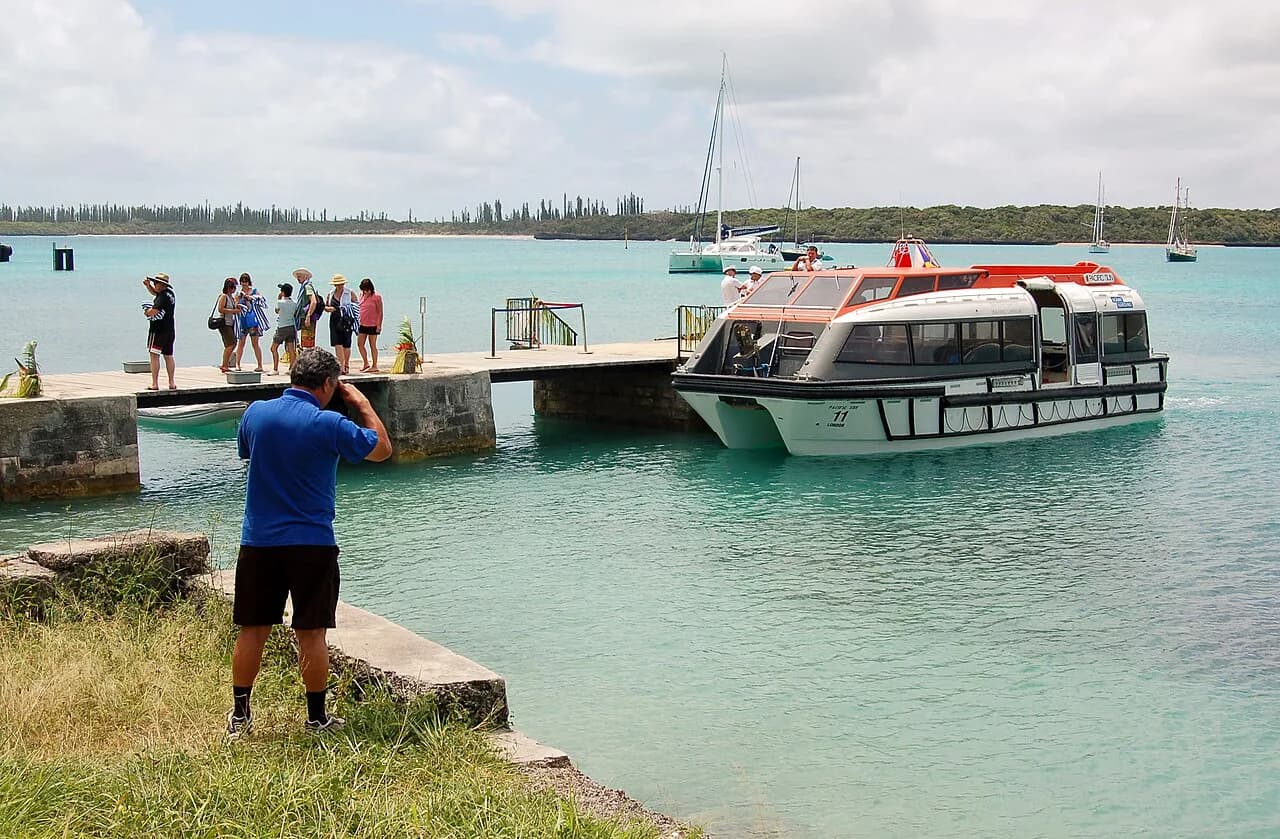
Korčula's medieval Old Town sits on a small peninsula, and depending on vessel size and season, ships may dock directly outside the Old Town walls or at the main ferry port located around 5 to 10 minutes away from the Old Town. The wall-side berth puts the stone lanes, the local wineries and the seaside restaurants immediately in front of you. The ferry-port berth adds a short walk along the waterfront, which is manageable for most passengers.
Korčula makes a strong half-day walking port: the Old Town is compact, the promenade is flat, and there is no transfer to budget for. That gives you a longer window for wine tasting or a leisurely lunch than a port like Dubrovnik, where the Gruž transfer eats into the day. Small ships and ferries call here regularly, so the harbor activity itself is part of the scenery.
Vis, Komiža and the Blue Cave
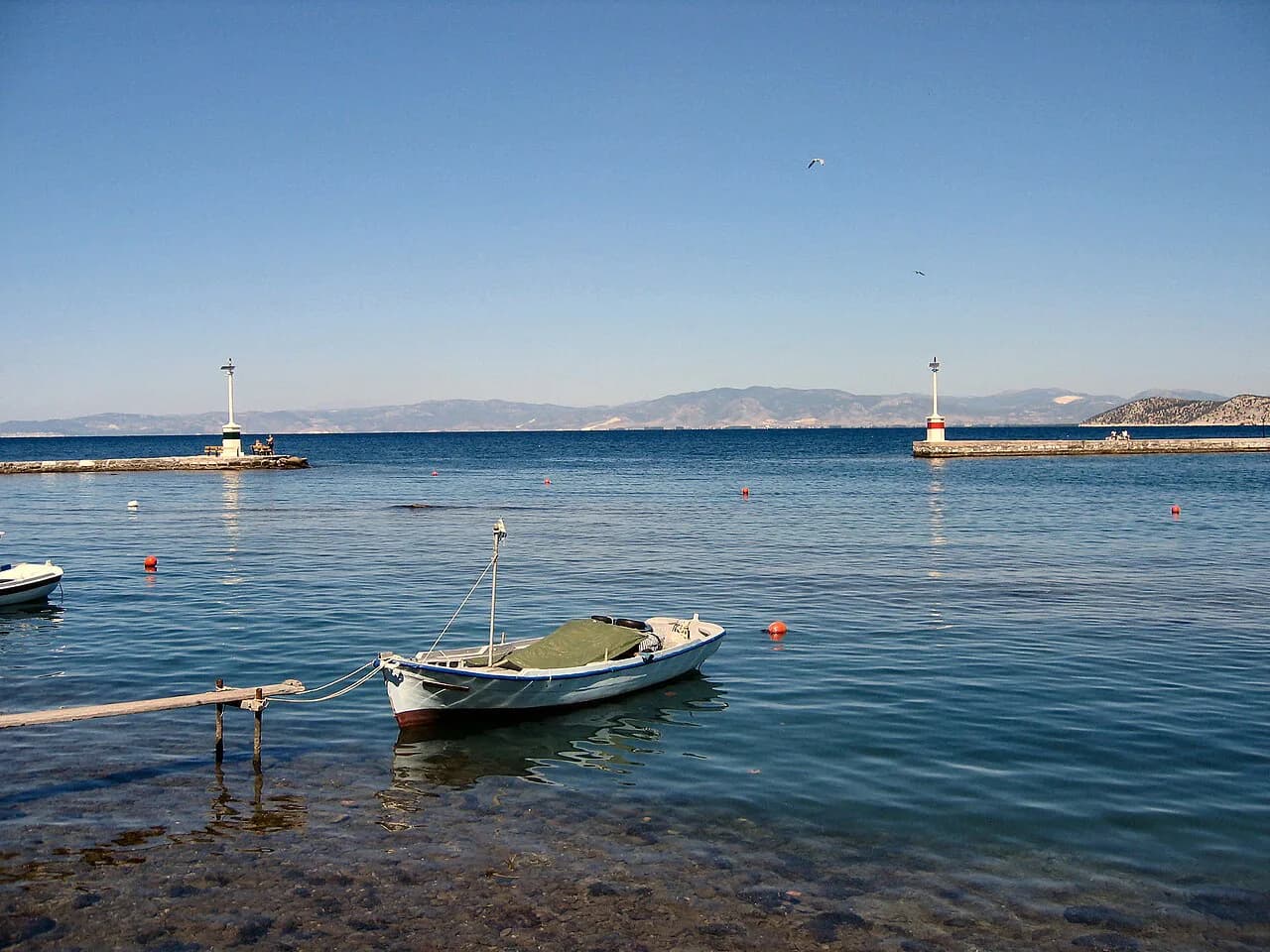
Vis is the quiet, remote island harbor in the Croatian cruise mix, known for secluded bays and a slower pace. Small ships and yachts commonly dock in either Vis Town or Komiža, the island's two main harbor locations. Vis Town has a lively waterfront promenade with easy access to beaches and cafés, while Komiža on the western side keeps a traditional fishing-village atmosphere.
The Blue Cave on nearby Biševo Island anchors most Vis port days, and boat trips to it run from the island as the main excursion. Treat it as a road-and-boat day rather than a walking day and leave a real buffer before all-aboard. Check with your cruise line which of the two harbors your call uses, since Komiža sits at the far end of the island from Vis Town.
Makarska: promenade, beaches and Biokovo
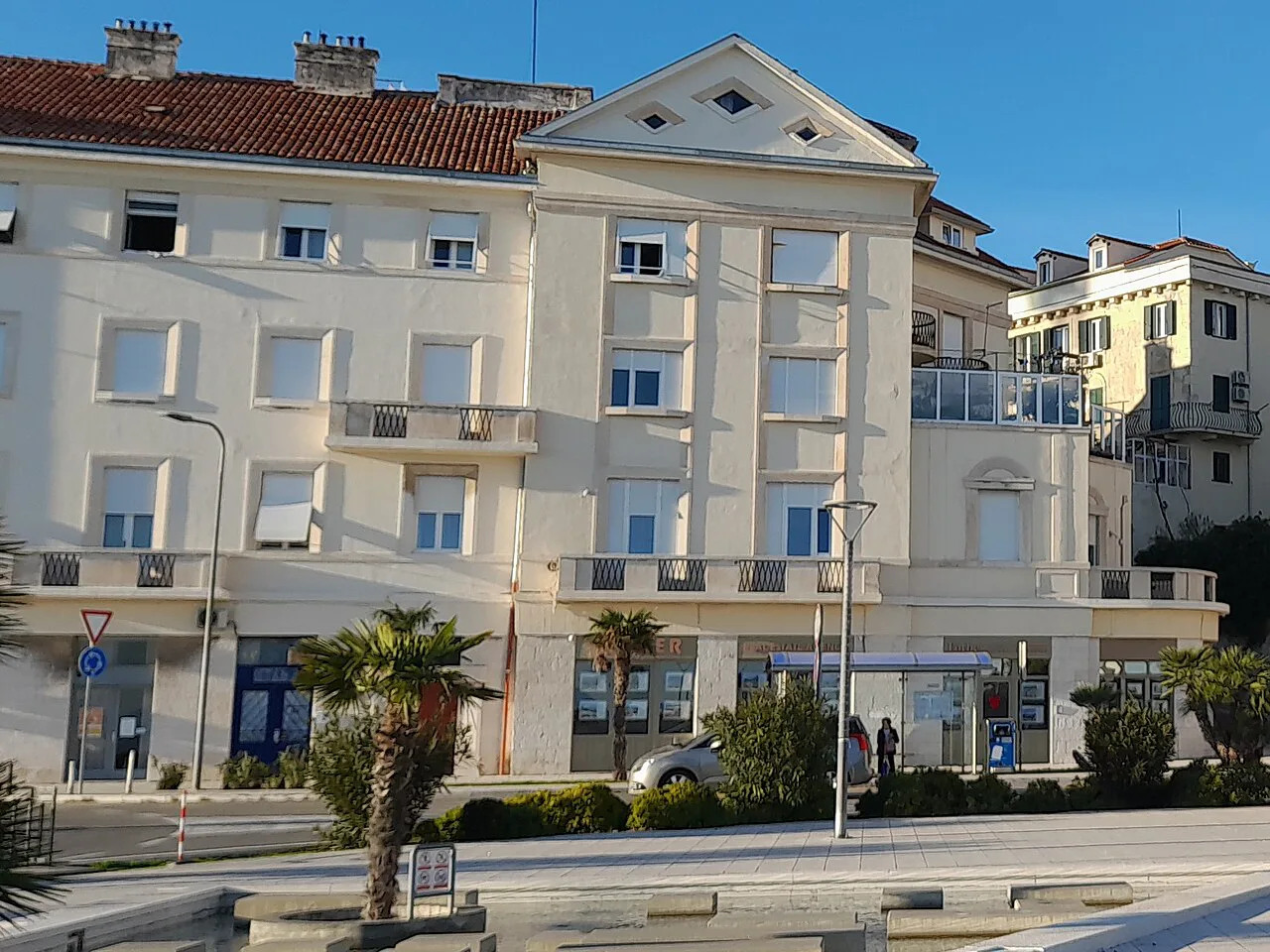
Makarska is a lively coastal harbor between Split and Dubrovnik, with a palm-lined promenade, beaches and the Biokovo Mountains rising directly behind town. Smaller cruise ships and sailing vessels dock close to the center, within walking distance of the restaurants, bars and waterfront. That makes Makarska one of the simplest Croatian calls to plan, because the beach and the promenade are the day.
Ship tour, local operator or independent
For Split, Zadar, Trogir, Korčula and Makarska, independent walking is usually the right answer because the berth is already at the edge of the old town. For Dubrovnik, independents still work well on the local bus or taxi to the Old Town, provided you build the Gruž return into your all-aboard margin; our Split cruise port guide covers the same comparison for Croatia's other big-ship gateway, and the Dubrovnik cruise port guide covers the Gruž berth in the same detail. For Šibenik's Krka National Park and Vis's Blue Cave, a ship tour or a booked local operator removes the transport problem and puts the timing risk on someone else's schedule.
No tour operator or cruise line guarantees that the ship will wait for an independent traveler who returns late, so the decision comes down to how much slack your call allows. A useful rule is to be back at the berth well before the published all-aboard time on any excursion that involves a road or ferry leg. If your wider trip continues to another country, our cruise ports in italy guide shows how Italian ports handle shuttle buses and terminal transfers by comparison.
Matching the port to your call length
Six-hour calls fit Split, Zadar, Trogir, Korčula, Hvar Town and Makarska on foot, because in each case the berth is close to the sights you came for. Eight hours is the sweet spot for Dubrovnik, where the Gruž transfer plus the city walls and the cable car consume most of the day without rushing. Ten hours is what Šibenik's Krka excursion and Vis's Blue Cave realistically need, and even then the return drive or boat ride should be checked against the ship's schedule.
Plan the Croatian Port Day Around the Berth
The most useful thing you can learn about any Croatian port before you sail is where the ship actually ties up. Split, Zadar, Trogir and Makarska keep you close to town; Dubrovnik puts you in Gruž with a short transfer; Hvar and Korčula may use one of two harbors. Your cruise line's shore-excursion desk or the port authority's schedule will confirm the berth for your sailing.
Once the berth is known, build the day backwards from the all-aboard time rather than forwards from the gangway. That is what separates a comfortable port day from a rushed one, whether you are climbing Dubrovnik's walls or catching a boat to the Blue Cave.
Frequently Asked Questions
Is Split walkable from the cruise port?
Yes. Split's small-ship and cruise berths sit along the Riva, the West Coast and the nearby passenger terminals, all within walking distance of the Old Town and Diocletian's Palace. You do not need a taxi or shuttle to reach the center.
Where do cruise ships dock in Dubrovnik?
Dubrovnik's cruise and small ships dock in Gruž Harbour, about 10 to 15 minutes from the Old Town by car or bus. Local buses and taxis connect the harbor with the walled city.
Do cruise ships dock at Hvar Town or Stari Grad?
Most small ships dock directly in Hvar Town's harbor. Larger vessels may use Stari Grad Port on the northern side of the island, so it is worth knowing which harbor your itinerary uses before planning a beach or boat trip.
How far is Korčula's cruise berth from the Old Town?
Depending on vessel size and season, ships may dock directly outside the Old Town walls or at the main ferry port around 5 to 10 minutes away. The wall-side berth puts you immediately in the old town lanes.
Can you visit Krka National Park from Šibenik on a port day?
Krka is a road excursion from Šibenik, so it suits a longer call rather than a short one. Build the return drive into your all-aboard margin before you commit to the trip.
Which Croatian cruise ports work best for a short call?
Split, Zadar, Trogir, Korčula, Hvar Town and Makarska all put the old town or waterfront within walking distance of the berth. Dubrovnik adds a 10 to 15 minute transfer from Gruž Harbour into the Old Town.
Where do cruise ships dock in Zadar?
Ferries, yachts and small cruise ships dock near Zadar's city center, putting the Old Town, the Sea Organ and the Sun Salutation on the waterfront within walking distance. Zadar Airport is around 20 minutes from the port.
Sources
Port-day notes for your next cruise
Optional updates to our port guides.
You might also like
Continue reading
More guides you'll find useful