Cruise Ports in Italy: Where Ships Dock and What Fits a Port Day
Cruise ports in Italy range from city-center berths to distant gateways. Learn where ships dock and which sights fit a short call.
On this page
A port day in Italy is usually decided by distance, not by the name on the itinerary. Naples puts you at the edge of the old center, while Civitavecchia is a working port a train ride from Rome and Livorno and La Spezia sit well inland from Florence. Working out the transfer first, then the sight, keeps you inside your all-aboard time.
Across the Italian coast, from the Ligurian ports through the Tyrrhenian and down to Sicily and the Adriatic, the pattern repeats: some berths open straight onto a seafront promenade, others require a shuttle bus, a train or a long coach transfer before anything worth seeing appears. This guide treats those transfer legs as the main planning decision rather than a footnote.
Why Italian cruise ports reward planning by distance, not by name
Itineraries sell Rome, Florence and Venice, but ships rarely dock in any of them. Rome's cruise port is Civitavecchia, Florence is served from Livorno or La Spezia, and Venice's cruise traffic uses mainland terminals rather than the historic waterfront. Reading the itinerary by the actual berth town, not the headline city, is the first step to a realistic plan.
Sort the ports into three types before booking anything. Walk-off ports put the town at the gangway; shuttle ports need a bus to a port hub or gate; gateway ports need a train or coach of an hour or more. The type decides how much sightseeing fits and how much slack you keep for the return.
Cruise lines sell Civitavecchia as Rome (Civitavecchia), which is the naming convention to watch for on your booking documents and shore-excursion lists. The port authority and terminal operator publish the berth and shuttle arrangements, and the cruise line confirms your terminal in the embarkation documents.
Civitavecchia for Rome: where ships dock, the free terminal shuttle and the train into Rome
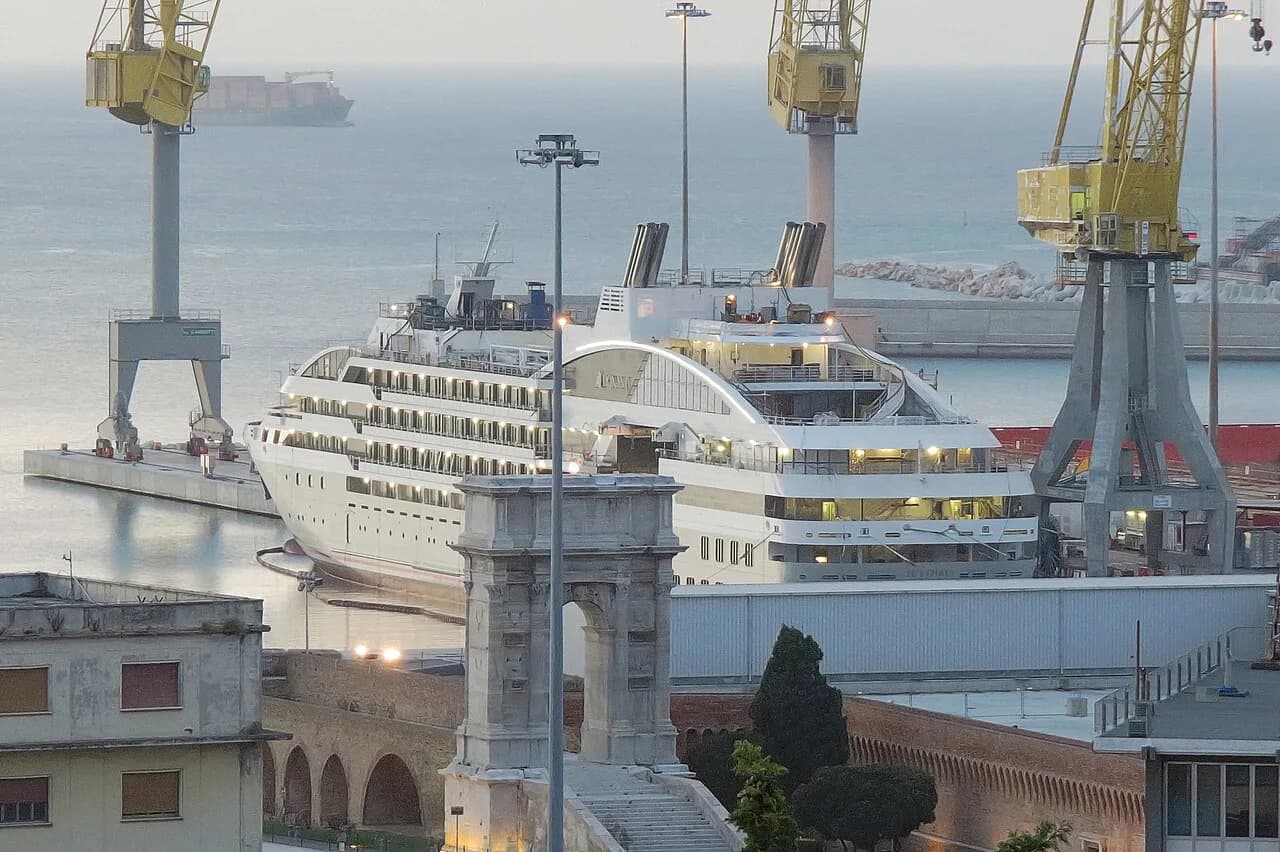
Cruise ships at Civitavecchia use the Rome Cruise Terminal, known as RCT, which serves the cruise docks and connects them to the piers with a free shuttle service. The separate Autostrade del Mare terminal handles ferries to Sardinia, Sicily, Spain and North Africa, so don't confuse the two if you are arriving or leaving by sea ferry.
From inside the port, the pedestrian exit at Varco Vespucci sits next to the main vehicle entrance and puts you on the street toward the terminal in under 500 meters. Exiting at Porta Livorno instead means a coastal walk of roughly 20 minutes to RCT. Both routes are flat and signed, but the Vespucci exit is the shorter default if you are on foot with luggage.
For Rome itself, the train from Civitavecchia station is the backbone of the independent day, and the station sits about one kilometer from the port, walkable if you travel light. Buy the BIRG five-zone ticket for 12 euros at the station: it covers unlimited public transport between Civitavecchia and Rome, valid from validation until midnight.
Getting from Civitavecchia station to the piers: Argo bus, Largo della Pace and walking exits
The local Argo bus links Civitavecchia station to Largo della Pace, also called Porta di Città, the port's main hub for cruise traffic. The one-way fare is 2 euros with luggage included, and the ride takes about 15 minutes. From Largo della Pace, free shuttles run frequently to the individual terminals and starting docks.
Read the sequence as three legs: station to Largo della Pace by Argo bus, Largo della Pace to your berth by free port shuttle, then the ship. On the return, reverse it and add waiting time at each hub; the first bus or shuttle is not guaranteed to appear as you arrive. The free shuttles are the piece most passengers underestimate on turnaround day.
If you are driving to Civitavecchia, enter the port, park in one of the three car parks and take a shuttle from there to the terminal. That keeps the car inside the port perimeter instead of in town, where you would add a walk or a bus ride before check-in.
Civitavecchia fares and tickets worth knowing before you leave the ship
Two tickets matter for a Civitavecchia port day: the 2-euro Argo bus between the station and Largo della Pace, and the 12-euro BIRG five-zone ticket for Civitavecchia to Rome and back with unlimited public transport in between. Buy the BIRG at the station, where it is sold, and validate it on first use so the validity starts correctly.
A private transfer with a driver licensed to pick up or drop off at the ship is the most comfortable option for Rome or the airport but the least economical. Treat it as a fixed-cost, fixed-time choice that suits early flights and tight groups rather than a budget day out.
How much of Rome actually fits a Civitavecchia call
Civitavecchia is a gateway port, and the train ride into Rome plus the Argo bus and port shuttle on either end eats a serious slice of any call. On a standard call, pick one cluster, such as the Colosseum and Roman Forum or the Vatican Museums and St Peter's, rather than trying to cross the city between them.
An organized shore excursion solves the transfer problem by handling the coach and the guiding in one block, at the cost of a fixed itinerary and a group pace. Going independently gives you freedom and a lower cash outlay, but every leg is yours to manage, and the ship will not wait for a late train. Book the ship's tour when the headline sight is far from the berth and you have little slack.
Compare excursions across several Italian calls before committing, since transfer times vary enormously between a walk-off port and a gateway port. First-time Mediterranean cruisers often find a mix of one ship tour at the longest-transfer port and independent days elsewhere works well.
Naples: city-center berths, Pompeii and the Amalfi Coast trade-off
Naples is the rare Italian cruise port where the ship berths beside the city, with the old center, the seafront and the castle within walking distance of the terminal. That makes it a strong independent port: you can spend a morning on foot and still be back at the gangway with hours to spare.
The harder choice is between Pompeii and the Amalfi Coast. Both sit outside the city and both need road transport, so a single call rarely does both well. Pompeii rewards an early start and a guide; the coast road rewards patience with traffic and a tolerance for a long day in a vehicle. Weigh that road time against a walk-off berth using the Naples cruise port guide, where the same Pompeii-or-coast decision is set out in full.
If you want to combine Naples with a wider southern Italy itinerary, treat it as the anchor port and plan the smaller Sicilian calls around it. The regional guide to european cruise ports maps how the Mediterranean and Adriatic itineraries chain these stops together.
Livorno and La Spezia for Florence and Pisa: docking, transfer time and the risk of a late return
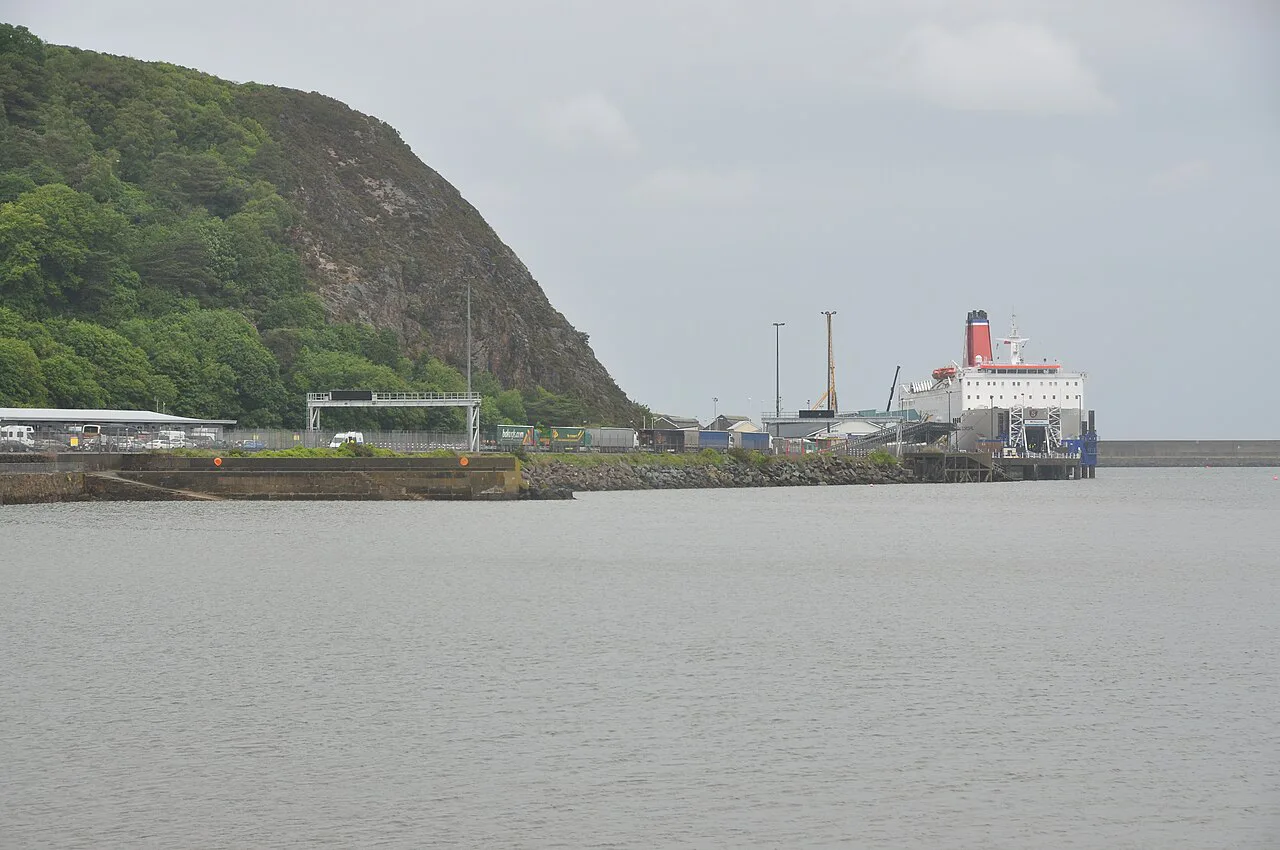
Livorno and La Spezia are both gateway ports for Florence and Pisa, and neither puts you in the city at the gangway. Expect a shuttle from the berth to a town or terminal point, then a train or coach onward. The combined legs are what make an independent Florence day tight on a short call.
Pisa is the more manageable target from either port because it sits closer and needs less time on the ground. Florence rewards a full day, so book it for a longer call or take the ship's transfer to remove the return-leg risk. Whatever you choose, work backward from all-aboard rather than forward from the gangway.
Genoa, Savona and the Ligurian calls: walking straight into town
Genoa's cruise terminal sits on the old harbor, with the aquarium, the historic center and the waterfront lanes within a walk. That makes it one of the easiest Italian ports to do independently, and it suits passengers who want a low-risk day ashore without a coach.
Savona and the smaller Ligurian calls follow the same pattern: a working harbor close to a compact old town. Use these calls to slow down, eat locally and walk, rather than to chase a distant headline sight. The Ligurian coast also rewards a simple ferry or coastal bus ride to a neighboring village if you want a change of scene.
Sicily and the south: Palermo, Messina and Catania compared on time ashore
Palermo puts the ship near the city, so markets, churches and the Norman palace are reachable on foot or with a short taxi ride. Messina is a working port beside the town but is best used as a springboard to Taormina and Mount Etna, which sit well outside the city and need road time.
Catania sits under Etna and gives you a choice between the baroque center and a volcano excursion, again with road transfer involved. Judge each Sicilian call by whether your target is on the doorstep or up a mountain road, and plan the day accordingly.
Venice and the northern Adriatic: transfers, terminal access and tight schedules
Venice is the clearest example in Italy of an itinerary name that does not match the berth. Cruise ships use mainland terminal areas rather than the historic waterfront, so reaching St Mark's Square involves a transfer plus a waterbus or a walk across the bridges. Build that transfer into the day before you plan any sightseeing.
The northern Adriatic calls, including the Istrian and Dalmatian stops on many itineraries, tend to be shorter hops where the ship is close to the old town. Those are good ports for an unhurried wander, while Venice is the one where a ship tour or a pre-booked transfer earns its keep.
Sardinia and the islands: short walks versus long excursions
Sardinian calls vary from port towns where you step off onto the seafront to berths where the beaches and mountain interior need a bus or a tour. Cagliari and Olbia both put a town center within a short walk, which makes them comfortable independent stops on a short call.
For the island beaches and the interior, treat the day as an excursion: road time out and back, plus the beach or boat time itself. On a six-hour call, a nearby beach beats a cross-island drive every time.
Ship tour, local operator or independent: how to judge the return buffer by port
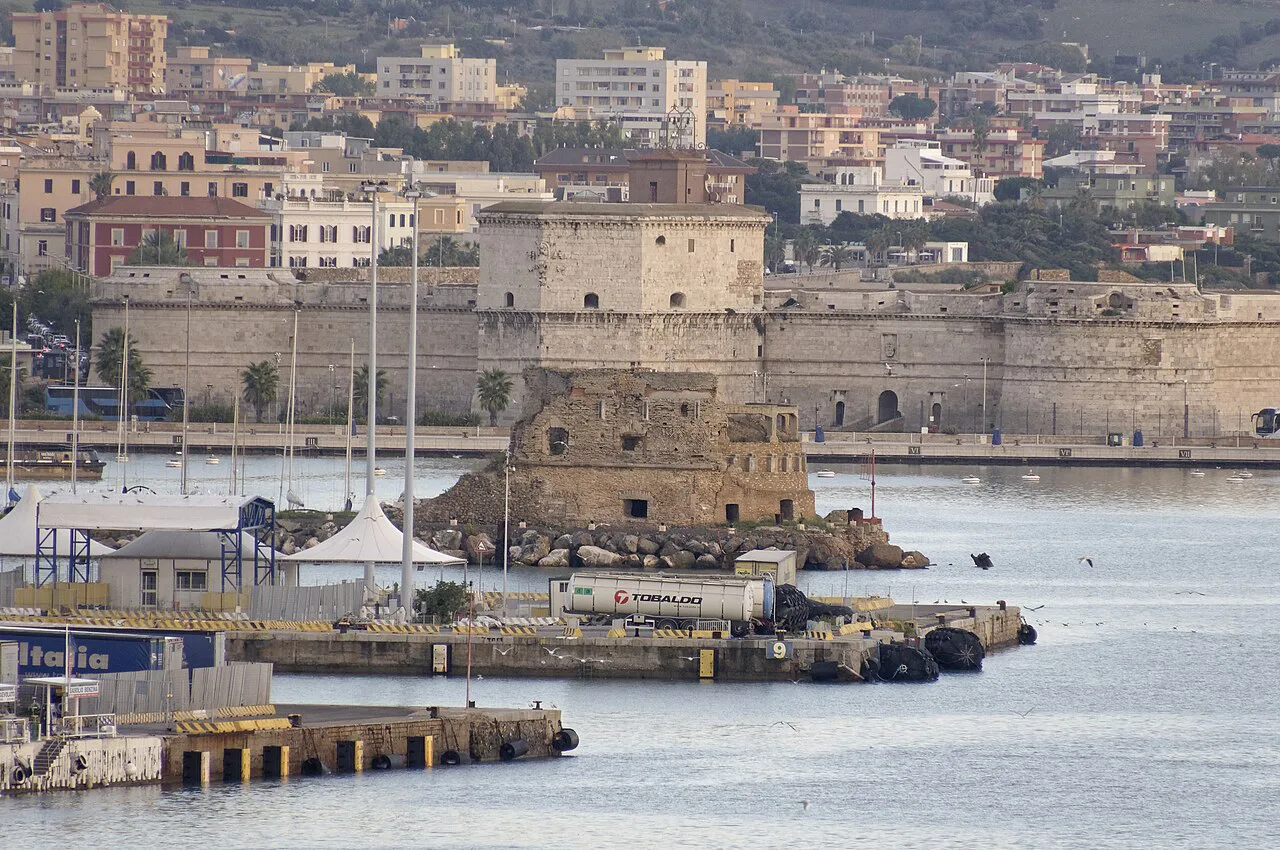
The rule that matters is simple: the more legs between the ship and the sight, the more buffer you keep. One shuttle and a walk needs little slack; a shuttle, a train and a metro needs a lot. Book the ship's tour where the transfer chain is long, and go independent where the town is at the gangway.
A local operator can be excellent value and more flexible than a coach group, but you own the return leg. The ship will not wait for a late independent traveler, so your own margin is the only protection. Cruise forums are full of cautionary discussions about exactly this trade-off on Italian itineraries.
If your itinerary also includes ports further north, the same logic applies to cruise ports in the UK, where gateway ports such as Dover put Dover Castle within walking distance of the berth but London far away.
Tender ports versus alongside berths: what changes for your day
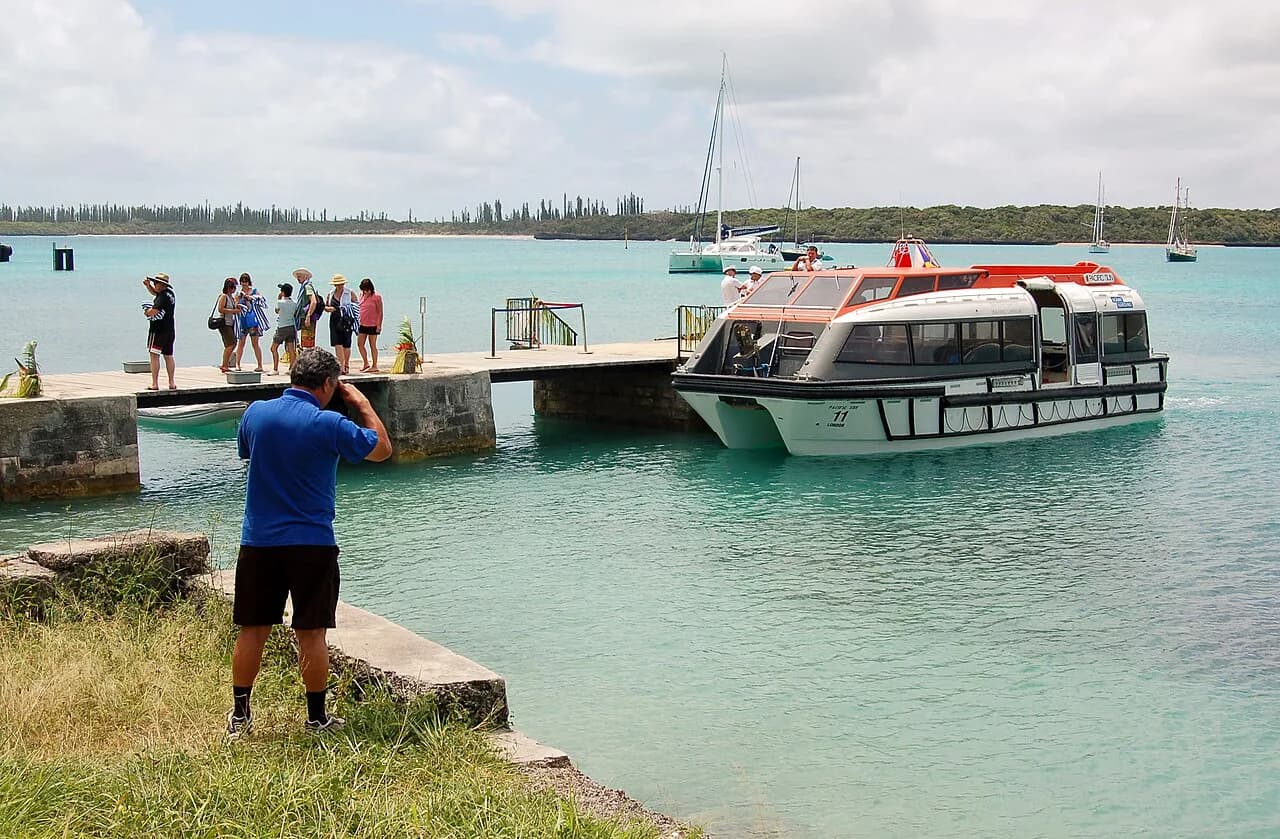
Most large Italian cruise calls berth alongside, but smaller harbors and some island stops use tenders, where you queue for a boat to the shore. Tendering adds time at both ends of the day and depends on sea conditions, so a tender port rewards an early start and a shorter plan.
Check your cruise line's port list to see whether a stop is alongside or tendered before you build a tight schedule, and treat tender time as part of the transfer rather than a separate event. On a tendered call, the safest plan is one nearby sight with plenty of margin.
Fitting a 6-, 8- or 10-hour call: which ports work for which sights
On a six-hour call, choose walk-off ports or a single short transfer. Naples on foot, Genoa's old town or a Sardinian seafront town all fit comfortably. Venice's mainland transfer, Livorno to Florence or Civitavecchia to Rome do not fit six hours without accepting a rushed, high-risk day. The Civitavecchia cruise port is the textbook example of that gateway math, so budget the train legs before you commit to Rome on a short call.
An eight-hour call opens up one gateway city with an organized transfer, such as Rome by train with a single sight cluster or Florence by coach. A ten-hour call is where Pompeii plus a coastal drive, or Rome with two clustered sights, becomes realistic, provided you keep a generous buffer for the return leg.
Port-day mistakes that cost time in Italian ports
The most common errors are treating the itinerary name as the berth town and leaving the ship late in a gateway port. Both eat the same resource: usable hours ashore. Read the terminal name on your documents, then plan from there.
Buy tickets before you need them where the source sells them at the station, as with the BIRG in Civitavecchia, and validate correctly so the validity window starts when you want it. Keep cash or a card for the small local bus fares that sit between the port and the station.
Plan Your Visit
Plan Italian port days by transfer time first: identify whether your berth is walk-off, shuttle or gateway, then choose the sight that fits the hours you actually have. Keep the return buffer proportionate to the number of legs, and let the ship's tour carry the risk on the longest transfers.
Compare neighboring countries too, since the same gateway logic applies across the Mediterranean and the Adriatic, and the pattern of transfer time over headline name holds wherever you sail.
Frequently Asked Questions
Which Italian cruise ports let you walk into town from the ship?
Genoa puts the old harbor and historic lanes at the terminal, and Naples berths beside the city center. Sardinian towns such as Cagliari and Olbia also put a town center within a short walk. Check your cruise line's terminal details to confirm the berth for your sailing.
How far is Civitavecchia port from Rome?
Civitavecchia is a separate coastal town from Rome, connected by train from Civitavecchia station, which sits about one kilometer from the port. The station to port link runs via the Argo bus to Largo della Pace and then a free port shuttle to the berths.
How do you get from Civitavecchia train station to the cruise terminal?
Take the Argo bus from the station to Largo della Pace, the port's cruise hub, then a free shuttle to your terminal or dock. On foot, the Varco Vespucci pedestrian exit puts you under 500 meters from the Rome Cruise Terminal.
Can you see Rome in a single port day?
Yes, but with limits. Pick one cluster of sights, such as the Colosseum and Forum or the Vatican Museums, and accept that the transfer legs consume a large share of the call. A ship tour or a pre-booked transfer reduces the return-leg risk.
Is it better to book a ship tour or go independently from an Italian cruise port?
Book the ship's tour where the transfer chain is long and the headline sight sits far from the berth. Go independent where the town is at the gangway, such as Genoa or Naples, and keep a generous buffer on any day that uses trains or coaches.
Which Italian ports use tenders instead of berths?
Most large Italian calls berth alongside. Smaller harbors and some island stops use tenders, where you queue for a boat to shore and sea conditions matter. Check your cruise line's port list for your sailing to see which applies.
What can you realistically do in a 6-hour call in Italy?
Choose a walk-off port or a single short transfer: Naples on foot, Genoa's old town, or a Sardinian seafront town. Gateway days such as Civitavecchia to Rome or Livorno to Florence do not suit six hours without rushing and high return risk.
Sources
Port-day notes for your next cruise
Optional updates to our port guides.
You might also like
Continue reading
More guides you'll find useful