Cruise Ports in France: Where Ships Dock and What Fits a Port Day
Which French cruise ports put you close to town, which need a transfer, and what fits a six-, eight- or ten-hour call ashore on your itinerary.
On this page
A French port call can mean a walk into a UNESCO-listed city center, a train ride to a cathedral town, or a long transfer toward Paris that eats most of your hours ashore. The name on the itinerary often promises more than the berth delivers, so the first thing to pin down is where the ship actually ties up and how long it takes to leave the port area.
This guide covers the French ports you are most likely to see on a northern Europe or Atlantic itinerary, starting with Le Havre, where the terminal address and onward transport are documented. It concentrates on the decisions that change your day: walking versus taxi, city versus day trip, and how big a return buffer your port type demands.
Why the French port on your itinerary matters more than the city on the brochure
Itineraries sell France by the headline city, but the ship docks where deep water and berth space allow. Le Havre is marketed as the gateway to Paris, yet the terminal sits in Normandy, and the train ride to the capital is a substantial part of the day rather than a short hop. Read the port column, not the destination column, when you plan.
The practical consequence is that two ships calling at the same country can give you wildly different days. One berths within walking distance of a town center; another requires a shuttle, taxi or train before anything worth seeing. Sort your calls into walkable, shuttle and long-transfer ports, then allocate hours accordingly.
River cruises are a separate case: Seine river vessels home-port in Paris itself and sail from the city, so a Paris embarkation on a river ship is not the same proposition as an ocean call at Le Havre. If your itinerary says Paris, establish whether you board a river vessel in the city or dock on the coast.
Where ships dock in France: alongside berths versus tender ports
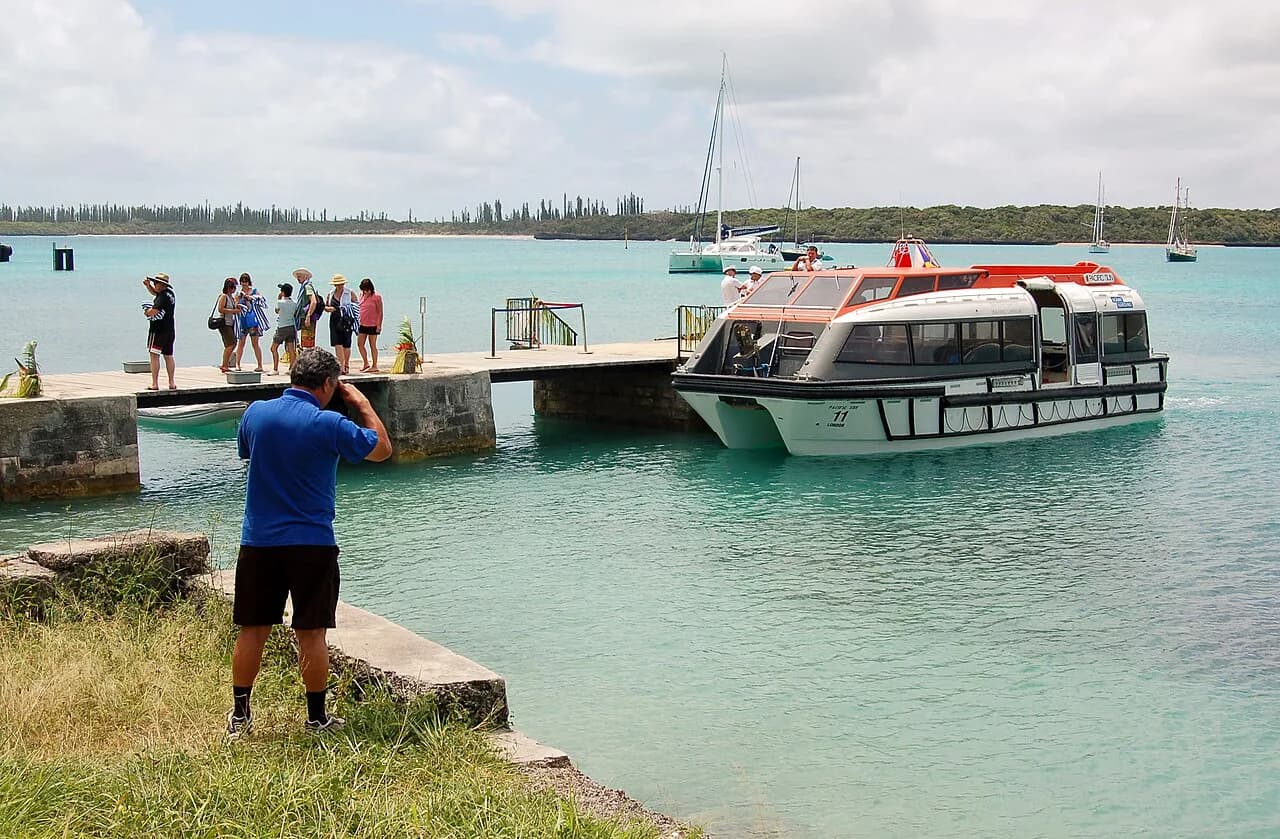
French calls divide into three shapes. Some ships moor alongside a quay with a terminal building and road access; some use a commercial or ferry port where you need a shuttle past the cargo area; a few use anchorages and tender passengers ashore. The shape of the call, more than the distance on a map, determines your first thirty minutes.
At an alongside berth you walk off and go, provided the port allows pedestrians through. At a tender call, add waiting time for a boat, a wet landing in some ports, and a second queue to get back before all-aboard. On a short call, a tender port can cost you an hour of usable day.
Check the ship's daily program for the berth name and whether a shuttle is compulsory, and look at the port authority's cruise page for the terminal layout. That tells you whether to plan a walking day, a taxi day or a train day before you ever step off.
Le Havre: the terminal at Quai Pierre Callet and the Paris question
MSC lists the Port of Le Havre address as Quai Pierre Callet, 76600 Le Havre. If you are arriving by road, the approach runs through the city toward the port, following green signs marked for ferries, and from the Centre de Commerce International you follow signs for the Terminal Croisière. Write the terminal name down for any taxi driver.
Le Havre is France's second-largest port and occupies half the Seine estuary, while the city itself holds close to 200,000 people. The rebuilt center is the work of Auguste Perret, who led reconstruction between 1946 and 1964 after wartime destruction. That gives you a compact, modern city to explore rather than a medieval core.
Paris is the draw the itinerary advertises, and it is reachable, but treat it as a full-day transfer commitment rather than a port stroll. Weigh a long rail round trip against the time actually spent in the city, and remember that a delayed return train is your problem, not the ship's.
Le Havre for the day: Perret's rebuilt city and Rouen as an alternative
Staying in Le Havre suits passengers who want a low-risk day: architecture, wide boulevards and the waterfront, with no second transport leg. Perret's concrete city rewards a slow walk, and the showpiece monuments carry a confidence that surprises visitors expecting a war-damaged town.
Rouen is the alternative inland day, and MSC describes it as the capital of Upper Normandy, one of France's most ancient cities, with a lively center, impressive churches and museums, timbered houses and strong links to Joan of Arc. The appeal is a dense historic core rather than a modern one.
Choosing between them comes down to appetite. Rouen gives you medieval streets and the Joan of Arc story; Le Havre gives you twentieth-century urban planning at walking pace. If your call is short, the city under your nose wins on time alone.
How far the berth is from town, and the walk, taxi and shuttle options
Le Havre's cruise terminal sits in the working port, so the last stretch into the city center is not a scenic stroll along the quay. Plan on a taxi, a port shuttle where one runs, or a public bus, and ask at the terminal which exit pedestrians may use. The taxi ride from Le Havre train station to the port takes between 10 and 15 minutes, which gives you a sense of the scale. For a port where the ship anchors out and tenders passengers ashore instead, the Villefranche cruise port guide shows how differently the first thirty minutes can play out.
For the return leg, taxis are scarce exactly when everyone wants one. Note a rank or a pickup point in the center early in the day, and build in time to find a cab instead of counting on one appearing at the terminal gate.
If your ship offers a paid shuttle into town, compare its last return time with your all-aboard time before you rely on it. Ship shuttles typically stop running earlier than the final boarding call, so the last bus is your real deadline, not the gangway clock.
Getting to Le Havre from Paris by train, and station-to-port transfers
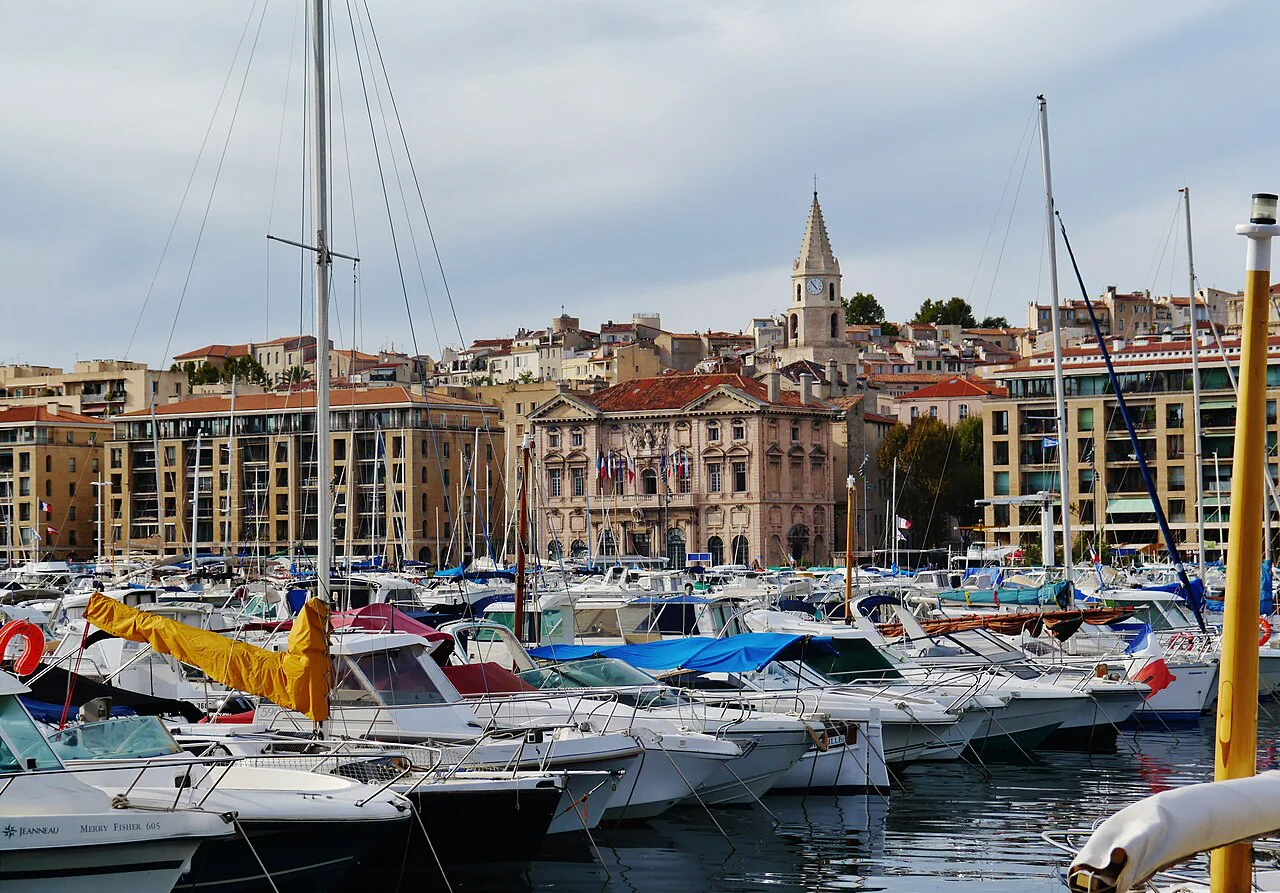
Le Havre is served by Intercités and TER trains from Paris Gare Saint-Lazare, and by direct high-speed TGV services to and from Marseille and Lyon. That makes the port reachable by rail from several directions, but each of those journeys is a separate planning exercise with its own duration.
From Le Havre train station, the port is a short taxi ride of 10 to 15 minutes. For embarkation days, that is the transfer to budget: arrive at the station with enough margin to queue for a cab, load luggage and reach the terminal before check-in closes.
The nearest airports are Paris-Orly and Paris-Charles de Gaulle, and MSC directs passengers to its road and rail information for the onward connection to the port. In practice that means a flight into Paris followed by a station transfer and a train, or a long road transfer, so allow a full day for the journey rather than a tight morning.
What fits a 6-, 8- and 10-hour call in Le Havre
On a six-hour call, take the shuttle or taxi into the center and stay there. Perret's rebuilt city, the waterfront and a café stop fill the time comfortably, and you keep a generous buffer for the return transfer. Attempting Rouen or Paris on six hours leaves no room for a late train.
With eight hours, Rouen becomes realistic if you join an organized transfer or take an early train and return early. You get a few hours in the old center, enough for the cathedral and the timbered streets, but the day is built around transport, not lingering.
A ten-hour call is the only shape in which Paris deserves serious thought, and even then you are trading most of the day for a few hours in the city. Many passengers do better with Rouen plus Le Havre, or a full Le Havre day with time to eat ashore, than with a rushed dash to the capital.
Ship tour versus independent day: time, distance and the risk of missing the ship
A ship tour's advantage is not comfort but logistics: transport is arranged, the tour operator knows the all-aboard time, and the ship will not depart with a group it has organized. That protection does not extend to independent travelers, whatever a taxi driver tells you about the schedule. Check current prices and departure times before you rely on any tour, and keep an eye on the time yourself.
Independent travel wins on cost and flexibility, especially in Le Havre where the center is compact and trains from Gare Saint-Lazare run to a published timetable. The trade-off is that every delay on the return is yours to absorb, so pick a train that gets you back well before the buffer closes.
A sensible compromise for long-transfer days such as Paris is a ship excursion or a licensed local operator, and independent exploring for the city under the port. Reserve your boldest, furthest option for the longest call on the itinerary.
Other French calls to plan around: Normandy, Brittany and the Atlantic coast
Beyond Le Havre, northern and Atlantic France offer a mix of port types: channel ferry ports adapted for cruise ships, small harbors where tenders are used, and river mouths where the ship docks some distance from the historic center. Each requires the same check: berth location, distance to the old town, and the transport that bridges them.
The French Atlantic coast and the Channel share a weather pattern that matters for planning. Wind and swell can make tender operations slow or suspend them, so a tender port on this coast is best paired with a flexible plan and a ship excursion if the call is short.
If your itinerary continues across the Channel, the same alongside-versus-tender logic applies at British ports, and historic sites such as Dover Castle sit above a working port rather than in the town center. Compare the two countries' calls before deciding where to spend your excursion budget.
Mediterranean France: how port-day logistics differ from the Atlantic coast
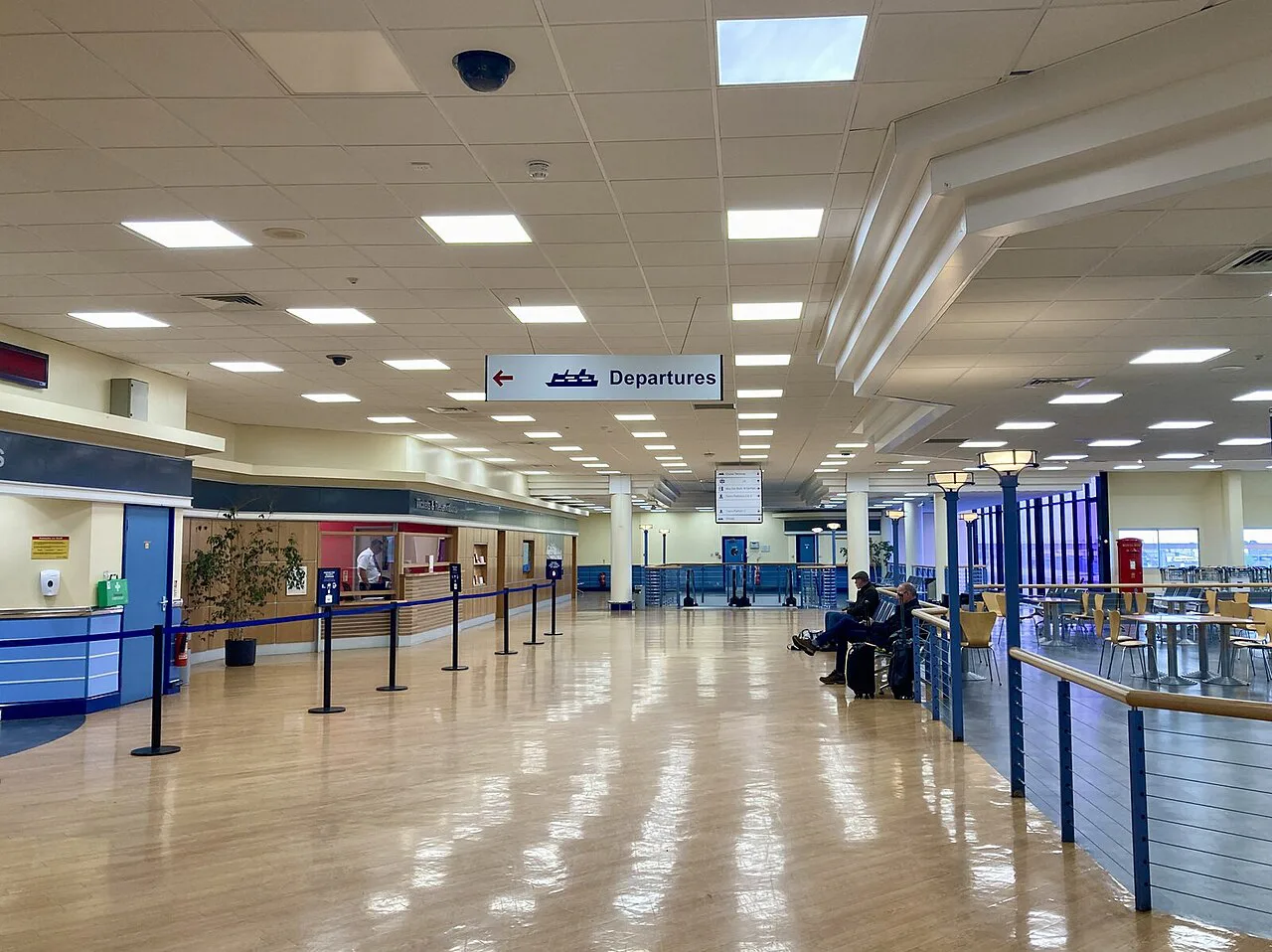
Mediterranean France behaves differently from the Atlantic: larger purpose-built cruise terminals, bigger cities within walking or shuttle distance, and a season that runs from spring into autumn. Marseille is the best-known Mediterranean French port and anchors most western Mediterranean itineraries that include France, and the Marseille cruise port guide sets out the terminal layout and port-day options.
The Mediterranean model rewards independent travelers more often, because terminals are closer to town and public transport is dense. The risk shifts from long transfers to heat and crowds, so start early, carry water and plan the return leg before the afternoon peak.
If your French call is part of a wider western Mediterranean loop, compare it with the Italian and Spanish ports on the same sailing. French Mediterranean calls tend to fit a full day ashore, while Atlantic and Channel calls need more buffer for transfers.
Choosing between two French ports on the same itinerary
When an itinerary offers Le Havre and a Mediterranean French port, they are not substitutes: one is a gateway to Normandy, Paris and Rouen, the other a Mediterranean city day. Decide what you want from France, then pick the call that delivers it with the least transit time.
Between two Atlantic or Channel calls, favor the one with an alongside berth and a walkable center if you want an easy day, and the one with good rail links if you want a day trip. The berth, not the port's fame, determines which is which.
Itineraries that combine France with Italy often pair a French call with an Italian terminal such as the Rome Cruise Terminal at Civitavecchia, where the berth sits well outside the city and the transfer is part of the day. Use the Italian and French ports together to balance long-transfer and walkable calls across the sailing.
Return-to-ship buffer by port type: tender, shuttle and long-transfer calls
Build your buffer from the port type, not a fixed habit. For a walkable alongside berth, thirty to forty-five minutes before all-aboard is usually enough for a relaxed return. Add a full hour for a shuttle port, because you are at the mercy of the last bus and the queue for it.
For tender ports, add time for the boat queue in both directions and plan to be at the tender landing well ahead of the published last tender. When swell slows the operation, the queue lengthens, and the ship has to recover its schedule.
For long-transfer days such as Paris from Le Havre, the buffer should cover the entire return leg plus a contingency for a missed connection. Choose the earlier train, not the last feasible one, and keep the all-aboard time in front of you when you decide how long to stay in the city.
Plan Your French Port Day
Sort your French calls by berth type first, then by distance to the sights, and the day plans write themselves. Le Havre gives you a compact rebuilt city for short calls and Rouen or Paris for long ones, while Mediterranean France generally puts you closer to town.
Before you sail, note the terminal address, the transport you will use in each direction, and the all-aboard time for every port. Then decide which single day justifies the longest transfer, and spend your remaining calls close to the ship.
Frequently Asked Questions
Where do cruise ships dock in Le Havre?
MSC gives the Port of Le Havre cruise address as Quai Pierre Callet, 76600 Le Havre, with the terminal signed as Terminal Croisière from the Centre de Commerce International. The berth sits in the working port, so you need a taxi, shuttle or bus for the last stretch into the city center.
Can you do Paris from Le Havre on a cruise call?
Paris is reachable from Le Havre by Intercités or TER trains from Paris Gare Saint-Lazare in reverse, but the round trip consumes most of a port day. It only makes sense on a long call, and you should return on an earlier train than the last feasible one so a delay does not cost you the ship.
What can I do in Le Havre in six hours?
Stay in the city. The rebuilt center designed under Auguste Perret between 1946 and 1964, the waterfront and a meal ashore fill six hours without a second transport leg, and you keep a comfortable buffer for the transfer back to the terminal. Rouen or Paris does not fit that window.
How do I get from Le Havre cruise terminal to the train station?
Take a taxi; MSC puts the ride between the port and Le Havre train station at 10 to 15 minutes. Allow extra margin on embarkation day for queuing, luggage and terminal check-in.
Is Rouen or Paris the better day trip from Le Havre?
Rouen suits most port days better. It is closer, its old center is dense with churches, museums and timbered houses, and the Joan of Arc history gives the day a focus. Paris rewards only the longest calls, where the transfer does not swallow the visit.
Sources
Port-day notes for your next cruise
Optional updates to our port guides.
You might also like
Continue reading
More guides you'll find useful