Cruise Ports in the UK: Port-Day and Embarkation Guide
Cruise ports in the UK, from Southampton and Dover to Belfast, Edinburgh and Portsmouth: where ships dock, how to reach the sights and how to plan a port day.
On this page
A UK port day can mean a cathedral city, a castle on a white cliff, a ferry-town high street or a tender ride into a harbor, and the ships calling at British ports cover all of these. Some ports exist mainly to start and finish voyages, while others are short calls squeezed between sea days.
Treat the two roles separately. At a turnaround port you are dealing with luggage, parking, rail stations and airport transfers before you ever think about sightseeing; at a port of call the only question is what fits inside the hours the ship is alongside, minus the buffer you build in for the return.
What UK cruise ports offer and which calls suit a port day
British calls fall into a few practical groups. Deep-water south-coast quays handle big ships and turnaround traffic, southeast ports put London, Canterbury and Dover Castle within reach, and Irish Sea and Scottish calls tend to be shorter visits to smaller towns or tender landings.
Where a call is a port of call, the ship stays for a fixed window and you plan backwards from all-aboard. Where it is an embarkation port, you plan forwards from your arrival and the day is about terminals, bags and transfers rather than sightseeing. Deciding which one you are dealing with is the first useful step on any UK itinerary.
Some berths put you in the middle of town and some leave you at a working harbor or a ferry terminal with a road or rail ride into the center. Before booking a tour, check whether the ship berths alongside or anchors offshore, because a tender landing adds a queue and a boat ride at each end of the day.
How UK port days work: fixed hours ashore, all-aboard time and the return buffer
The number printed in the daily programme is arrival and departure, not your usable time. Gangway clearance, the walk or shuttle to the port gate and the queue to reboard all come out of the same pot, so a six-hour call is realistically four and a half hours in the city.
Build the return around the mode you are using. A train or public bus that runs hourly can turn a ten-minute delay into a missed sailing, while a taxi back from a city center is usually the quickest recovery if you have drifted past your planned time. Keep the ship's contact details and the port agent number from the daily sheet with you.
No operator can guarantee the ship will wait for independent travelers who return late. That risk is the trade-off you accept for the lower cost and flexibility of going ashore on your own, and it is the reason many passengers on long-distance excursions choose the ship's tour instead.
Southampton and the south coast: the country's main turnaround port
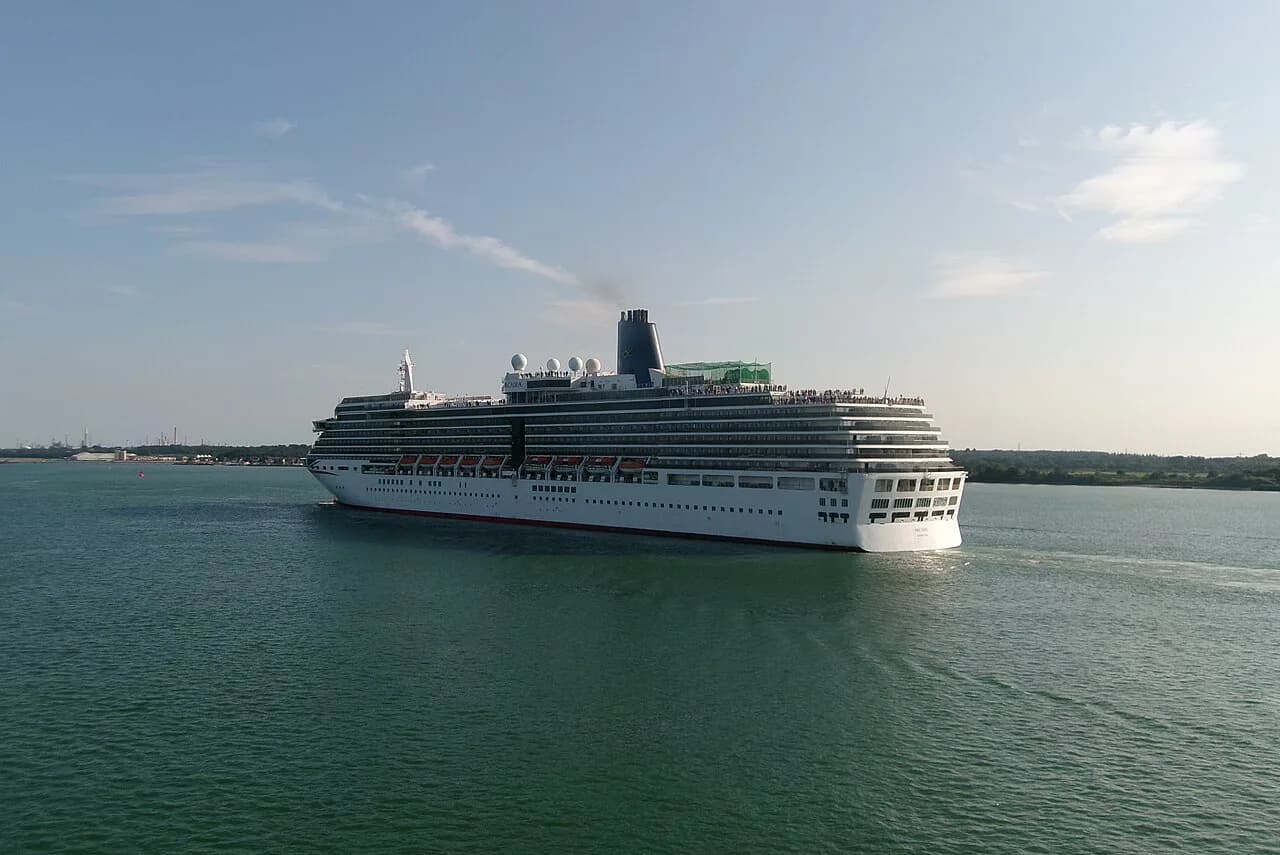
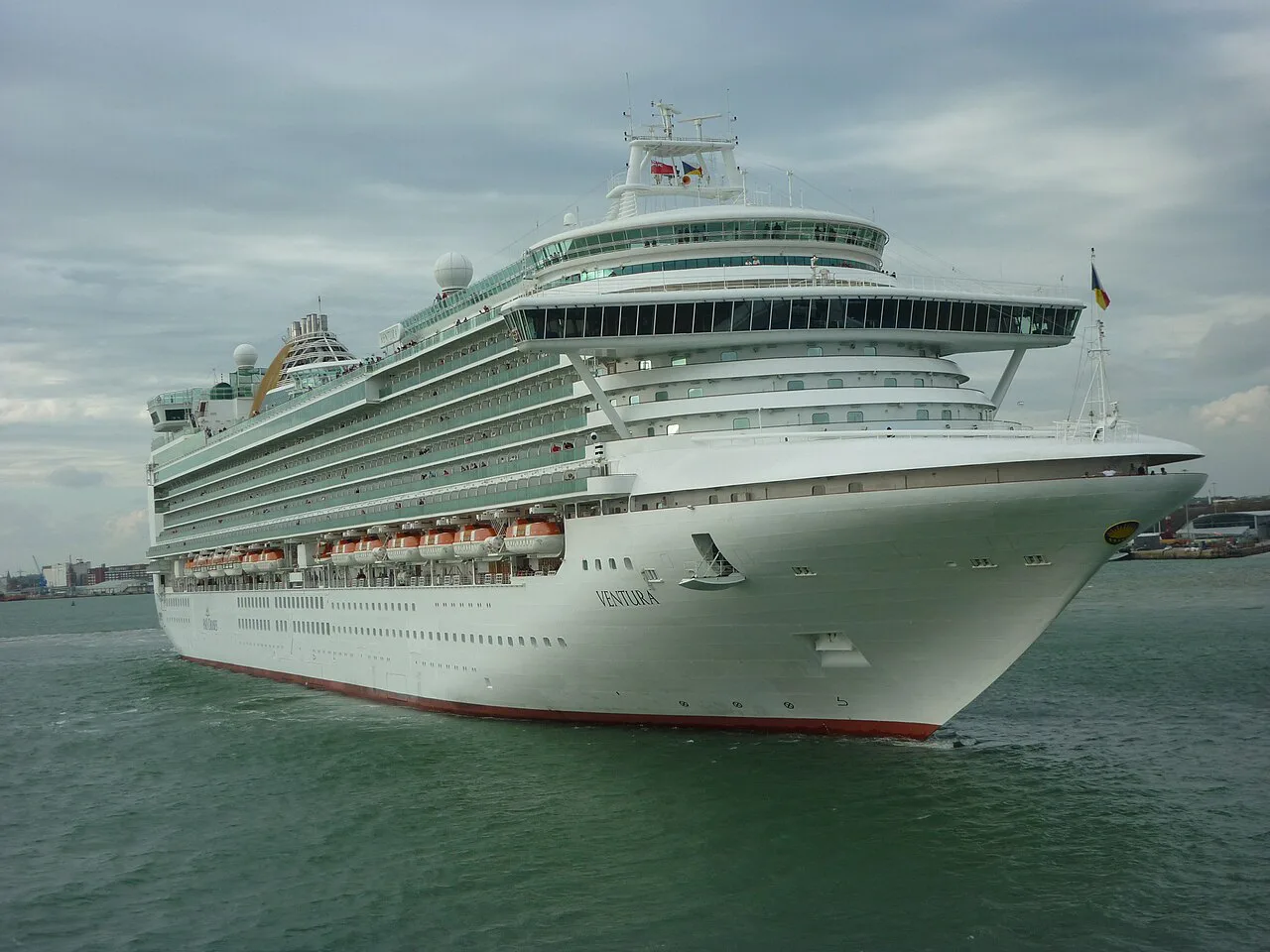
Southampton is the port most British cruises start and finish at, and it is built for that job: terminals, car parks, and a city center with two railway stations a short taxi ride from the waterfront. Southampton also appears in Royal Caribbean's port list, which shows the line's European and UK departure options alongside its wider network. If you are weighing it against other turnaround bases, the Southampton Cruise Port Guide: Terminals and Transfers covers the same terminal, parking and transfer decisions in detail.
For turnaround days, the useful sequence is bags first, then the terminal, then the car or the train. If you are arriving by rail, allow a taxi transfer between the station and your assigned terminal rather than planning to walk with luggage, and check the terminal on your cruise line's documents before you book parking.
As a port of call, Southampton is a gateway rather than a sight in itself. The New Forest, Winchester and the south-coast towns are the usual day targets, and all of them need road time in each direction, so an eight-hour call covers one of them comfortably and a six-hour call leaves little slack for traffic on the return.
Dover and the southeast: white cliffs, castle and routes into London and Canterbury
Dover is a working ferry port, and cruise ships use the same harbor area. The white cliffs and Dover Castle sit above the town, which makes the castle the most time-efficient major sight on a Dover call, while Canterbury needs a road or rail journey inland and London is a long day out with a real risk of a late return.
The comparison matters more here than almost anywhere else in the UK. London is the headline destination and the longest transfer, Canterbury is closer but still an excursion, and Dover Castle is the option that lets you spend most of your hours at the sight rather than in transit.
Other southeast calls fill the gap between Dover and the capital: Portsmouth, and on some itineraries the Thames estuary terminals. Where your ship docks determines whether London is a realistic port-day target or a transfer you should save for a pre- or post-cruise stay.
Portsmouth: a departure port for Azamara and Crystal sailings
Portsmouth works mainly as a departure port, with Azamara and Crystal sailings concentrated from June through September, according to the port's guide. That seasonal pattern matters when you are choosing dates: midsummer is when the choice of voyages from Portsmouth is widest.
For a Portsmouth embarkation, the practical planning is the same as at any UK turnaround: get your cruise documents, find the terminal assignment, and decide whether you are driving and parking or arriving by rail. The historic dockyard and the harbor front are the obvious pre-cruise stops if you are staying the night before.
Because departures are concentrated in the summer window, hotels in Portsmouth book up for the nights before sailings in that period. If you are travelling by train with luggage, plan a taxi for the last stretch to the terminal rather than a walk through the city.
London's cruise terminals and how they split between the city and the Thames estuary
London is not one cruise port. Ships bound for the capital use terminals on the Thames, and the distance between the berth and central London varies enough that the transfer, not the sightseeing, decides how the day works.
If London is the point of the trip, arrive a day early and treat the city as a stay rather than a port day. If London is a call, pick one area, use the rail or Tube network for the middle leg, and leave a generous margin for the return to the terminal.
Belfast and Northern Ireland: the UK and Ireland's busiest port of call
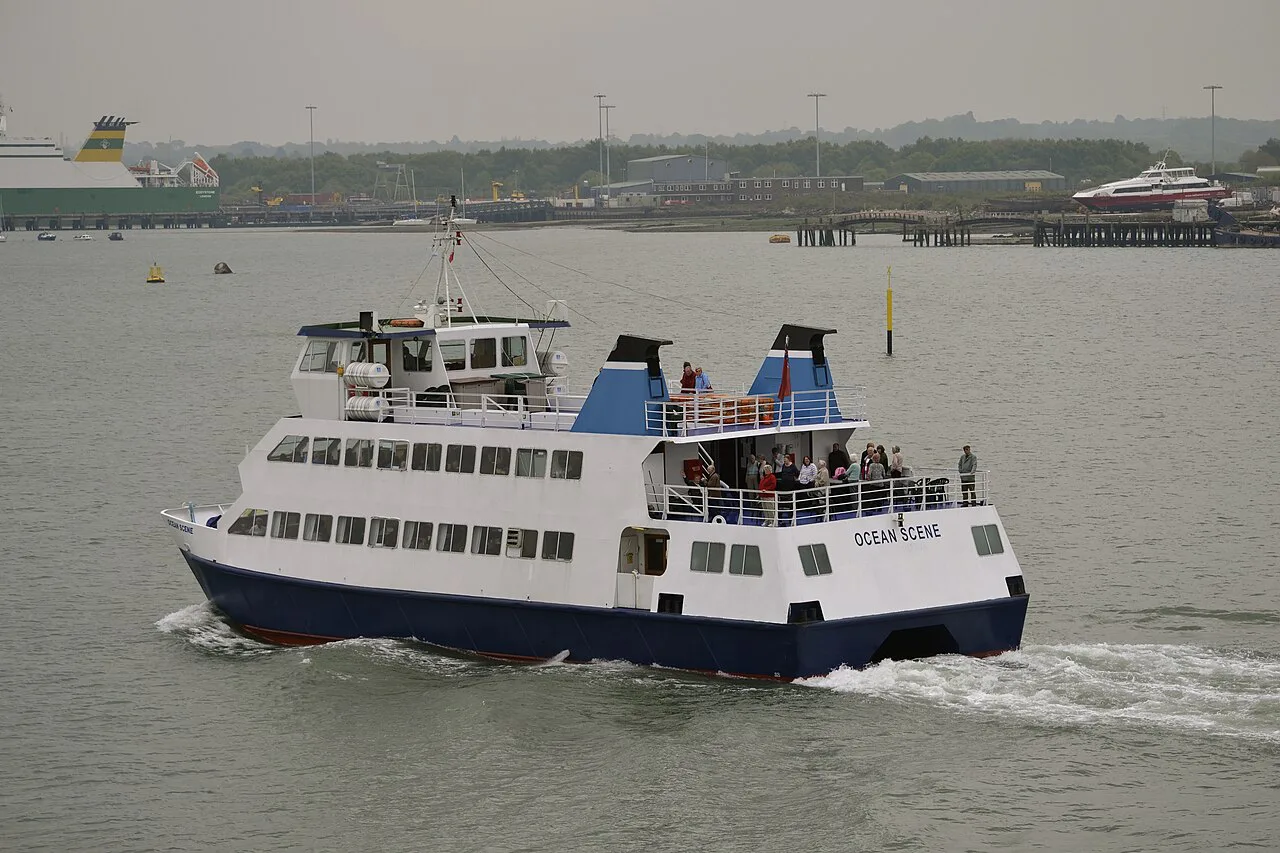
Belfast ranked among the most visited ports of call in the UK and Ireland, with 145 calls recorded in 2019, fifteen more than Dover, according to Statista's 2019 dataset. The figures describe that survey year rather than the current season, but they show how often Belfast appears on British and Irish itineraries.
A Belfast call usually means a choice between the city itself and the wider Northern Ireland coast. The city center is compact enough for a half-day on foot, while the coast and the glens need a vehicle and a longer window, so match the choice to the hours your ship is alongside.
Scotland: Edinburgh's two anchorages, Glasgow (Greenock) and the Highland calls
Edinburgh appears twice in Royal Caribbean's port list, as Newhaven and as South Queensferry, which reflects the two ways ships approach the city rather than one single terminal. Newhaven is the waterfront option close to Leith, while South Queensferry sits west of the city under the bridges.
Where your ship lands changes your day. From the Forth anchorages, Edinburgh Castle and the Old Town are a short road or rail ride away, but tender operations at an anchorage add time at both ends, so an eight-hour call is the sensible minimum for a proper city visit.
Greenock serves Glasgow and the Clyde, and the Highland and island calls sit further north where distances between sights are longer. On Scottish itineraries the scenery is the destination as often as a town is, so a ship tour that covers a loch or a glen in one loop often uses the hours better than trying to piece the same route together by public transport.
Wales and the west: Holyhead and the ferry-port pattern of Irish Sea calls
Holyhead is a ferry port on Anglesey, and Irish Sea calls in this pattern tend to land you in a town built around the crossing rather than around tourism. That means the practical question is how to reach the wider region: Anglesey's coast and the mountains of Snowdonia are the reason ships stop here.
These calls reward a plan made before you leave the ship. Public transport on the island runs on local timetables rather than cruise schedules, so either pick a single nearby target you can reach and return from comfortably, or take an organised excursion that handles the driving.
Liverpool, Newcastle and Hull: northern England turnaround and call ports
Northern England's ports mix both roles. Liverpool's waterfront puts the city's main sights within walking distance of the berth, which makes it one of the easiest UK calls for passengers who want to explore without a coach, while Newcastle and Hull sit further from their city centers and usually need a transfer. If you are weighing a call here against a south-coast turnaround, the Liverpool cruise port guide sets out how the berth and port days compare.
For turnaround days at these ports, the planning is about the car park or the station rather than the sights. For port days, the trade-off is between staying in the city, which is cheap in time, and heading into the surrounding countryside and heritage sites, which eats a larger share of the call.
The Channel Islands and islands off the English coast
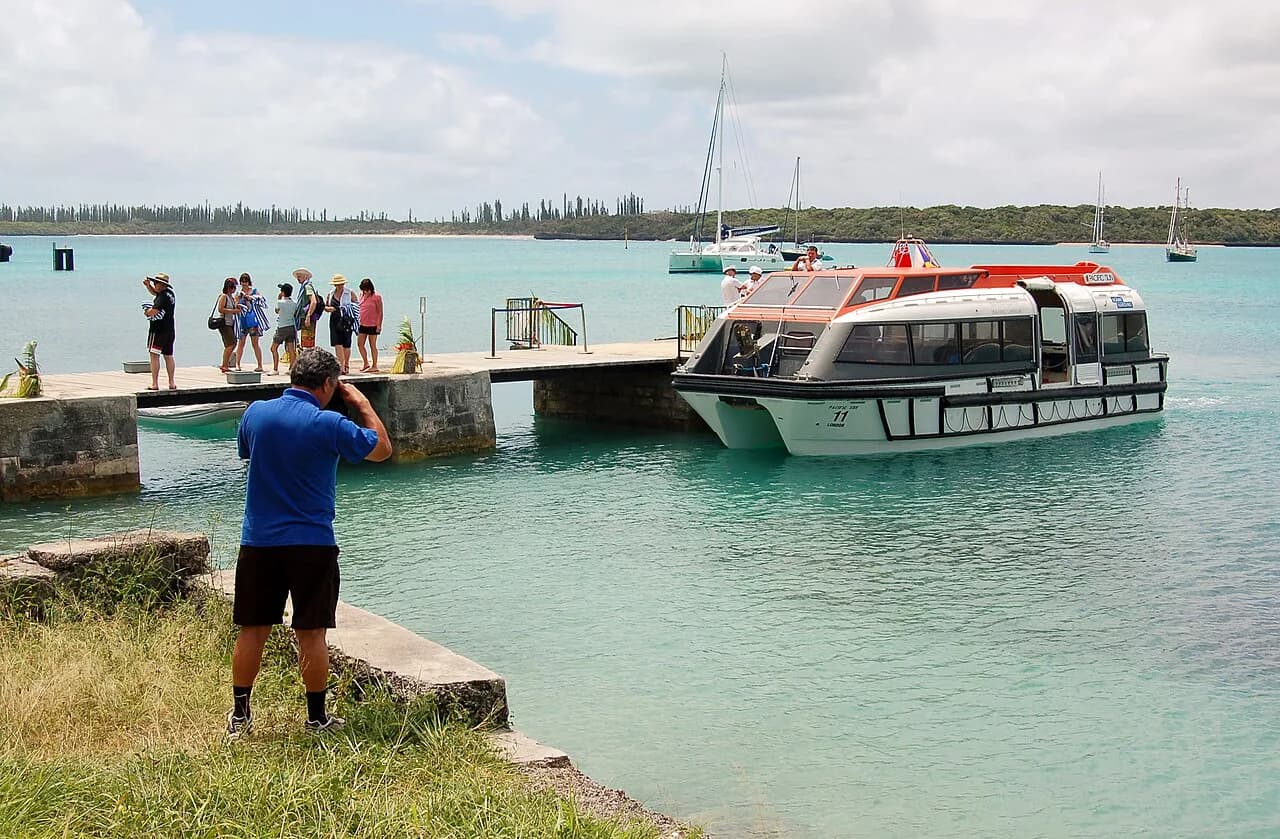
Island calls in the Channel and off the English coast are frequently tender ports, because the harbors are small and the water shallow. That changes the arithmetic of the day: you wait for a boat, you land in the middle of a small town, and you queue to get back out again.
The compensation is that these islands are compact. A short walk or a local bus often reaches the main sights, and a half-day ashore is genuinely enough if you are content with the harbor town and a coastal path rather than a full island circuit.
Getting into town from each type of berth: walkable, shuttle, bus and train
Match your transport to the berth type. A city-center quay means you walk off and start sightseeing; a commercial dock means a port shuttle or a taxi to the gate; a ferry port means a road or rail leg into the region. The first ten minutes after the gangway opens usually decide which of these you are in.
Rail is the fastest option on several British calls, but it is also the least forgiving. Buy a return ticket, note the last service that gets you back with a margin, and photograph the timetable so you are not relying on a station noticeboard in a language of local bus operators and rail franchises you do not know.
When the bus or train is infrequent, a taxi for the return leg is a cheap way to buy certainty. Agree the fare or confirm the meter before setting off, and keep the port name and berth written down for the driver.
Ship tours versus independent exploring: time, distance and the risk of a late return
Choose the ship's tour when the destination is far from the berth, when the transport is infrequent, or when the day involves a fixed entry time at a major sight. In those cases you are buying logistics and a known return, and the premium over doing it yourself is the price of that certainty.
Choose independent travel when the berth is close to the city and the sights are within walking distance. Liverpool, and the center of Belfast, reward this approach, and you keep the freedom to change plan when the weather turns or a queue is longer than expected.
Local operators sit between the two. They are usually cheaper than the ship's version and often smaller, but you carry the risk yourself, so check the return time they promise against all-aboard and leave a buffer of well over half an hour for the last leg.
What genuinely fits a 6-, 8- or 10-hour call
A six-hour call suits one compact target: the city center you dock in, or one nearby sight reached by a short taxi or train ride. It does not suit London from a distant terminal, a Highland glen from a Clyde berth, or any itinerary built on two destinations.
An eight-hour call is the workhorse of British port days. It covers Edinburgh's Old Town from the Forth, a Northern Ireland coast loop, or Winchester and the New Forest from Southampton, provided you eat lunch on the move and do not plan a return in the final hour.
Ten hours and above opens up the long-transfer days, including London from the southeast and the more distant Highland and island routes. Even then, the return buffer does not shrink: the longer the drive back, the more road traffic can eat into it, and UK motorways are not predictable in the late afternoon.
Embarkation ports: terminals, parking, hotels and airport or rail transfers
At a turnaround port, work in this order: terminal, parking, then transport. Confirm which terminal your ship uses on the cruise line's documents, book official port parking or a nearby off-site car park, and decide whether you will drop bags before parking or park and walk them across.
If you are flying in, the transfer from the airport to the terminal is the part most worth pre-booking, especially for Southampton and Portsmouth arrivals in the summer window. Rail works well into Southampton and Portsmouth, but the last stretch to the terminal is a taxi with luggage rather than a walk.
Staying the night before is the standard hedge against a delayed flight or a closed road. Book a hotel near the terminal rather than in the city center if your sailing is early, and check the hotel's policy on leaving a car for the duration of the cruise if you are driving down.
Which UK port suits which kind of trip
For a first British cruise with embarkation in the UK, Southampton and Portsmouth are the straightforward choices: established turnaround ports with rail links and a summer season. Dover and the southeast terminals suit itineraries that want London or the Channel within easy reach of the start.
For a port-call-heavy British and Irish itinerary, Belfast and the Scottish calls deliver the most variety, from city streets to the Forth bridges to Highland scenery. The Channel Islands add tender landings and a slower pace, which some passengers love and others find too short a day ashore.
If your interest is in longer voyages rather than British port days, the same planning logic applies across the continent, from the Adriatic to the Mediterranean, and the wider set of european cruise ports follows the same split between turnaround bases and short calls. Travelers comparing British calls with the big continental turnaround ports, such as the cruise ports in Italy that serve Rome Cruise Terminal at Civitavecchia, will find the same rule applies: the further the berth sits from the historic center, the more of the day the transfer consumes.
Plan Your Visit
Plan each UK port around its role and its berth. Turnaround days are about terminals, parking and transfers; port days are about the distance from the quay to the sights and the reliability of the transport back.
Then set the buffer before you set the itinerary. On British calls the return leg is the part that goes wrong, whether that is a tender queue, a missed hourly train or a motorway at five in the afternoon.
Frequently Asked Questions
Which UK cruise ports are turnaround ports and which are ports of call?
Southampton and Portsmouth are the clearest turnaround examples, with Portsmouth's Azamara and Crystal departures concentrated in summer. Belfast, Dover, the Scottish calls, Holyhead, Liverpool, Newcastle and Hull appear mainly as ports of call on British and Irish itineraries.
How many cruise calls does Belfast get compared with Dover?
In the 2019 Statista dataset, Belfast recorded 145 calls, fifteen more than Dover, which made it one of the most visited ports of call in the UK and Ireland. Those are 2019 figures, so treat them as an indication of how often the port appears on itineraries rather than as a current-season count.
Is Portsmouth a departure port for UK cruises?
Yes. Portsmouth operates as a departure port for Azamara and Crystal sailings concentrated from June through September, according to the port's guide. For a summer sailing, plan the terminal transfer and any pre-cruise hotel night around that seasonal concentration.
How much time do I need ashore at a UK cruise port?
Allow six hours for one compact target close to the berth, eight hours for a city or a short regional loop, and ten or more for long-transfer days such as London from the southeast. Subtract gangway and tender time, and keep a return buffer of well over half an hour.
How do I get from a UK cruise terminal into the nearest city?
Walk if the berth is in the city center, take the port shuttle or a taxi if it is a commercial dock, and use rail for longer legs into the region. For the return, note the last service that still gets you back with a margin and keep the port name for the driver.
Should I book a ship tour or explore a UK port independently?
Take the ship's tour when the sight is far from the berth, when transport is infrequent, or when entry times are fixed. Go independently when you dock near the center, as in Liverpool or central Belfast, and accept that the ship will not wait if you are late back.
Sources
Port-day notes for your next cruise
Optional updates to our port guides.
You might also like
Continue reading
More guides you'll find useful