One Day in Naples From a Cruise Ship: Port Day Itinerary
Plan one day in Naples from a cruise ship: where ships berth, walking routes into the old city, trains to Pompeii and Herculaneum, and fixed taxi fares.
On this page
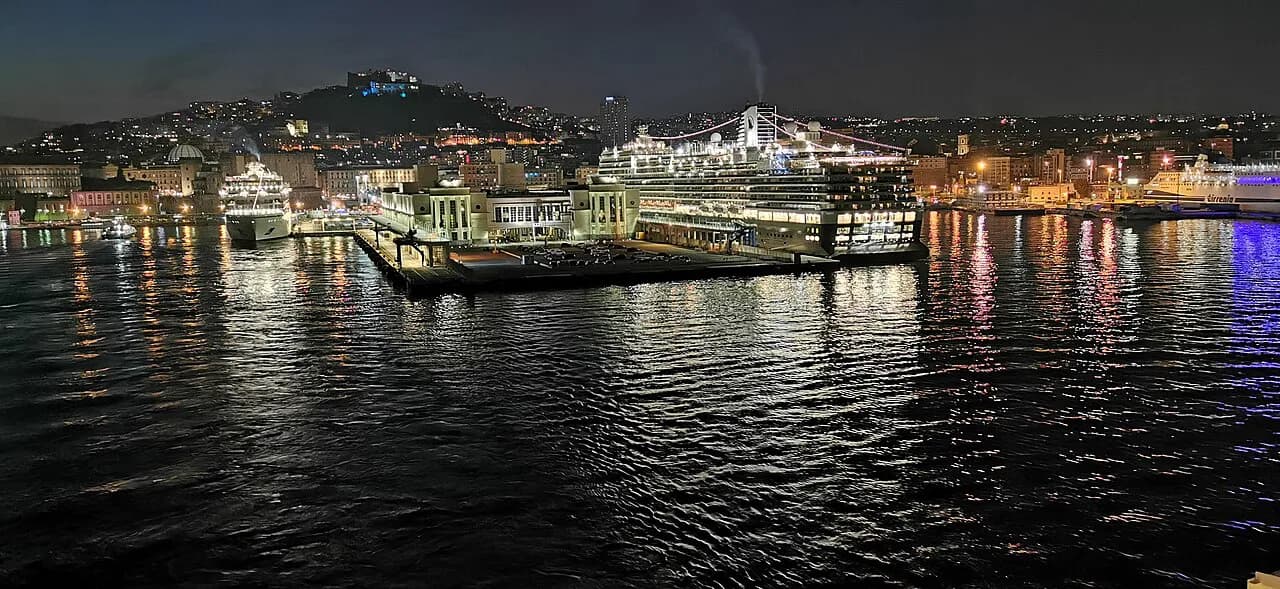
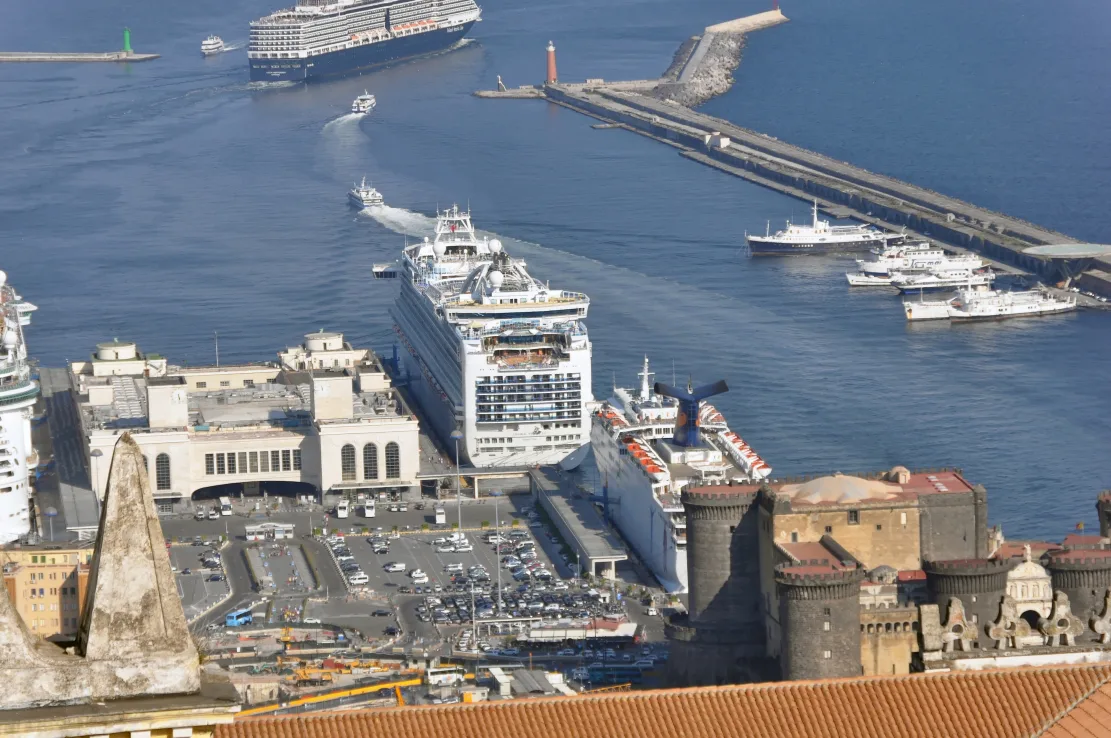
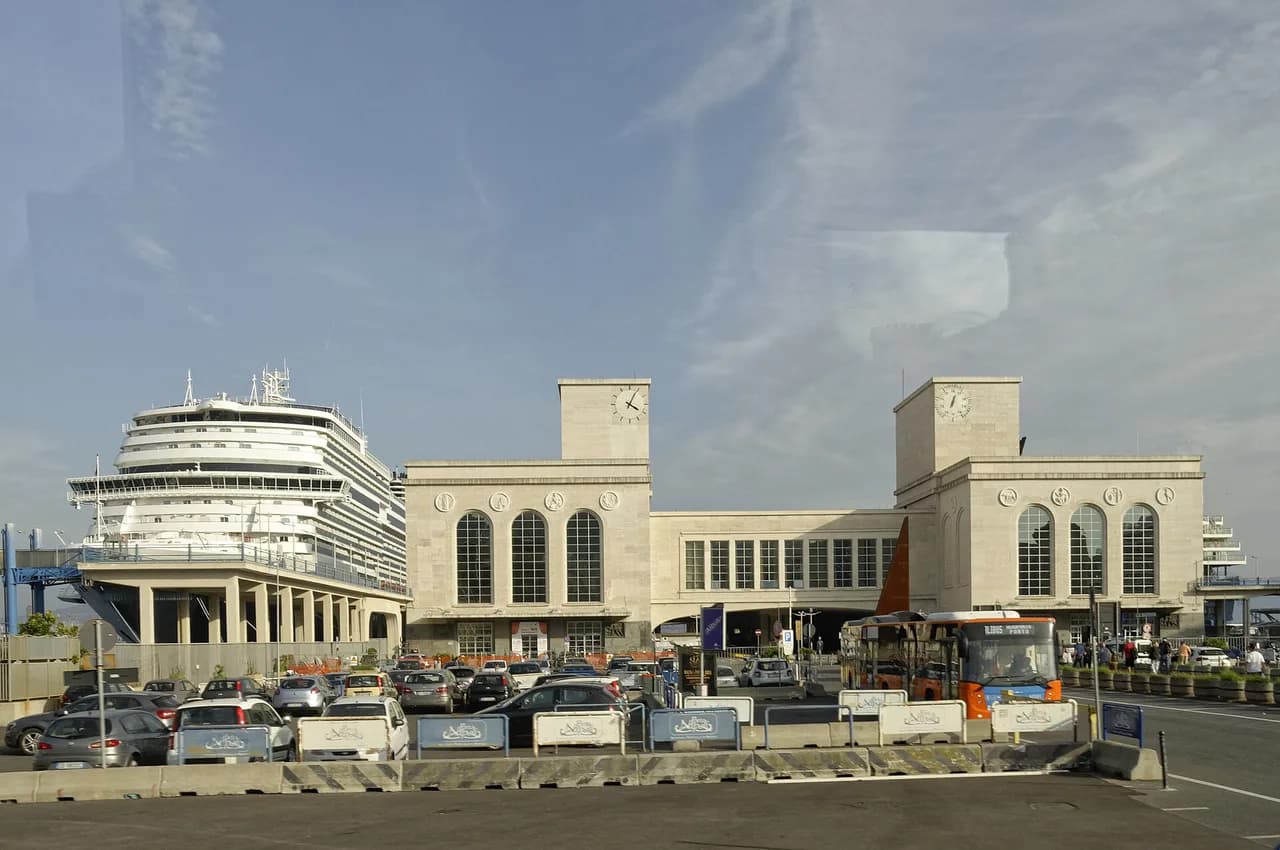
Naples is one of the few Mediterranean ports where a good day begins a few hundred metres from the gangway. Ships berth at Stazione Marittima on Molo Angioino, and the pedestrian gate opens onto Piazza Municipio with Castel Nuovo about 150 metres to your right, so the historic centre is a 15-minute walk uphill rather than a coach ride.
That short distance sets up the central decision of the day: spend the hours in the city on foot, or use the port as the launch point for Herculaneum, Pompeii or the Amalfi Coast. The answer depends less on what you want to see than on how long the ship stays; the wider Naples Cruise Port Guide covers berths and terminal logistics in more depth. The same calculation applies one stop down the coast, where our guide to what to do in Salerno from a cruise ship weighs a city day against the Amalfi Coast.
Where ships dock in Naples
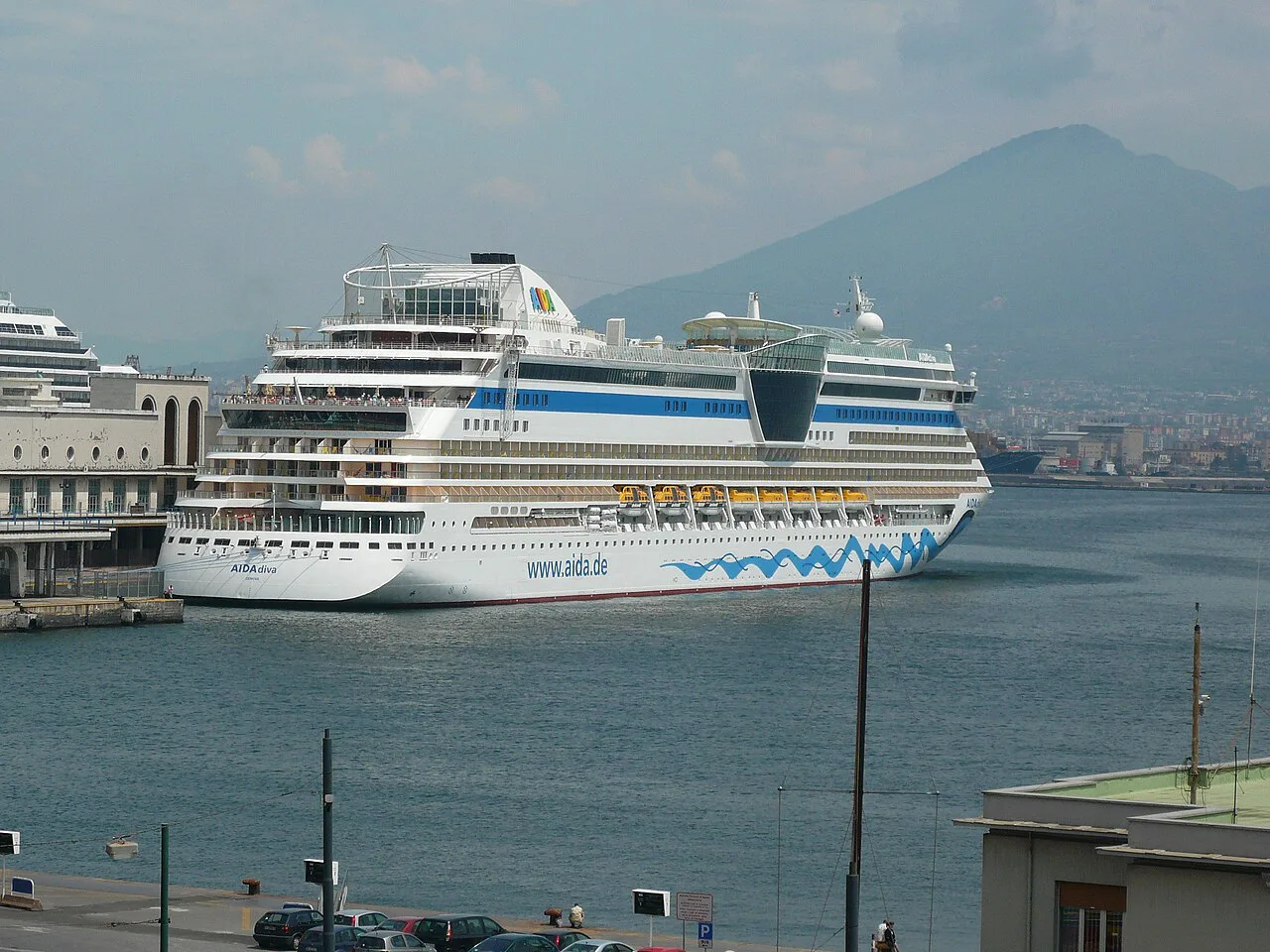
Most ships tie up at Stazione Marittima on Molo Angioino, right beside the city, rather than in an industrial dockland you have to escape. Larger volumes of shipping put some berths further east along the waterfront, at Molo Pisacane or the Calata Porta di Massa side, where the walk is longer and less pleasant and most cruise lines run a shuttle to the Stazione Marittima gate.
Your daily programme names the berth the night before, so the twenty minutes you plan at breakfast differ depending on whether you step off at Molo Angioino or queue for the shuttle. If you are at an eastern berth, take the shuttle to the terminal gate first and then start walking to town.
Next door to the cruise terminal is Molo Beverello, the pier where hydrofoils leave for Capri, Ischia, Procida and Sorrento. That two-minute proximity makes a sea crossing tempting, but it is also the single riskiest outing you can choose in this port, and the trade-offs come later in this guide.
Getting into town on foot
Walking is the honest answer for most of the centre. Piazza Municipio, Galleria Umberto I, Teatro San Carlo and Piazza del Plebiscito are all within 15 minutes on foot, and the climb into the old city takes another ten minutes.
The pedestrian exit puts you at the edge of the city and beside Castel Nuovo, and Napoli Centrale is under 30 minutes away on foot if you need the main station. That makes a straightforward plan possible: leave the ship, walk the waterfront, and be inside Spaccanapoli without ever paying for transport.
Metro and city tickets
For anything further than the old city, the Metro works well and costs very little: a single city ride costs a little over a euro, and the integrated 90-minute ticket covering metro, buses and the funiculars is under two. Buy at the machine, keep the paper ticket and validate it.
Municipio station is around 300 metres from the pier and serves both Line 1 and Line 6, with Line 1 running to Toledo, Dante, Museo and Garibaldi. If your ship berths at Stazione Marittima, you can step ashore, buy a ticket at Municipio and be at Napoli Garibaldi for the Pompeii train in a matter of minutes.
Fixed-fare taxis and the rule that protects you
The Comune di Napoli sets fixed fares for set routes, and they are charged per cab rather than per person. From the port, published fares include roughly €10 to Teatro San Carlo, €13 into the historic centre, and €15.50 to either the Archaeological Museum or Napoli Centrale, with around €70 one way to Pompei Scavi and tolls and minivan supplements extra on longer runs.
Ask for the tariffa predeterminata at the start of the ride, before the car moves; asking afterwards leaves you negotiating from a weak position. The fixed fare matters more here than in most ports because a shared cab can undercut the train for Pompeii while still getting you back in time for all-aboard.
How long you need ashore
Four to five hours is a Naples-only call: there is no version of a Pompeii trip that fits comfortably into a short stay once you count the walk to the station, the train, the site itself and the return. Six to eight hours lets you do Herculaneum and still eat properly in the city, or Pompeii with a pre-booked ticket while accepting that Naples becomes a walk between the terminal and the station.
A nine-hour call or longer opens up Pompeii plus a couple of hours in the old city, or Pompeii with a look at Vesuvius if you have booked transport that guarantees your return. Match the plan to the all-aboard time on your programme, not to what looks achievable in a guidebook.
Pompeii by train
Reach Napoli Garibaldi, which sits downstairs inside Napoli Centrale, follow the blue and white signs for Linee Vesuviane and take the Circumvesuviana towards Sorrento. Get off at Pompei Scavi–Villa dei Misteri, about two minutes from the Porta Marina gate; the single fare from Garibaldi is around €3.30 and the ride takes 33 to 37 minutes.
The mistake that costs people 40 minutes is getting off at Pompei Santuario, a stop on a different branch serving the modern town and its basilica rather than the ruins. Read the station board, not the platform announcement, and buy at the EAV desks at Garibaldi or Porta Nolana or through the GoEav app.
The Campania Express runs on the same line with reserved seats, air conditioning and luggage racks, but only a handful of times a day, and it costs a supplement on top of the standard fare. In July and August, when the ordinary trains are standing room only, that supplement buys a materially better hour of your day.
Pompeii tickets and entry rules
The archaeological park caps admissions at 20,000 visitors a day, and tickets are nominative, matched to your passport and not resold. Between 16 March and 14 October entry is also timed, split into a morning window and a smaller afternoon one; the official online seller is Vivaticket, reached through the park site at pompeiisites.org.
Standard adult Pompeii Express tickets run around €18 to €20, and the park's own site is where the current rate is posted before you buy, because prices changed in 2026 and stale figures circulate widely. Bags larger than 30 x 30 x 15 cm go into free left luggage, and the first Sunday of the month is best avoided because state sites are free, the crowd arrives early and entries have been suspended once the cap was hit.
Herculaneum for a shorter call
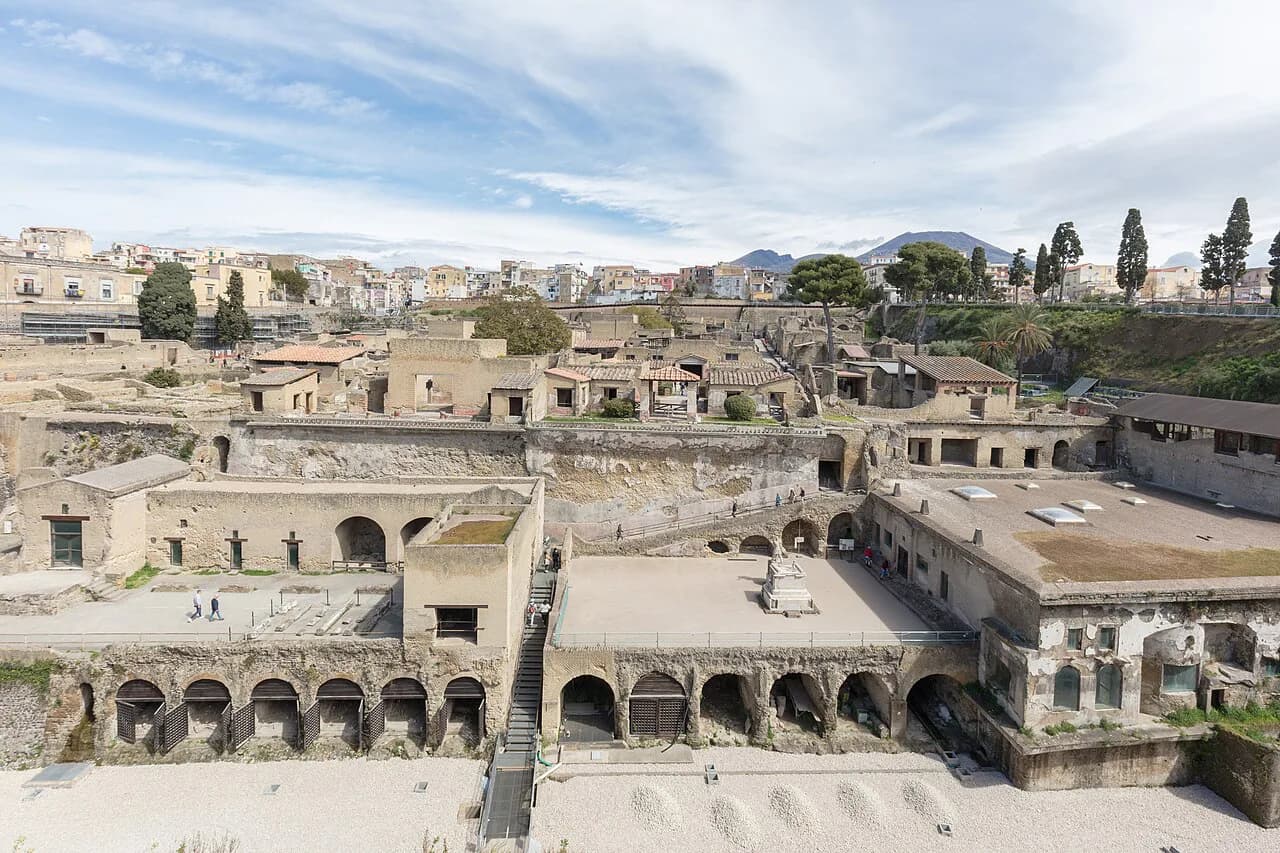
If your call is under eight hours, Herculaneum is the better trade: same train line, half the travel time, a fraction of the crowd and, in the view of many visitors, a more affecting site. Get off at Ercolano Scavi, about 15 minutes from Garibaldi, then walk about 600 metres downhill along Via IV Novembre to the entrance at Corso Resina 187.
Adults pay for entry, with a reduced rate for EU citizens aged 18 to 25, and free on the first Sunday of the month. The site opens at 8:30 daily with last entry at 18:00 from 16 March to 14 October and 15:30 in winter, and two hours covers it properly, or three if you linger at the boat sheds.
The reason to choose it is what survived: Pompeii was buried by ash and pumice that crushed roofs, while Herculaneum was sealed by a surge of hot mud that carbonised wood, door frames, beams and even loaves of bread. Buildings still stand two storeys tall, and the mosaic in the House of Neptune and Amphitrite has kept its glass-paste colour.
A walking day in Naples
From an 8am docking with an all-aboard around 5pm, you can build a full city day on foot. Leave the gate, head left along the waterfront and climb into the Quartieri Spagnoli, the 16th-century grid laid out for the Spanish garrison, and reach Largo Maradona before 10am, when the 1990 mural square fills with tour groups.
Drop down to Via Toledo and step into the Toledo metro station even without catching a train: the descent is lined in blue mosaic under a light well that opens to the sky. From there, follow Spaccanapoli, the dead-straight street that has split the centre since the Greek grid, and detour along Via San Gregorio Armeno, where nativity workshops run all year.
The Sansevero Chapel Museum on Via Francesco de Sanctis holds the Veiled Christ, carved from a single block of marble in 1753, and entry is timed and booked on the museum's own site with the chapel closed on Tuesdays. Photography is not allowed inside, which keeps the room quiet, and 45 minutes is enough.
Afternoon choices
Pick one afternoon sight rather than trying to stack them. Napoli Sotterranea at Piazza San Gaetano 68 runs as a guided tour only, lasts around 90 minutes from set English-language departure times, and includes an optional narrow candlelit passage with a bypass for anyone who would rather not; the National Archaeological Museum holds the Farnese sculptures and the frescoes and mosaics lifted from Pompeii.
Two things affect the museum in 2026: the Alexander Mosaic is off display for a major restoration, with observation points set up so you can watch conservators at work, and a large refurbishment closes some rooms on rotation with the entrance moved to the western door. It closes on Tuesdays, so a Tuesday call sends you to the catacombs or the underground instead.
Capri and the hydrofoils
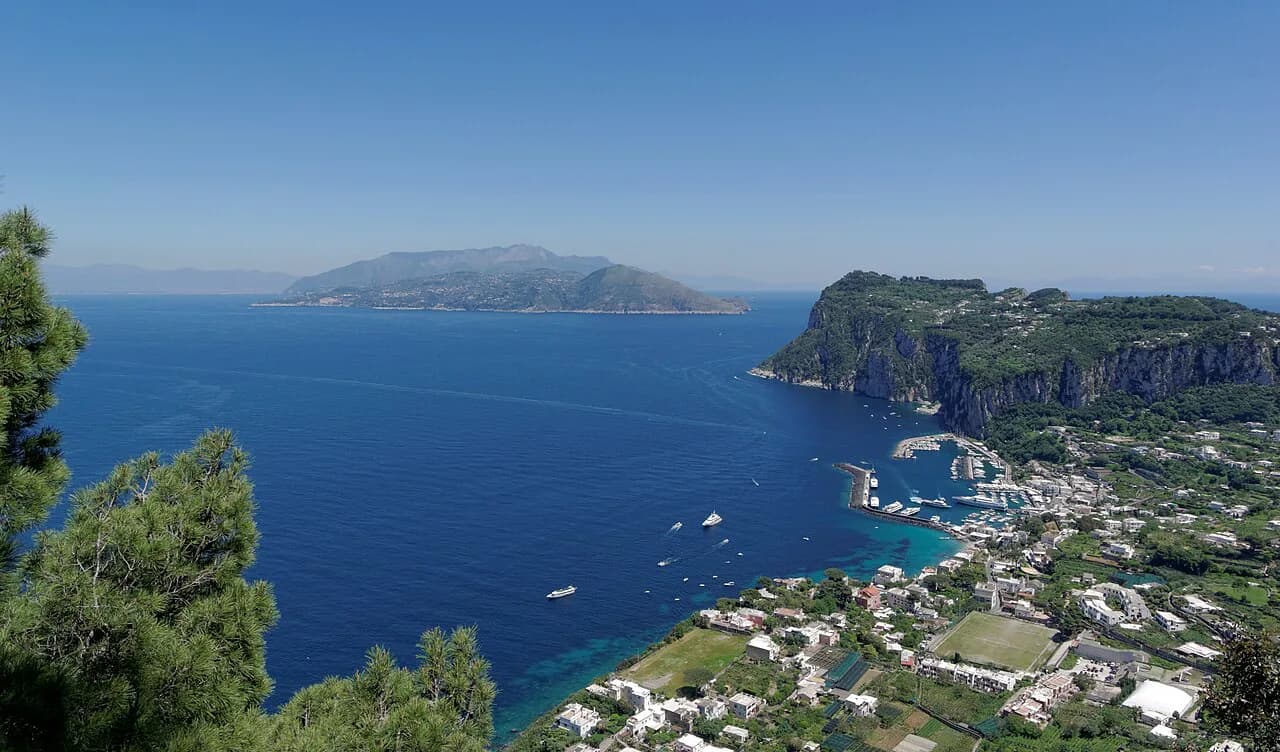
The hydrofoil for Capri takes about 50 minutes each way, which sounds workable when the pier is a two-minute walk from your ship. The problem is the sea: sailings are cancelled or delayed at short notice in wind, and there is no land alternative to bring you back.
A missed ship is a very expensive souvenir, and no operator can promise the vessel will wait for independent travellers. If Capri is the reason you booked the cruise, look for a call that overnights, or go on an operator's round trip that carries the return risk.
Ship tour, local operator or independent
Ship-sponsored coach tours can carry groups of around 40 and usually follow a limited itinerary because loading and unloading a large group is slow. In Italy, buses are barred from most city centres and often stop at the perimeter, which adds walking distance for passengers and eats into sightseeing time.
Cruise-line private options tend to cost on average about twice as much as independent private tours according to one Italian operator, whose assessment is that the service is not better, only pricier. Independent bookings let you research a company's reputation in advance and give you the return time you agree with the driver.
Neither coach nor private car changes the fundamental arithmetic: you still have a fixed window and an all-aboard time. If you want Positano, Sorrento and Pompeii in a single day, the driving between them, not the sightseeing, is what puts your return at risk, and the excursions from Naples port page compares the options that cover that ground.
What to eat between sights
Neapolitan food is cheap, fast and unfussy, and the best of it is eaten standing up. A pizza a portafoglio is a small pizza folded into quarters and eaten in the hand for a couple of euros, and a cuoppo is a paper cone of fried odds and ends, so lunch need not cost you an hour of daylight.
Via dei Tribunali is the pizza street, with Sorbillo and Di Matteo among the names people queue for, and L'Antica Pizzeria da Michele near Piazza Garibaldi has run the same two-item menu for over a century. If the wait is silly, walk on; there are excellent ovens on almost every block.
Sfogliatella comes two ways, riccia with brittle layers like a shell and frolla in soft shortcrust, and it is best bought hot from somewhere with turnover rather than a display case. Espresso is short, strong and often sweetened before it reaches you, so say senza zucchero if you take it plain, and drink it standing at the bar.
Rione Sanità for repeat visitors
Ten minutes north of the archaeological museum, Rione Sanità is the neighbourhood locals cite when they say Naples is changing. The Catacombs of San Gennaro are the reason to come: two levels of galleries cut into volcanic tuff, some of the oldest Christian frescoes in southern Italy, and a guided tour run by a local cooperative that put the proceeds back into the district.
Adult entry is available, tours run hourly from 10:00 to 17:00, and the site closes on Wednesdays. Entry is beside the Basilica Madre del Buon Consiglio at Via Capodimonte 13, and the ticket also covers the San Gaudioso catacombs below Santa Maria della Sanità.
Building in the return buffer
Work backwards from your all-aboard time rather than forwards from the gangway. From Piazza del Plebiscito or the old city, allow 15 to 20 minutes on foot to the Stazione Marittima gate, and add the metro ride from Municipio if you have been further afield.
If you are berthed at Molo Pisacane or Calata Porta di Massa, add the shuttle ride to the terminal gate, which is the step most likely to catch people out on a busy turnaround. Aim to be at the gate an hour before all-aboard, not at Castel Nuovo.
Plan Your Visit
Two bookings decide the shape of a Naples port day before you sail: a timed Pompeii ticket through Vivaticket and a slot at the Sansevero Chapel if the Veiled Christ is on your list. Both are timed and both sell out, and the Tuesday closures at the chapel and the archaeological museum should shape which day you plan what.
Everything else can be decided on the morning itself: walk the centre from the Stazione Marittima gate, take the train to Herculaneum for a shorter call, and ask for the fixed fare before the taxi moves. Keep one eye on the all-aboard time and the other on what the city delivers within a few hundred metres of the gangway.
Frequently Asked Questions
How far is Naples cruise port from the city centre?
Most ships berth at Stazione Marittima on Molo Angioino, which sits on the edge of the centre. The pedestrian exit opens beside Castel Nuovo, Piazza del Plebiscito is roughly a 15-minute walk, and the streets around Spaccanapoli are another ten minutes uphill from there.
Can you walk from the Naples cruise terminal into the old town?
Yes. Naples is one of the easiest Mediterranean ports to explore on foot, and no shuttle is needed from Stazione Marittima: you leave the gate at Piazza Municipio and walk up into the historic centre. If your ship berths further east at Molo Pisacane or Calata Porta di Massa, take the line's shuttle to the terminal gate and start walking from there.
Is it worth going to Pompeii from Naples on a cruise stop?
It is, if your call runs at least seven or eight hours and you have booked a nominative, timed ticket through the park's official seller in advance. For a shorter call, Herculaneum gives you a better experience for less travel time in each direction.
Pompeii or Herculaneum for cruise passengers?
Herculaneum suits a short call and visitors who care about preservation, since wood, upper storeys and furnishings survived the mud surge there. Pompeii delivers scale: streets, the forum and the sense of a whole city, and it wants about four hours against Herculaneum's two.
How do you get from Naples cruise port to Pompeii by train?
Walk or take the metro to Napoli Garibaldi, which sits on the lower level inside Napoli Centrale, then take the Circumvesuviana towards Sorrento and get off at Pompei Scavi–Villa dei Misteri, about two minutes from the Porta Marina gate. Avoid Pompei Santuario, which serves the modern town rather than the ruins.
How much is a taxi from Naples cruise port?
Fixed municipal fares apply on set routes and cover the whole cab rather than each passenger, with published rates from the port to Teatro San Carlo, the historic centre, Napoli Centrale, the Archaeological Museum and Pompei Scavi. Ask for the tariffa predeterminata before the car moves.
What should I book before I sail?
Book Pompeii tickets if you plan to go, and the Sansevero Chapel if the Veiled Christ is on your list, since both are timed and both sell out. Check the cruise line's programme for the berth the night before and confirm the current park rules on the official site before you buy.
Sources
Port-day notes for your next cruise
Optional updates to our port guides.
You might also like
Continue reading
More guides you'll find useful