What Is a Tender Port? What It Means for Your Day Ashore
A tender port means your ship anchors offshore and small boats ferry you ashore. Learn why it happens and how to plan your hours around the crossings.
On this page
Some port days begin with the ship swinging at anchor rather than tying up at a berth, and the first view of town comes from a small boat rather than a gangway. A tender port suits passengers who plan their hours around a fixed all-aboard time and want to understand exactly where those hours go. Knowing how tendering works lets you decide what fits in a six-, eight- or ten-hour call before you ever step off the ship.
What a tender port actually is
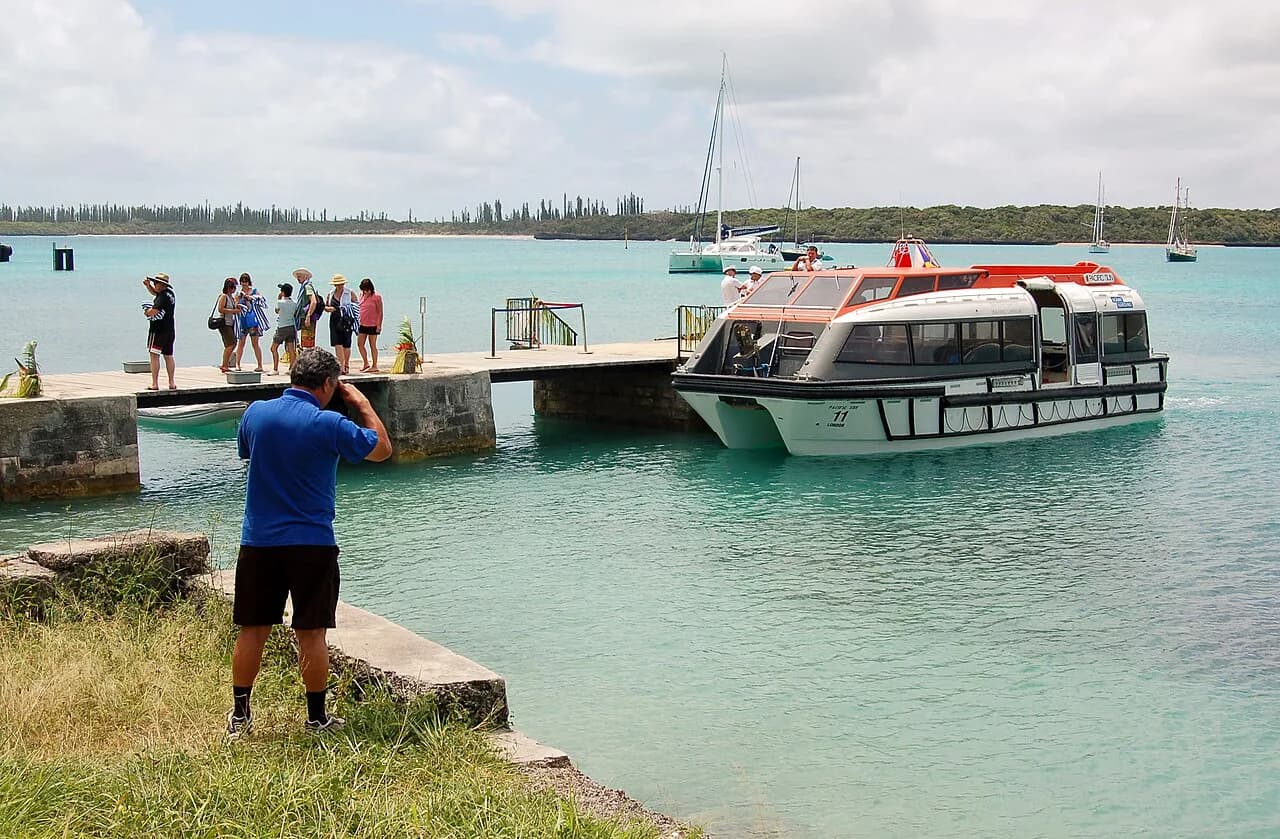
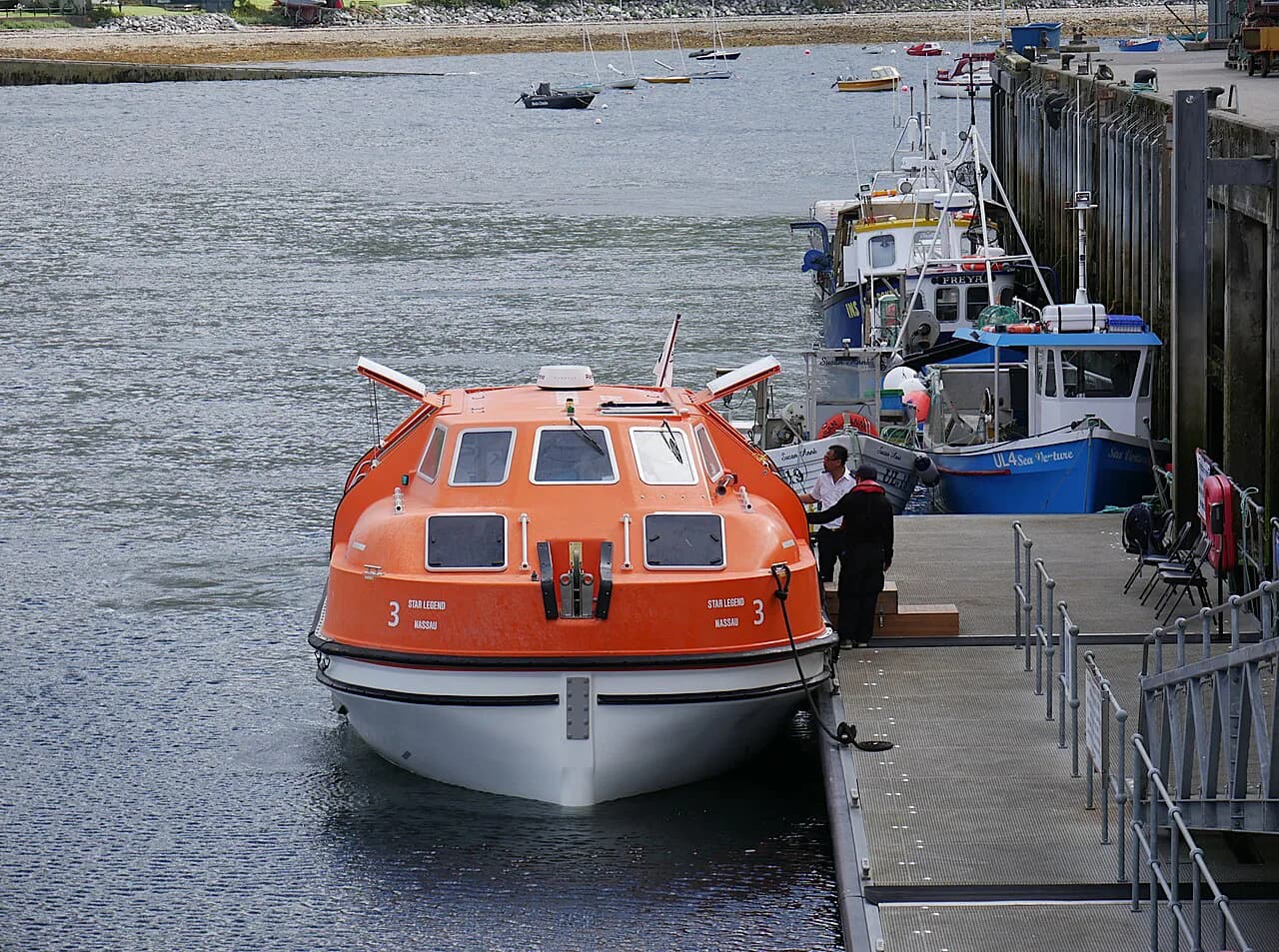
At a tender port the ship cannot come alongside, so it anchors offshore and passengers are carried to land in smaller vessels that often look like lifeboats or little ferries. You do not walk down a gangway onto a quay; you board a tender from the ship's tender platform and disembark at a landing point ashore. That single difference reshapes the start and end of your day, because both directions require a boat crossing and the waiting that goes with it.
Treat the crossing as part of the day's transport budget rather than an inconvenience at the edges. The practical question is not distance to the sights but how much of your call is consumed by getting on and off the ship.
Why some ports tender instead of docking
Three conditions push a call into tender mode, and they are worth separating because a port is not permanently one type. Port infrastructure is the first: some places simply lack docking facilities long enough or deep enough for large cruise ships. Shallow water is the second, forcing the ship to stand off where it can float safely. Congestion is the third, arising in busy destinations when several ships compete for limited docking space at once.
That third reason matters most for planning, because it means the same port can be a berth on one sailing and an anchorage on another depending on how many ships are in that day. Two ships in port can change your day more than the destination itself. If your itinerary is built around a tight independent plan, the berth-versus-anchor question is the one to resolve first.
Tendering versus docking alongside
Docking alongside means you walk off when you choose, within the ship's published times, and walk back on the same way. Tendering inserts two boat rides into that sequence, each with boarding, loading and a landing-point walk at the far end. On a long call the difference is background noise; on a short one it can decide whether a half-day excursion is realistic at all.
A helpful habit is to count shore time from the moment you land, not the moment you leave your cabin. If a tour is described as four hours, ask whether that includes the crossings, because an operator meeting you at the landing point starts the clock later than you might assume.
How the tender process works on the day
In practice, tendering is organized in batches rather than as a free-for-all. Passengers gather in a staging area such as a lounge or theatre, are called by group, and then proceed down to the tender platform to board. Many ships issue tender tickets or group numbers to sequence the flow, and ship-sponsored tours are usually assembled and dispatched as a block. The exact system belongs to your cruise line, so confirm the procedure for your ship with guest services early in the voyage.
Because the staging is staged, the first tenders are not simply first-come. If you want to be ashore early for an independent plan, ask at guest services the day before how the tickets are distributed on your ship.
Timing your day around the queues
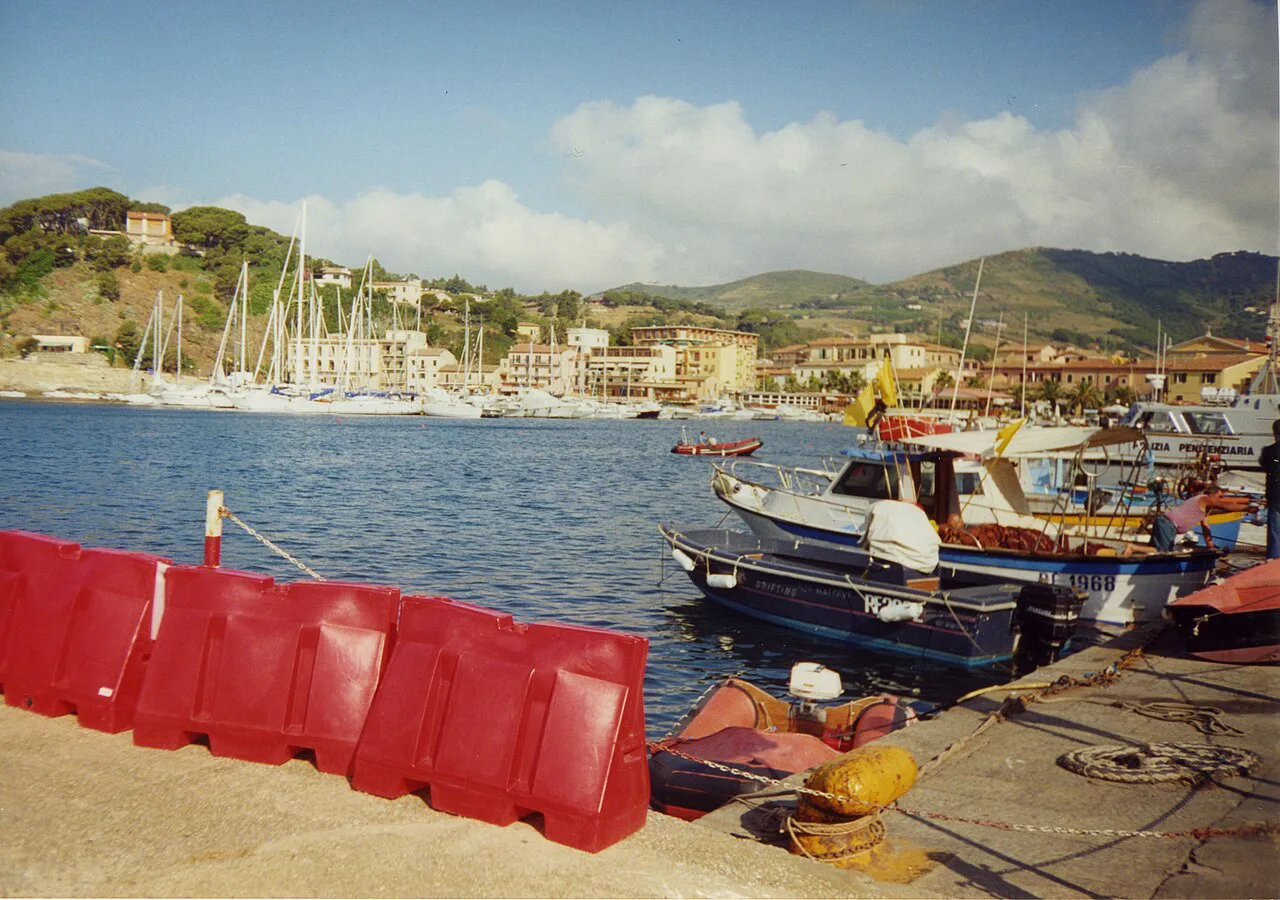
Tender queues build at predictable moments. The heaviest demand comes right after the ship clears and again in the last hour or two before all-aboard, when everyone converges on the landing point at once. Planning to go ashore after the first rush and to return well before the final tenders is the simplest way to protect your day. None of this is a guarantee of a quick crossing; it is a way of not standing in the longest line of the morning.
Set a personal return time rather than the ship's all-aboard time. The last tender is not the moment to arrive at the landing point; it is the last boat, and it may be full. Give yourself at least one full tender cycle in hand, and more on a day when weather is marginal. Where you are weighing how much of a short call is realistic at a tender port, the wider collection of european cruise ports gives you a sense of how much time similar calls consume on the ground.
Weather and the captain's call
Tender operations run at the captain's discretion and under the cruise line's safety protocols. Rough seas, poor visibility or an awkward swell can suspend tendering, and in severe conditions the line may look at alternatives such as rerouting or adjusting the itinerary. That is a safety judgment, not a scheduling failure, and it is the main reason a tender call is less predictable than a berth call.
This is exactly why independent plans at tender ports should be flexible on the day. A private tour or a booked ticket that cannot be moved is a bet on the weather holding and the tenders running. Ship-sponsored tours carry a different kind of risk profile: if the call is disrupted, the line handles the reshuffle. That is not a promise the ship will wait for anyone, and no operator can offer one.
Tendering with limited mobility or a wheelchair
Access to tenders varies by cruise line, ship and port, and the boarding arrangements are the part that varies most. Cruise lines make efforts to accommodate passengers with disabilities or mobility issues, but the specific features available on a given tender and at a given landing point differ. Raise your requirements with the cruise line or your travel agent well before you sail, so you know what to expect rather than discovering it at the platform.
If a step-free route or assistance boarding is essential to your day, that conversation belongs in the booking phase, not the port-day briefing. Ask specifically about your itinerary's tender calls, not tendering in general.
Spotting a tender call on your itinerary
Your itinerary is the first place to look, though the wording is not always explicit. A call listed as an anchorage, or described as landing by tender, is the clearest signal; some lines flag tender ports in their shore-excursion listings or port notes. Where the documentation is silent, ask the cruise line directly which calls on your sailing involve tendering. Ports on the Mediterranean Sea and Adriatic Sea itineraries include a mix of alongside berths and tender calls, so the answer is specific to your sailing rather than the destination. The Kotor cruise port guide is one useful example of an Adriatic call where the berth-versus-anchor detail shapes the plan.
For independent planning, it also helps to know the shape of the destination's port area before you commit. A compact old town within a short walk of the landing point absorbs tender time far better than a destination whose sights sit an hour inland. Reviewing port-by-port guidance, such as the cruise ports in italy, helps you judge which calls reward a long day ashore and which reward a short one. The Villefranche cruise port guide shows the same berth-versus-anchor question applied to a Riviera tender call.
Independent plans versus ship tours at a tender port
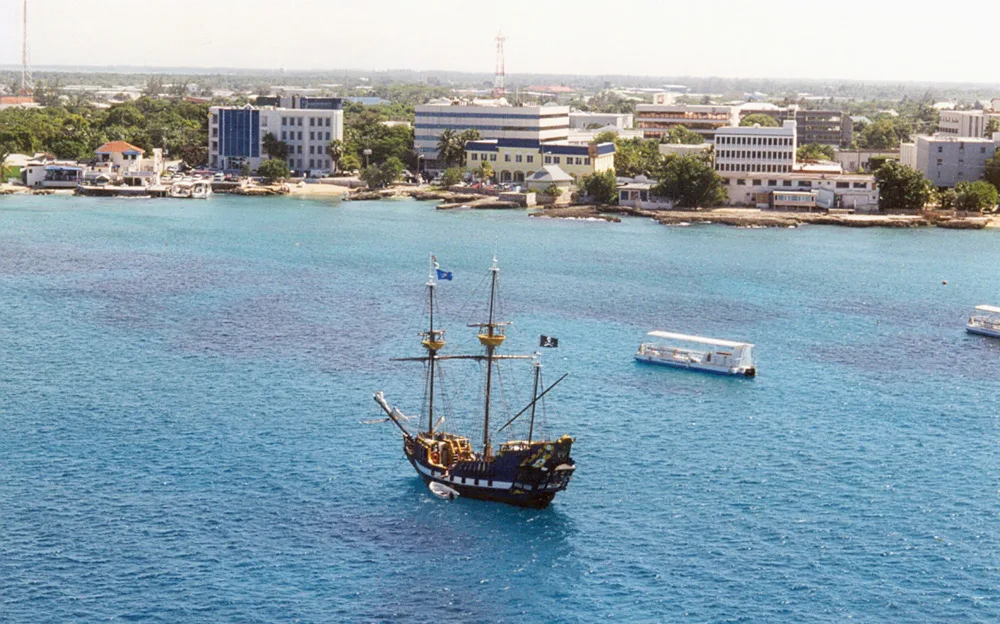
At a berth, an independent day is a matter of walking off and managing your own time. At a tender port, the crossings add two fixed, ship-controlled segments to your day, and that changes the risk calculation. A local operator meeting you at the landing point can still deliver a good day, but a late return leaves you dependent on the queue rather than a gangway. The ship is not obliged to wait for independent travelers.
If your call is short, or the destination's highlights lie well inland, the ship's tour often earns its premium simply by consolidating the transfers and removing the return-queue variable. If you are confident, know the landing point and have a buffer, going independently gives you freedom and usually more time at the sights.
What fits in a six-, eight- or ten-hour call
On a tender call with roughly six hours ashore, treat the destination as a single-district day. Pick sights within walking distance of the landing point, and leave the inland excursions for a longer call. An eight-hour call gives you room for one out-of-town movement, provided you are back at the landing point with time to spare. A ten-hour call is where tender ports start to behave like normal port days, and the return buffer matters less than the crowd at the last tenders.
Wherever you fall on that scale, decide your return time first, then build the day backwards from it. That single habit does more for a tender day than any itinerary choice.
Plan Your Tender Day First
A tender port is not a lesser call; it is a call with a different time budget. Decide what you want from the day, count the two crossings honestly, and set a return time with a full tender cycle in hand. Once that is done, choosing between the ship's tour and an independent plan becomes a straightforward question about distance and risk rather than guesswork.
Frequently Asked Questions
What is a tender port?
A tender port is a call where the ship anchors offshore instead of tying up at a berth, and passengers are ferried to land in small tender boats. You board from the ship's tender platform and disembark at a landing point ashore.
Why do cruise ships tender instead of docking?
Three conditions drive it: a lack of docking infrastructure for large ships, water too shallow for the ship to come alongside, and congestion when several ships share limited docking space. The same port can be a berth call on one sailing and an anchorage on another.
Do I need a ticket to get on a tender boat?
Many ships sequence tendering with tickets or group numbers, and passengers gather in a staging area before being called to the platform. The exact system is set by your cruise line, so ask guest services early in the voyage how it works on your ship.
Can you walk off the ship at a tender port?
No. There is no gangway onto a quay, so going ashore means boarding a tender at the tender platform and crossing to the landing point. Coming back requires the same crossing in reverse, which is why return timing needs its own buffer.
What happens to tendering in bad weather?
Tender operations run at the captain's discretion under the cruise line's safety protocols. Rough conditions can suspend tendering, and in severe weather the line may look at rerouting or adjusting the itinerary.
Can wheelchair users go ashore at a tender port?
Access varies by cruise line, ship and port, and cruise lines make efforts to accommodate passengers with mobility issues. Raise your specific requirements with the cruise line or travel agent before you sail, and ask about the tender calls on your itinerary rather than tendering in general.
How early should I return to the ship at a tender port?
Treat the last tender as the last boat, not a deadline you can arrive at, and plan to be at the landing point a full tender cycle or more before all-aboard. Queues peak in the last hour or two, so an earlier return costs you little and protects the rest of your day.
Is Great Stirrup Cay a tender port?
That is a question for the cruise line operating the call. Itinerary documents, shore-excursion listings and port notes are where lines flag tendering; where they are silent, ask the line directly about your sailing.
Sources
Port-day notes for your next cruise
Optional updates to our port guides.
You might also like
Continue reading
More guides you'll find useful