Zeebrugge to Bruges: Cruise Port Transport Options
Compare the shuttle, tram and taxi from Zeebrugge cruise port to Bruges, with journey times and prices, so your port day fits the all-aboard time.
On this page
A Bruges port day is one of the easiest in northern Europe to enjoy on foot once you arrive: the old town is compact, the canals are close together, and the main squares sit within a short walk of each other. The catch is the transfer, which eats a real slice of every Zeebrugge call before you have seen a single canal.
This guide suits passengers who want to weigh the paid shuttle against the cheaper tram-and-walk option, and anyone deciding whether a ship's excursion is worth the extra cost on a short call. Set your all-aboard time first, then pick the transport that leaves the most usable hours in Bruges.
What a Bruges port day from Zeebrugge looks like
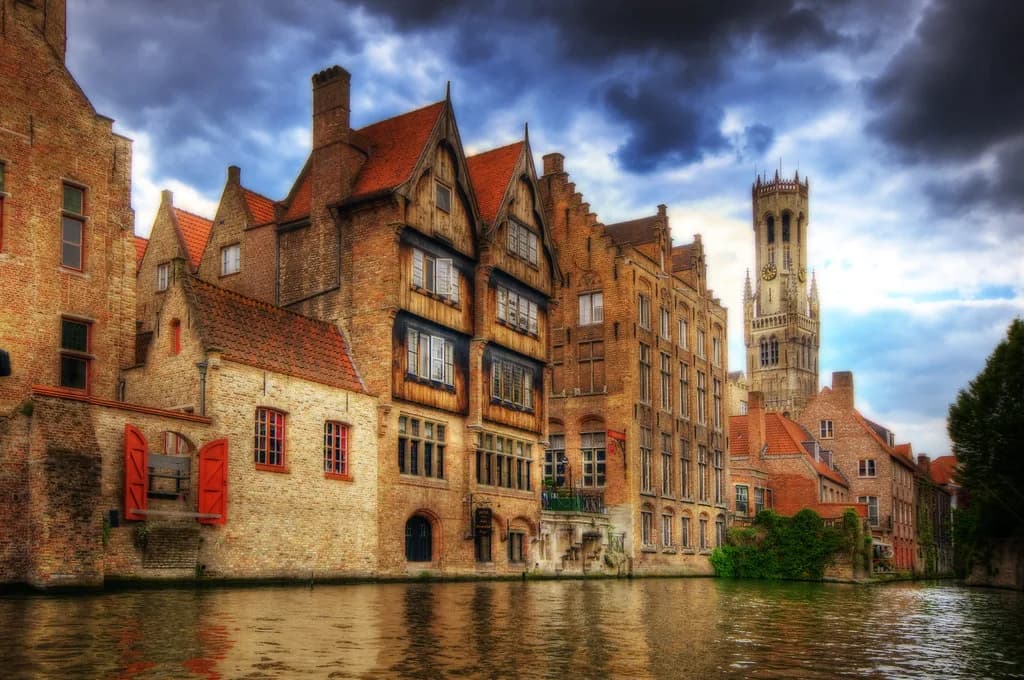
Bruges is a canal-ringed medieval city where the sights cluster tightly: the Markt and Belfry, the Burg, the rozenhoedkaai canal viewpoint and the begijnhof all sit within a walkable core. That compactness is why a short call still works, provided you arrive early and resist spreading yourself across the whole city.
The honest framing is that the transfer, not Bruges itself, limits the day. Zeebrugge sits on the coast and Bruges lies inland, so every option involves a road or rail leg in each direction, and the return leg is the one you cannot compress. Plan the day backwards from all-aboard rather than forwards from the gangway.
Where ships dock at Zeebrugge
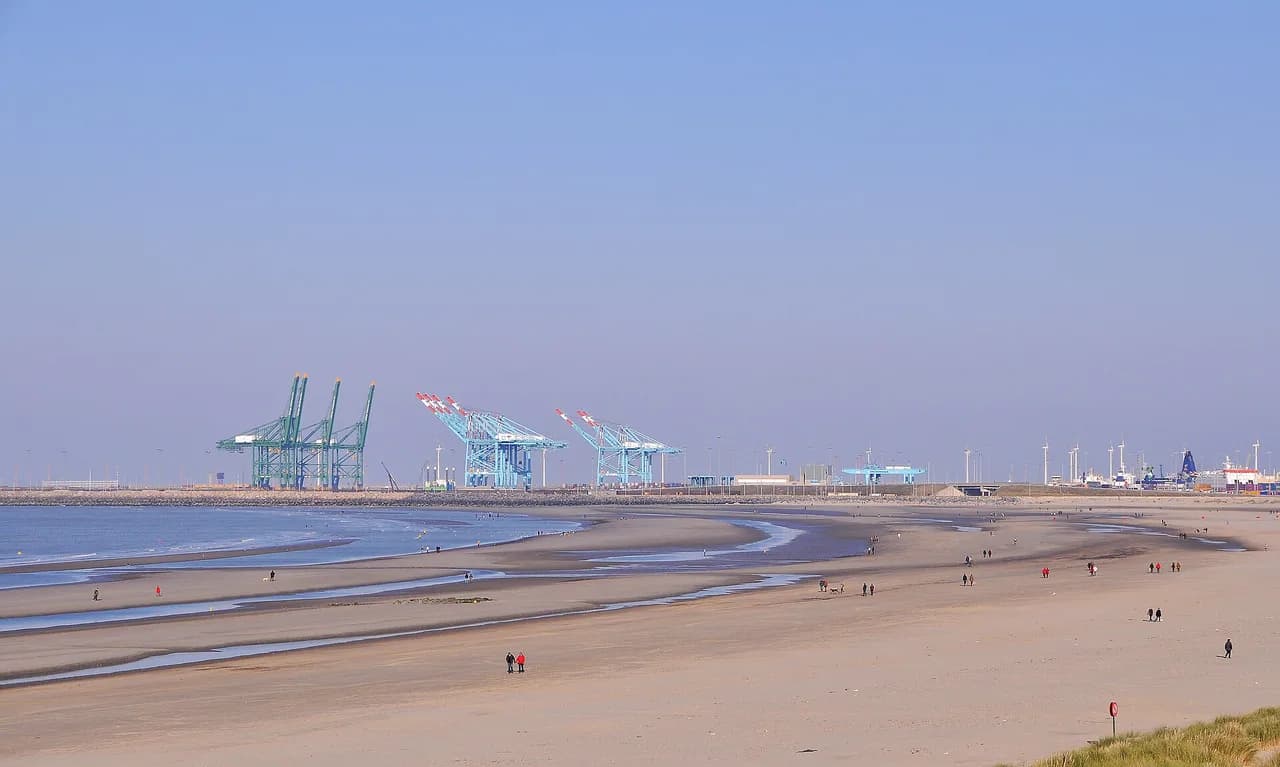
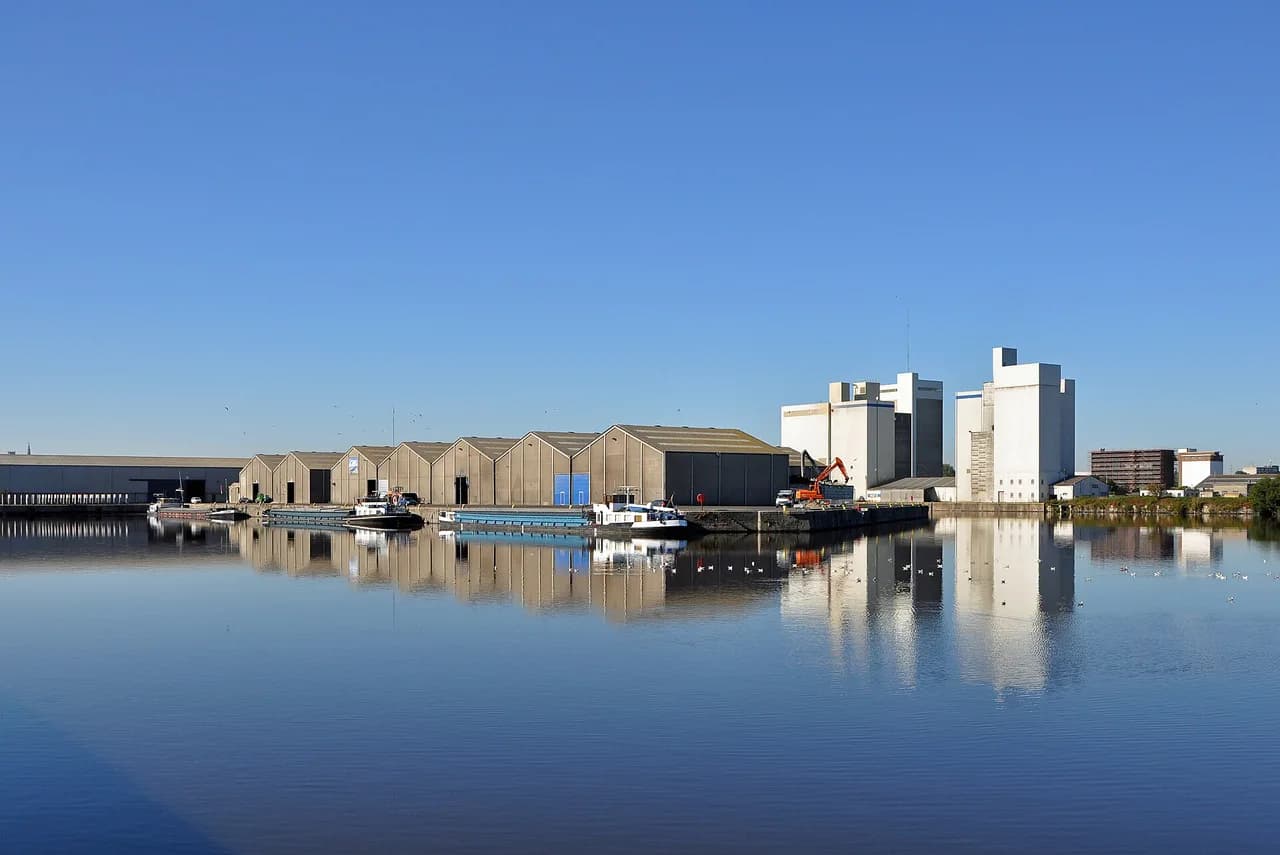
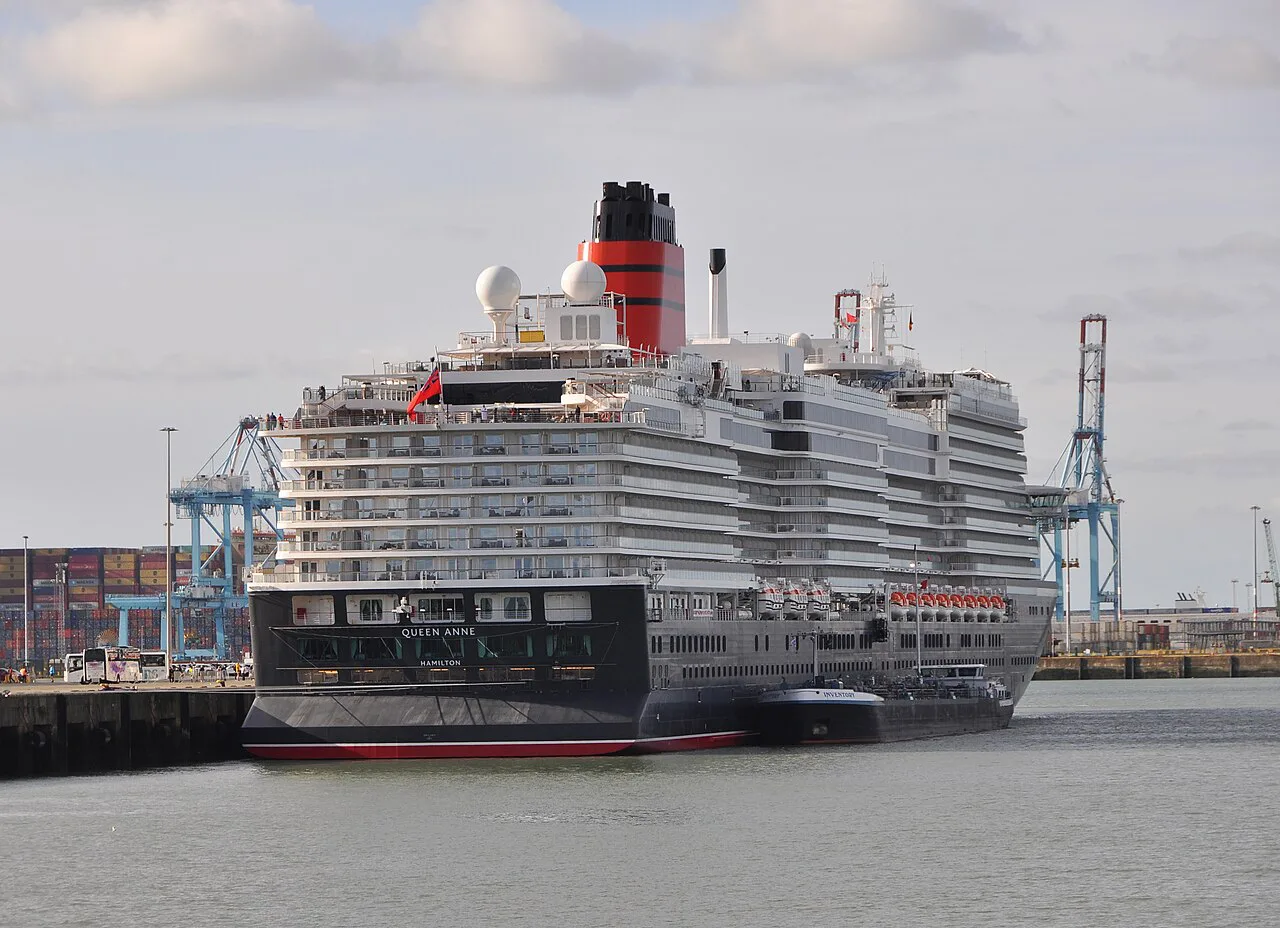
Cruise ships berth in the Zeebrugge port area, a working cargo and ferry port rather than a town waterfront, so the berth itself is not where your day begins. From the ship you face a port zone of quays, fences and road traffic before you reach any public transport or taxi rank. The full cruise port layout is worth reading before you plan the walk.
That layout matters because the walk to the tram stop is the single biggest variable in a do-it-yourself day. Forum reports put the tram stop roughly 10 to 15 minutes on foot from the port area, which is manageable in good weather but not trivial with a fixed return time.
Bruges is small enough to tour on foot once you are dropped in the centre, so the practical question is not what to see but how to reach the old town with the least friction. Passengers who dislike port walks should book a service that collects at the ship rather than plan a tram hike.
Getting into Bruges: the realistic options side by side
You have three realistic choices: a booked shuttle that runs direct from the cruise terminal to Bruges, the coastal tram plus train combination, or a taxi. The shuttle is the simplest and costs the most; the tram is the cheapest and involves the most walking; a taxi splits the difference but needs a return plan.
Weigh them on total door-to-door time, not headline journey length. A shuttle that departs at frequent intervals and drops you in the heart of Bruges removes the tram stop walk and the station-to-centre leg, which is often worth more than the fare difference on a six-hour call. The same logic applies at other compact ports where the berth sits away from the sights; the Southampton cruise port is a useful comparison for weighing ship-side shuttles against public transport.
Whichever you choose, the leg from the berth to the city centre is the part that needs a plan, and the dedicated guide to getting from Zeebrugge Cruise Port to the City Centre covers the walking routes, stops and transfers in detail.
Cruise Express shuttle: price, frequency and where it drops you
Cruise Express runs a shuttle aimed squarely at cruise passengers between the Zeebrugge terminal and the centre of Bruges, and it states plainly that it serves cruise ships rather than regular ferry traffic. Its fares are €15 one way and €30 return, infants aged 0 to 2 travel free, and children pay a reduced tariff.
On frequency, Cruise Express says buses depart at regular intervals with a maximum wait of around 30 minutes, and that return shuttles are timed around cruise departures. Treat that timing promise as Cruise Express's own scheduling commitment rather than a guarantee your ship will wait for you.
Booking online in advance is Cruise Express's recommended route and avoids hunting for a ticket at the berth. If you want zero logistics and a drop-off inside Bruges, this is the option that removes the most walking from your day.
Tram from Zeebrugge to Bruges: the stop, the walk from the berth and tickets
The do-it-yourself route uses the coastal tram toward the coast and a connecting train to Bruges, with the tram stop roughly 10 to 15 minutes on foot from the port. Forum users describe the rail leg as short and reliable, and the final walk from Bruges station into the centre as about a quarter of an hour.
Buy tickets at the tram or station machines on the day; the cost is set by the Flemish public transport operator and is not a figure to rely on from second-hand posts. Allow extra time on the return, because you are tying together a walk, a tram and a train before all-aboard.
Taxi from Zeebrugge cruise port to Bruges: when it pays off
A taxi makes sense when you are a group of three or four, when mobility matters, or when you have a genuinely short call and cannot absorb a 15-minute walk to a tram stop. It is the only option that can be door-to-door from the berth to the old town with no changes.
The catch is the return leg. Taxis are not guaranteed to be waiting in Bruges when you want one, so agree a pickup time and place with your driver or keep a local taxi number to hand. Fares are metered or negotiated on the day and should be confirmed with the driver before you set off.
Ship's excursion versus independent travel to Bruges
A ship's tour removes every decision: transport, timing and the worry about the return leg are handled for you, and the tour operator builds the schedule around the ship's departure. The trade-off is cost and rigidity, since you move at group pace and rarely get long free time in the centre.
Going independently, by shuttle, tram or taxi, gives you freedom in Bruges at the price of managing your own return. No transport provider can guarantee the ship will wait for a late independent traveler, so the buffer you leave is the real insurance policy.
How much of Bruges fits a 6-, 8- or 10-hour call
On a six-hour call, expect the transfer to consume a serious share of the day, so pick one compact area such as the Markt and Burg with a canal walk and skip anything outside the centre. An eight-hour call gives you room for a canal boat trip and a leisurely lunch alongside the main squares.
A ten-hour call is the one that lets you add a second district, a museum or a chocolate stop without rushing, and it also makes the tram route comfortable. Whichever length you have, count the return transfer as fixed time and protect it.
The return buffer: what to leave before all-aboard
Work backwards from all-aboard: subtract the shuttle or tram waiting time, the journey back to Zeebrugge, and the walk from the drop-off to the gangway. A 45- to 60-minute buffer before all-aboard is a sensible working target, and it grows if you are using the tram-plus-train route.
If you take the shuttle, note Cruise Express's stated alignment with cruise departures, then still build your own margin into the last bus you plan to catch. Leaving Bruges an hour earlier than strictly necessary costs you a coffee and buys peace of mind.
Walking Bruges from the drop-off point: a compact route
From the drop-off in the centre, start at the Markt, look up at the Belfry, then walk through the Burg and down to the Rozenhoedkaai for the classic canal view. Continue to the begijnhof and loop back via the quieter lanes, which keeps the whole circuit inside the old town and avoids retracing your steps.
Bruges is flat and cobbled, so comfortable shoes matter more than fitness. The compact loop fits a short call and leaves time for a canal-side drink before you head back to the shuttle or station.
Common mistakes on this port day
The most common error is treating Zeebrugge and Bruges as one place, which leads passengers to underestimate the transfer in both directions. The second is booking nothing and arriving at the terminal expecting a free shuttle into Bruges; the services that run are commercial or public, and the tram requires a walk first.
Third is cutting the return too fine, especially on the rail route where a single missed connection can cost half an hour. Fourth is trying to see Zweedse Kaai or the wider port attractions and Bruges in the same call; pick one and do it properly.
Bringing a dog ashore at Zeebrugge: what the transport options allow
If you are travelling with a dog and calling at Zeebrugge, the practical question is not whether the animal may join you on the crossing, but how it would travel from the port to Bruges. The Cruise Express shuttle is described as a service from the cruise terminal straight to the heart of Bruges, with departures at regular intervals and a maximum wait of 30 minutes. Its published fares are €15 for a one-way trip and €30 for a return ticket, with special tariffs for children and infants aged 0 to 2 travelling free of charge. Nothing in the operator's own information mentions dogs, so the published service is presented purely in terms of passengers and their tickets.
The tram alternative has a different shape. The tram stop in Zeebrugge is some 10 to 15 minutes' walking from the berth, and for a family of four adults with two children the round trip from Zeebrugge to Bruges has been costed at €58.20. Getting off at the Bruges end means about a 15-minute walk into the centre of Bruges from the station, with trains described as usually on time. Because this route is a public tram and then a walk, it is the option where an accompanying dog would be exposed to the street rather than to a booked seat on a shuttle.
Two things follow for planning. First, the dog's place on the chosen leg is a question of what that operator or carrier permits, and the sources here state no such permission for either the shuttle or the tram. Second, the walking involved matters: the 10 to 15 minutes from the berth to the tram stop and the roughly 15 minutes from the station into central Bruges are both done on foot, in addition to whatever time you spend in the compact city itself. If neither the shuttle nor the tram turns out to be workable for the animal, the remaining choice is the taxi or the ship's excursion, and the decision has to be settled before you commit to a ticket.
Plan Your Bruges Port Day
Decide your transport before you leave the ship: the Cruise Express shuttle for the simplest arrival at €15 one way or €30 return, the tram and train for a cheaper but more physical day, or a taxi for speed with a group. Then protect your return buffer and let Bruges fill the hours in between.
Frequently Asked Questions
Is there a free shuttle from Zeebrugge to Bruges?
The transfer services between the cruise terminal and Bruges are commercial, with published fares, and the public tram route involves a short walk from the port area before you board. Compare the fare and the walking involved before deciding which suits your call.
How do I get from Zeebrugge cruise port to Bruges?
You can book the Cruise Express shuttle that runs from the terminal into central Bruges, walk to the coastal tram stop and continue by train, or take a taxi from the berth. The shuttle removes the walking at both ends, while the tram is the cheapest and most physically active option.
How much is the Cruise Express shuttle from Zeebrugge to Bruges?
Fares are published on the Cruise Express website and booking page, including reduced tariffs for children and free travel for infants.
How long does it take to get from Zeebrugge to Bruges?
The shuttle runs direct from the terminal to the centre of Bruges and departs at regular intervals, while the tram-and-train route adds a walk to the stop and a short connecting ride. In every case the return transfer is the leg that sets your latest departure time.
Is the tram or the shuttle better from Zeebrugge cruise port?
The shuttle wins if you value a short walk and a drop-off in the centre of Bruges, and it is booked in advance so there is nothing to arrange on the day. The tram suits passengers who want a cheaper day and do not mind the walk from the port plus a change onto the train.
How much time do I need in Bruges on a cruise call?
A six-hour call supports a compact walk around the Markt, Burg and canal viewpoints, an eight-hour call adds a canal boat and a meal, and a ten-hour call lets you spread into a second district. Deduct the transfer and a 45- to 60-minute return buffer from your total time ashore before you plan anything.
Sources
Port-day notes for your next cruise
Optional updates to our port guides.
You might also like


Continue reading
More guides you'll find useful