Zeebrugge Cruise Port to City Centre: Bruges vs Blankenberge
Ships berth in a commercial port at Zeebrugge, so reaching Bruges for the day means a port shuttle, the coastal train, a bus or a taxi.
On this page
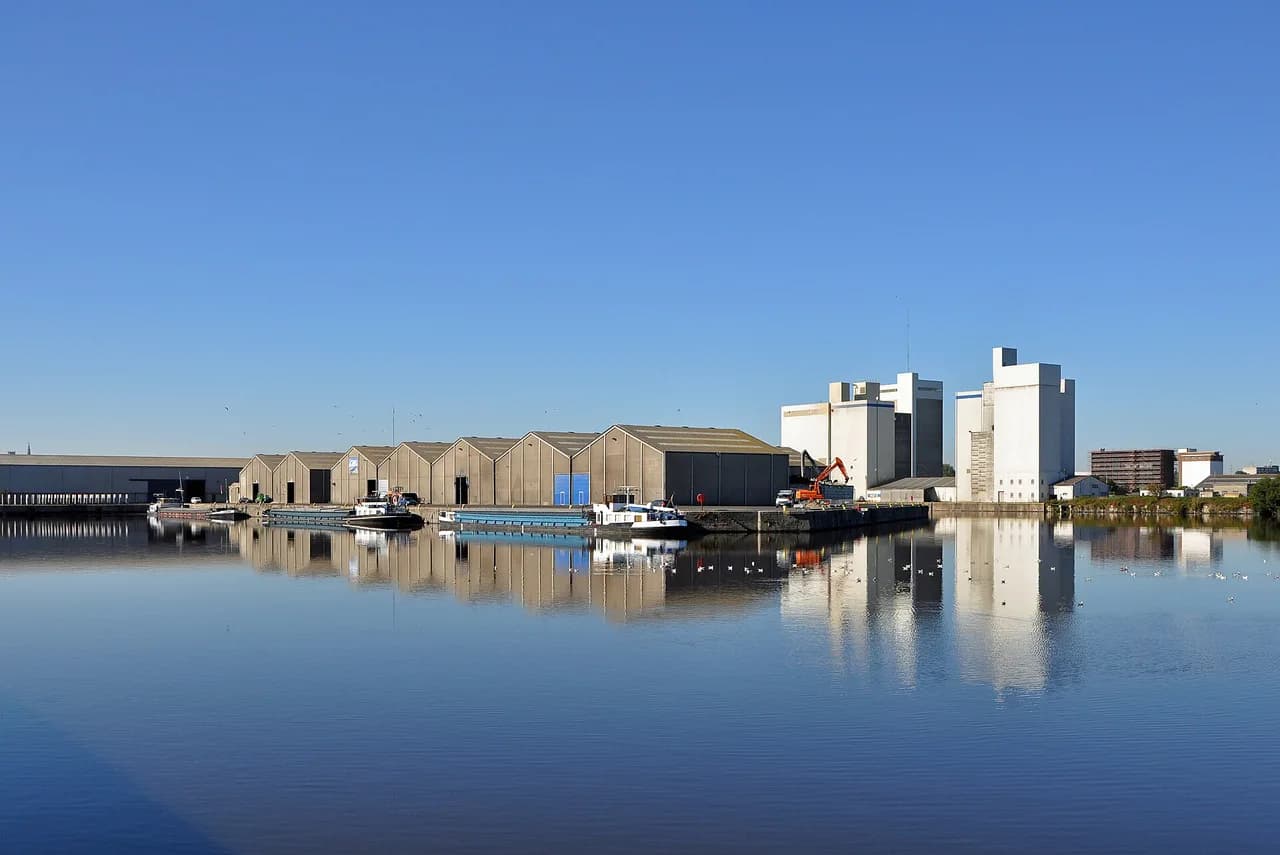
A Zeebrugge port call drops you in the middle of a working commercial harbour, with the medieval streets of Bruges inland rather than over the dock wall. That shapes the whole day: nothing begins until you have cleared the port, and the clock you are really racing is the trip back.
This guide suits passengers who want to build the day themselves and understand where the time goes. If you would rather see the options side by side, the Zeebrugge to Bruges for Cruise Passengers page compares the main routes in one place.
What a Zeebrugge port call actually is
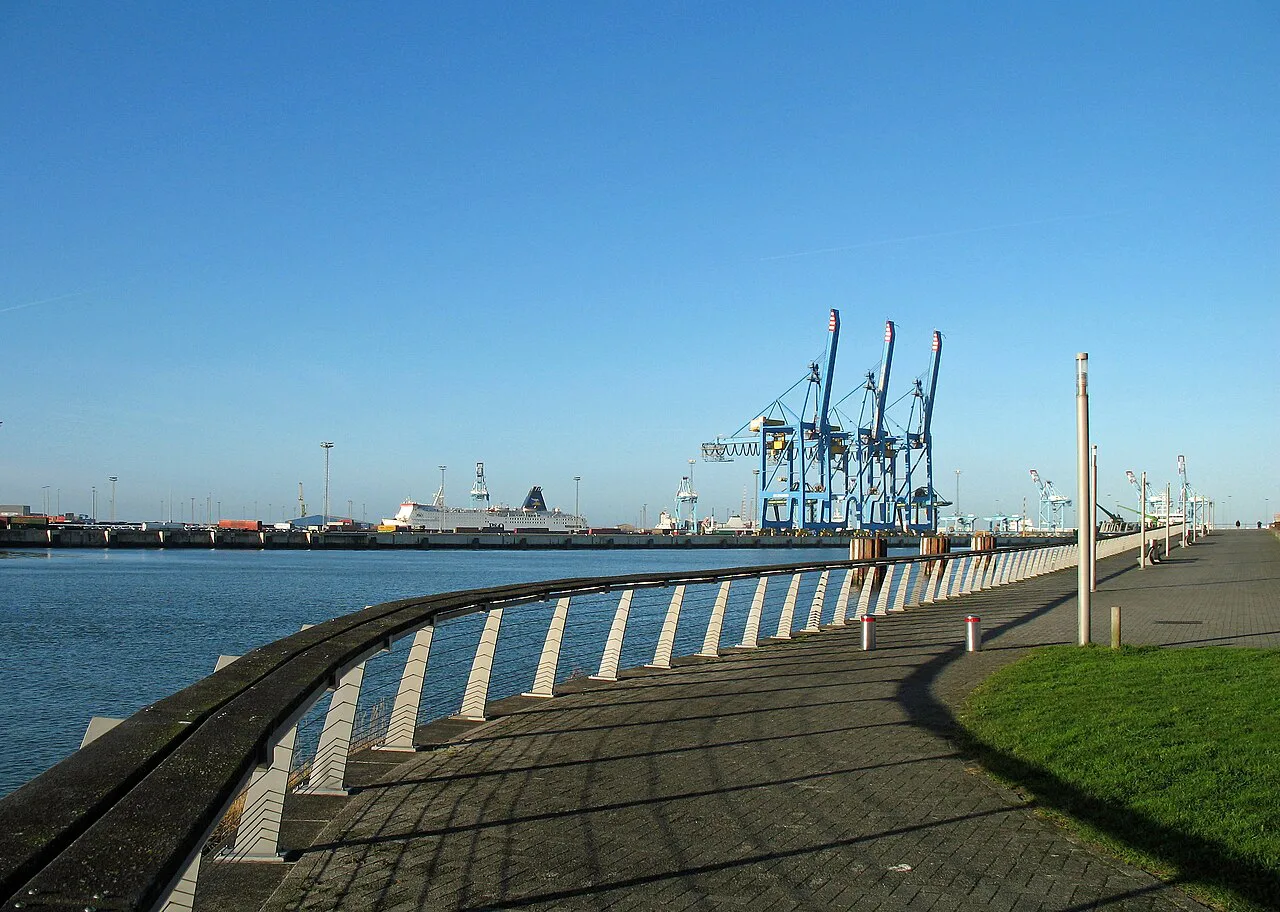
Cruise ships moor inside a commercial harbour, not alongside a seaside promenade, and foot passengers are moved between the quay and the port terminal area by shuttle. That first hop is short but it is not something you can replace with a stroll, so build it into your plan before you think about Bruges.
Treat the day as three separate legs: ship to terminal, terminal to Bruges, and the walk from Bruges station to the Markt. Each one has its own wait, and it is the waits rather than the driving that eat into a short call.
Where ships dock and how the berth connects to the terminal
The berth is deep inside commercial freight territory, which is why the port runs a shuttle linking the dock to the terminal building rather than letting passengers wander through the cargo area. Take the shuttle on arrival even if the queue looks long, because there is no useful alternative on foot.
Once at the terminal you are outside the restricted dock zone and can choose your onward transport. From there it is a short walk to the onward connections rather than a long trek, which makes the terminal the natural place to decide between train, bus and taxi.
Getting out of the port: the quay shuttle and the terminal
Plan your morning around the shuttle rather than against it. Passengers who try to walk out of a commercial dock generally find themselves turned back, and the shuttle is the sanctioned route from ship to terminal.
Leave the ship early if Bruges is the goal. The shuttle and the onward journey stack up, and an hour lost at the gangway is an hour you cannot recover from a fixed all-aboard time.
Getting into Bruges by train
The coastal railway is the most predictable independent option, but the service to Bruges runs roughly once an hour, so a missed departure can cost you a full hour of your day ashore. Aim to arrive at the station with the previous train already in mind as your fallback.
Check the departure board on arrival and note the return times before you leave the station, because the same hourly rhythm governs the trip back. Buy your return ticket at the station so the return leg is not a separate transaction later in the day.
The last leg: Bruges station to Market Square
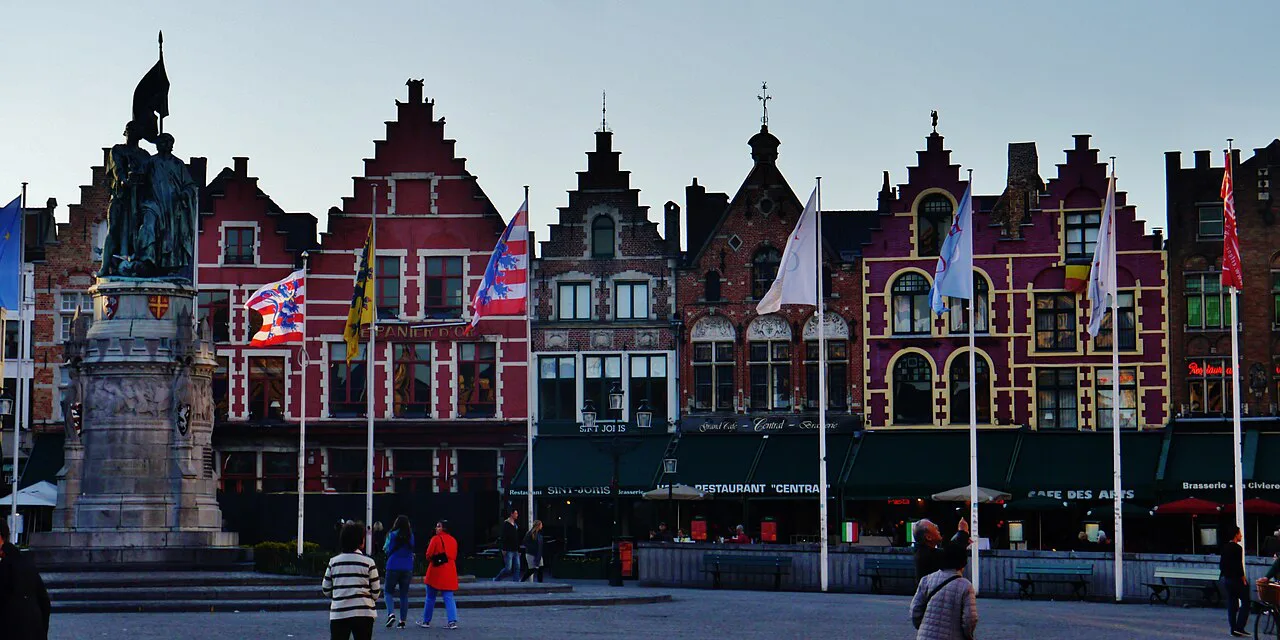
Bruges station sits on the edge of the historic core, and the Markt with the Belfry is a further walk into town rather than a station-side sight. Most passengers walk it, which keeps the day cheap and predictable, but it does add a real block of time at each end.
Walking in from the station brings you past the shopping street first, where chocolate shops, cookie shops and waffle counters line the route toward the square. Use that as your arrival stroll and save the canal-side wandering for the return, when you know exactly how much time is left.
Getting into Bruges by bus or coach
Ship-organised coach transfers remove the terminal decision entirely: you board near the vessel and are delivered into Bruges, with the return usually tied to a published departure. The trade-off is fixed timing, so weigh a later departure against the freedom to leave when you choose.
Independent coach and bus options leave from the terminal area, and the pick-up point is where the shuttle sets you down. Confirm the return departure point before you board, since a different drop-off in Bruges can leave you guessing where to be at the end of the day.
Taxis from the terminal to Bruges
A taxi buys you time at both ends, which matters most on a short call, but you need the fare agreed and the return arrangement settled before you set off. Ask the driver for a card and a meeting point, otherwise your efficient morning becomes an anxious afternoon.
Taxis rank at the terminal rather than at the berth, so the shuttle still comes first. Share if you can, and fix a return pickup with a clear landmark in Bruges rather than a street name you may mishear.
Walking into Blankenberge instead
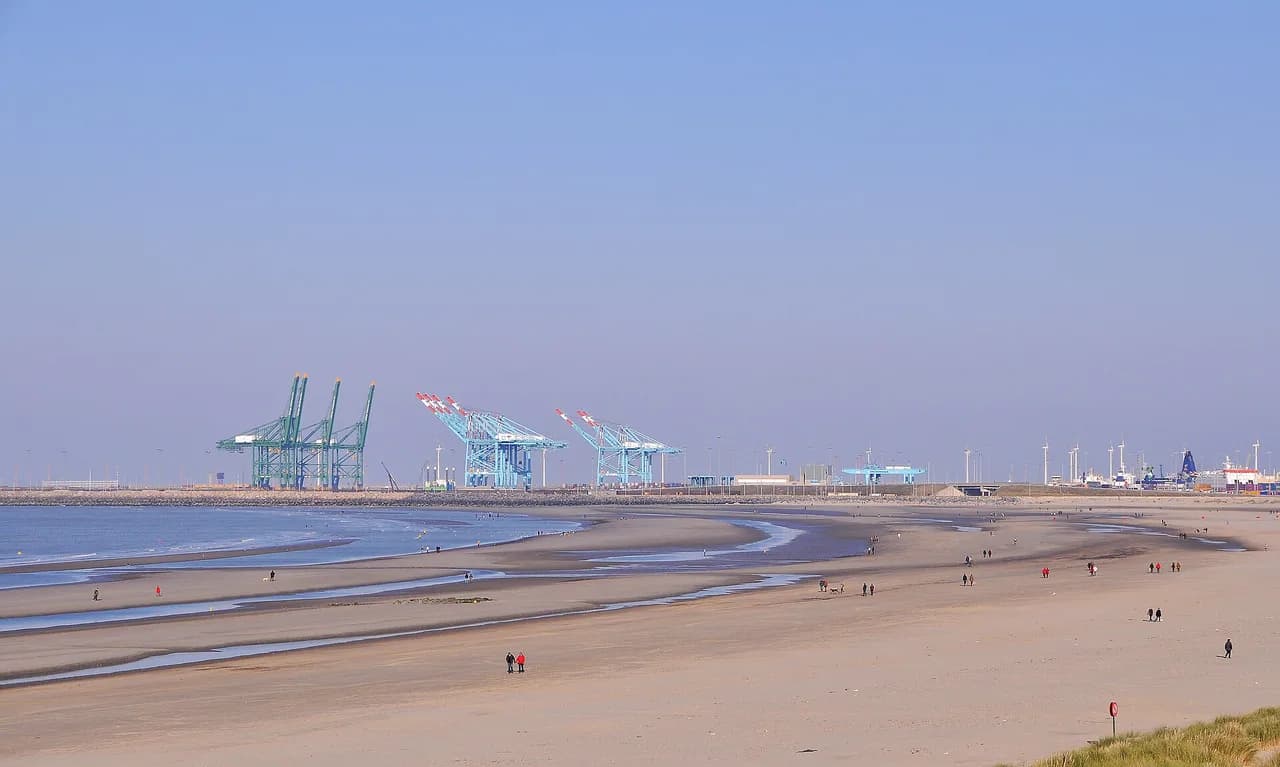
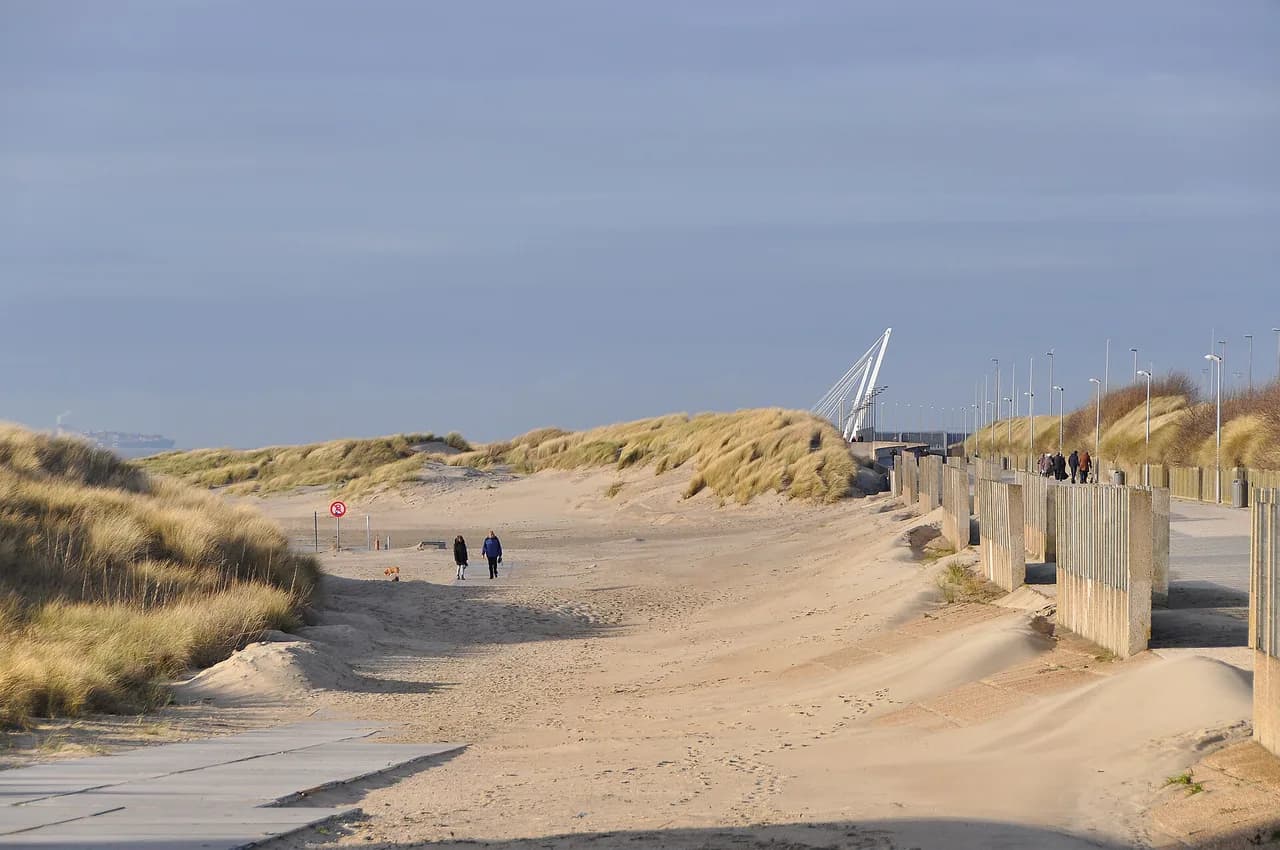
Blankenberge, the seaside town nearest the port, is the sensible target when your call is short and you do not want to gamble on a long inland run. You still need the shuttle out of the dock, but the onward leg is far less demanding than Bruges.
Treat this as the low-risk choice rather than a consolation prize: a promenade, a beach and a compact centre leave plenty of margin for the return shuttle. On a tight schedule that margin is worth more than a rushed hour in Bruges.
Timing the day: 6, 8 or 10 hours
A six-hour call realistically supports the nearer coast or a single Bruges highlight, not both the Belfry climb and a canal boat. The Belfry alone involves queuing outside because entry is controlled, with roughly an hour in line when the queue reaches the courtyard stairs and another hour to climb and visit.
On an eight-hour call, Bruges becomes comfortable if you pick two anchor sights and one proper sit-down meal. A canal boat is thirty minutes on the water, but the wait for a boat can stretch to an hour in the sun, so board further into the city where the queue is shorter.
Ten hours opens up a third stop, whether that is the chocolate museum or a relaxed lunch away from the Markt. Even then, the hourly coastal train sets the shape of your afternoon, so work backwards from the last sensible departure rather than forwards from lunch.
Return buffer: how much time to build in
Build the return around the train before the one you think you need, precisely because the service runs about once an hour. A missed connection is a sixty-minute penalty, which is the single biggest risk independent travellers take at this port.
Then add the shuttle queue at the terminal on top of that. If your all-aboard is early evening, the last comfortable train is earlier than the arithmetic suggests.
Ship tour versus independent travel
A ship tour costs more but folds the transport and the return timing into one arrangement, and the cruise line tracks the ship's schedule. Independent travel is cheaper and more flexible, but the entire return risk sits with you, and no one is holding the gangway open. Check current prices and departure times before you commit either way.
A middle path works well here: a local operator who meets you at the terminal and returns you with a margin. Compare how each option handles the hourly train rhythm, since that is what actually determines whether a late return is comfortable or tight.
Port day itinerary for Bruges on foot
Start with the shuttle, take the train, and walk from Bruges station straight to the Markt while the morning is still quiet. Head up the Belfry first thing if you want the view, because the queue grows through the day and the tower is the one sight with a hard capacity limit.
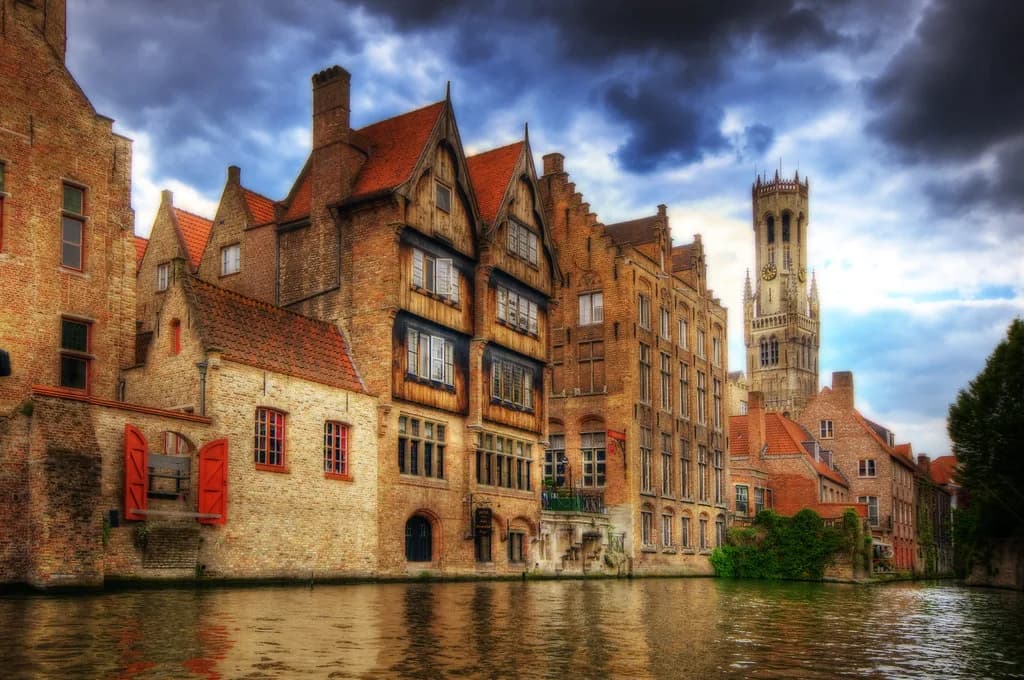
Follow the tower with a canal boat from a quieter boarding point, then eat a few minutes off the Markt where the prices ease and the canal-side cafes have outdoor tables. Finish with chocolate shopping on the walk back to the station.
Port day itinerary for a short call or a second visit
With only a few hours, stay close: the terminal, the seafront at Blankenberge and back. If you have already seen Bruges, this is the day to slow down rather than repeat the same dash.
For travellers drawn to the war memorials and cemeteries inland, a guided day from the port makes far more sense than trying to string together public transport. These routes cover ground that is not walkable from any station.
Practicalities: language, currency, shuttle and tickets
Belgium uses the euro, and Bruges runs on cards almost everywhere, so you need little cash beyond small purchases. Dutch is the local language, with French and English widely used in the tourist centre, so ordering lunch is not a challenge.
Buy rail tickets at the station machines or counter before boarding, and keep the shuttle in mind as the fixed first and last step of the day. For a wider view of the port's layout and facilities, the Zeebrugge Cruise Port Guide covers the terminal side.
Starting or ending a cruise at Zeebrugge
If Zeebrugge is your embarkation port, the same shuttle logic applies in reverse: you reach the terminal first, then the ship. Allow more time than you would for a day call, because luggage slows every step and check-in queues build.
The coastal railway links the port area with Bruges and the Belgian network, which makes rail a realistic way to arrive from Brussels or the coast. Match your arrival to the ship's check-in window rather than cutting it fine, and confirm the terminal details with your cruise line.
Plan Your Visit
Zeebrugge rewards passengers who plan the return leg first. Fix your last sensible train or shuttle, work backwards to your Bruges arrival, and pick two sights that fit that window. The same plan-the-return approach applies wherever you dock, as our Southampton cruise port guide sets out.
If the arithmetic leaves you with less than a comfortable half-day in Bruges, take Blankenberge instead and keep the margin. A calm day ashore beats a sprint to the gangway.
Frequently Asked Questions
How far is Zeebrugge cruise port from Bruges city centre?
Bruges lies inland from the port, so you cannot walk between them. The realistic route is the port shuttle from the quay to the terminal, then the coastal train to Bruges station, followed by a walk into the Markt.
Can you walk from the cruise ship into Bruges?
No. Ships berth in a commercial dock and passengers are moved by shuttle to the terminal area. From there you choose the train, a bus, a taxi or a ship coach for the onward journey.
Is there a free shuttle from the ship to the port terminal at Zeebrugge?
The port runs a shuttle between the dock and the terminal building. It is a short hop but a necessary one, so allow for the queue at both the start and the end of your day.
How often does the train run from Zeebrugge to Bruges?
The coastal service runs roughly once an hour. That interval is the key constraint on your day, because a missed train costs a full hour, so plan to catch the departure before the one you think you need.
How do you get from Bruges train station to Market Square?
It is a walk through the shopping streets into the historic core, with the Markt and the Belfry at the end. Many passengers use that walk as their arrival stroll and save canal wandering for the return.
How much time do you need in Bruges on a cruise stop?
The Belfry alone can take two to three hours when the queue is long, because entry is controlled. On a six-hour call, choose one highlight; an eight-hour call comfortably fits two sights and a meal.
Is Zeebrugge worth visiting, or should you go straight to Bruges?
Bruges is the headline destination for most passengers, but Blankenberge is the closer, lower-risk option on a short call. If your schedule is tight, the nearer coast leaves far more margin for the return.
What is the best way to get from Zeebrugge cruise port to Bruges?
The train suits independent travellers who accept the hourly rhythm, taxis buy time at both ends, and ship coaches remove the planning but fix your departure. Weigh each against your all-aboard time before choosing.
Sources
Port-day notes for your next cruise
Optional updates to our port guides.
You might also like

Continue reading
More guides you'll find useful