Zeebrugge Cruise Port to Brussels: Train, Tour or Stay Local
Zeebrugge sits far from Brussels, so the trip eats most of a port day. Compare the train, a ship tour and staying in Bruges before you commit.
On this page
Brussels rewards a full day: the Grand Place, the arcades around it and a dense old town of cafés and chocolate shops. From Zeebrugge it is also one of the longest port-day commitments in northern Europe, because the ship berths at the coast and the city sits well inland. This guide is for passengers deciding whether Brussels earns the transfer time, and how to build the day so the return leg is not a gamble.
Why Brussels is a long-haul port day from Zeebrugge
Zeebrugge is Belgium's coastal port, and Brussels is not on its doorstep. Norwegian Cruise Line's own Brussels transfer builds in a drive of roughly two hours from Zeebrugge to the city, which means four hours of the day can disappear into transport before you count the walk to the coach or the wait for a train.
That arithmetic changes who should take the trip on. Brussels suits passengers on longer calls who want a capital-city day and accept spending much of it seated, and it suits travelers who have already seen Bruges. On a short call, the honest answer is usually to stay closer to the ship.
Where ships dock and how you leave the port area
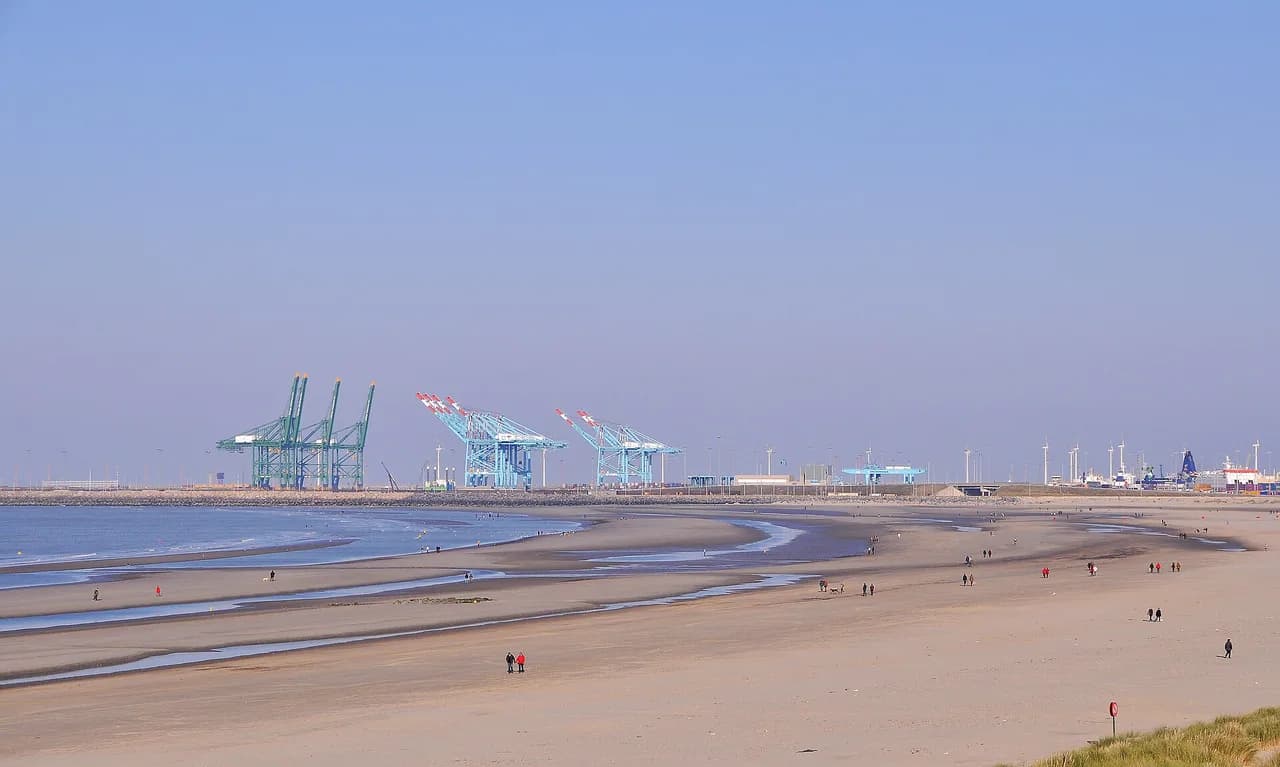
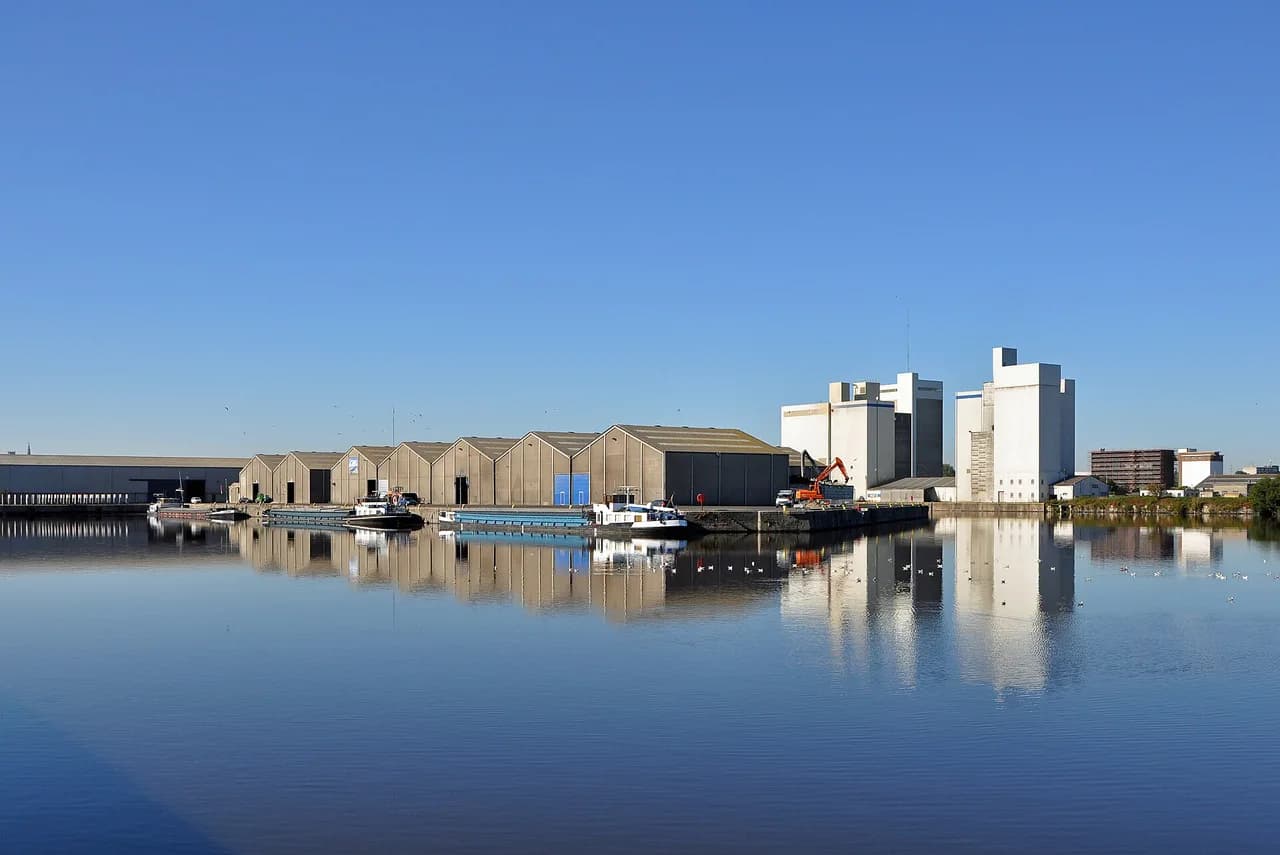
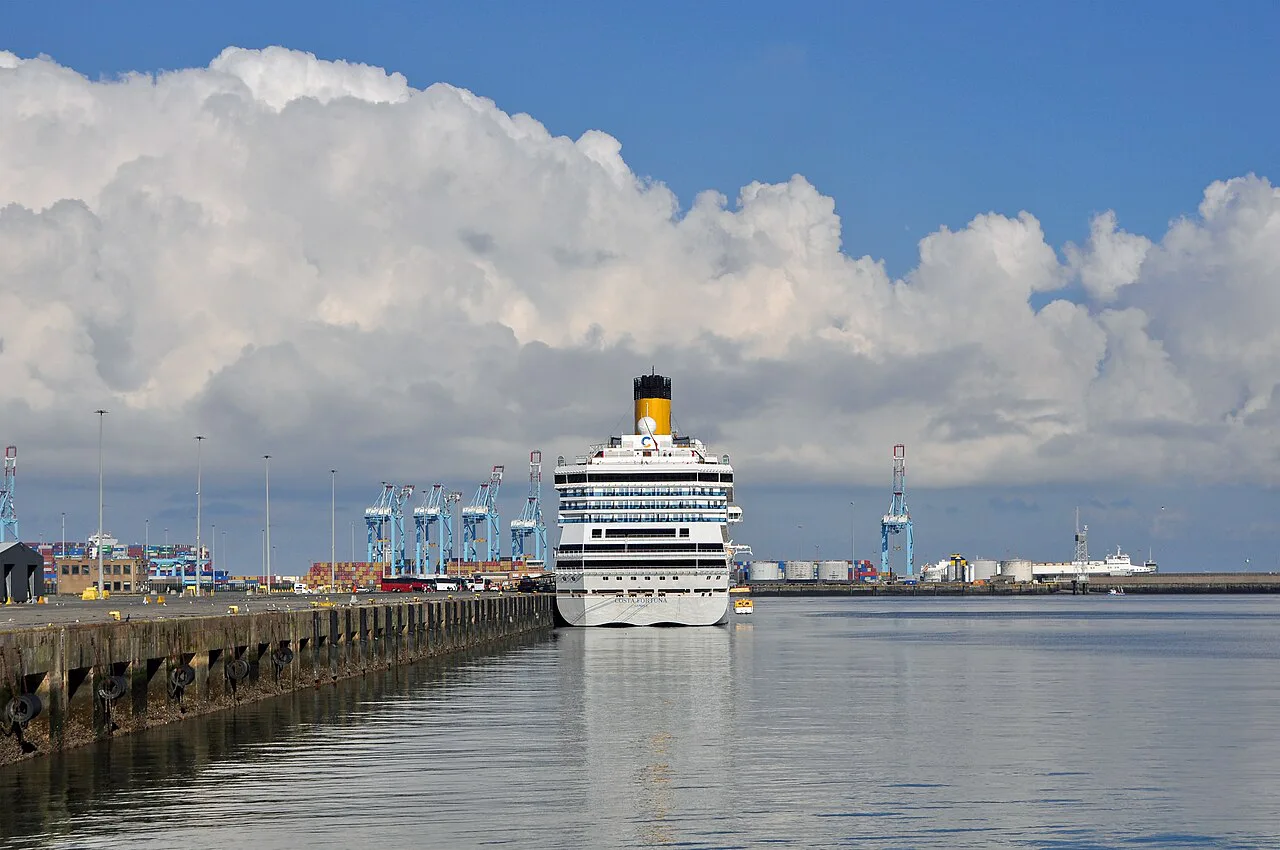
Cruise ships calling at Zeebrugge use the port complex on the coast rather than a city-centre quay, so your first task ashore is covering the distance between the berth and the transport that takes you inland. The berth and terminal arrangements vary by call, and the port layout is covered in the Zeebrugge Cruise Port Guide, which is the place to start before fixing a plan.
For a Brussels day the practical target is the rail station, because the train is the independent route inland. Work out from your cruise line's port information and the terminal's own signage which exit and which shuttle, bus or taxi gets you to the station, and allow for that leg separately from the train itself. Full details of the short hops around town are in the guide to getting from Zeebrugge Cruise Port to Bruges and the City Centre.
The train from Zeebrugge to Brussels
The independent rail option runs to roughly an hour and three-quarters to Brussels, with fares quoted in a range of about twenty-two to thirty-five euros for the journey. Treat that as planning guidance for the route rather than a fare you can bank on, and buy your ticket from Belgian rail at the station or through its own sales channels so you see the current price and departure pattern on the day.
Zeebrugge's coastal station is not a large intercity hub, so the realistic plan involves a connection rather than a single seat from the quay to Brussels, and the connection is where slack disappears. Build your return around a specific train you intend to catch, note the one before it as your fallback, and keep the buffer intact rather than spending it on one more square.
A rail day also puts ticket logistics on you. Check the return fare and the departure board when you arrive in Brussels, keep the ticket somewhere it cannot be lost, and photograph the timetable board so you are not relying on memory after a long afternoon of walking.
Doing Brussels independently in the hours that remain
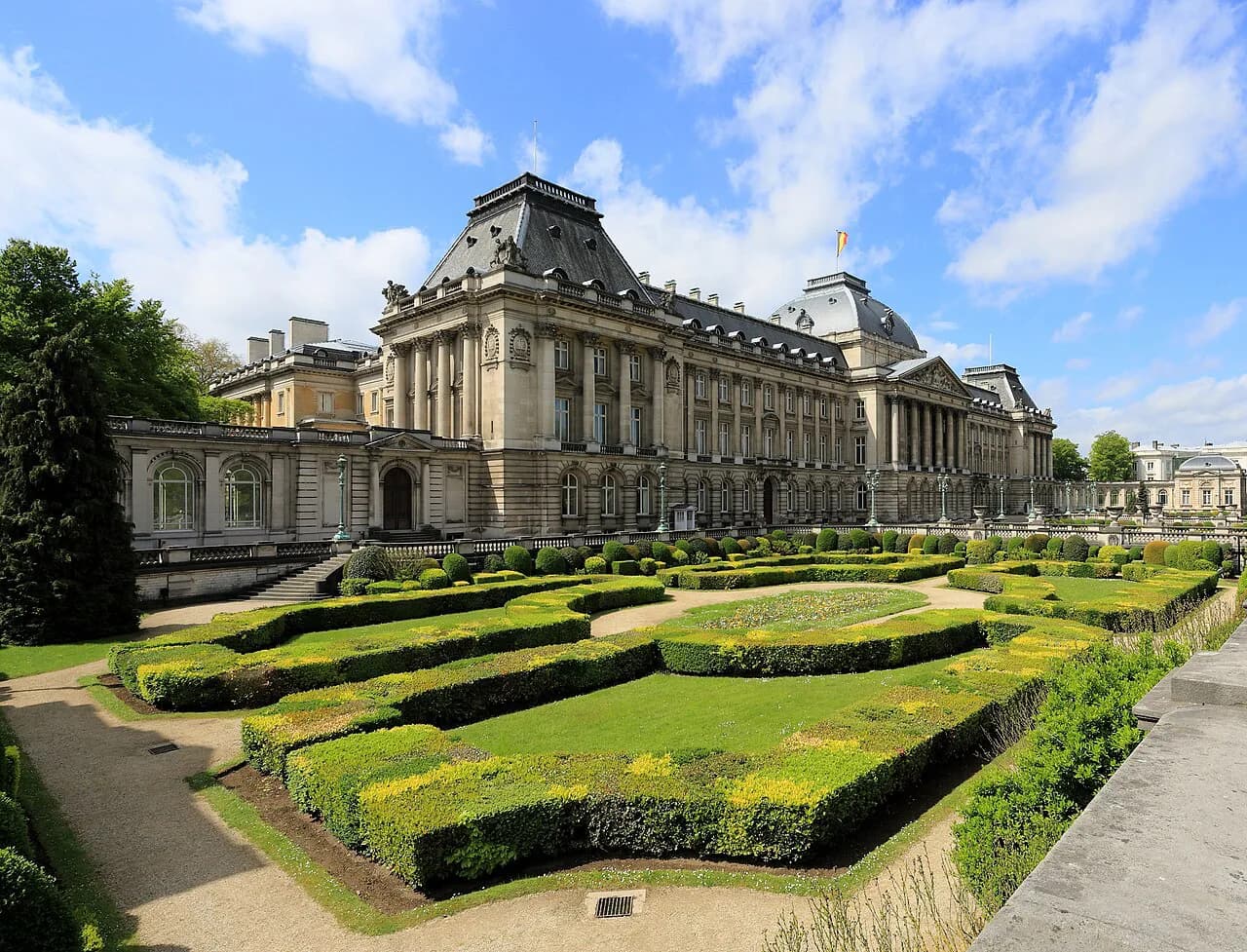
Once the transport is subtracted, an independent Brussels day is a compact old-town loop rather than a full city tour. The Grand Place and the streets immediately around it hold the densest concentration of what most passengers come for, and staying inside that ring removes the need for metro tickets or long walks between sights.
Set a hard turnaround time at the start of the day and work backwards from your train. If you are in the city with four hours on the ground, plan two clusters of sights and one sit-down meal, not three clusters and a museum. Anything further out is the first thing to cut when the clock tightens.
The ship's Brussels transfer option
Norwegian Cruise Line's Brussels On Your Own excursion is the benchmark for the coach option: about eight hours in total, an approximately two-hour drive each way, and a drop-off with a tour leader near the Grand Place before free time begins. Adult pricing is listed from ninety-nine dollars and ninety-nine cents and child pricing from seventy-nine dollars and ninety-nine cents, based on availability.
The trade-off is cost and rigidity against the removal of logistics. One further point in the ship tour's favor, as Norwegian Cruise Line describes it, is that a Norwegian-organized tour running late is waited for, which is not a guarantee you carry as an independent traveler. Read the excursion listing for your own sailing, since the duration or price may differ across dates.
Brussels highlights worth the ride
The Grand Place is the anchor, and the surrounding streets supply the rest. The St. Hubert Arcades give you a covered, glazed shopping gallery just off the square, while the Butchers' Street area is dense with restaurants and cafés for the meal break. Manneken Pis is a short walk and a two-minute stop, not a sight to plan an hour around.
On the drive in, the coach route passes the King Boudewijn Stadium and the Atomium, the structure built for the 1958 World's Fair in Brussels. Both are orientation landmarks rather than stops on the standard transfer, so treat them as scenery on the way to the old town.
Brussels versus Bruges
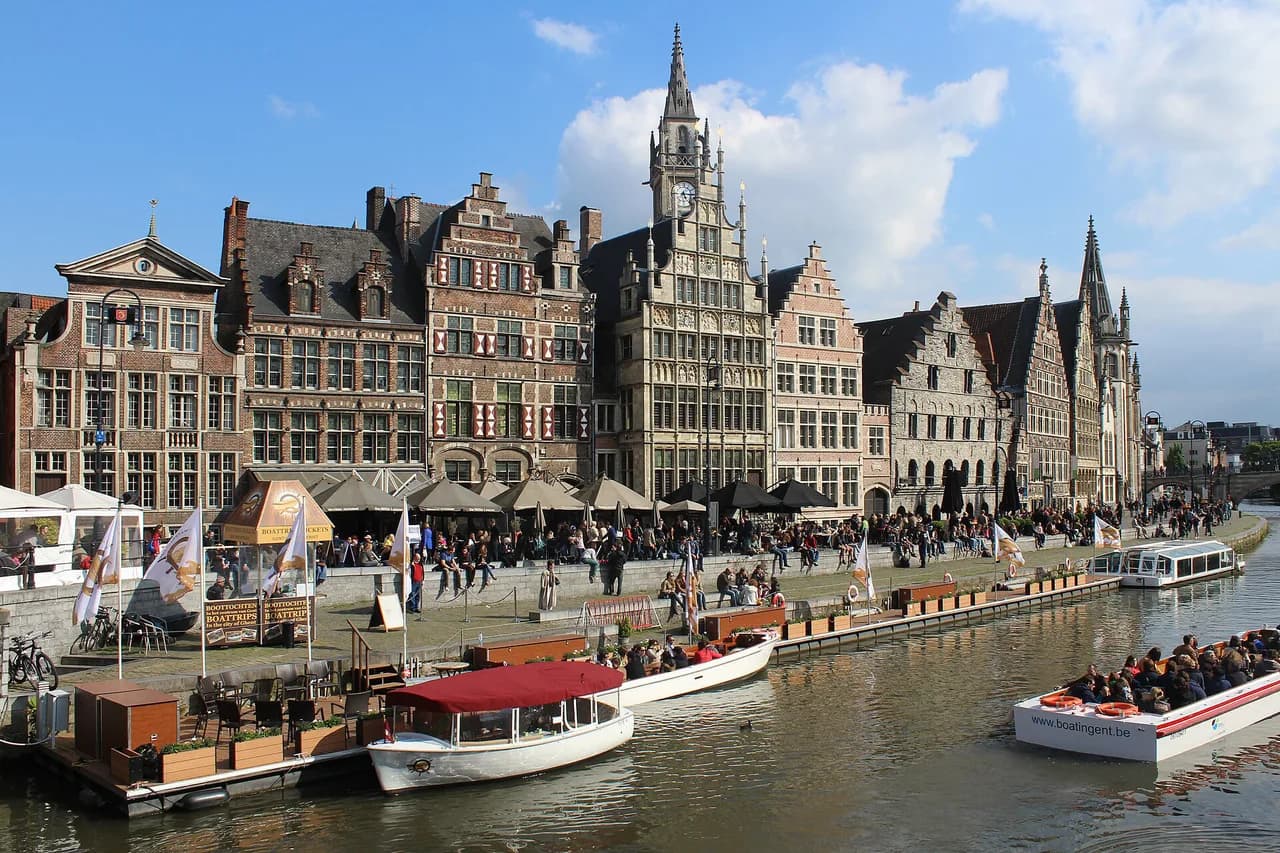
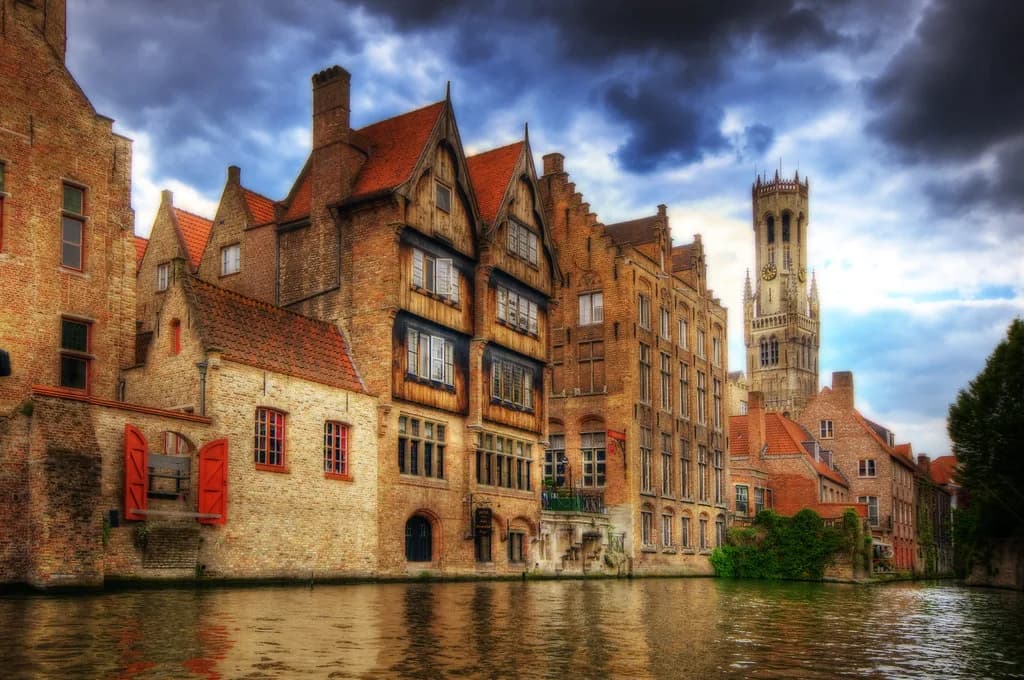
Bruges is the shorter, lower-risk day from Zeebrugge, and for many first-time visitors it delivers more medieval atmosphere per hour ashore than Brussels does per euro spent on transport. Brussels wins when you want scale, a capital-city feel, and a bigger choice of food and museums, or when Bruges is already ticked off. Compare the two honestly on total travel time before you pick, using the Zeebrugge to Bruges for Cruise Passengers planning notes. The same transfer-time arithmetic applies if you are weighing another rail-inland port, such as the Rotterdam cruise port.
Do not try to combine them on a single call. Both reward a proper half-day at minimum, and stitching them together turns the day into a coach or train marathon with photo stops.
What fits a 6-, 8- and 10-hour call
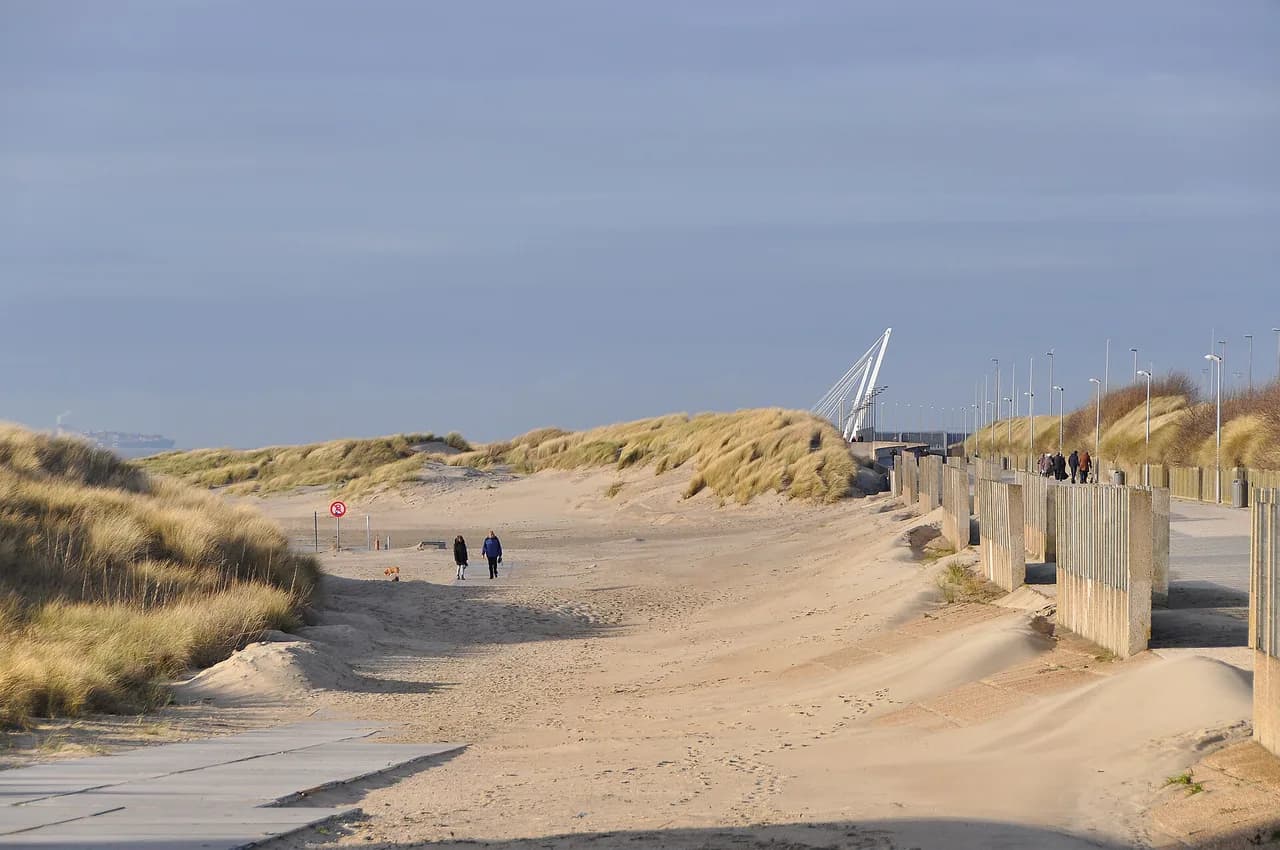
A six-hour call leaves no room for Brussels once you subtract transfers and the walk from the berth. Spend it in Zeebrugge and Bruges instead, and use the time for the closer sights rather than a dash along the motorway. The things to do in zeebrugge cruise port notes cover how to fill a short call without a long transfer.
An eight-hour call is the minimum realistic window for Brussels, and it matches the length of the ship's own On Your Own excursion. That day is a coach ride, a few hours in the old town and a coach ride back, with little margin for the unexpected.
A ten-hour call or longer is where independent Brussels travel starts to work comfortably: you can absorb a train connection each way, keep a genuine buffer and still have a meal and a proper walk around the Grand Place. Even then, the return leg should drive your schedule, not the outbound one.
Building your return-time buffer
Work out your all-aboard time and subtract it from your plans first. For an independent rail day, the sensible buffer is one full train cycle earlier than your last feasible service, so that a missed connection does not become a missed ship. Remember that all-aboard is normally earlier than the published departure time, and plan to the earlier figure.
On the coach option, the buffer is built into the tour, but the free time is still yours to manage. Note the meeting point and the time the coach leaves the city, and treat it as a hard deadline rather than a suggestion.
Sunday and cobblestone practicalities
Sunday changes the Brussels day. Norwegian's excursion notes state that on Sundays only souvenir shops are open, which strips out much of the browsing that the arcades and old-town streets are for. If your call lands on a Sunday, weight the day toward the square, the architecture and a long lunch rather than shopping.
The same source flags about a thirty-minute walk on cobblestones from the coach parking area into the centre. Wear shoes you can walk in for an hour without thinking about it, and if anyone in your party has mobility limits, factor that walking into the time you budget for the old town.
Who Brussels suits, and the alternatives
Brussels suits repeat visitors to the region, passengers on calls of eight hours or more, and anyone who values a full urban day over a compact medieval one. It does not suit short calls, travelers who dislike long coach rides, or anyone whose main goal is a relaxed wander within sight of the ship.
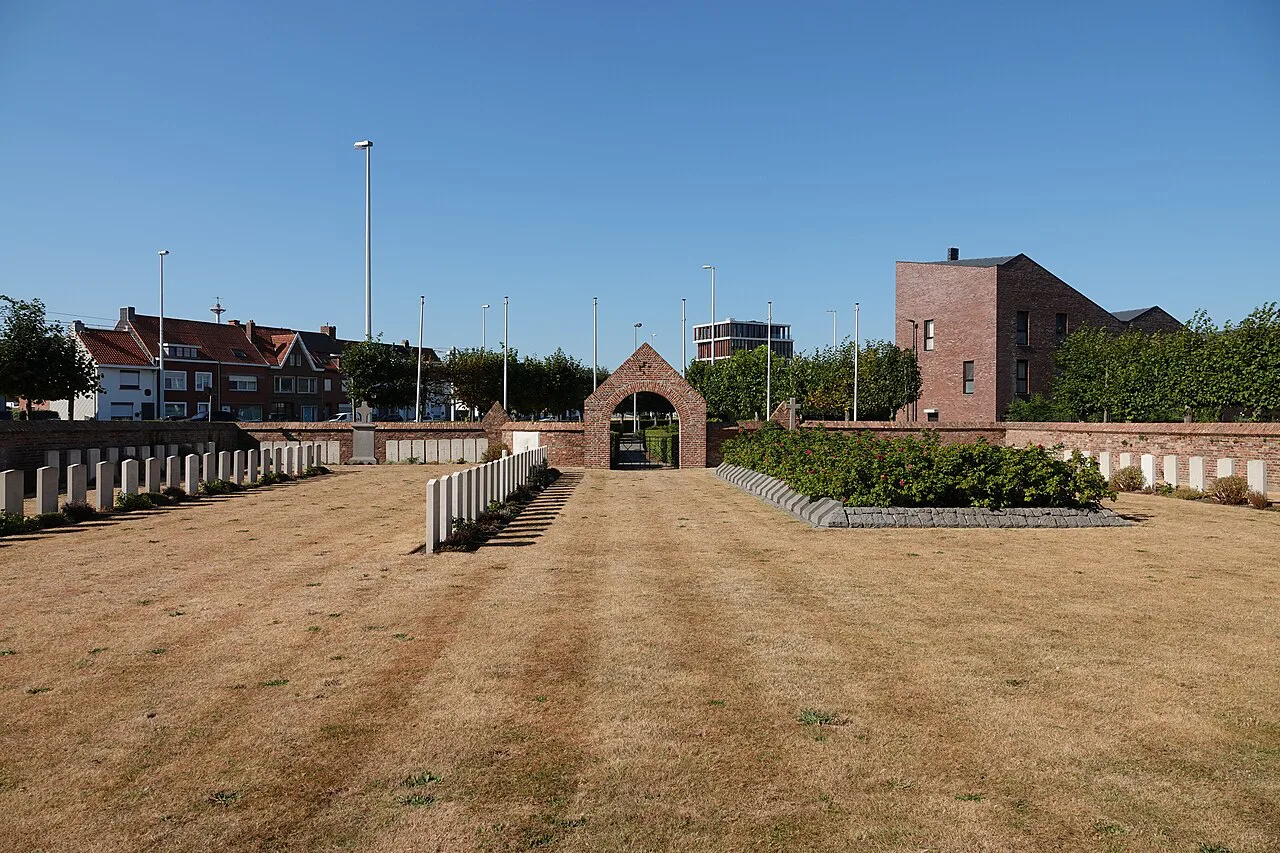
If Brussels drops off your list, the alternatives are strong. Bruges covers the medieval set piece, and the Flemish countryside covers the battlefields and memorials for anyone drawn to that history, with operator options set out in the Zeebrugge shore excursions planning pages.
Plan Your Visit
Decide first whether Brussels earns four hours of your port day in transit, then pick the coach transfer or the train to match the call length and your appetite for logistics. On short calls, Bruges and Zeebrugge keep more of your hours ashore and less on the road.
Either way, fix your return time before you leave the ship and treat it as fixed. Check current departure details and excursion availability with your cruise line two to three days before arrival, once your own sailing's call times are confirmed.
Frequently Asked Questions
How do I get from the Zeebrugge cruise port to Brussels?
You have two realistic options. The first is a ship-organized coach transfer, which drops passengers near the Grand Place and takes roughly two hours each way from Zeebrugge. The second is independent rail travel, which involves a connection and a journey of roughly an hour and three-quarters to Brussels, before you add the leg from the berth to the station.
How far is Zeebrugge from Brussels?
The distance is covered by road in roughly two hours by coach, according to the ship excursion description for the Brussels transfer. Rail takes around an hour and three-quarters for the journey itself, plus the connection and the transfer between the port and the station.
Is Brussels worth it from a Zeebrugge cruise call?
It is on calls of eight hours or more, where you can absorb the transfers and still spend a few hours around the Grand Place. On shorter calls the trip leaves too little time in the city to justify the ride, and Bruges is the better use of your hours ashore.
Should I go to Brussels or Bruges from Zeebrugge?
Choose Bruges if this is your first call in the region, if your time ashore is limited, or if you want the strongest medieval atmosphere for the least travel. Choose Brussels if you have already seen Bruges, have a long call, and want a capital-city day with more restaurants, museums and shopping.
Can I visit Brussels independently from the cruise port?
Yes, using the train, provided your call is long enough to accommodate the connections each way and you keep a real buffer before all-aboard. Independent travelers carry the risk of a missed service themselves, so plan your return around a specific train with an earlier fallback.
How much free time do you get in Brussels on the ship's transfer?
The excursion is listed at about eight hours in total, with roughly two hours of driving in each direction. That leaves the middle of the day for the old town, but read the current listing for your sailing because the schedule and pricing are set per departure.
What should I prioritize if I only have a few hours in Brussels?
Stay inside the old-town ring. The Grand Place, the St. Hubert Arcades and the Butchers' Street restaurant area are close together, and Manneken Pis is a short walk away. Skip anything requiring a metro ride or a long walk, and set a hard turnaround time for your return.
Does the ship wait if my independent train back is delayed?
No. The waiting commitment applies only to ship-organized tours: the ship waits when a Norwegian-organized tour runs late. On independent travel, the all-aboard time stands and responsibility for returning on schedule is yours.
Sources
Port-day notes for your next cruise
Optional updates to our port guides.
You might also like

Continue reading
More guides you'll find useful