Zeebrugge Shore Excursions: Bruges, Ghent, Brussels Compared
Compare Zeebrugge shore excursions to Bruges, Ghent, Brussels and Flanders Fields on transfer time, crowd risk and how much of the day they consume.
On this page
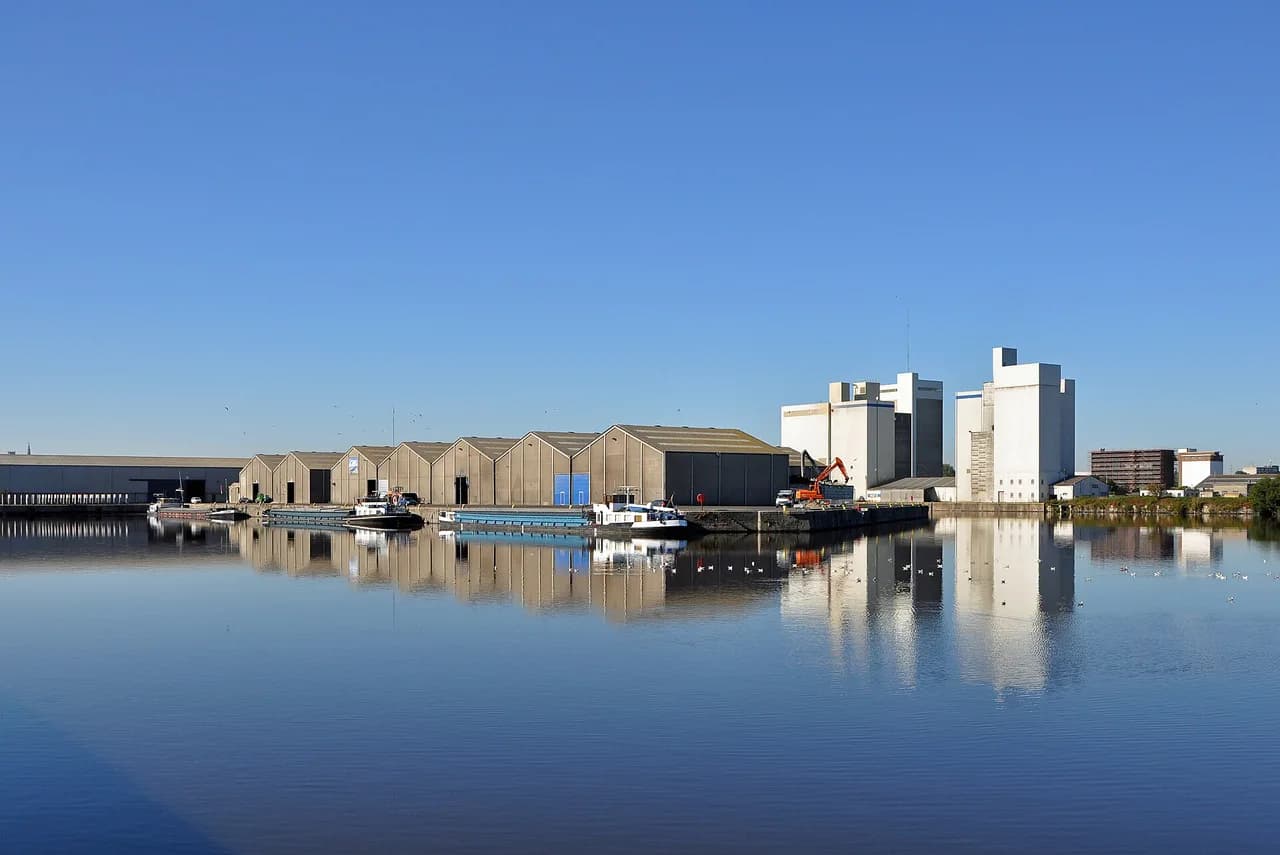
Zeebrugge puts you on Belgium's coast, but almost nothing you came to see is beside the ship. Bruges sits roughly 17 to 19 km inland, and the historic center is a UNESCO World Heritage Site built around canals, cobbles and the Markt. Your excursion decision is therefore mostly a decision about transit time, walking and how much of a medieval or wartime landscape you can absorb before the all-aboard call.
Why almost every Zeebrugge excursion goes inland
The port itself is a working commercial harbor, and passengers are not allowed to wander freely around it. Organized tours exist because the highlights — the Belfry and Markt in Bruges, the Menin Gate at Ypres, the Grand Place in Brussels — are all beyond the dock gates. A ship's tour buys you a fixed departure, a guide and a seat, which matters most for the furthest targets.
Pick the excursion by what you would regret missing rather than by which brochure looks fullest. A first visit usually belongs in Bruges; a return visit or a long call opens up Ghent, Brussels or the Flanders battlefields. Anyone choosing between the town and the city can weigh the coastal options against the day in town in our guide to the best things to do in zeebrugge cruise port.
Where ships dock and the shuttle every tour starts with
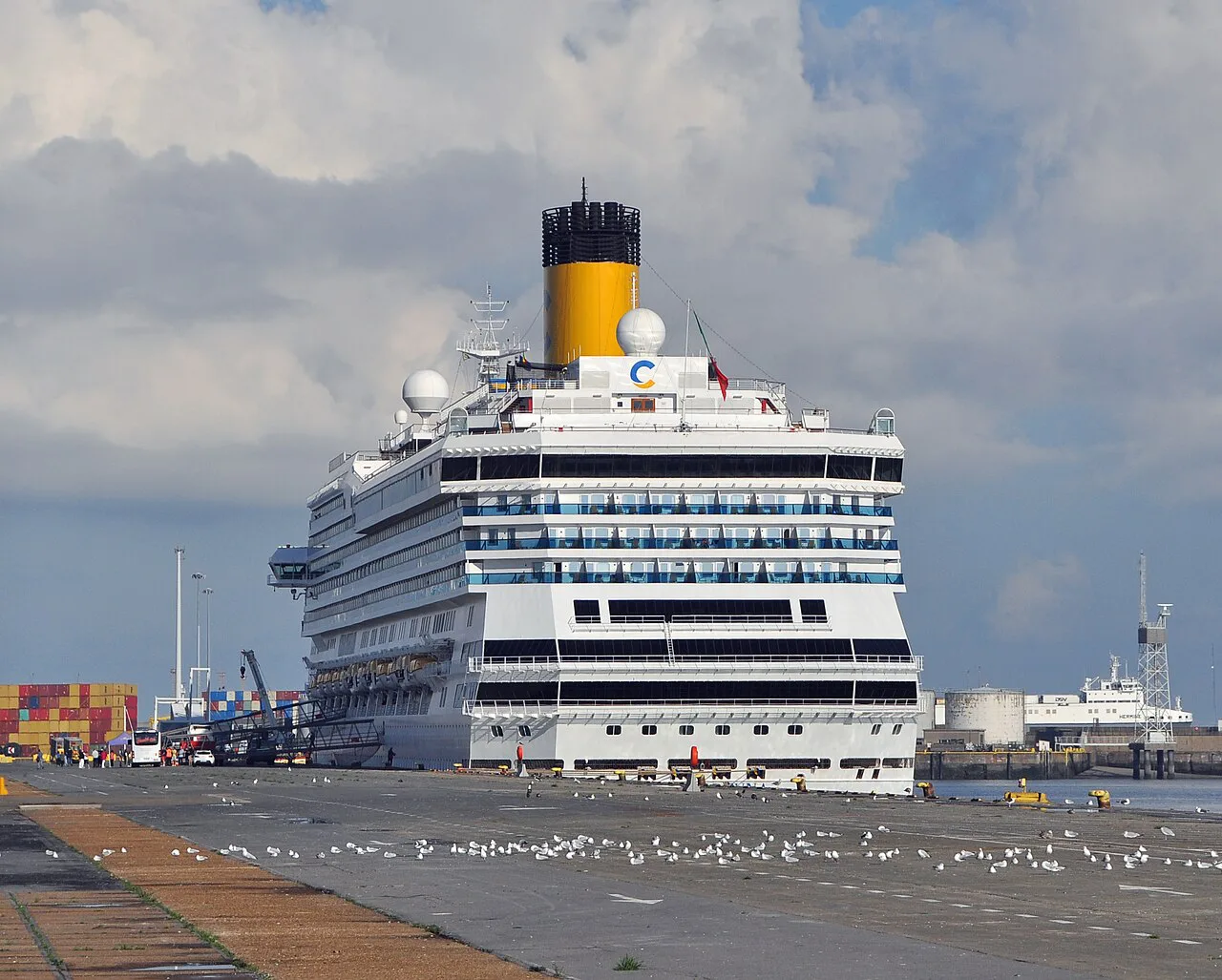
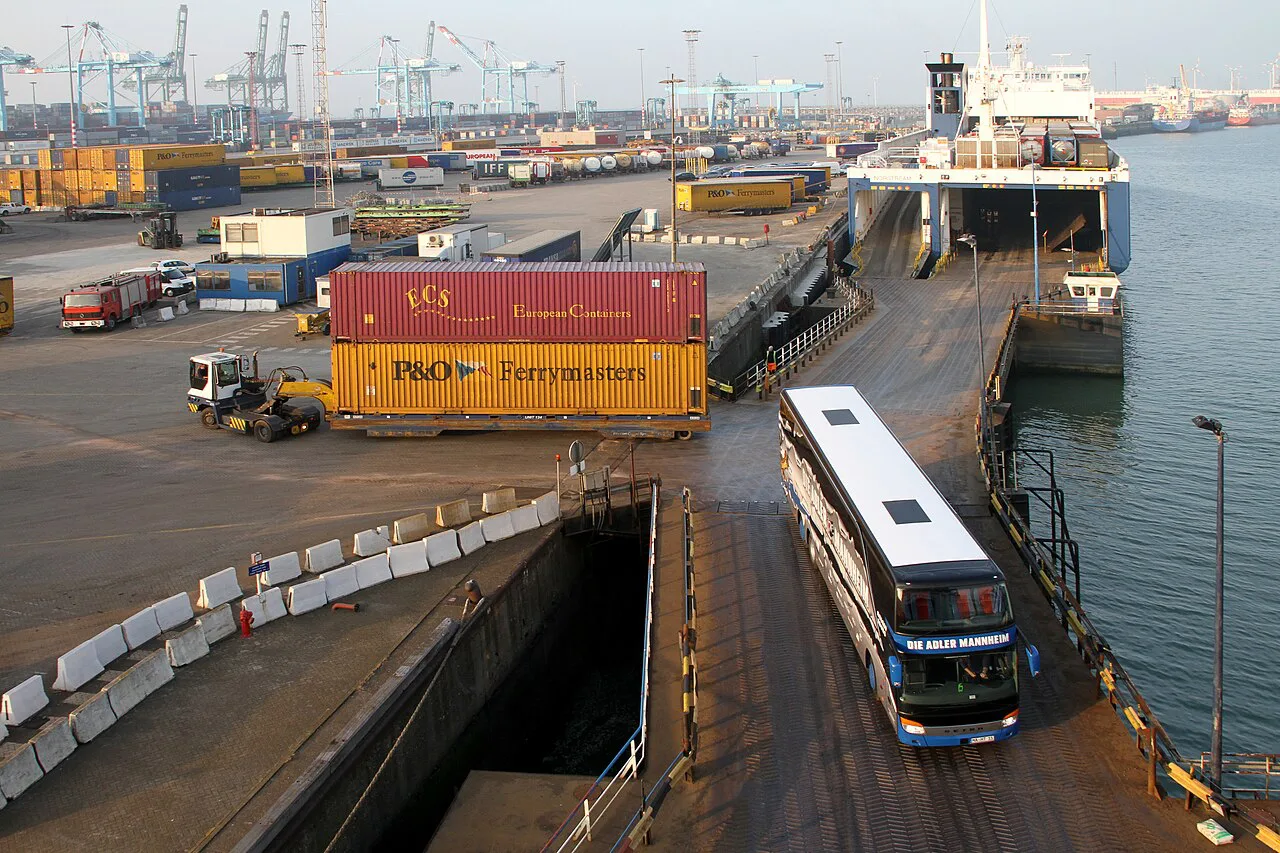
Most ships berth at Zweedse Kaai, a large commercial quay inside the harbor; smaller vessels use the Maritime Station at Quai 103. Ships tie up alongside, so there is no tender. The first step of any tour, ship-run or independent, is the free shuttle from the ship to the cruise building near the ABC Tower, which acts as the passenger hub with taxis and onward transport.
Tours that meet at the cruise building begin their clock there, not at the gangway. Count the shuttle ride and the walk to the coach as part of your excursion time when you compare a half-day tour against a full-day one. Independent travelers leaving the port need the same shuttle to reach the terminal gates before any tram, taxi or train.
How excursion time actually breaks down to Bruges
Cruise line coaches and transfer buses normally reach Bruges in about 25 to 30 minutes depending on traffic, and most drop passengers at parking areas just outside the historic center. From there it is a 10 to 15 minute walk into the old town. So a three-hour Bruges tour is really closer to two hours inside the center once the transfer and the approach walk are counted twice.
That geometry rewards tours with a clear plan: a guided walk that ends at the Markt leaves you close to the Belfry, the canal landing stages and the chocolate shops. It also means you should ask where the coach parks on the return, because an unfamiliar drop-off point can turn a five-minute walk into a twenty-minute scramble. If you are building the day yourself, the full route breakdown in our guide to Zeebrugge to Bruges covers each option in detail.
Bruges essentials tours: Belfry, Markt, Burg and canals
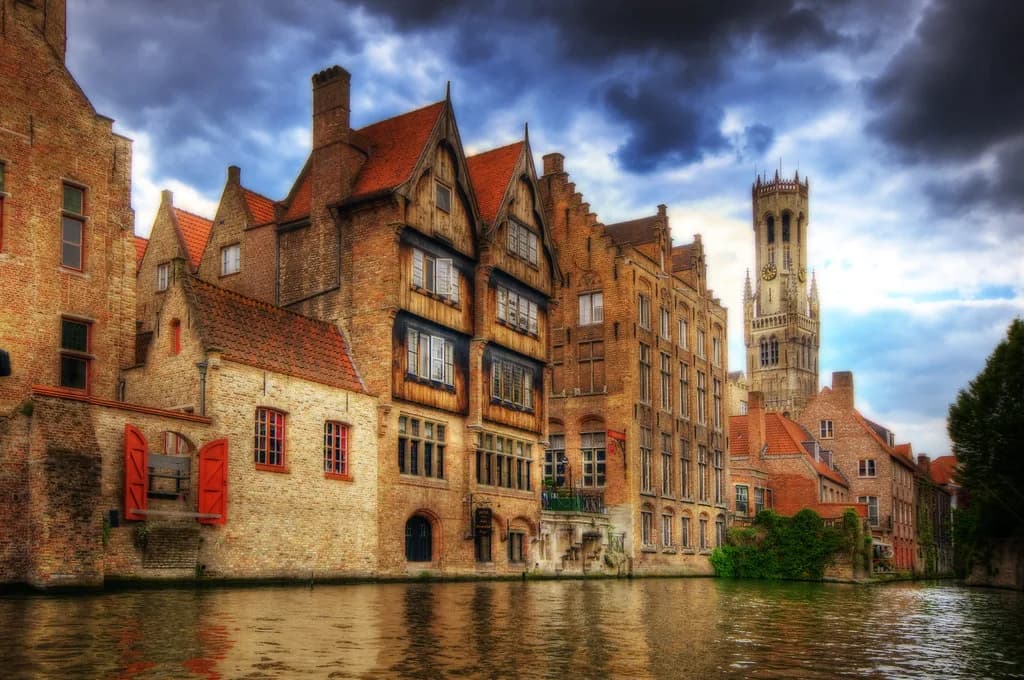
The classic Bruges tour bundles a guided walk through Markt and Burg Square with a canal boat ride. The Belfry dominates the square, and its climb is 366 steps up a narrow staircase to the viewing gallery, which is a serious commitment on a short call. Tours that include the tower climb leave little room for a museum or a leisurely lunch, so choose between altitude and atmosphere rather than trying to cram in both.
A half-day coach tour with a guide and canal boat realistically covers the walk, the boat and a short pause for waffles or chocolate before heading back. Anything more ambitious, such as the Groeningemuseum or a brewery visit, belongs on a longer, transfer-only arrangement where you set your own pace. Filters on the main booking platforms let you sort six-hour from half-day products, as the Bruges shore excursion listings show.
Bruges with free time: transfer versus fully guided
The cheapest practical structure is a transfer in and out with your own time in the middle, which suits anyone comfortable navigating a compact medieval center on foot. A fully guided walking tour costs more but converts the transfer hours into commentary and removes the risk of getting lost on the way back to the coach. Small-group operators pitch themselves on shorter queues and more personal guiding, which matters most when the city is busy.
Whichever you book, set your return meeting point at the coach park rather than the Markt and walk it once on arrival so you know the route. Built-in free time is only useful if you can find your way back without a hunt. Traveler reviews on Bruges excursion listings are a quick way to see how much free time past passengers actually got.
Canal boats and the queue problem
Canal boats are the signature Bruges experience, passing under low stone bridges past medieval trading houses. The ride itself is short, but waits can stretch to an hour on busy summer days, which is enough to wreck a tight half-day itinerary. Several boarding points sit around the old town, so a guide who knows the quieter landings can save you most of that wait.
Treat the boat as the anchor of a half-day tour and put shopping and snacks around it rather than before it. If your call is only six hours, a canal ride plus a short walk through Markt is a more honest plan than a tower climb with a boat squeezed in. Crowds concentrate around Markt and the main landing stages, so walking a few streets away from the square usually finds shorter lines.
Ghent excursions: quieter canals, more walking
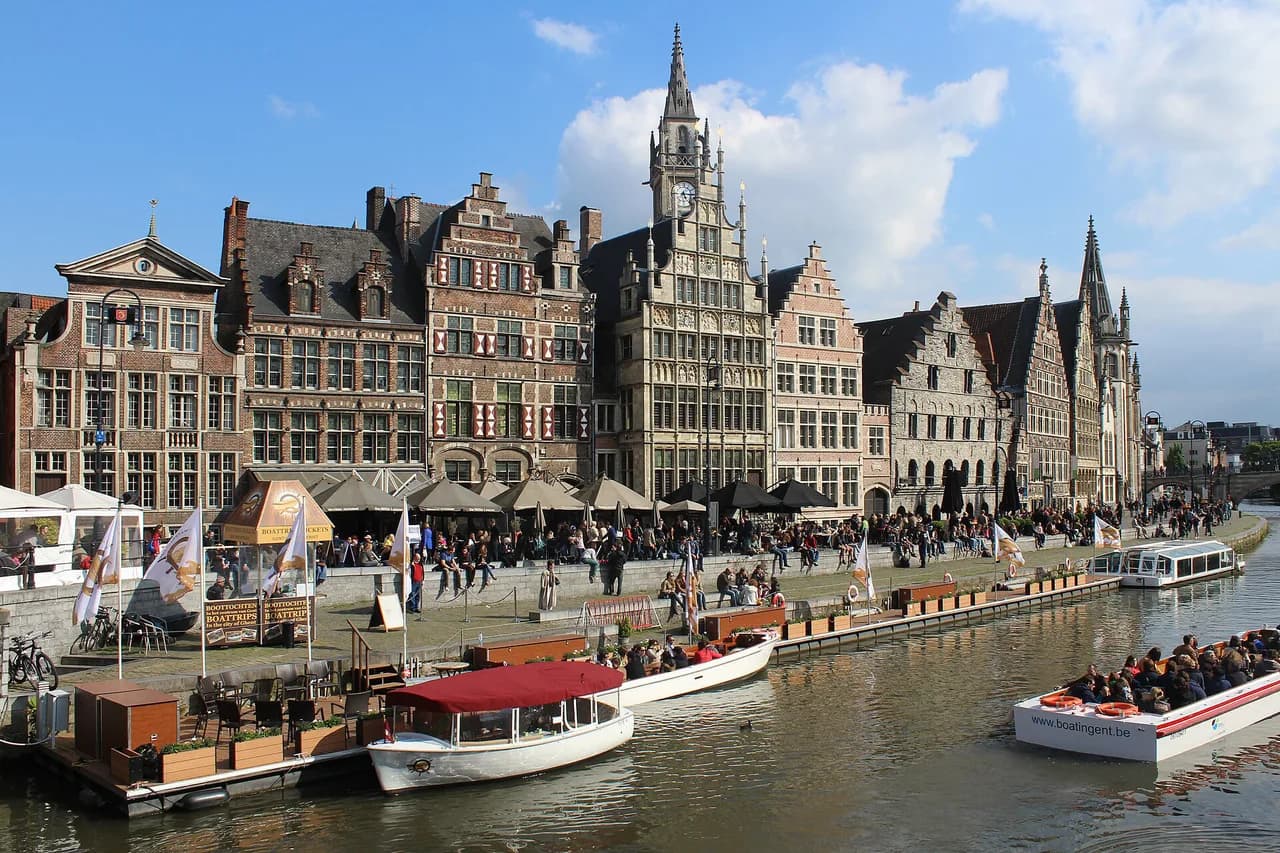
Ghent combines canals, guild houses and medieval towers with a noticeably more local atmosphere than Bruges. The headline sights are Gravensteen Castle, St. Bavo's Cathedral with the Adoration of the Mystic Lamb altarpiece, and the riverside Graslei. It takes roughly 1 to 1.5 hours from the port depending on connections and traffic, so an excursion here consumes most of a port day rather than a half.
Choose Ghent if you have already seen Bruges or want fewer coach parties in your photos, and accept that you will cover less ground. The city spreads its sights further apart than Bruges, so a guided orientation walk earns its keep more here than in the compact old town. On an eight-hour call, Ghent plus a relaxed lunch is a full day with no room for a second stop. If you are weighing other calls on this stretch of coast, the Le Havre cruise port guide covers the same transfer-versus-town decision for a French port day.
Brussels day trips and the long transfer
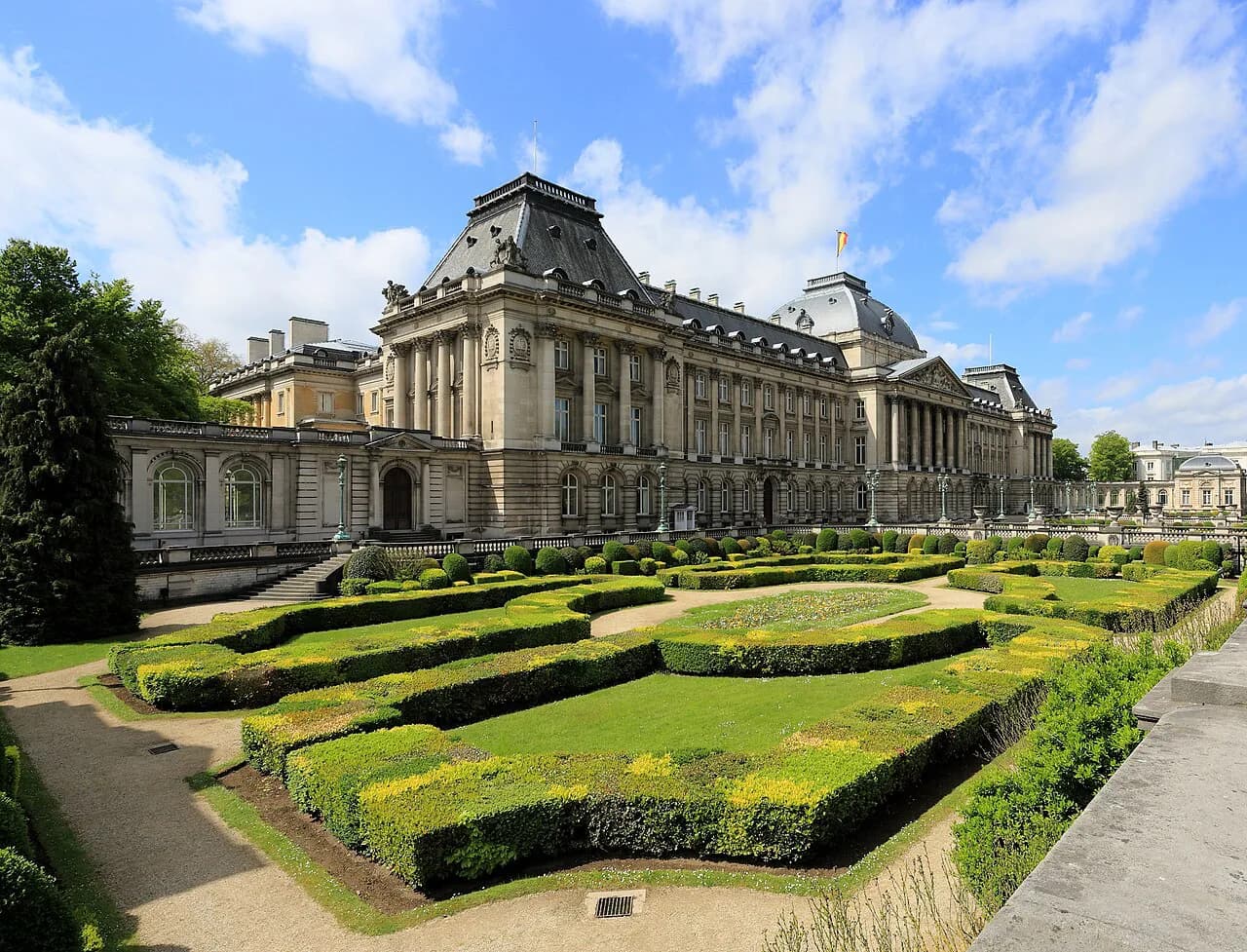
Brussels is Belgium's capital of the Grand Place, royal galleries, historic cafés and European Union institutions, and the transfer runs about 1.5 hours each way. That makes a Brussels excursion a full-day product suited to calls of ten hours or more. On a standard eight-hour call, the arithmetic leaves too little time in the city to justify the coach hours.
If Brussels is the goal, book the ship's tour rather than improvising, because train connections via Bruges add their own risk. The full transfer picture, including rail options and timings, is set out in our guide to the cruise port to brussels for passengers who prefer to travel independently.
Ypres and Flanders Fields for history-focused passengers
Ypres and the surrounding Flanders Fields region hold military cemeteries, memorials, preserved battlefields and the In Flanders Fields Museum, with most tours including the Menin Gate. Because the sites are spread across the countryside, an organized tour is the practical way to see them in a single call. Independent travel here means long walks between scattered stops and a real risk of missing the ship.
Book this excursion when the history is the reason for the cruise rather than as a filler when Bruges tours are full. The day involves short stops and time at memorials rather than a walking city, so it suits passengers who prefer a structured, guided itinerary over free time. Check the tour description for which sites are included and how long you get at the Menin Gate.
Chocolate and beer tasting tours in Bruges
Belgium's chocolate and beer culture makes tasting tours a natural fit for a Bruges half day. Choco-Story, housed in the 16th-century Huis de Crone building, shows chocolate being made, and Brouwerij De Halve Maan, the city's last family-run brewery, offers tours and samples of Brugse Zot. Both put you indoors for an hour or two, which is a sensible plan on a wet day.
Tasting tours work best when they are the whole excursion rather than an add-on, because a demonstration plus a tasting can consume most of your free time. Passengers with a short call and a long must-see list should treat them as the main event. Outside the organized tours, the old town holds dozens of chocolate shops and small tasting rooms within a few minutes of the Markt.
Ship's tour, local operator or independent travel
A ship's tour buys certainty about the return: the cruise line contracts the tour company, and the vessel will not sail while its own excursion is outstanding. A local operator selling similar itineraries at lower prices leaves the return risk with you, since no third-party booking obliges the ship to wait if traffic delays you — some operators advertise sizeable savings against cruise line pricing. Independent travel is cheapest and most flexible, and the tram-plus-train route through Blankenberge is the budget option, but each connection is a fresh risk on the return.
For Bruges, a local transfer or a ship's transfer with self-guided time is low risk because the drive is short and the shuttles run repeatedly through the morning. For Brussels or Ypres, the distances and single departures make the ship's tour the safer purchase. Anyone booking independently should choose an earlier return departure rather than the last one before all-aboard.
Getting to Bruges on your own
Independent travelers have four realistic routes: the paid Cruise Express shuttle, a taxi, a private transfer, or the coastal tram to Blankenberge followed by a train to Bruges. The Cruise Express runs about every 30 minutes from 8:30 AM to 12:00 PM, takes around 20 minutes and schedules return services in the afternoon to align with ship departures. Taxis wait outside the cruise building, and round-trip taxi fares run roughly €80 to €100, so agree the fare before you set off.
The tram-and-train combination starts with the Kusttram from the Zeebrugge Kerk stop near the cruise building, continuing along the coast to Blankenberge for the train onward. Allow around 45 to 60 minutes door to door once connections are counted, and more if you just miss a train. The whole picture of shuttles, trains, taxis and walking is laid out in our zeebrugge cruise port to city centre guide.
Matching excursions to a 6-, 8- and 10-hour call
On a six-hour call, Bruges is the only comfortable target, and a transfer with an hour or two of independent walking beats a multi-stop tour. An eight-hour call stretches to Ghent or a fuller Bruges day with a canal boat and a proper lunch; nine hours or more also allows a Bruges visit combined with the coast. Brussels and the Flanders battlefields need ten hours or more to be more than a coach ride.
All-aboard time, not the advertised port call, is what you should plan around, so work backwards from it with your transfer time and a buffer. For an independent day in Bruges, aim to be back at the cruise building at least an hour before all-aboard, which absorbs a missed tram or train connection. Ship's tours build their own schedule around the sailing, which is the main reason passengers pay the premium.
Staying near the ship: the coast and Blankenberge
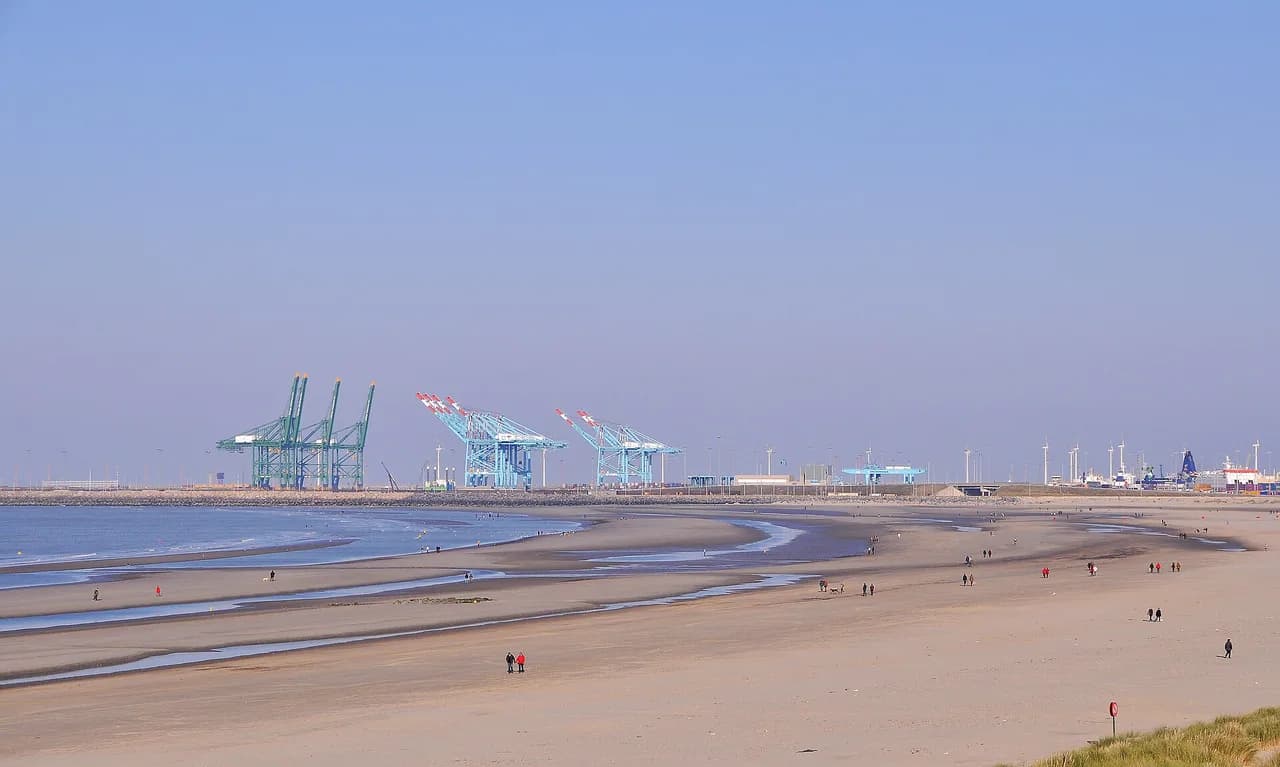
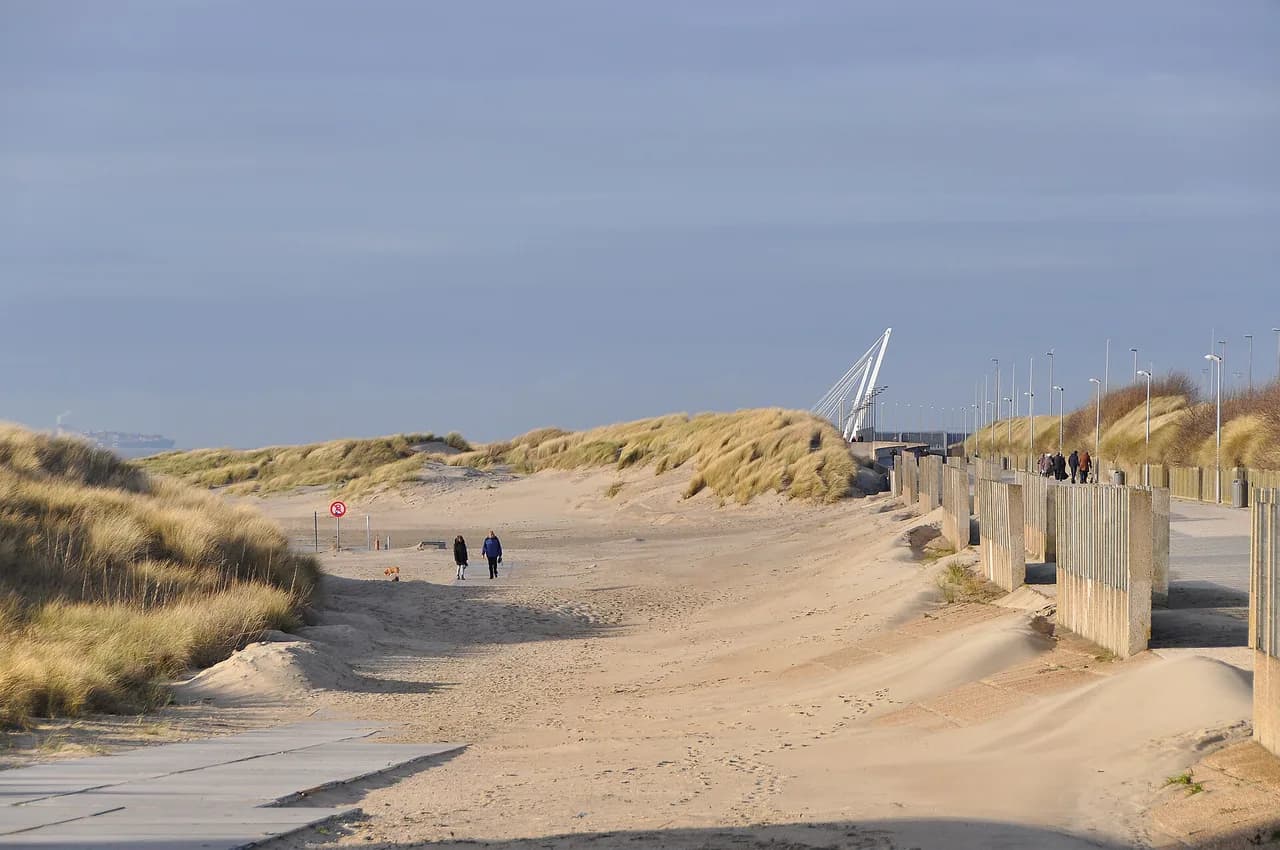
A short call or a warm summer day makes Zeebrugge itself a reasonable choice, with a wide sandy beach, a marina promenade and seafood restaurants close to the ship. Blankenberge, a nearby beach resort with a sandy shoreline, pier and cafés, also works as a low-effort alternative to a long coach day. Neither replaces Bruges for a first visit, but both remove the return risk entirely.
Families often prefer this option because the Sea Life Blankenberge aquarium is close and the day stays flexible. If the weather turns, you can return to the ship without losing a coach booking. For anyone who has already seen Bruges, the coast is an easy, unhurried port day.
Plan Your Port Day
Decide what you would regret missing, then check the transfer against your all-aboard time before you book. Bruges suits every call length; Ghent needs a full day and a taste for quieter canals; Brussels and the Flanders battlefields are ten-hour-plus excursions. If the arithmetic is tight, the coastal options near the ship cost you nothing in return risk.
Frequently Asked Questions
Can you visit Bruges from Zeebrugge without a shore excursion?
Yes. The paid Cruise Express shuttle, taxis and private transfers all run from the cruise building to Bruges, and independent travelers can also take the coastal tram to Blankenberge and a train onward. Bruges is roughly 17 to 19 km from the port, so budget the transfer time and come back well before all-aboard.
How long does it take to get from Zeebrugge to Bruges?
Coaches, shuttles and taxis take about 25 to 30 minutes, with some shuttle services quoting around 20 minutes depending on traffic. The tram-and-train route via Blankenberge takes roughly 45 to 60 minutes including connections. In every case you arrive outside the historic center and walk 10 to 15 minutes into the old town.
Is a ship's excursion better than a local tour in Zeebrugge?
A ship's excursion carries the guarantee that the operator answers to the cruise line, which matters most for distant targets such as Brussels or Ypres. Local operators and independent travel cost less and give more flexibility, but you absorb the risk of a late return. For Bruges, the short transfer makes independent or local options very workable.
What can I do on a short call in Zeebrugge?
A six-hour call comfortably covers a transfer into Bruges, a walk through Markt and Burg Square, and a canal boat if the queues are short. If you would rather stay close, Zeebrugge's beach and marina promenade, or nearby Blankenberge with its pier and cafés, remove the transfer entirely.
Which excursion should I choose for World War I history?
Ypres and the Flanders Fields area, where tours typically include the Menin Gate and the In Flanders Fields Museum. The sites are spread across the countryside, so organized transport is the practical choice. Expect a structured day of short stops rather than a walking city, and check which memorials your tour includes.
Do Zeebrugge excursions include Ghent as well as Bruges?
Some combine the two, but each city deserves most of a port day on its own. Ghent is about 1 to 1.5 hours from the port depending on connections, so pairing it with Bruges leaves very little time in either place. Pick Ghent for a quieter canal city or Bruges for the classic medieval center.
Sources
Port-day notes for your next cruise
Optional updates to our port guides.
You might also like

Continue reading
More guides you'll find useful