Zeebrugge Cruise Port to Ghent: Train, Tram and Tour Options
How to reach Ghent from Zeebrugge cruise port by coastal tram, train, taxi or transfer, and whether Ghent fits your hours ashore.
On this page
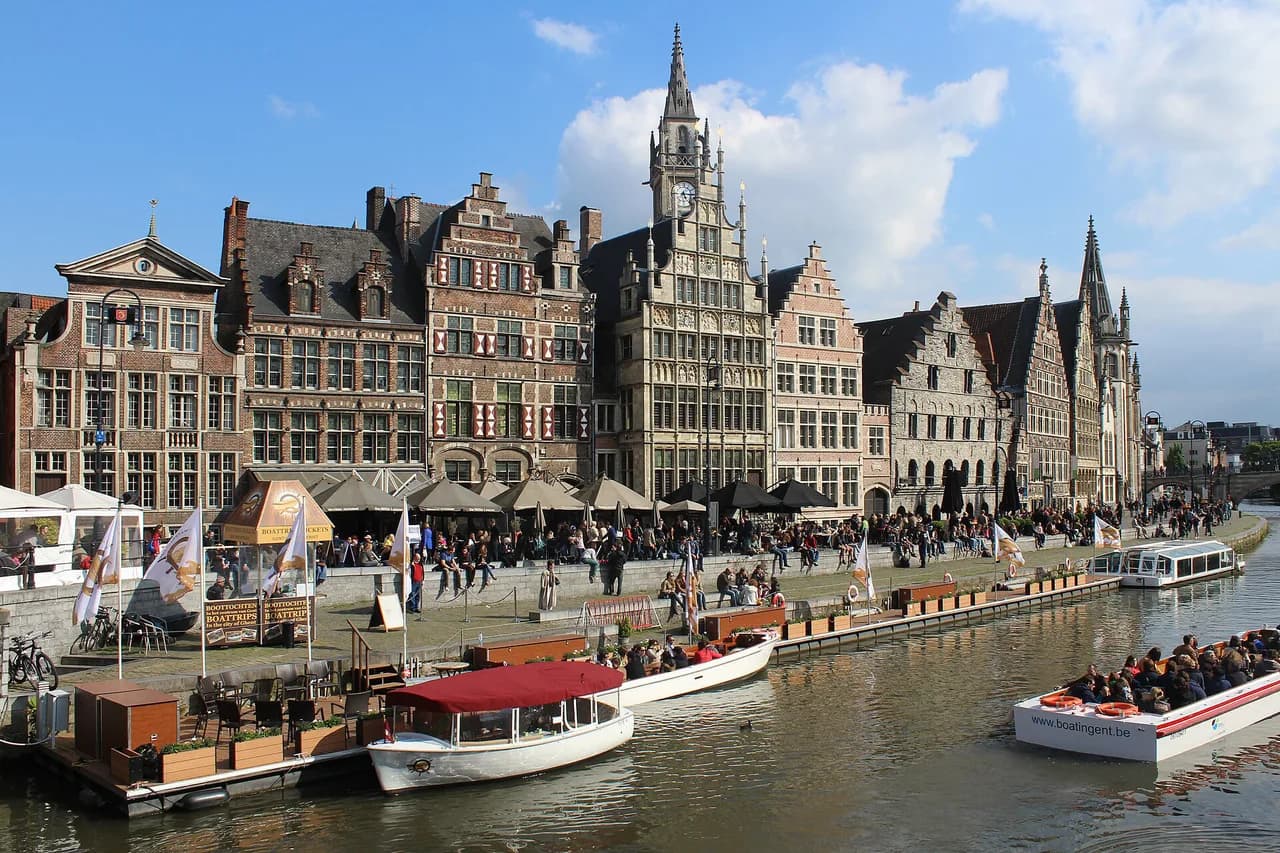
Ghent gives you a working Belgian city rather than a museum-piece: medieval towers, a castle in the middle of town and canal-side guild houses where locals still live and study. It suits passengers with a long call who want somewhere less crowded than Bruges and are willing to spend real time in transit.
The catch is distance. Bruges sits about 19 km (12 miles) from the port, while Ghent requires a tram or taxi to a station, then a train, then a walk from Ghent's station into the centre. Plan on roughly 1 to 1.5 hours each way depending on connections and traffic, which is why this trip works best on calls of eight hours or more.
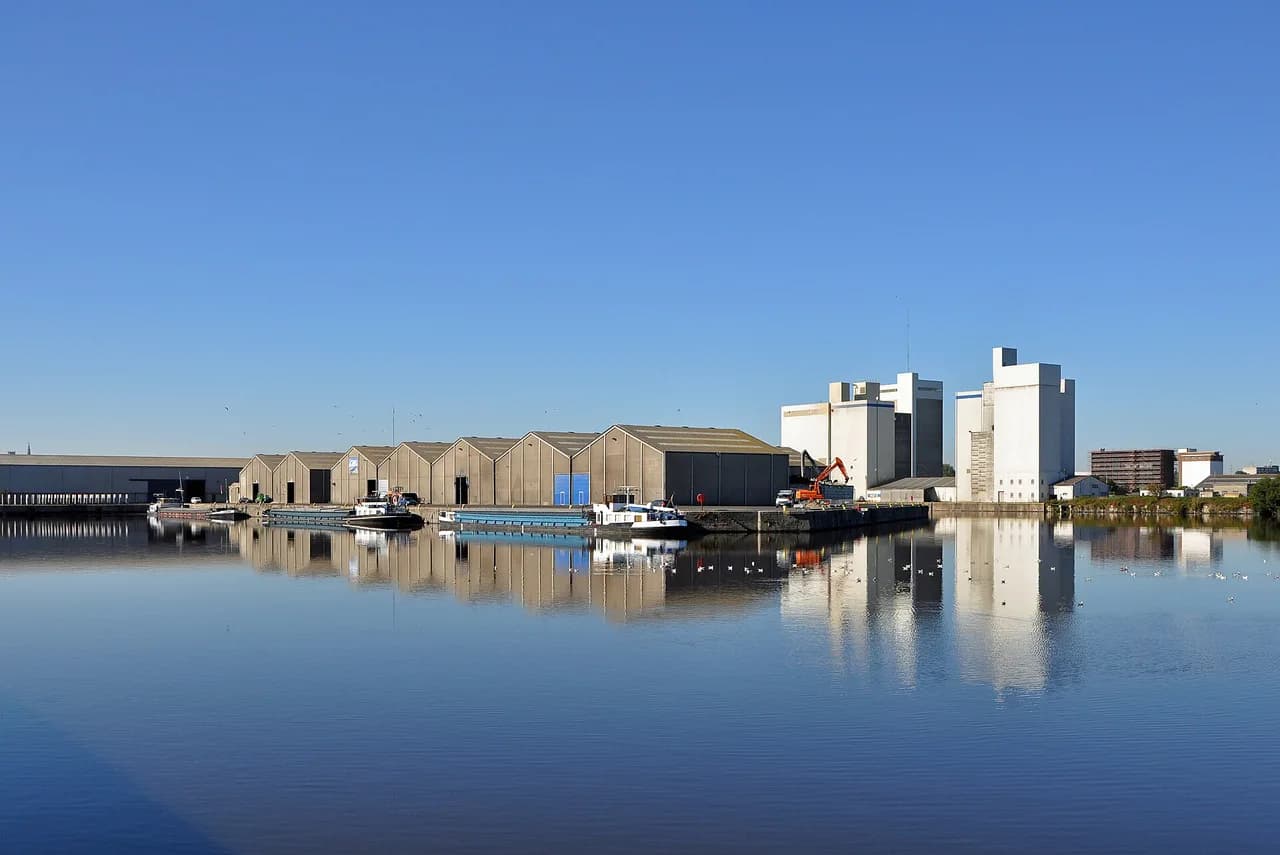
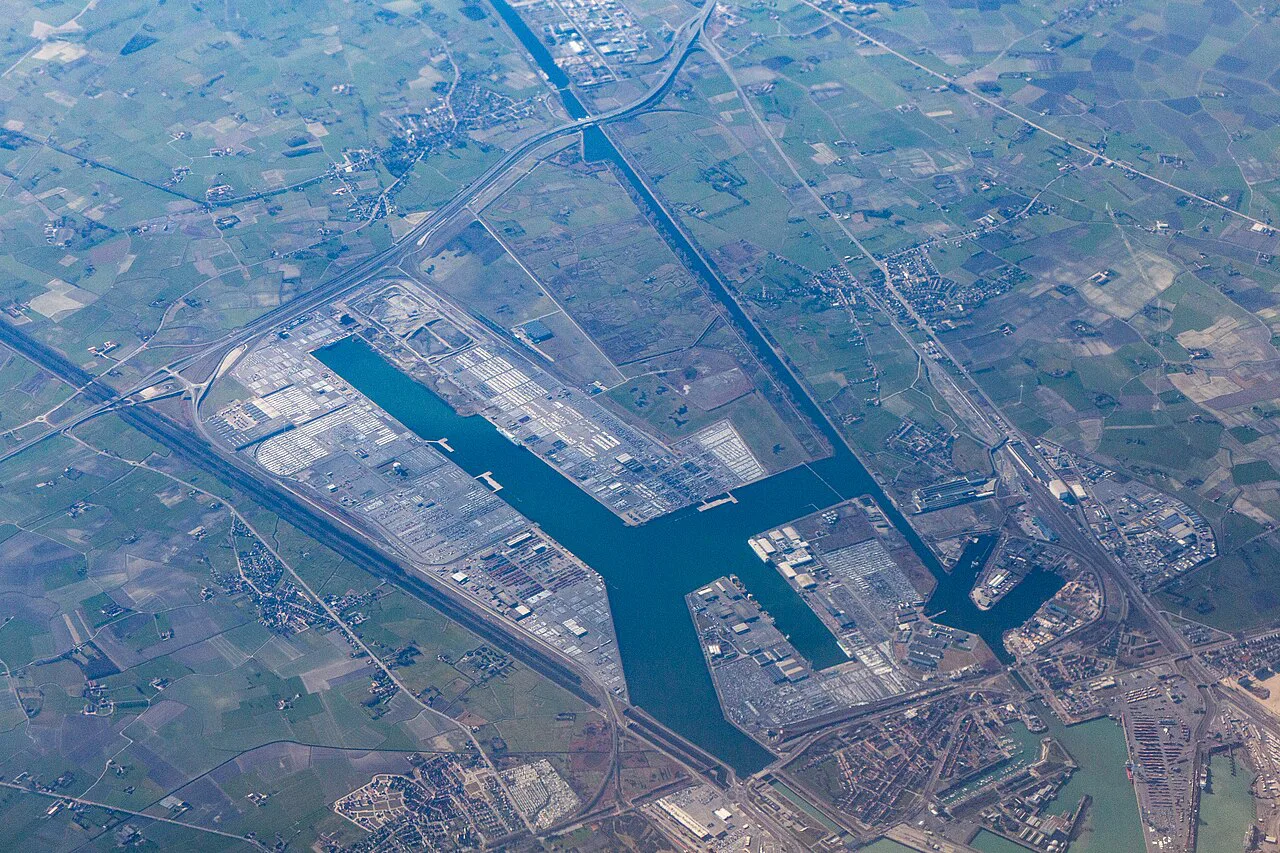
Where ships dock in Zeebrugge and why you cannot walk out of the port
Most cruise ships berth at Zweedse Kaai, a commercial quay inside an active industrial harbour, and smaller vessels use the Maritime Station at Quai 103. Ships tie up alongside, so tendering is normally not part of the day.
Passengers cannot wander freely around the port area on foot. After leaving the ship you take a shuttle to the cruise building near the ABC Tower, which acts as the passenger hub with tourist information, restrooms, taxis and onward transport connections. That shuttle ride, not the ship, is where your Ghent journey actually begins.
If you want the wider layout of the berths, the terminal and the coastal surroundings before committing to a plan, the Zeebrugge Cruise Port Guide covers the port in more depth.
The free shuttle to the cruise terminal building: how to start the journey
Treat the terminal building as your staging post. From here you decide between a taxi, the coastal tram toward Blankenberge, or a pre-booked transfer, and you can pick up timetables and ask staff which option is running smoothly that morning.
Build in slack for the shuttle itself. On busy turnaround mornings the queue for the bus back to the ship is the first thing that eats into your buffer, so note the last sensible shuttle time before you leave the terminal building.
Route overview: Zeebrugge to Blankenberge to Bruges to Ghent by tram and train
There is no train station at the cruise terminal. Independent travellers take the shuttle to the terminal building, walk to the Zeebrugge Kerk tram stop, ride the coastal tram to Blankenberge, change to a train for the short hop to Bruges, and then continue by train to Ghent.
The Blankenberge to Bruges rail leg takes about 10 to 15 minutes with frequent departures, but the full journey from the port including the tram and connections usually runs around 45 to 60 minutes to Bruges. Ghent adds another rail leg beyond that, which is why the total door-to-door time climbs to an hour or more.
Bruges station is the natural interchange: trains from there reach Ghent, Brussels and Antwerp. Buying a ticket through to Ghent rather than stopping at Bruges keeps the connection simple, and Belgian Railways publishes the timetables you need for the day.
The coastal tram from Zeebrugge Kerk to Blankenberge
The Kusttram, Belgium's coastal tram line, links Zeebrugge with Blankenberge and the other seaside towns. It is the budget-friendly first leg: you ride it as a normal passenger service rather than a cruise transfer, so you fit around its schedule rather than the other way round.
The payoff is cost; the trade-off is time and connections. Two changes before Ghent means two chances to miss a departure, so keep the tram-to-train transfer at Blankenberge tight but unhurried, and know the next departure before you commit.
Trains from Blankenberge and Bruges to Ghent: journey time and connections
Once you are on Belgian rails the ride is comfortable and the network is dense. From the port area the realistic independent timing to Ghent is around 1 to 1.5 hours, varying with how quickly you clear the terminal and make each connection.
From Ghent's station the historic core is a walk or a short tram ride away, so budget ten to fifteen minutes on arrival before you are actually sightseeing. That final leg is easy to forget when you are counting hours ashore.
Taxi and private transfer from the pier to Ghent
Taxis wait outside the cruise building and offer the simplest direct run to Ghent. A private transfer is the same idea pre-arranged, which suits families, small groups and anyone who would rather not manage two connections with a fixed all-aboard time.
Driving time depends on traffic around Bruges and Ghent. A local tour operator quotes about 20 minutes from the cruise terminal to Bruges and roughly 50 minutes onward from Bruges to Ghent, which gives you a fair sense of the road leg even though your exact pickup point and traffic will shift it.
For groups of three or four, a shared taxi or transfer spreads the fare and removes the connection risk that comes with the tram-and-train route. Ask the driver to confirm the return pickup point and allow extra time for the afternoon run back toward the coast.
Ship excursion vs independent travel to Ghent: time, cost risk and walking involved
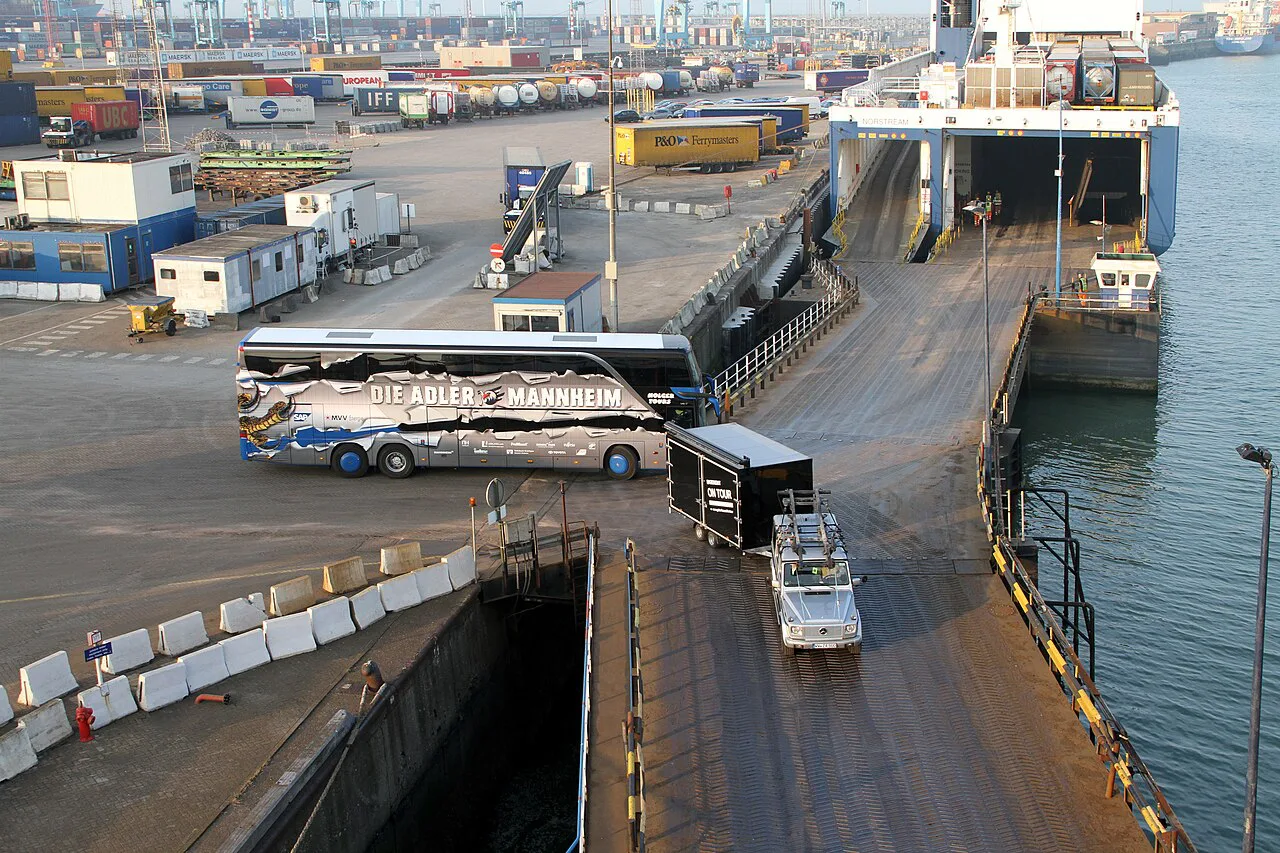
The ship's excursion removes the logistics: coaches normally leave from the pier area, and the operator carries the timing risk for the group. You trade flexibility and a higher fare for a guaranteed seat and a guide who knows how long each stop takes.
Going independently is cheaper on paper and gives you freedom over where you linger, but every leg is yours to manage. The ship will not wait for a late train, so the honest calculation is whether you can absorb a missed connection and still be back at the terminal with margin.
A practical middle ground is a paid transfer or a local day tour that covers the driving while leaving you free on foot in Ghent. Organised excursions from Zeebrugge typically focus on Bruges, Ghent, Brussels or the First World War sites around Ypres, so check what the Ghent version actually includes before booking.
What to see in Ghent in the hours you have, from Graslei to Gravensteen
Ghent's core is compact enough to cover on foot. The Graslei and Korenlei quays line the canal with stepped guild houses, Gravensteen Castle sits a few minutes away with its moat and battlements, and St. Bavo's Cathedral houses the Adoration of the Mystic Lamb altarpiece.
A sensible shape for the day is a walk along the canals, one interior visit and a slow lunch, rather than trying to tick off every church. The streets are cobbled and the station-to-centre walk is not trivial, so comfortable shoes matter more here than on a short Bruges transfer.
How long Ghent realistically needs: 8-hour versus 10-hour calls
On a six-hour call, Ghent does not fit comfortably: three transport legs each way leave too little time in the city to make the effort worthwhile. An eight-hour call gives you a workable half day in Ghent if you move briskly and accept a short visit.
A ten-hour or longer call is where Ghent starts to feel relaxed. That is also the window where Brussels becomes realistic on a long port day, so decide early whether Ghent is your one big inland push or whether you would rather pair a shorter Bruges visit with the coast. The same judgement of hours against travel time drives the Rotterdam port day too, where city access is measured the same way.
As a rough guide, four to six hours covers a relaxed independent Bruges visit, seven to nine hours opens up Ghent or Bruges plus the coast, and ten hours or more makes the longer inland cities feasible.
Return leg and how much buffer to leave before all-aboard
Work backwards from all-aboard, not from your last museum. Aim to be back at the cruise terminal building at least an hour before you need to be at the gangway, because the shuttle from the terminal to the ship adds another step you cannot compress.
Late afternoon trains toward the coast and the tram connection at Blankenberge are where delays bite. Leave extra time when returning independently by train, and have a taxi fallback in mind in case a connection fails.
Belgian Railways publishes its schedules, so match your return departure to a service that lands you back on the coast with that hour in hand rather than the last possible train.
If Ghent does not fit: Bruges as the closer alternative
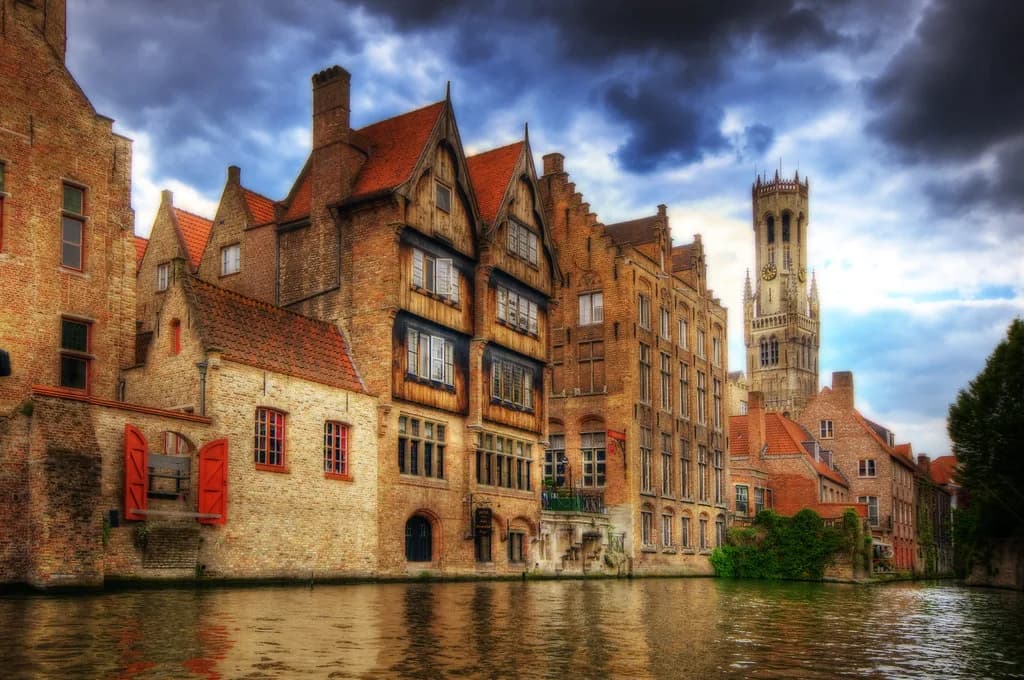
Bruges is about 19 km from the port and typically 25 to 30 minutes by shuttle, taxi or transfer, which makes it the better choice on a shorter call. Transfers usually drop you at parking areas outside the historic centre, followed by a 10 to 15 minute walk into the old town.
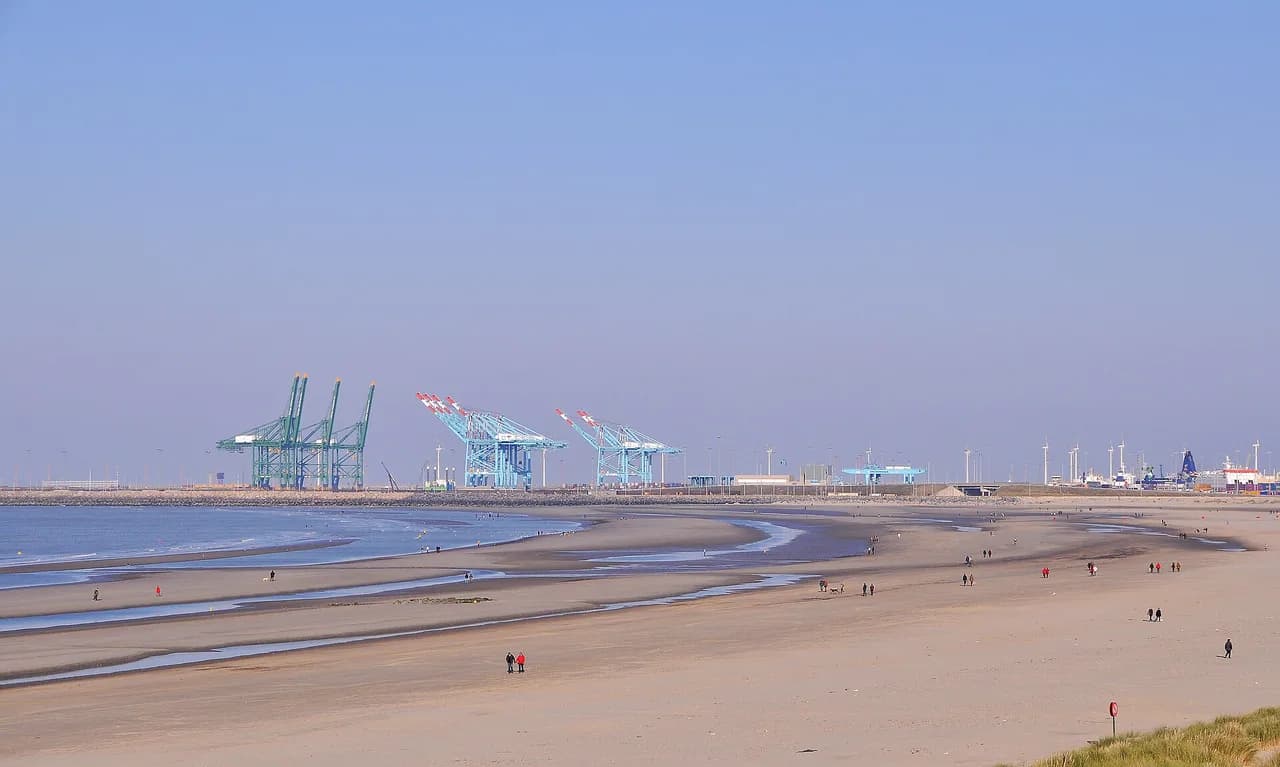
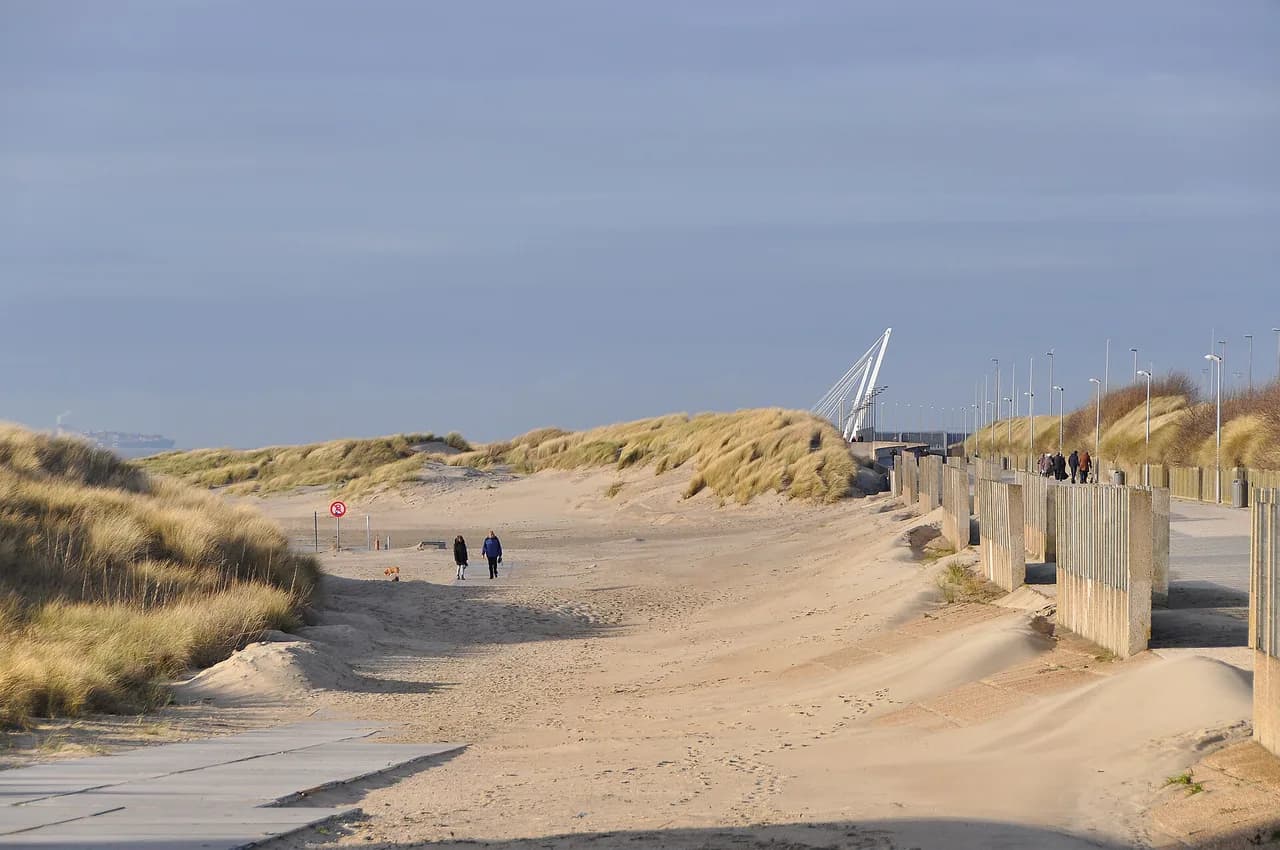
If you would rather stay near the ship, Zeebrugge itself has a wide sandy beach, a marina promenade and seafood restaurants, which works well on short calls or warm summer days.
Plan Your Ghent Day Around the Transport
Decide the trip on your hours ashore, not on enthusiasm for Ghent. Under eight hours, Bruges or the coast is the smarter use of the day; on a ten-hour call, Ghent rewards the extra travel with canals, castles and far thinner crowds.
Whichever route you take, fix your transport first: a taxi or transfer if you want to remove connection risk, the tram-and-train route if you are comfortable managing your own timing. Then plan the sightseeing around the return leg and the shuttle back to the ship.
Frequently Asked Questions
How do you get from Zeebrugge cruise port to Ghent?
Take the port shuttle from your ship to the cruise building near the ABC Tower, then choose between a taxi or pre-booked transfer, or the independent route: walk to the Zeebrugge Kerk tram stop, ride the coastal tram to Blankenberge, change to a train for Bruges, then take a train onward to Ghent. The independent route has two connections, so it takes longer than a direct road transfer.
How long does it take to reach Ghent from the Zeebrugge cruise terminal?
Plan on roughly an hour to an hour and a half each way from the port, depending on how quickly you clear the terminal, your connections at Blankenberge and Bruges, and traffic if you travel by road. A local operator puts the drive from the terminal to Bruges at about 20 minutes and Bruges to Ghent at around 50 minutes. Add ten to fifteen minutes in Ghent to get from the station into the historic core.
Can you visit Ghent independently from a cruise ship?
Yes. Many passengers reach Bruges independently from Zeebrugge, and Ghent is the same principle with one more rail leg. You need to be comfortable managing tram and train connections and keeping an eye on the clock, because the ship will not wait for a delayed return.
Should you take the ship's excursion to Ghent or go by train?
A ship excursion removes the logistics and the timing risk, with coaches leaving from the pier area, at the cost of flexibility and a higher fare. The train-and-tram route is cheaper and more independent but leaves every connection in your hands. For a first visit on a long call, the organised option is the lower-stress choice; for confident independent travellers, the rail route gives you more time on your own terms.
How much time do you need in Ghent on a cruise stop?
Ghent works best on an eight-hour call at minimum and feels comfortable on a ten-hour call. Shorter calls leave too little time in the city once you allow for transport each way. As a rough guide, seven to nine hours opens up Ghent, while four to six hours is better spent in Bruges.
Is Ghent worth visiting on a Zeebrugge port call?
Ghent suits passengers who want a living Belgian city rather than a heavily touristed one, with the Graslei quays, Gravensteen Castle and St. Bavo's Cathedral within a compact walkable core. It costs roughly double the travel time of Bruges, so it rewards those with long calls rather than short ones.
Sources
Port-day notes for your next cruise
Optional updates to our port guides.
You might also like

Continue reading
More guides you'll find useful