European Cruise Ports: A Practical Guide to Days Ashore
European cruise ports range from big-city terminals to tender stops. See how berths, transfers and port hours shape a realistic day ashore.
On this page
A European port day is a fixed budget: a few hours ashore between docking and an all-aboard time that does not move for you. Where the ship ties up, or whether it anchors and tenders, decides how much of that budget survives the transfer. Treat the berth as the first planning decision and the sights follow naturally.
This guide works across regions, from Mediterranean and Adriatic calls to Atlantic, Baltic and British Isles itineraries. Before you commit to a shore plan, know whether you face a big-city transfer or a compact historic town you can walk.
What a port day actually looks like
Every port call is defined by two times: when passengers may go ashore and the all-aboard time announced on board. That window shrinks once you subtract the walk to the gangway, the transfer into town and the same journey back. Build the day around your usable hours, not the whole call.
Tendering, traffic and queues on the return all eat into that window. Aim back with a clear buffer rather than cutting it fine, and never assume the ship will wait for late independent travelers.
Europe's cruise regions at a glance
European itineraries fall into recognizable regions: the Western and Eastern Mediterranean, the Adriatic, the Atlantic coast, Northern Europe and the Baltic, the British Isles and the Canary Islands. Mediterranean and Adriatic days often center on walled old towns, while Baltic and Northern European calls lean toward capitals and fjord scenery.
The Canaries deliver year-round warmth, and the Atlantic coast combines port cities with inland wine and pilgrimage sites. Grouping itineraries by these regions helps you anticipate whether each call means a city transfer or a compact landing.
Reading a port call: alongside or tender
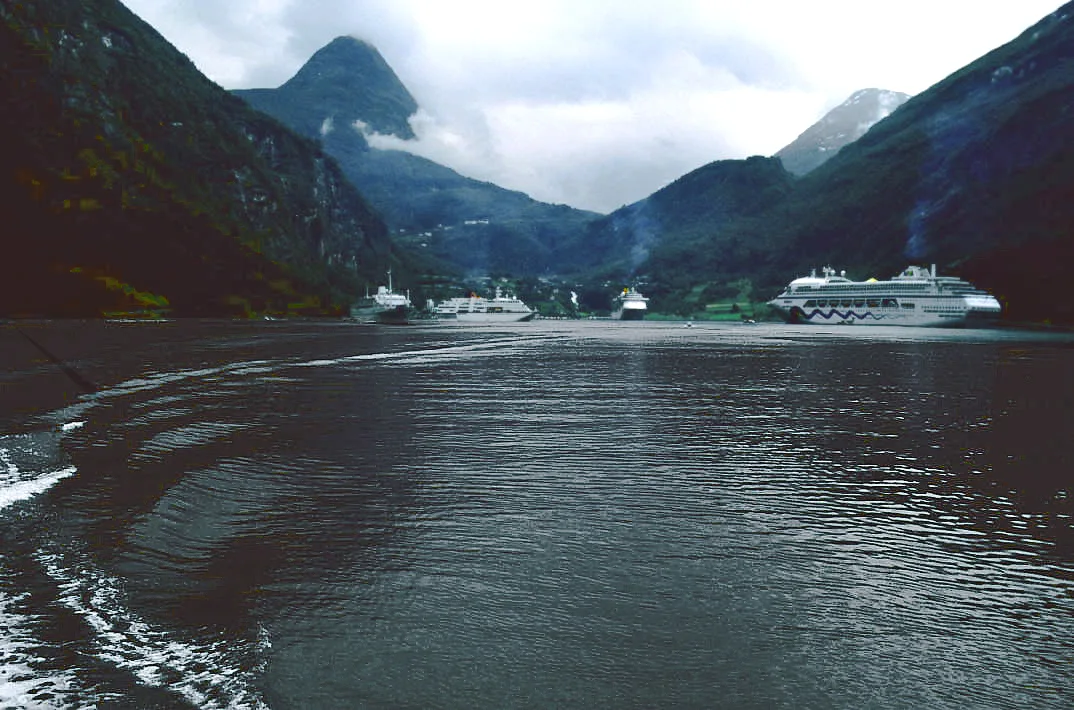
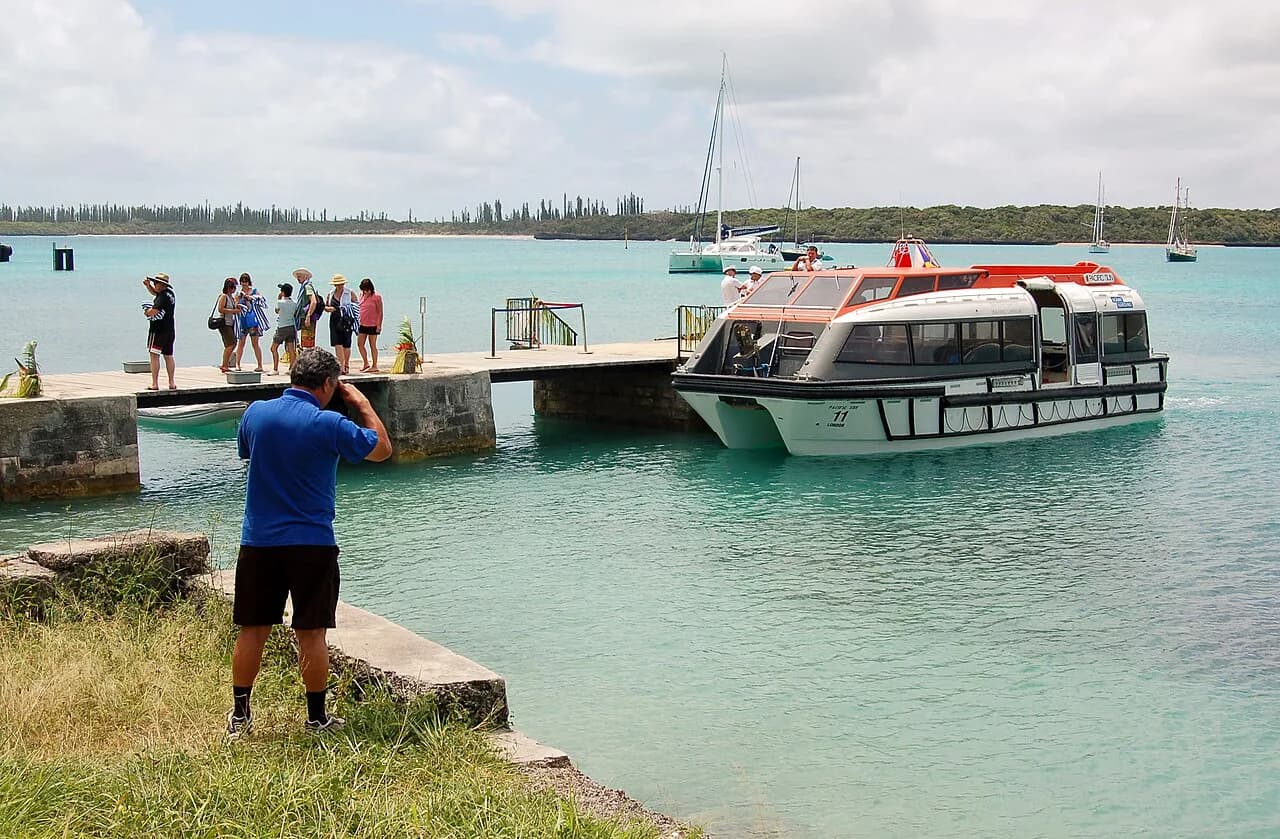
An alongside berth means the ship is tied to a pier and you walk or transfer directly from it. A tender port means the ship anchors offshore and small boats ferry passengers to a landing point, and that process takes time in both directions. Itineraries rarely spell out the difference, so read the port description and any tender note the cruise line publishes.
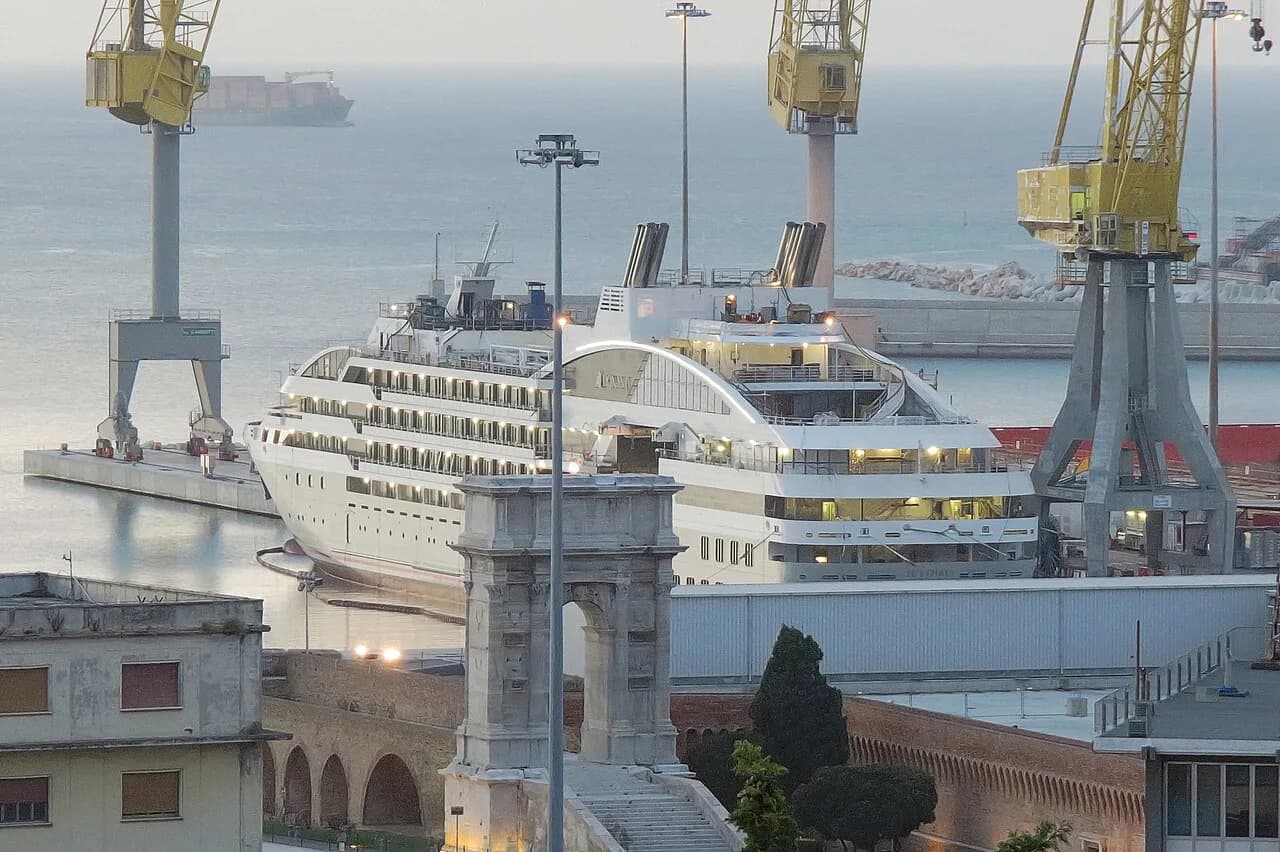
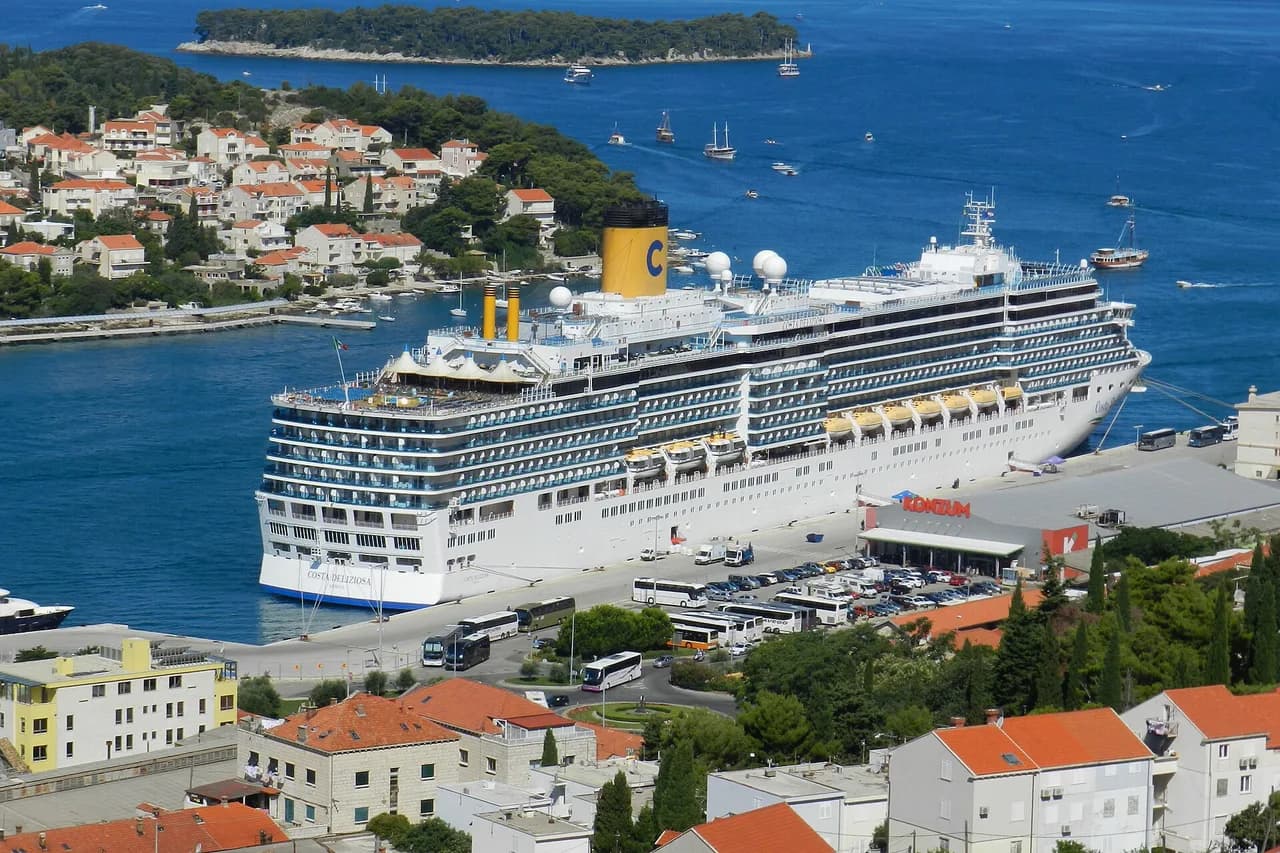
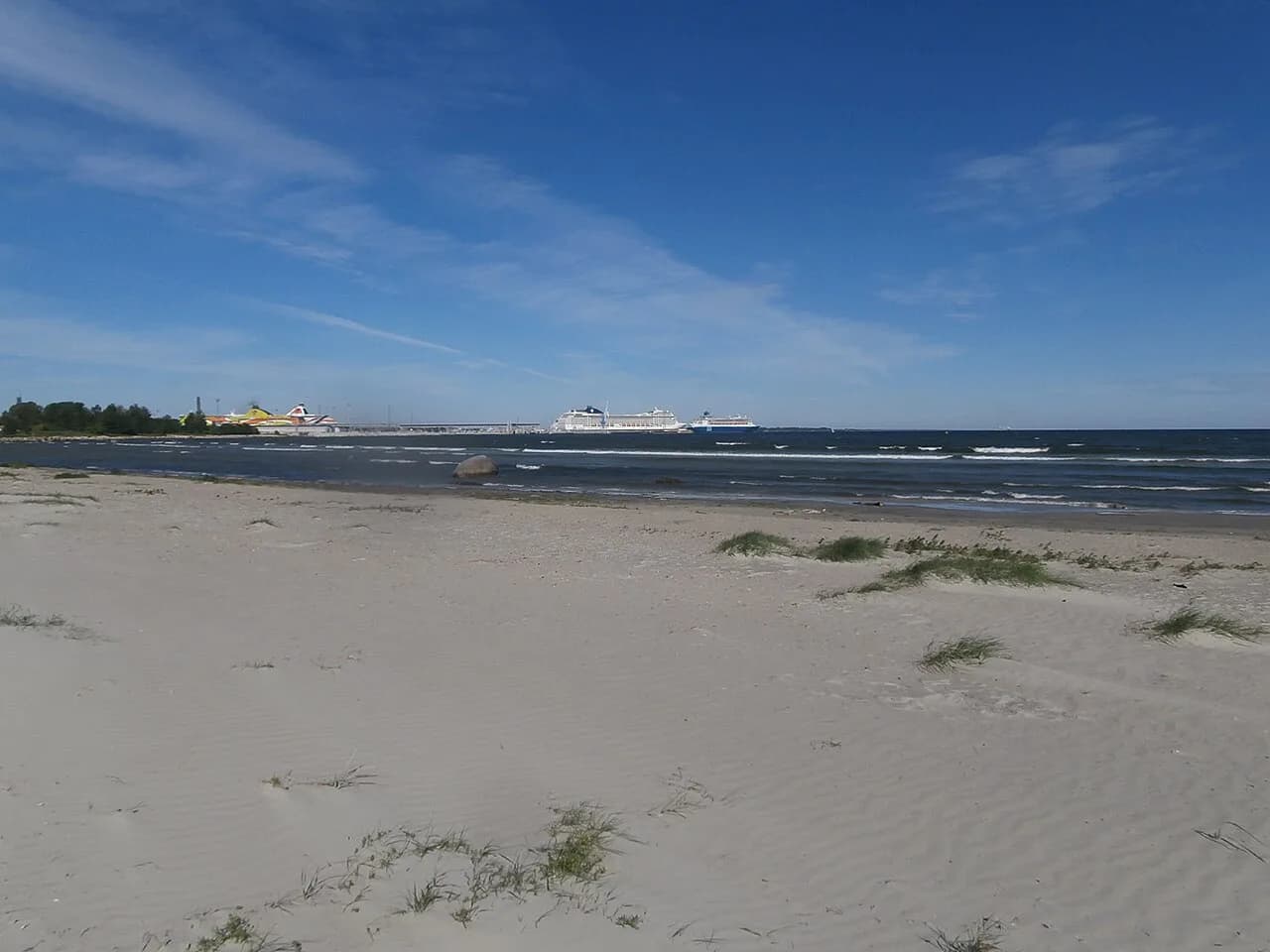
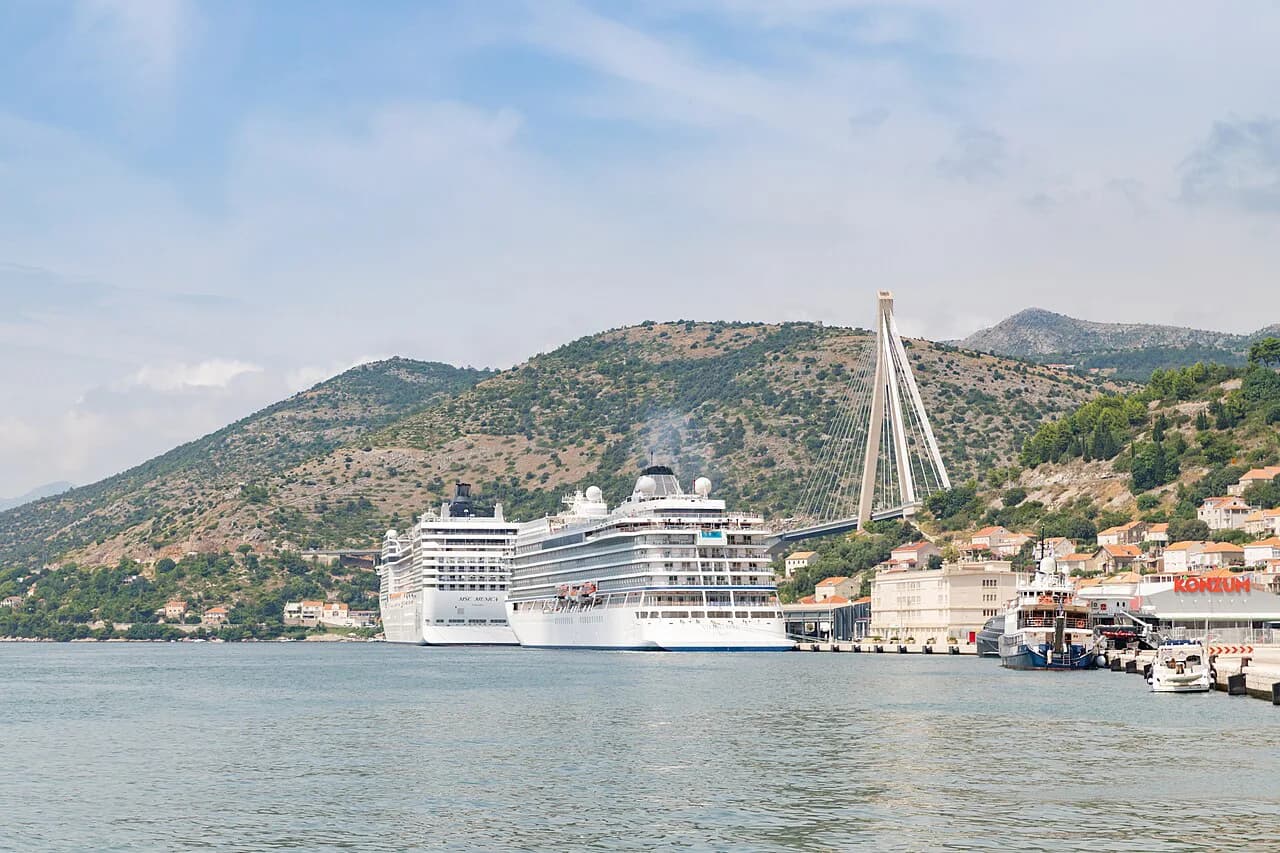
A terminal within sight of the old town needs no transfer at all. A commercial dock or industrial pier usually means a shuttle drop-off to a central point, so count that trip twice in the day, once each way.
The four ways ashore and their trade-offs
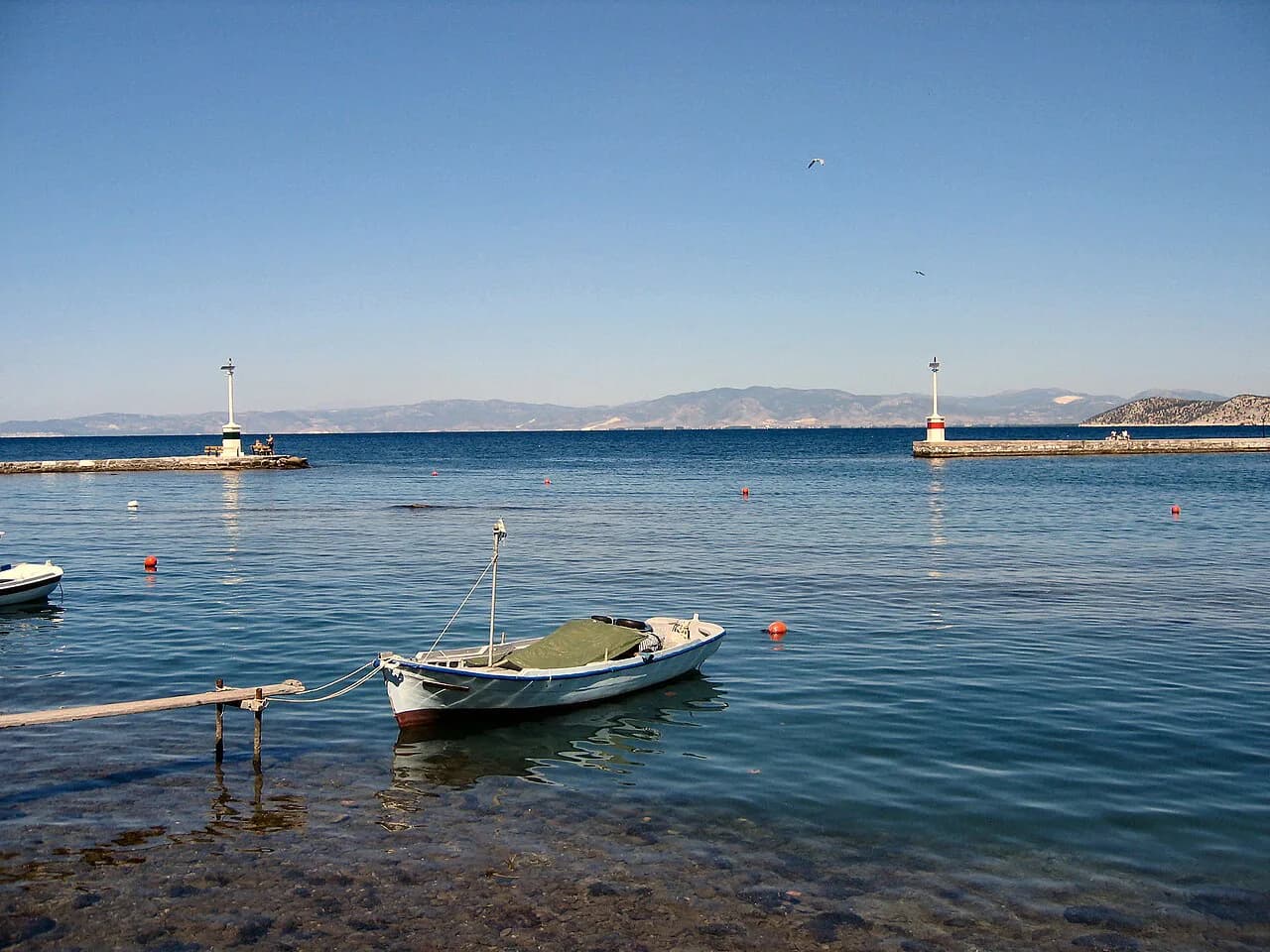
Walking is simplest when the berth is near the center, but many ports put the pier outside the old town, making that walk long and time-consuming. Tender voyages suit compact historic towns where the landing point is the town itself.
A port shuttle covers the gap between the berth and a central stop with minimal effort, and the cruise line usually explains where to catch it and whether it charges. Public buses, trams and trains reach farther areas at lower cost, but you need to understand the route and ticket system before you set off. Taxis give direct, flexible coverage for a group, while ferries open island and waterside stops in places such as Valletta and Dubrovnik.

Building a day around 6, 8 or 10 hours
A 6-hour call realistically fits one anchor sight close to the berth, with the transfer filling much of the day for a big-city port. An 8-hour call allows the anchor sight plus a nearby walk, market or museum. A 10-hour call opens up longer trips inland, such as Pompeii from Naples or the fjords from Bergen.
Whichever length applies, deduct the transfer both ways and set the all-aboard time as a hard stop. Guidebooks list eleven highlights; the timing math usually narrows it to one or two.
Big-city ports where the ship docks far from the sights
Several well-known ports are gateways rather than downtown berths. Civitavecchia serves Rome, and the transfer to the city is a substantial part of the visit. Le Havre serves Paris, and Zeebrugge stands in for both Bruges and Brussels. In each case, the day belongs to the transfer as much as the destination, so weigh the journey the same way you would on a Civitavecchia port day.
Piraeus serves Athens, while Civitavecchia and Livorno open up the Italian heartland. For Italian calls, choosing a town near the pier often beats a long coach ride into a capital, and the cruise ports in italy show how the Rome Cruise Terminal and Largo della Pace berths sit relative to their cities.
Tender ports: compact and slow
Tender ports usually land you right in the heart of the destination. In Valletta, St John's Co-Cathedral and the honey-colored fortifications sit within walking distance of the landing, and in Dubrovnik the ancient city walls are close too. That proximity makes a rich day possible despite the slower start.
The trade-off is time. Tender boats load and unload groups, and late departures eat into the usable window. Treat boarding the tender back as the day's most important appointment.
Ship tours versus local operators versus going independent
A ship's excursion is the most structured option: transport, timing and organization are handled for you. A reputable local operator can mirror that at lower cost and often smaller group size, but you carry the return-timing risk. Going independent gives maximum flexibility but requires you to know the route, the return leg and where the ship is docked.
Whatever you choose, plan on being back ahead of the all-aboard time with room to spare. The ship will not wait for independent travelers, and the cost of a missed departure is far higher than any fare you saved.
A repeatable method for any port
Pick one anchor sight that justifies the call, then check how far it sits from the berth and what transport covers the gap. Fit everything else around the transfer and the buffer, and skip ideas that force a second lengthy trip. This approach works whether you face a big-city terminal or a tender landing.
Grouping itineraries by region
Cruise lines group European itineraries by region, from British Isles and Scotland circuits to Atlantic and Canary Island sailings, so the same pattern of planning repeats. Recognizing the region early tells you whether to expect a compact historic landing or a city transfer, and the cruise ports in uk follow the same logic on a British Isles circuit.
Spain's itinerary ports span coastal cities from La Coruna to Santiago de Compostela, mixing harbor calls with inland pilgrimage routes, and the Barcelona cruise port guide shows how a big-city berth changes the transfer math. Norway's calls combine coastal towns with fjord scenery, including Seven Sisters Waterfall and Dalsnibba Skywalk.
Where European ports sit relative to the cities they serve
One of the quieter planning questions about a European cruise is simply where each port actually sits relative to the place on the itinerary. The names themselves often give the answer. Several ports are listed with a parenthetical town that is the real docking location, separate from the famous city: Florence / Pisa (Livorno), Rome (Civitavecchia), Paris (Calais) and Paris (Le Havre), Naples / Capri (Sorrento), Taormina (Giardini Naxos), Olympia (Katakolon), Gdansk (Gdynia), Waterford (Dunmore East) and Cork (Cobh). Others carry a regional qualifier instead, such as Monte Carlo, Monaco; St. Peter Port, Guernsey, Channel Islands; Gibraltar, UK Territory; Ceuta, Spanish Territory; and the Azores, Portuguese Territory. Tenerife and Grand Canary Island are each listed both under their own name and under the Canary Islands, alongside Lanzarote, Fuerteventura and La Palma.
Geography on the list is sometimes national rather than strictly local. Cairo (Port Said) and Cairo / Giza (Alexandria) appear among European ports, as do Casablanca, Tangier and La Goulette in Tunisia, Haifa and Jerusalem / Tel Aviv (Ashdod) in Israel, and Istanbul, Izmir, Kusadasi and Canakkale in Turkey. Greece contributes Chania and Heraklion on Crete plus Souda Bay, alongside Piraeus, Corfu, Rhodes, Mykonos, Santorini, Patmos, Milos, Monemvasia, Nafplion and Pylos. Norway's list runs far beyond the fjord names, from Kristiansand and Stavanger through Alesund, Molde, Trondheim, Tromso and Hammerfest to Kirkenes, Vadso, Vardo, Berlevag, Batsfjord, Mehamn, Kjollefjord and Honningsvag, with Longyearbyen and the Svalbard Archipelago at the top and the Bronnoysund, Sandnessjoen, Nesna, Ornes, Stamsund, Svolvaer, Stokmarknes, Sortland, Harstad, Finnsnes, Risoyhamn, Skjervoy, Oksfjord, Havoysund and Mehamn chain in between.
Reading that list as a map makes two points plain. First, a handful of anchor names stand in for a whole excursion belt: Livorno, Civitavecchia, Le Havre, Calais, Civitavecchia's neighbours in Italy such as Naples / Capri (Sorrento) and La Spezia, and Katakolon for Olympia all describe a berth some distance from the headline sight. Second, the same sea can throw up wildly different scales of stop, from Barcelona, Lisbon, Amsterdam and Copenhagen down to Fair Isle in Scotland, Heimaey and Isafjordur in Iceland, Bonifacio in Corsica, Port Mahon in Menorca, Koper in Slovenia, Klaipeda in Lithuania and Sarande in Albania. The list also includes Ravenna, Trieste, Venice and Savona, Genoa and Livorno on the Italian coast, Cadiz, Malaga, Cartagena, Valencia, Alicante, Bilbao, Vigo and La Coruna in Spain, and Oporto (Leixoes), Funchal and Ponta Delgada in Portugal.
It is worth noticing which names are absent, because absence shapes an itinerary as much as presence. The European regions set out for cruisers are the Baltic Sea, Black Sea, British Isles, Canary Islands, Greek Isles, Iceland, Ireland, Italy, Northern Europe, Scotland and Transatlantic, with the departure ports Amsterdam, Athens, Barcelona, Lisbon, London, Rome, Southampton and Venice. Iceland's ports on the list are Reykjavik, Akureyri, Isafjordur, Seydisfjordur and Heimaey; Greenland appears through Nuuk, Qaqortoq, Kangerlussuaq and Skjoldungen; the Shetland and Orkney stops are Lerwick and Kirkwall, with Torshavn in the Faroe Islands. If a sailing's appeal rests on a specific town rather than a region, matching the port name on the itinerary against this list, and taking the bracketed name as the docking point, is the check that turns a vague promise of Tuscany or Normandy into a berth you can plan around.
Plan Your Visit
A good European port day starts with the layout, not the attraction list. Know whether the ship docks alongside or tenders, how far the berth sits from the center, and how you will cover that gap both ways.
Once the transport is settled, one anchor sight and a generous return buffer will fit almost any 6-, 8- or 10-hour call. Confirm the specific terminal and transfer with your cruise line before you sail.
Explore more Europe cruise port guides
Frequently Asked Questions
Where do European cruises go?
European itineraries run across the Mediterranean, the Adriatic, the Atlantic coast, Northern Europe and the Baltic, the British Isles and the Canary Islands. Sailings link major gateways such as Rome, Barcelona and Amsterdam with compact historic stops, so the day ashore can range from a big-city transfer to a short walk from the pier.
How far are European cruise terminals from the city center?
It varies by port. Some terminals sit close enough that walking to the old town is the natural first move. Others put the berth in a commercial or industrial area that requires a port shuttle or a taxi ride to reach the center, which adds time both ways and should be built into the plan.
Do European cruise ports use tenders?
Yes, usually at compact historic ports where the town is right behind the water. The ship anchors offshore, and small boats carry passengers to a landing point. Tendering takes time in both directions, so your usable hours are shorter than the call itself and boarding the return tender is the day's key deadline.
How much time do you need ashore at a European cruise port?
Six hours suits one anchor sight close to the berth, with transfer time included. Eight hours adds a walk, market or museum nearby. Ten hours allows a longer trip inland, such as Pompeii from Naples. In every case, plan to be back before the all-aboard time with a buffer.
Is it better to take a ship tour or explore a European port independently?
A ship tour handles transport and organization, while a local operator can offer a similar day with a smaller group. Going independent gives flexibility but leaves the return timing in your hands. Whichever you pick, the ship will not wait for late independent travelers, so protect the schedule.
Sources
Port-day notes for your next cruise
Optional updates to our port guides.
You might also like
Continue reading
More guides you'll find useful